The Quiet Charisma Playbook: Social Skills for Introverts Who Hate Performing
Want stronger social skills without pretending to be outgoing? This guide helps introverts build rapport, handle social anxiety, and connect naturally in real life.

By Haply Team
Haply Editorial Team
Social skills do not require a loud personality, perfect timing, or endless confidence. If you are an introvert or you deal with social anxiety, the real goal is not to become more performative. It is to become more comfortable being yourself while connecting with other people in a clear, warm, and grounded way.
Many people assume charisma means being the most talkative person in the room. In reality, quiet people often build the strongest rapport because they listen closely, notice details, and respond thoughtfully. The challenge is learning how to use those strengths on purpose.
Why quiet people often underestimate their social strengths
If social situations drain you, you may focus on what feels hard: starting conversations, joining groups, or handling awkward silence. But strong social skills also include empathy, pacing, curiosity, and emotional steadiness. These are areas where many introverts naturally do well.
- Listening well makes other people feel valued quickly.
- Thoughtful questions create deeper conversations than polished jokes.
- Calm presence can make others feel safe and understood.
- Observation skills help you notice shared interests and social cues.
"You do not need to be the loudest person in the room to make people feel seen."
A better goal than being outgoing
Instead of trying to be impressive, aim to be easy to connect with. This one shift reduces pressure fast. When your focus changes from "How am I doing?" to "How can I make this interaction a little easier for both of us?" your body often relaxes, and your words come more naturally.
Use the 3-part quiet charisma formula
- Warm opening - Start with a simple observation, question, or shared context.
- Curious follow-up - Ask one genuine question that helps the conversation move forward.
- Honest exit or next step - End clearly, or suggest a small follow-up if the connection feels good.
This formula works in friendships, dating, work chats, and even light networking situations. It gives you structure without making you sound scripted.
How to build rapport without forcing small talk
People often think rapport comes from saying the perfect thing. Usually, it comes from making the other person feel comfortable. You can do that by matching the energy of the moment instead of trying to raise it.
- Comment on something present and specific: "How do you know the host?" or "That project sounded really interesting."
- Reflect back a detail they shared: "So you switched careers last year?"
- Share a small piece of yourself, then invite them in: "I usually need a minute to warm up in groups. What about you?"
- Let pauses happen. A short silence is not failure, it is just space.
For people with social anxiety, this matters a lot. Anxiety often tells you every pause is a problem. It is not. Most conversations can hold a few seconds of quiet without falling apart.
What to do before a social event if you feel anxious
Preparation helps, especially when your mind tends to overthink. The goal is not to rehearse a perfect personality. The goal is to lower activation in your body and give yourself a few reliable starting points.
- Choose two opening questions you can use naturally.
- Set a small target, like talking to one new person for five minutes.
- Arrive a little early so the room feels less intense.
- Take three slow breaths before walking in.
- Plan a recovery break, like stepping outside or getting water.
Build confidence with guided support
If you want help practicing social confidence, Haply offers chat-based coaching, habit tracking, and tools like Meditation/Breathe and the Today Dashboard. Its Relationships coaches can help you work through social anxiety and build connection step by step.
Try Haply FreePublic speaking is social connection, not performance
Many introverts fear public speaking because it feels like being judged at scale. But a helpful reframe is this: speaking in front of people is still just rapport with a larger group. You are not trying to dominate the room. You are guiding attention in a useful, human way.
Try this low-pressure public speaking practice
- Record a 60-second voice note explaining an idea simply.
- Practice speaking to one supportive person before speaking to a group.
- Focus on clarity over charisma.
- Use pauses instead of rushing. Pauses make you sound grounded.
- Think: "I am helping," not "I am being evaluated."
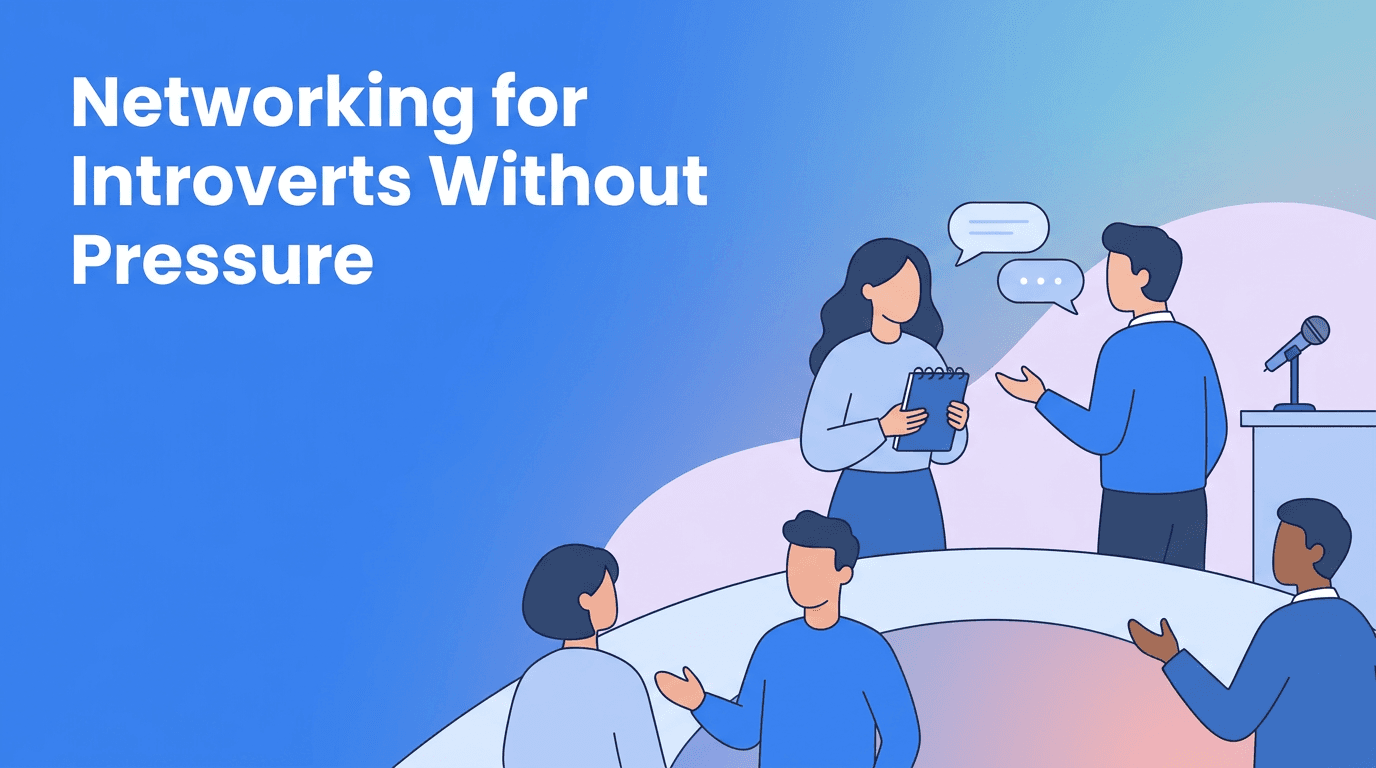
This same mindset helps with meetings, introductions, and casual networking. When you stop treating every interaction like a test, your natural strengths have room to show up.
A 7-day social skills practice for quiet confidence
Improving social skills works better through repetition than through one big brave moment. Try this gentle one-week experiment.
- Day 1: Make eye contact and smile at one person.
- Day 2: Ask one open-ended question in a casual conversation.
- Day 3: Stay in a conversation 2 minutes longer than usual.
- Day 4: Reflect back one detail someone shares.
- Day 5: Start one low-stakes chat, online or in person.
- Day 6: Practice a 60-second introduction out loud.
- Day 7: Notice what felt easier than it used to.
If you want consistency, an app like Haply can help. Its habit tracker, reminders, and personalized coaching make it easier to turn small social goals into real progress instead of waiting until you "feel ready."
The mindset shift that changes everything
You do not need to become less of an introvert to connect well. You need a kinder strategy. Strong connection grows when you stop chasing approval and start practicing presence. That is how confidence becomes believable.
The best social skills are not about performing confidence. They are about creating a moment where another person feels safe to respond honestly. Quiet confidence is still confidence, and it is often more powerful than people realize.
Frequently Asked Questions
How can introverts improve social skills without pretending to be extroverted?
Focus on strengths like listening, asking thoughtful questions, and staying present. You do not need a louder personality, just repeatable habits that make connection easier.
What helps with social anxiety before networking events?
Prepare two simple questions, arrive early, and set a small goal such as one meaningful conversation. Regulating your body first often helps more than rehearsing lines.
Is public speaking harder for introverts?
It can feel harder because stimulation and self-consciousness are higher, but introverts often do well when they focus on clarity, calm pacing, and helping the audience.
How do you build rapport quickly in conversation?
Use specific observations, reflect back what the other person says, and ask one genuine follow-up question. Rapport grows faster when people feel understood.