Decision Fatigue and Personal Development: Simplify Choices to Build Better Days
Decision fatigue can quietly drain self-awareness, confidence, and follow-through. Learn how to reduce daily choices, build positive habits, and create real life improvement.

By Haply Team
Haply Editorial Team
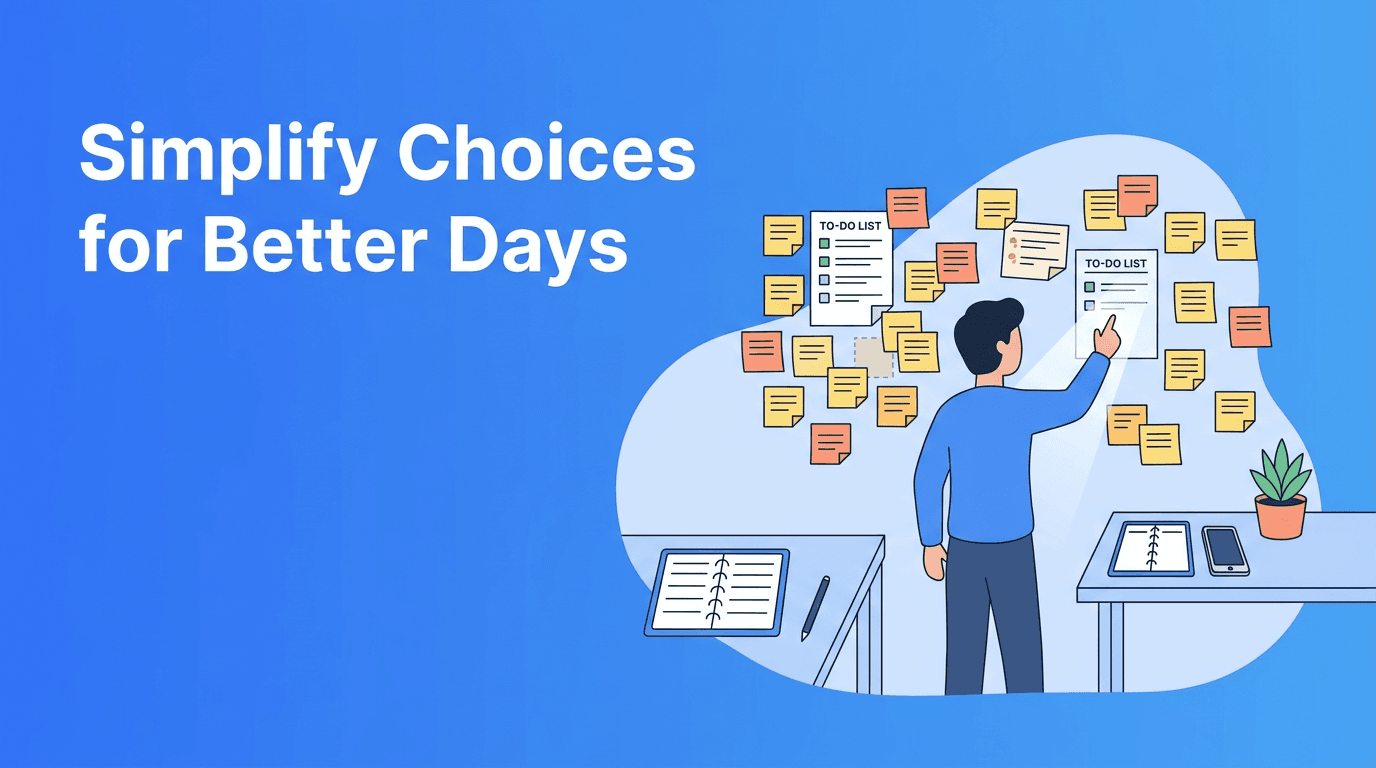
Decision fatigue is one of the most overlooked barriers to personal development. When your brain spends all day making tiny choices, your self-awareness drops, your confidence gets shaky, and even simple life improvement goals start to feel heavy. The good news is that you do not need more willpower. You need fewer unnecessary decisions.
Why decision fatigue matters more than people think
Most people assume growth problems come from laziness or low discipline. In reality, many setbacks come from a crowded mental environment. Every choice, what to wear, what to eat, what task to do first, whether to answer that message now or later, uses attention. By the time you reach the choices that actually matter, your mind is already tired.
- You procrastinate not because you do not care, but because your brain is overloaded.
- You break positive habits because deciding in the moment feels harder than expected.
- You avoid important conversations because low mental energy makes discomfort feel bigger.
- You lose confidence when repeated small delays start to look like personal failure.
"A simple life is not about having less ambition. It is about protecting your energy for what matters most."
The hidden link between self-awareness and daily choices
Strong self-awareness helps you notice when you are making bad decisions because you are tired, distracted, or emotionally stretched. Without that awareness, you may label yourself as unmotivated when the real issue is mental overload. This small shift matters. When you understand the cause, you can fix the system instead of blaming yourself.
Signs your decisions are draining your growth
- You spend too long choosing between similar tasks.
- You keep changing your plan halfway through the day.
- You say yes automatically, then regret it later.
- You leave small tasks unfinished because starting feels annoying.
- You end the day busy, but not satisfied.
These patterns are not random. They often point to decision fatigue, not lack of ability. Naming the problem improves self-awareness, and better awareness is the first step toward lasting life improvement.
5 practical ways to reduce decision fatigue
1. Standardize low-value decisions
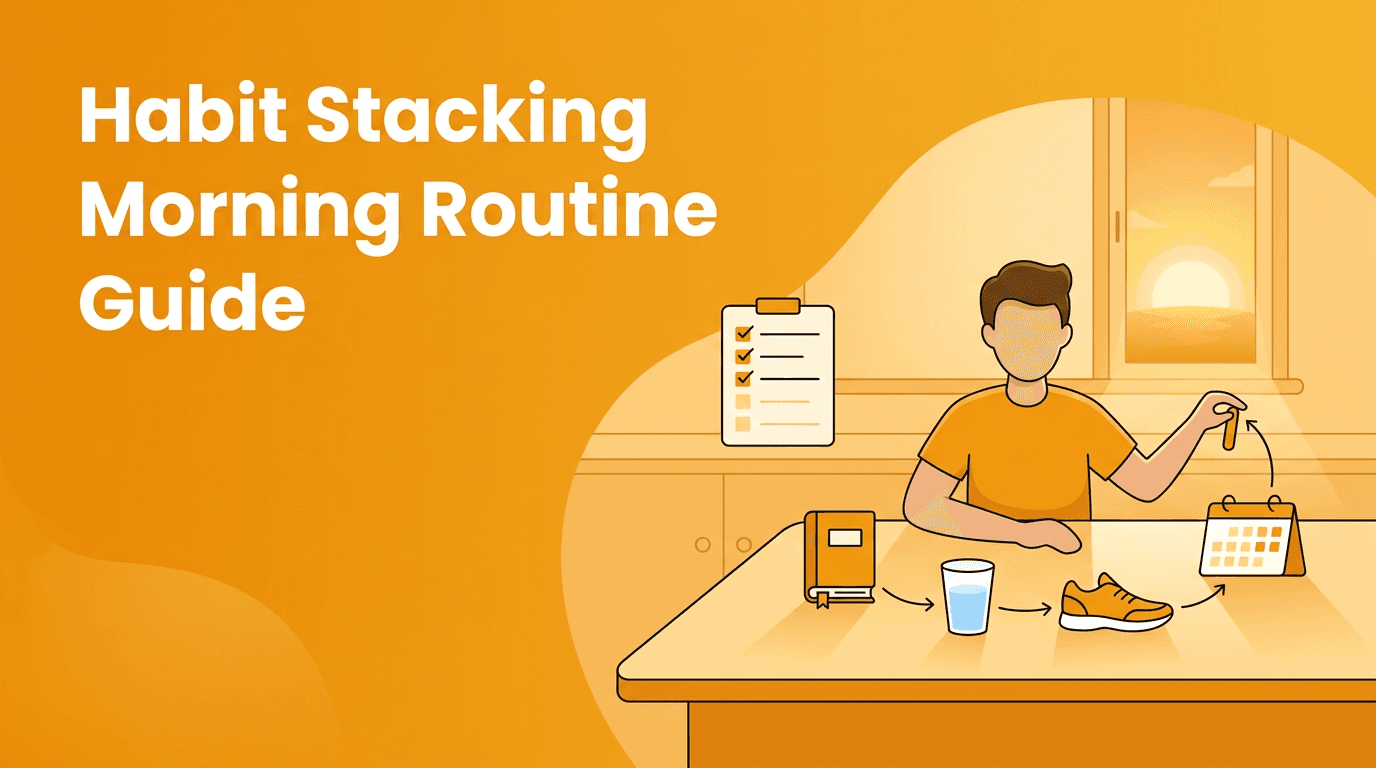
Create simple defaults for repeated choices. Pick three breakfast options. Use a short morning checklist. Set a fixed time for exercise, planning, or reading. This reduces friction and protects energy for work, relationships, and meaningful goals.
2. Decide before the pressure hits
Pre-decide what you will do in common situations. For example: "If I finish work feeling tired, I will do a 10-minute walk before I sit down." This is how positive habits become easier. You remove the debate and keep moving.
3. Limit active goals
Trying to improve everything at once weakens progress. Choose one main goal and one support habit for the next two weeks. Fewer goals often create faster life improvement because your attention is not split in five directions.
4. Use a personal rulebook
Write 5 to 10 rules that make daily decisions easier. Examples: "No checking email before my top task," "I do not schedule over my lunch break," or "I sleep before midnight on work nights." Personal rules reduce internal negotiation and strengthen confidence because you trust your own structure.
5. Review, do not overthink
At the end of the day, ask: What choice drained me? What choice helped me? This quick reflection builds self-awareness without turning into perfectionism. The goal is not to analyze everything. The goal is to notice patterns and adjust.
Want support building simpler routines?
Haply is an AI life coaching app for iOS and Android that helps you turn insight into action. Use personalized coaching, habit tracking, reminders, and tools like the Task Planner and Focus Timer to reduce decision overload and stay consistent.
Try Haply FreeA simple weekly system for better decisions
If you want personal development to feel lighter, use this 15-minute weekly reset:
- Pick your top 3 priorities for the week.
- Choose one habit to do daily, even if it is small.
- List any repeated decisions you can simplify.
- Remove one commitment that does not support your goals.
- Plan one action that builds confidence, such as sending the email, making the call, or finishing the first draft.
This system works because it reduces noise. You do not need a perfect routine. You need a repeatable one. Over time, less decision clutter leads to stronger execution, steadier confidence, and more visible life improvement.
Make growth easier, not harder
Many people try to solve decision fatigue with motivation. A better approach is to design your days so fewer choices depend on willpower. Protect your mental energy, build simple defaults, and use self-awareness to spot where your attention leaks away. That is how positive habits become realistic, and that is how real personal development happens.
Frequently Asked Questions
What is decision fatigue in simple terms?
Decision fatigue is the mental tiredness that happens after making too many choices. It can make even small tasks feel harder and lead to poor decisions later in the day.
How can I reduce decision fatigue every day?
Use simple routines, pre-decide common actions, and limit unnecessary choices. Standardizing small decisions saves energy for bigger priorities.
Can decision fatigue affect confidence?
Yes. When mental overload leads to delays or inconsistent actions, people often mistake it for personal weakness. Reducing decision fatigue can help you feel more capable and in control.
What are the best habits for life improvement when I feel overwhelmed?
Start with one daily habit, one weekly review, and one fixed routine you do at the same time each day. Small consistency beats complex plans.