Micro Habits for Resilience: A Smarter Self-Improvement Plan for Stressful Days
Micro habits for resilience can make self-improvement feel doable, even on stressful days. Learn a practical personal growth approach that strengthens habits, focus, and emotional intelligence.

By Haply Team
Haply Editorial Team
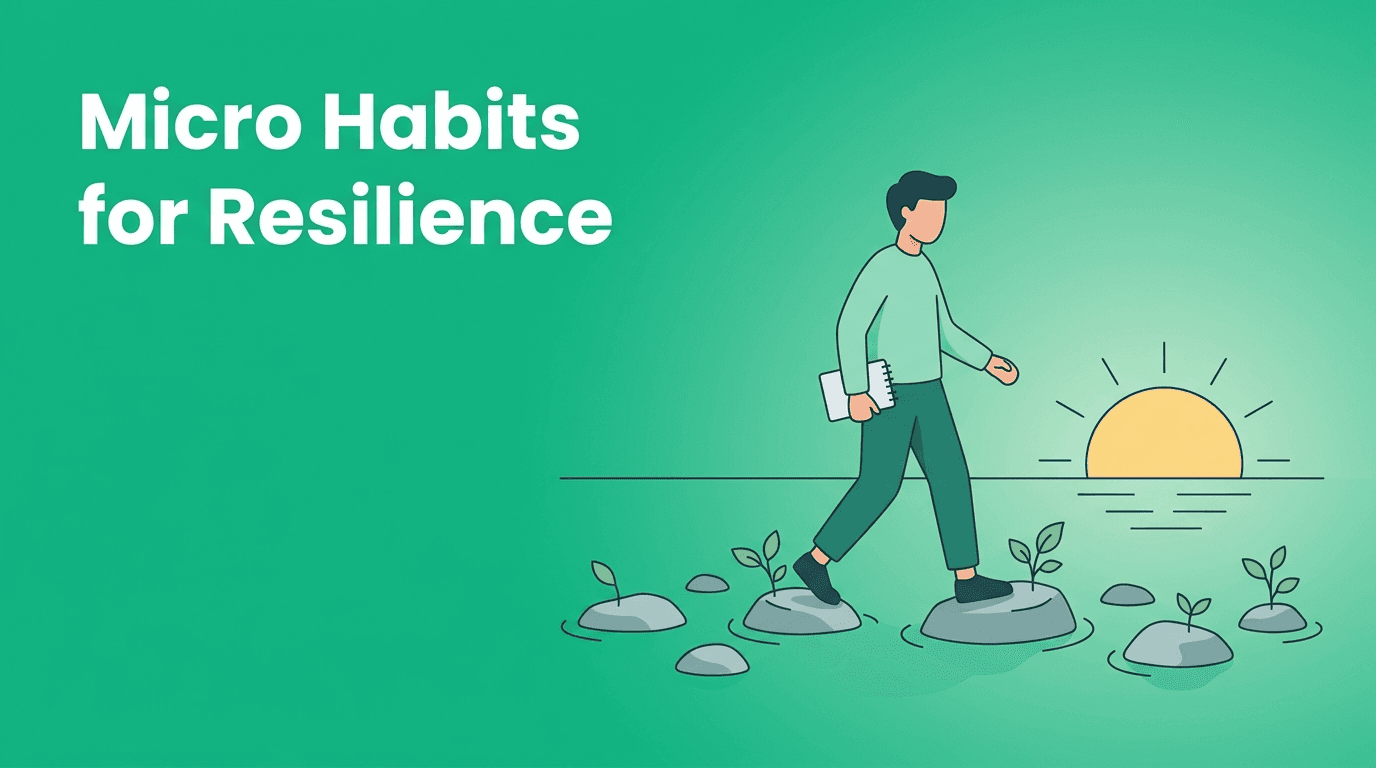
Micro habits are one of the most overlooked tools in self-improvement. When people think about personal growth, they often imagine dramatic routines, strict schedules, or huge life changes. But on stressful, messy, very human days, it is usually the smallest repeatable actions that protect your momentum, strengthen resilience, and improve emotional intelligence.
If you have ever felt motivated on Monday and exhausted by Thursday, this approach is for you. Micro habits are so small that they lower resistance, which makes them easier to repeat. Over time, those tiny actions become proof that you can keep showing up for yourself.
Why micro habits work when motivation disappears
Big goals often fail because they demand too much energy upfront. Micro habits work differently. They respect your real life, your limited attention, and your emotional ups and downs. Instead of asking, "How can I transform everything at once?" they ask, "What is the smallest action I can do today that still counts?"
- A 2-minute reset is easier to start than a 30-minute routine
- Small wins create visible progress, which supports self-improvement
- Consistency builds resilience because you practice continuing under imperfect conditions
- Tiny reflective pauses improve emotional intelligence by helping you notice thoughts, triggers, and reactions earlier
"You do not rise to the level of your goals. You fall to the level of your systems." - James Clear
A practical micro habits framework for personal growth
Use this simple framework to build micro habits that actually fit your life. The key is to make each habit clear, specific, and easy enough to complete even when you are tired.
1. Pick one growth area, not five
Choose a single focus for this week. Maybe you want better energy, calmer reactions, stronger discipline, or more confidence. Narrowing your attention reduces friction and makes personal growth more realistic.
2. Shrink the habit until it feels almost too easy
Instead of "journal every morning," try "write one sentence after breakfast." Instead of "practice mindfulness," try "take three slow breaths before opening email." Small does not mean meaningless. Small means sustainable.
3. Attach it to something you already do
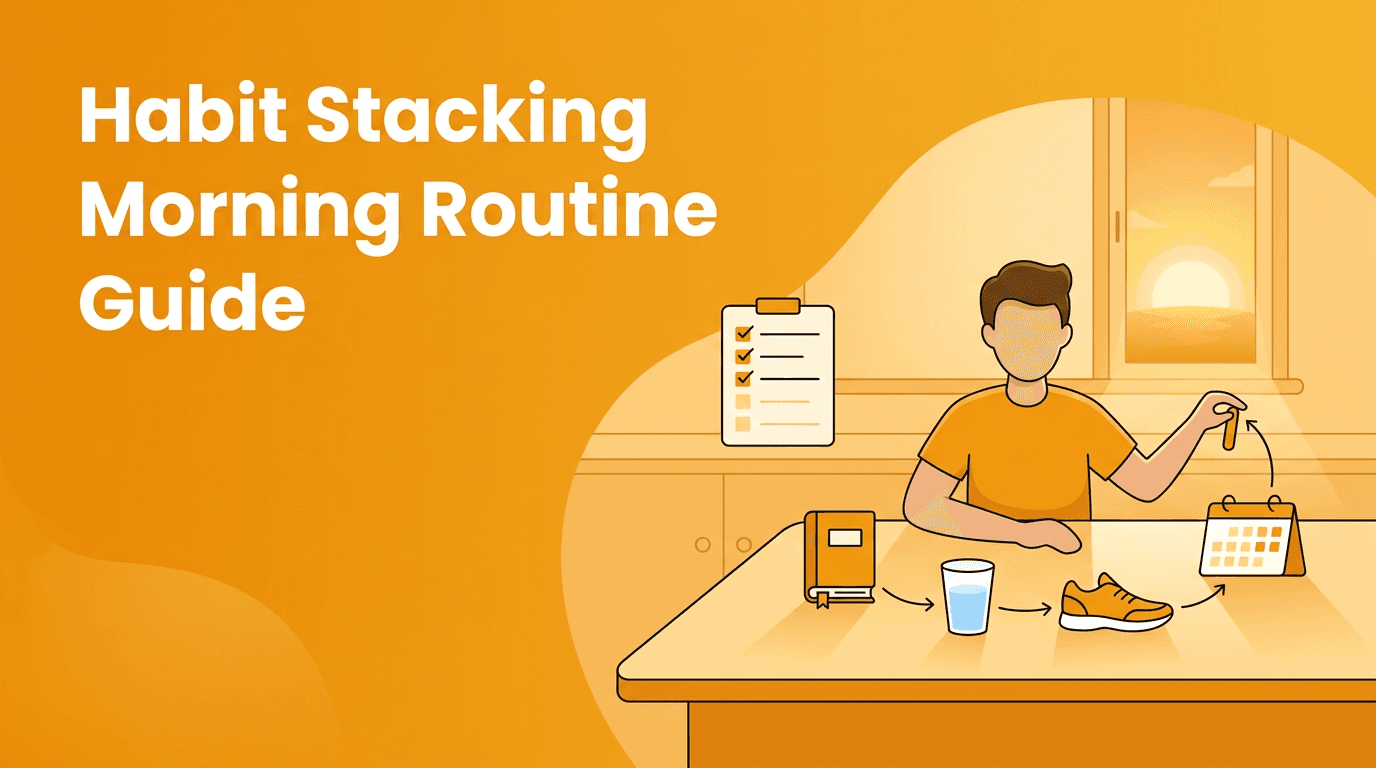
Anchor your action to an existing routine. After brushing your teeth, say one intention for the day. After lunch, rate your stress from 1 to 10. After getting into bed, write one thing you handled well. This is where habits become easier to remember.
4. Track proof, not perfection
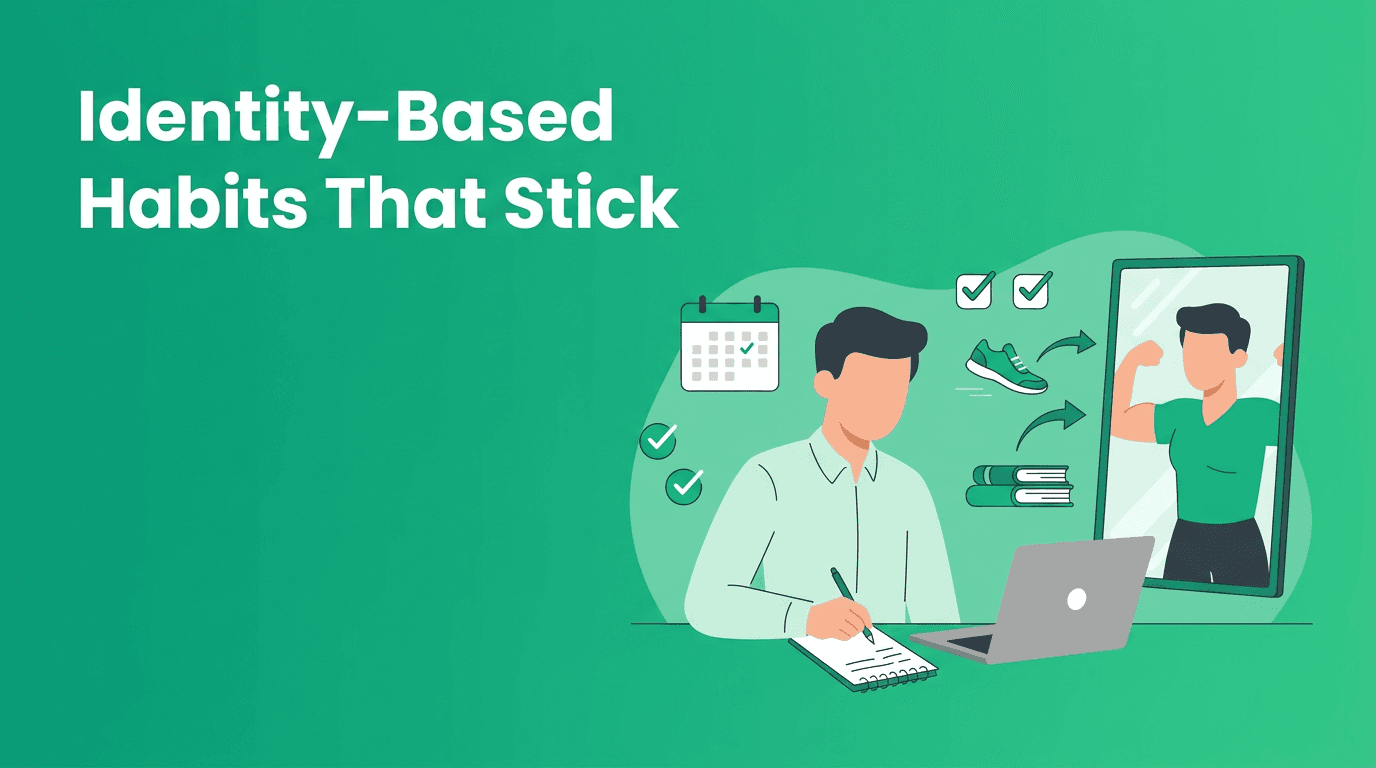
Do not ask whether the habit was impressive. Ask whether it happened. A check mark, note, or streak helps your brain see evidence of progress. This is especially useful in self-improvement, where growth can otherwise feel invisible.
7 micro habits that build resilience and emotional intelligence
- Name one emotion before reacting. This strengthens emotional intelligence by creating a pause between feeling and action.
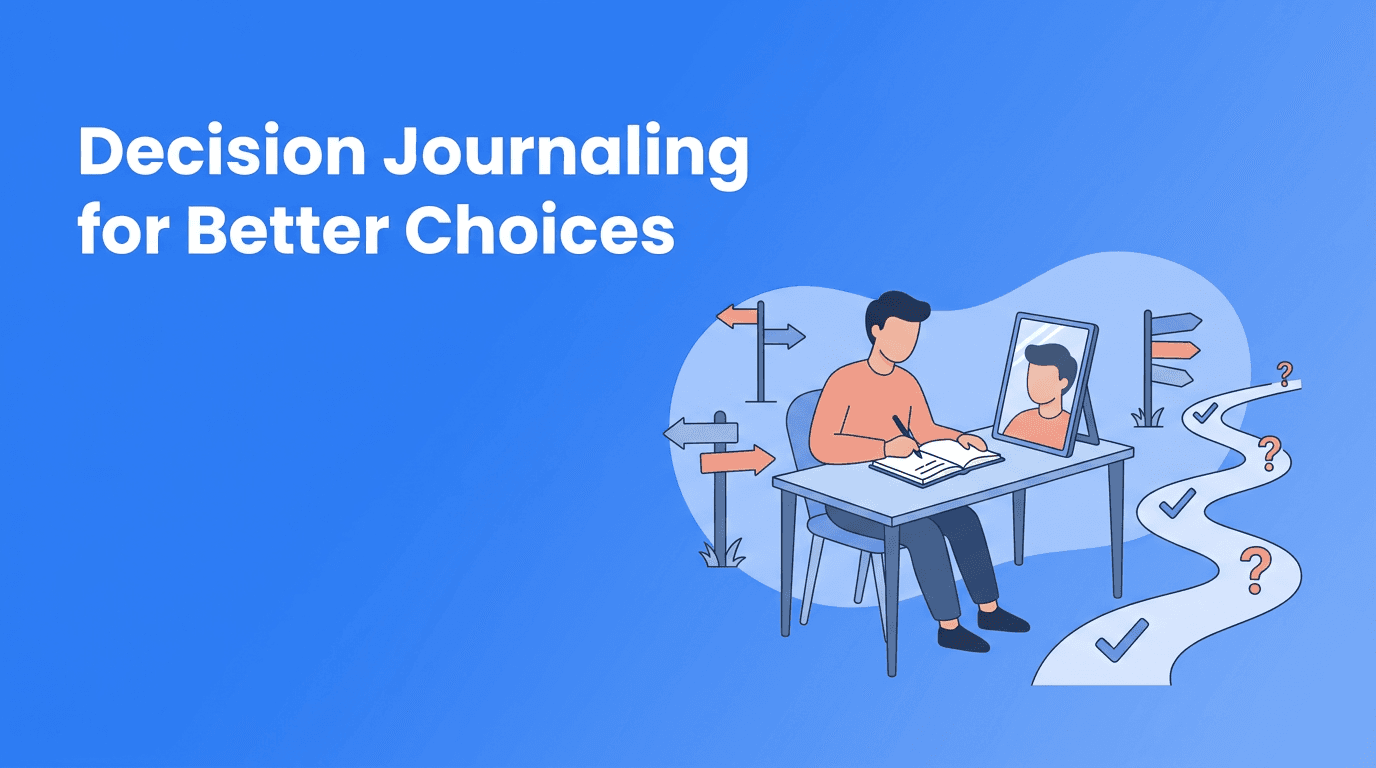
- Write one line about what challenged you today and what helped. This builds self-awareness and resilience.
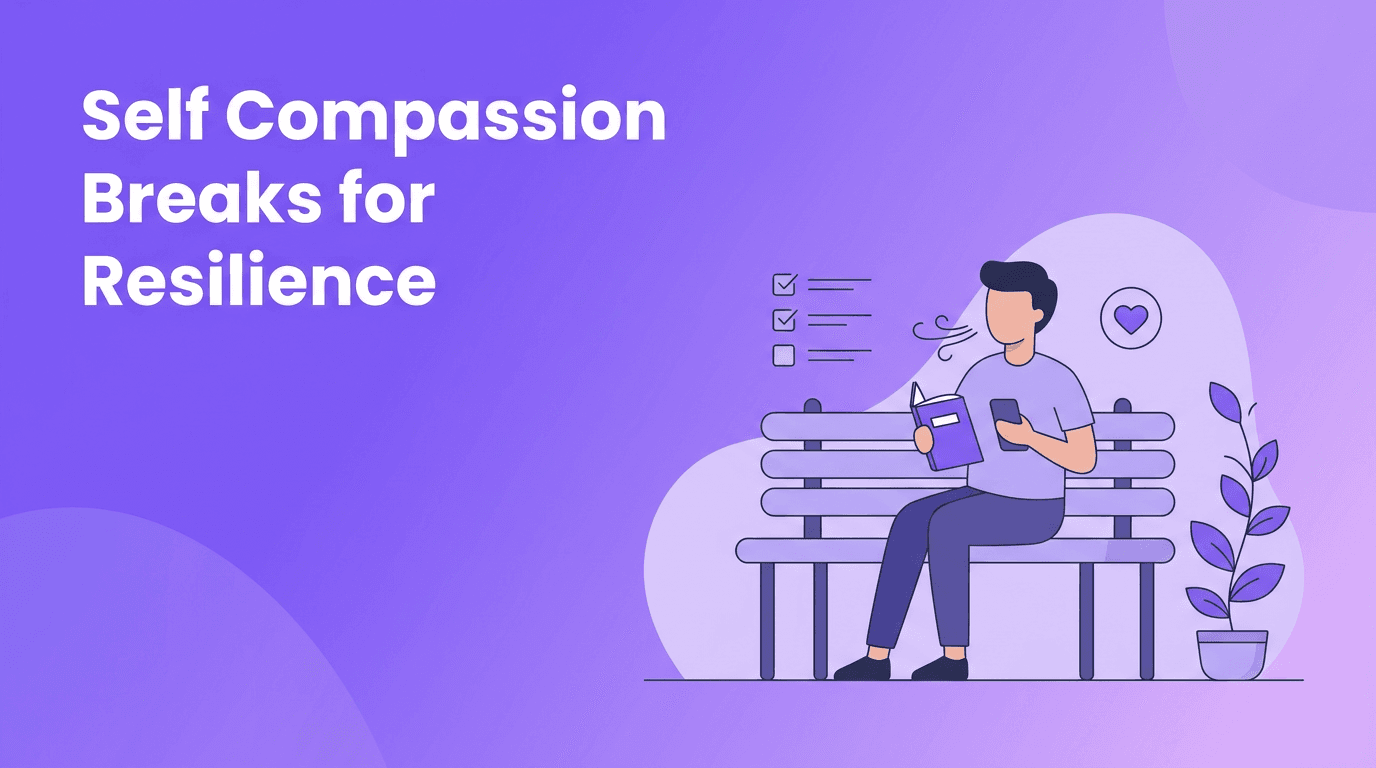
- Do a 60-second body reset by unclenching your jaw, lowering your shoulders, and taking a slow breath.
- Ask one better question such as "What is in my control right now?" This keeps personal growth grounded in action.
- Celebrate one small win each evening to train your attention toward progress, not just problems.
- Send one honest message when you need support instead of isolating. Resilience is not only internal, it is relational.
- Start with two minutes on any avoided task. Many strong habits begin by simply reducing the starting barrier.
How to use micro habits on hard days
The true test of micro habits is not whether they work on your best days. It is whether they still work when life feels heavy. On hard days, lower the bar without abandoning the practice. If your usual habit is writing one sentence, maybe today it is just opening the notes app. If your usual habit is a 10-minute walk, maybe today it is standing outside for one minute.
Make your self-improvement routine easier to keep
Haply helps you turn personal growth into a repeatable daily practice with AI coaching, streak-based habit tracking, reminders, and tools like the Focus Timer and Meditation/Breathe mini-apps. It is a practical way to stay consistent, especially when motivation drops.
Try Haply FreeBecause Haply offers specialized AI coaches across areas like Productivity, Wellness, Learning, and Relationships, you can get support that matches the kind of change you are actually trying to make. The app's Today Dashboard, daily overview, and goal-based onboarding can help you stay connected to your next small step instead of feeling overwhelmed by the big picture.
Common mistakes that make small habits fail
- Making the habit too big too soon
- Trying to change every area of life at once
- Skipping tracking because the action feels "too small" to count
- Treating missed days as proof of failure instead of part of learning
- Choosing habits that sound impressive instead of habits you will actually do
The goal is not to become a perfect person with a perfect routine. The goal is to become someone who can return, reset, and continue. That is the heart of resilience, and it is one of the most valuable forms of self-improvement you can build.
Frequently Asked Questions
What are micro habits in self-improvement?
Micro habits are very small, repeatable actions that support positive change. They make self-improvement easier by lowering resistance and increasing consistency.
How do micro habits help build resilience?
Micro habits build resilience by helping you keep going during stressful or imperfect days. They train consistency, adaptability, and recovery instead of all-or-nothing thinking.
Can micro habits improve emotional intelligence?
Yes. Small practices like naming emotions, pausing before reacting, and reflecting for one minute can improve emotional intelligence over time.
How long does it take for micro habits to work?
Many people notice early momentum within days because micro habits are easy to repeat. Lasting change depends more on consistency than speed.