Emotional Attunement: The Relationship Skill That Makes People Feel Safe With You
Emotional attunement can transform relationships by improving communication, empathy, and social skills. Learn practical ways to build deeper connection starting today.

By Haply Team
Haply Editorial Team
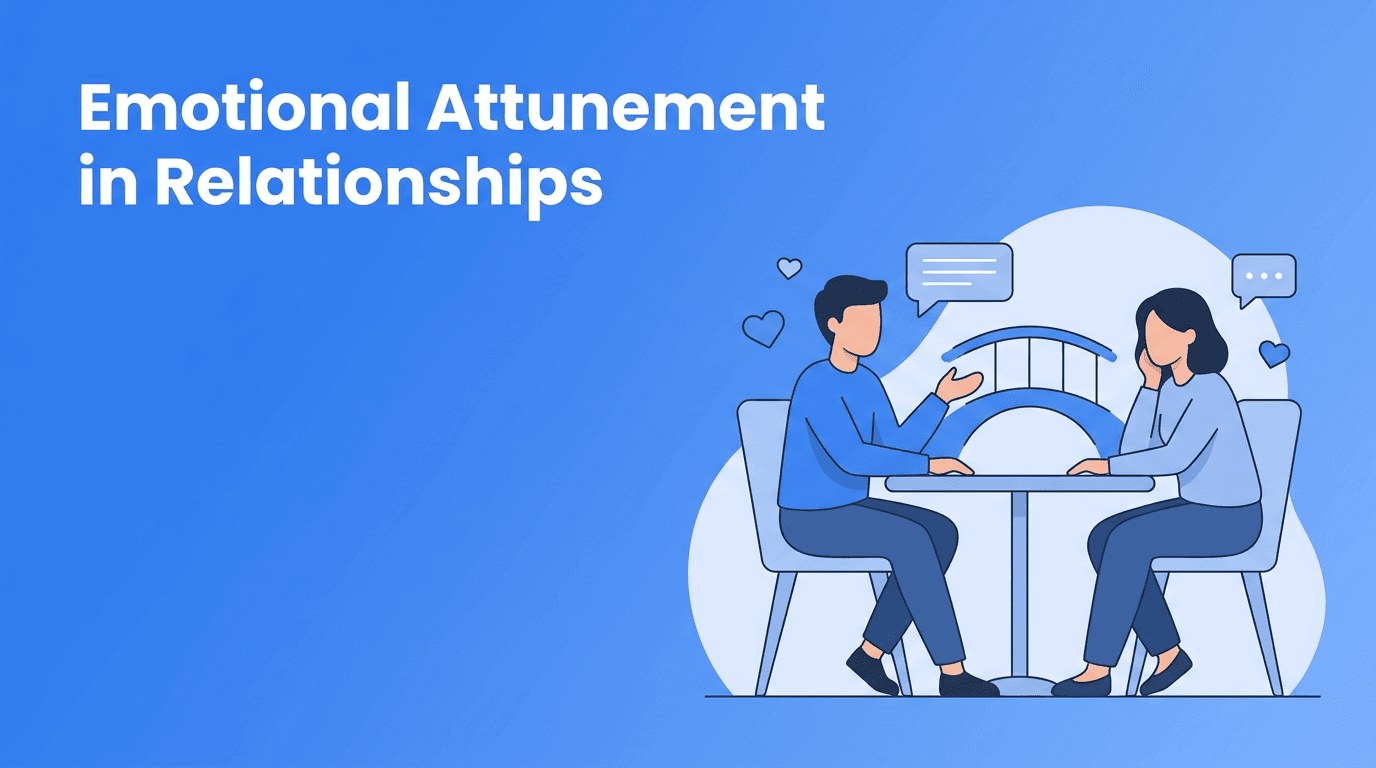
Emotional attunement is one of the most underrated skills in relationships. It is the ability to notice what someone is feeling, respond with care, and create a sense of emotional safety through communication. If you want stronger connection, better social skills, and more everyday empathy, this is a powerful place to start.
Why emotional attunement matters in relationships
Many people think closeness comes from saying the perfect thing. In reality, people often feel closest when they feel seen, heard, and emotionally understood. Emotional attunement helps reduce defensiveness, makes hard conversations feel safer, and strengthens trust over time.
- You notice not just words, but tone, pace, and body language.
- You respond to feelings before jumping into solutions.
- You help the other person feel less alone in what they are experiencing.
- You create more connection even during conflict or stress.
"People may forget your exact words, but they rarely forget how safe or unsafe they felt with you."
What emotional attunement looks like in daily communication
This skill is not about mind reading. It is about paying attention and checking your understanding. In relationships, that can sound like: "You seem overwhelmed. Do you want comfort, help, or just someone to listen?" That kind of communication blends clarity with empathy.
Small signals that build connection
- Making eye contact without staring
- Putting your phone away during meaningful conversations
- Reflecting back what you heard in simple words
- Asking gentle follow-up questions
- Matching the emotional tone when appropriate
- Pausing before reacting defensively
These behaviors may seem small, but they shape how safe and connected people feel around you. Strong social skills are often less about charisma and more about emotional responsiveness.
A simple 4-step emotional attunement practice
1. Notice the feeling
Pay attention to facial expression, energy, silence, and shifts in tone. Ask yourself, "What might this person be feeling right now?" You do not need to be certain, just curious.
2. Name what you notice
Try a low-pressure reflection such as, "It sounds like that really hurt," or "You seem frustrated." This shows empathy without taking over the conversation.
3. Check if you got it right
Follow up with, "Am I understanding that correctly?" This keeps communication collaborative and prevents assumptions from getting in the way of real connection.
4. Ask what support would help
Some people want advice. Others want space, comfort, or practical help. Asking what support would feel best is one of the clearest signs of emotional attunement in healthy relationships.
Want help practicing emotional attunement?
Haply offers AI life coaching on iOS and Android, including Relationships coaches that help you improve communication, empathy, and everyday connection with personalized chat-based support.
Try Haply FreeCommon habits that block emotional attunement
- Fixing too fast - jumping to advice before the other person feels understood
- Minimizing feelings - saying "it is not a big deal" when it clearly matters to them
- Making it about you - shifting focus to your own story too early
- Listening to reply - preparing your defense instead of staying present
- Overanalyzing - trying to be right instead of trying to understand
If you notice these habits in yourself, that does not make you bad at relationships. It usually means you are protecting yourself, moving too fast, or were never taught better communication skills. Awareness is the first step toward change.
How to strengthen emotional attunement over time
Like any relational skill, emotional attunement improves with practice. You can build it by slowing conversations down, asking more clarifying questions, and reflecting on interactions afterward. A helpful prompt is: "Did this person leave feeling more understood or more alone?"
- Set a goal to ask one more curious question in your next important conversation.
- Practice summarizing what someone said before sharing your opinion.
- Notice which emotions are hardest for you to sit with, such as anger, sadness, or disappointment.
- Use tools that support reflection, like journaling or guided coaching. Haply can help with habit tracking, daily reminders, and chat-based coaching as you build stronger social skills and more secure connection.
The goal is not perfection, it is responsiveness
You will not always get it right. No one does. Healthy relationships are not built by perfect responses, but by a willingness to notice, repair, and try again. Emotional attunement is simply the practice of meeting people with more presence, more empathy, and more care.
Frequently Asked Questions
What is emotional attunement in relationships?
Emotional attunement is the ability to recognize another person's emotional state and respond in a way that helps them feel understood, safe, and connected.
How do I improve emotional attunement with my partner?
Slow down, listen for feelings instead of just facts, reflect back what you notice, and ask what kind of support they need before offering advice.
Is emotional attunement the same as empathy?
Not exactly. Empathy is feeling with someone, while emotional attunement includes noticing, responding, and adjusting your communication in real time.
Can emotional attunement improve social skills?
Yes. Emotional attunement helps you read situations better, respond more thoughtfully, and build stronger connection in friendships, dating, family, and work relationships.