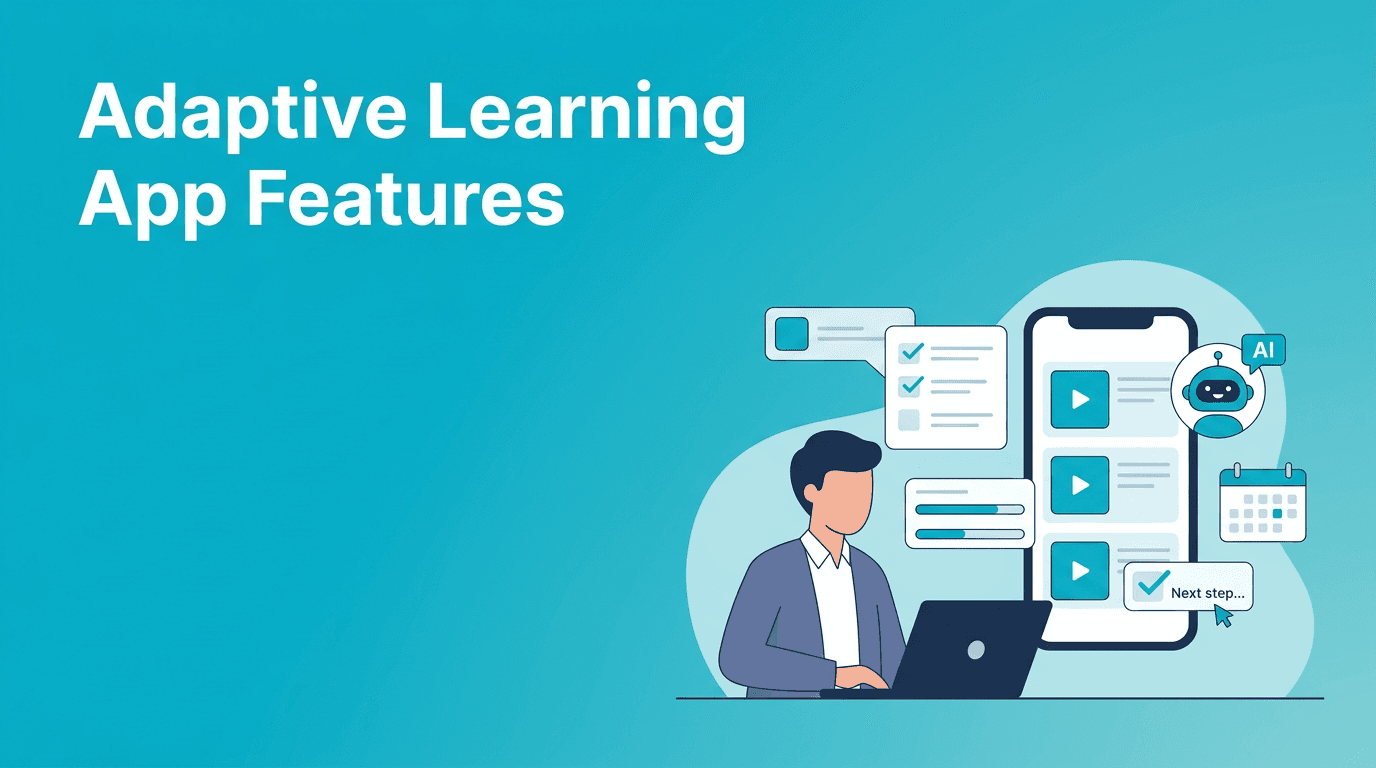
Adaptive Learning Apps: Which App Features Actually Help Busy Professionals Grow?
Adaptive learning apps promise smarter skill-building, but the real advantage comes from the right app features. Here is how busy professionals can choose tools that support consistent growth.
By Haply Team
Haply Editorial Team
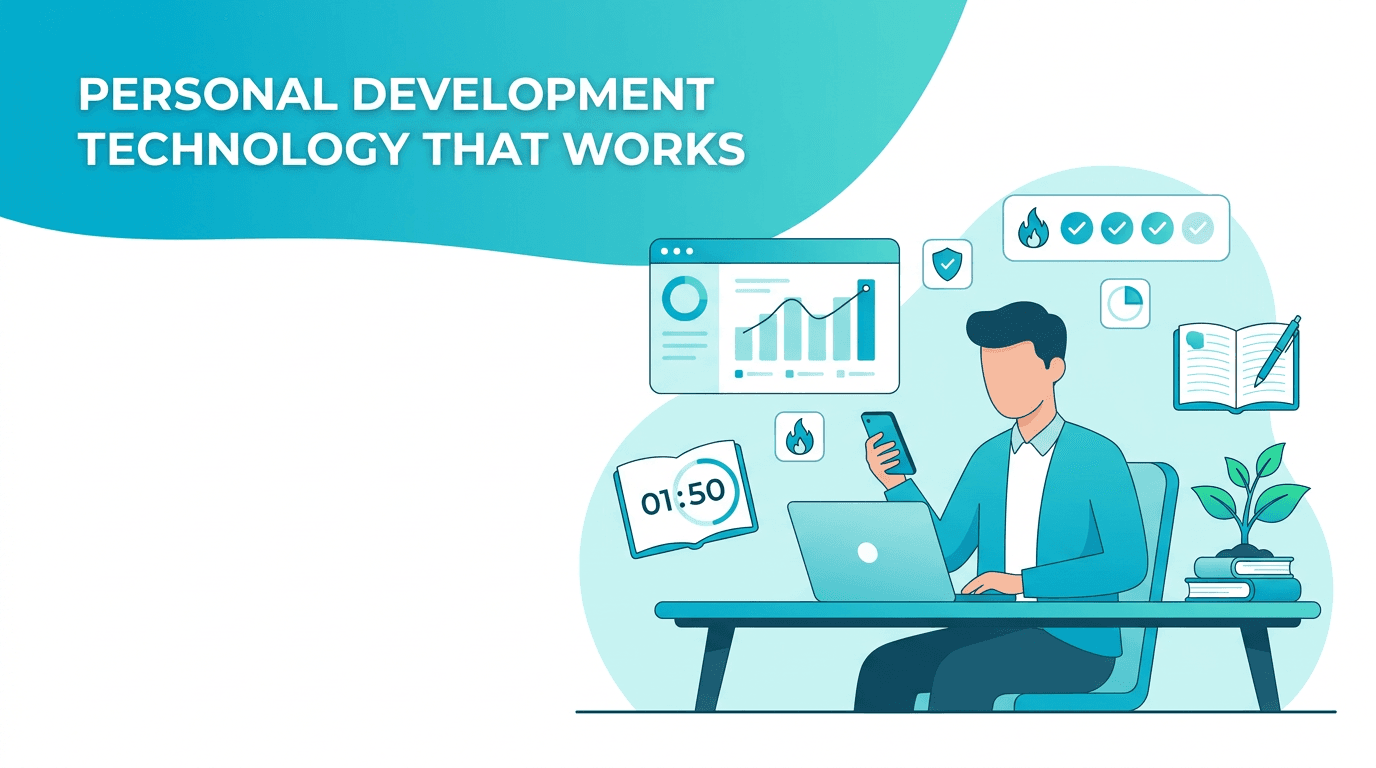
Adaptive learning apps are becoming one of the most useful forms of personal development technology for busy professionals. In a market full of shiny dashboards and endless notifications, the real differentiator is not hype, it is the app features that help you learn consistently, reflect quickly, and apply insights in real life.
Why adaptive learning apps are having a moment
One of the biggest tech trends in self-improvement is the shift from static content libraries to responsive systems that adjust to your behavior. Instead of expecting users to fit a rigid curriculum, adaptive learning apps can tailor pacing, reminders, recommendations, and coaching prompts around your actual schedule and goals.
This matters because professionals rarely fail at growth due to lack of ambition. They usually fail because their tools create too much friction. The best platforms reduce setup time, surface the next useful action, and make progress visible in small wins.
"The best learning tool is not the one with the most content. It is the one that makes the next right step obvious."
The app features that actually improve follow-through
1. Personalized onboarding that narrows your focus
A strong start matters. If an app asks you to choose a goal, preferred schedule, skill level, and motivation style during onboarding, it can create a more relevant path from day one. This is one area where personal development technology has matured fast. Good onboarding reduces overwhelm and increases commitment.
2. Short coaching loops instead of giant lesson libraries
Many users do not need more information. They need better timing. Apps that combine learning with reflection, check-ins, and micro-actions tend to outperform platforms that simply store courses. This is also why some AI coaching apps are gaining traction. They can turn a vague intention like "improve communication" into a practical daily prompt or mini-plan.
3. Progress signals that feel meaningful
- Streaks that reward consistency without punishing one missed day
- Milestones tied to completed actions, not just time spent in the app
- Daily dashboards that show what matters today
- Achievements that reinforce momentum and identity change
These app features matter because they translate effort into visible movement. For many professionals, that visibility is what keeps a learning habit alive after the first week.
A practical framework for comparing adaptive learning apps
If you are evaluating new tools, skip the marketing language and score each app on four questions:
- Does it help me decide what to do next in under 30 seconds?
- Can it adapt to my real schedule, not my ideal one?
- Does it combine learning with action and reflection?
- Will I still want to use it after the novelty wears off?
This framework is more useful than comparing raw content volume. In fact, one of the quieter tech trends is that smaller, more integrated tools are often outperforming bloated all-in-one platforms for habit-forming use cases.
Where Haply fits in
Haply is not just a content app. It is an AI life coaching app for iOS and Android that combines personalized coaching, habit support, and practical mini-tools in one place. For users who want learning to connect directly with behavior change, Haply stands out with goal-based onboarding, specialized AI coaches across areas like Productivity, Career, Learning, and Wellness, plus tools like a Focus Timer, Task Planner, and habit tracking with reminders.
Compared with many AI coaching apps that focus only on chat, Haply is more actionable because it links conversation to follow-through. You are not just getting advice, you are getting a structure for doing something with it.
Build a smarter growth system
If you want an app that combines coaching, habit support, and practical daily tools, Haply offers a flexible way to turn insight into action.
Try Haply FreeHow to use adaptive learning apps without burning out
Even the best adaptive learning apps can become distracting if you overload your stack. A better approach is to assign each tool one clear role.
- Use one app for coaching and reflection
- Use one app for deep work or focus sessions
- Use one app for knowledge storage, if needed
- Review your setup every 2 weeks and remove anything you are not using
This keeps your personal development technology ecosystem lean. The goal is not to install more apps. The goal is to create better feedback loops.
What this means for the future of personal growth tech
The next wave of tech trends will likely reward tools that are context-aware, lightweight, and behavior-focused. Users are becoming more skeptical of platforms that promise transformation but deliver complexity. The winning products will be the ones that blend intelligence, usability, and motivation into a system people can sustain.
That is why adaptive learning apps are worth watching. At their best, they do more than teach. They help people make progress in the middle of real life.
Frequently Asked Questions
What are adaptive learning apps?
Adaptive learning apps are tools that adjust content, prompts, pacing, or recommendations based on your goals, behavior, or progress. They are designed to make learning more relevant and efficient.
Are adaptive learning apps good for busy professionals?
Yes. The best adaptive learning apps reduce friction by offering short sessions, personalized guidance, and clear next steps that fit into a busy schedule.
How do I choose between AI coaching apps and learning apps?
Choose based on your goal. If you want insight plus behavior change, AI coaching apps may be a better fit. If you want structured skill acquisition, a learning app may work better, or you can use a hybrid tool like Haply.
Which app features matter most for personal development technology?
Look for personalized onboarding, habit tracking, reminders, progress visibility, and tools that connect reflection with action. These features improve consistency more than large content libraries alone.