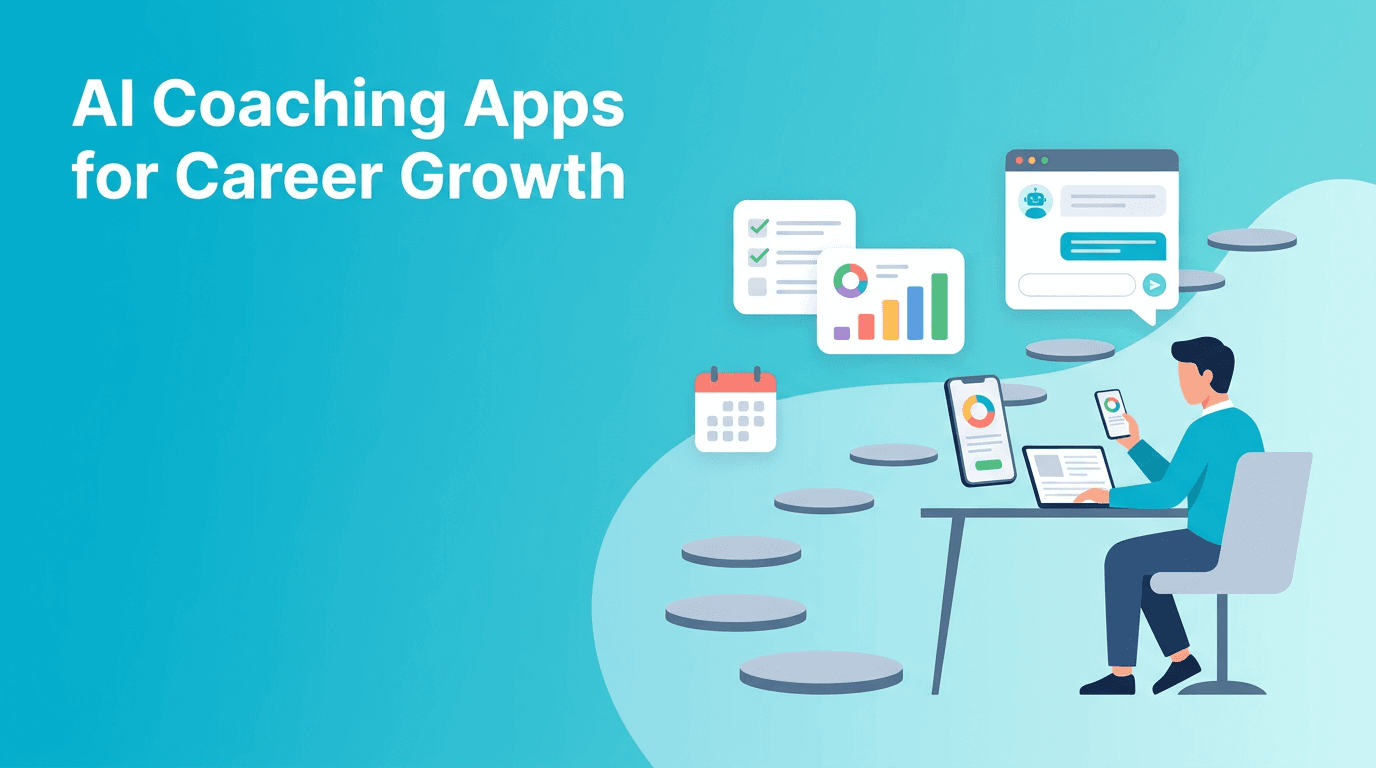
AI Coaching Apps for Career Growth: Which App Features Actually Move You Forward?
AI coaching apps are evolving fast, but not every feature helps your career. Learn which app features truly support growth, focus, and smarter personal development technology.

By Haply Team
Haply Editorial Team
AI coaching apps are no longer just novelty chatbots for motivation. For professionals trying to build better systems, make clearer career decisions, and use personal development technology more intentionally, the real question is simpler: which app features actually create progress?
This guide takes a practical angle. Instead of ranking dozens of tools by hype, we will look at the current tech trends shaping AI coaching and break down the features that genuinely help busy people move from intention to execution.
Why AI coaching apps are becoming part of the modern career stack
The rise of AI coaching apps reflects a wider shift in how professionals build support systems. People want fast feedback, lightweight structure, and tools that fit into the day without needing another meeting. That is where coaching apps can outperform generic productivity software.
- Chat-based guidance lowers the friction of asking for help in the moment.
- Personalized prompts can turn vague stress into specific next steps.
- Habit and goal tracking helps users connect daily actions to long-term outcomes.
- Mini tools inside the app reduce app-switching and keep momentum alive.
- Data-driven reflection makes it easier to see patterns in work, energy, and focus.
"The best technology for personal growth does not just inform you. It helps you act when motivation is low."
The app features that matter more than flashy AI
1. Goal-based onboarding
One of the strongest app features in modern coaching tools is goal-based onboarding. If an app asks what you want to improve, such as focus, confidence, leadership, learning, or work-life balance, it can tailor suggestions from day one. This is one of the clearest signals that a tool understands personal development technology as a system, not just a chatbot.
2. Structured coaching, not endless chatting
Many AI coaching apps offer open-ended conversation, but structure is what creates results. Look for guided sessions, weekly check-ins, action plans, and follow-up prompts. Without that framework, the experience can feel smart but forgettable.
3. Built-in execution tools
Advice is useful. Execution is better. The most effective app features are the ones that help you immediately act on insight. A focus timer, task planner, journaling prompt, breathing exercise, or simple habit tracker can turn reflection into behavior within minutes.
4. Progress visibility
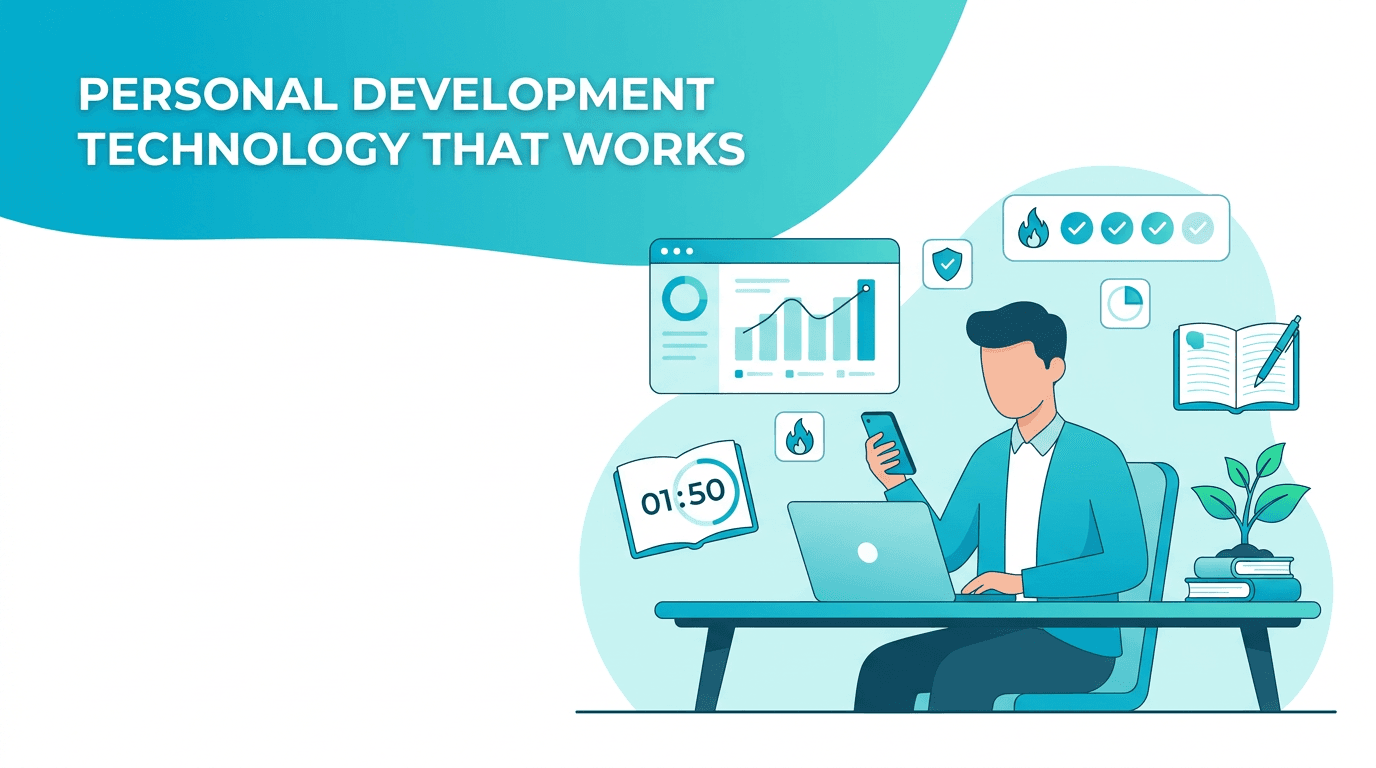
Professionals respond well to clear feedback loops. Progress dashboards, streaks, milestones, and achievement systems can be surprisingly useful when they are tied to meaningful goals. This is one of the biggest tech trends in coaching design, making growth feel measurable instead of abstract.
How Haply fits into this new wave of personal development technology
Haply is a strong example of how AI coaching apps are becoming more practical. Available on iOS and Android, it combines chat-based coaching with specialized AI coaches across productivity, wellness, career, learning, finance, creativity, and relationships.
What stands out is how its app features support follow-through. Users get a personalized onboarding flow, a Today Dashboard for daily clarity, habit tracking with streaks and reminders, and mini-apps like a Focus Timer, Task Planner, Meditation/Breathe, Sleep Stories, Budget Tracker, and Idea Board. That makes it useful for professionals who want one ecosystem instead of a patchwork of disconnected tools.
- Best for integrated support: Haply combines coaching and action tools in one app.
- Best for specialization: Different AI coaches help users focus on a specific life area.
- Best for daily momentum: The Today Dashboard and reminders reduce decision fatigue.
- Best for behavior change: Streaks, goals, and mini-apps make insights easier to apply.
Want one app that turns coaching into action?
Haply gives you AI coaching, habit support, and practical mini-tools for daily growth, all in one personalized experience.
Try Haply FreeA simple framework for comparing AI coaching apps
If you are evaluating tools this month, use this filter before downloading anything new.
- Does it personalize quickly? If setup is generic, results often are too.
- Does it create action steps? Good coaching should end with a next move.
- Does it support consistency? Reminders, streaks, and dashboards matter.
- Does it reduce tool sprawl? More features are useful only if they replace other apps.
- Does it fit your actual goals? Career growth, focus, stress, and learning need different support.
Tech trends to watch in AI coaching apps
The next phase of AI coaching apps will likely be less about novelty and more about precision. Expect better context awareness, smarter daily recommendations, and tighter integration between coaching conversations and behavioral tools.
- Context-aware suggestions based on time, patterns, and recent goals.
- Multi-area coaching ecosystems that connect work, wellness, money, and learning.
- Smarter micro-interventions such as one-minute resets before meetings or focused planning prompts.
- Adaptive journeys that change as your priorities evolve.
- More transparent app features that show why the app is suggesting a certain step.
For users, the takeaway is practical: choose personal development technology that helps you do fewer things better, not more things poorly.
Final takeaway
The smartest way to evaluate AI coaching apps is not to ask which one sounds the most advanced. Ask which one helps you think clearly, act consistently, and build momentum in real life. In a crowded market full of bold promises, the winning app features are still the simplest ones: personalization, structure, execution tools, and visible progress.
Frequently Asked Questions
What are AI coaching apps used for?
AI coaching apps help users improve areas like productivity, career growth, wellness, habits, and decision-making through personalized guidance and tracking tools.
Which app features matter most in AI coaching apps?
The most useful app features include goal-based onboarding, structured coaching sessions, habit tracking, reminders, progress dashboards, and built-in action tools like planners or focus timers.
Are AI coaching apps worth it for professionals?
Yes, especially for professionals who want flexible support between meetings. The best apps reduce friction, personalize advice, and make it easier to follow through daily.
How is personal development technology changing in 2025?
Current tech trends point toward more personalized, context-aware tools that combine coaching, tracking, and micro-actions in one place for smoother daily growth.