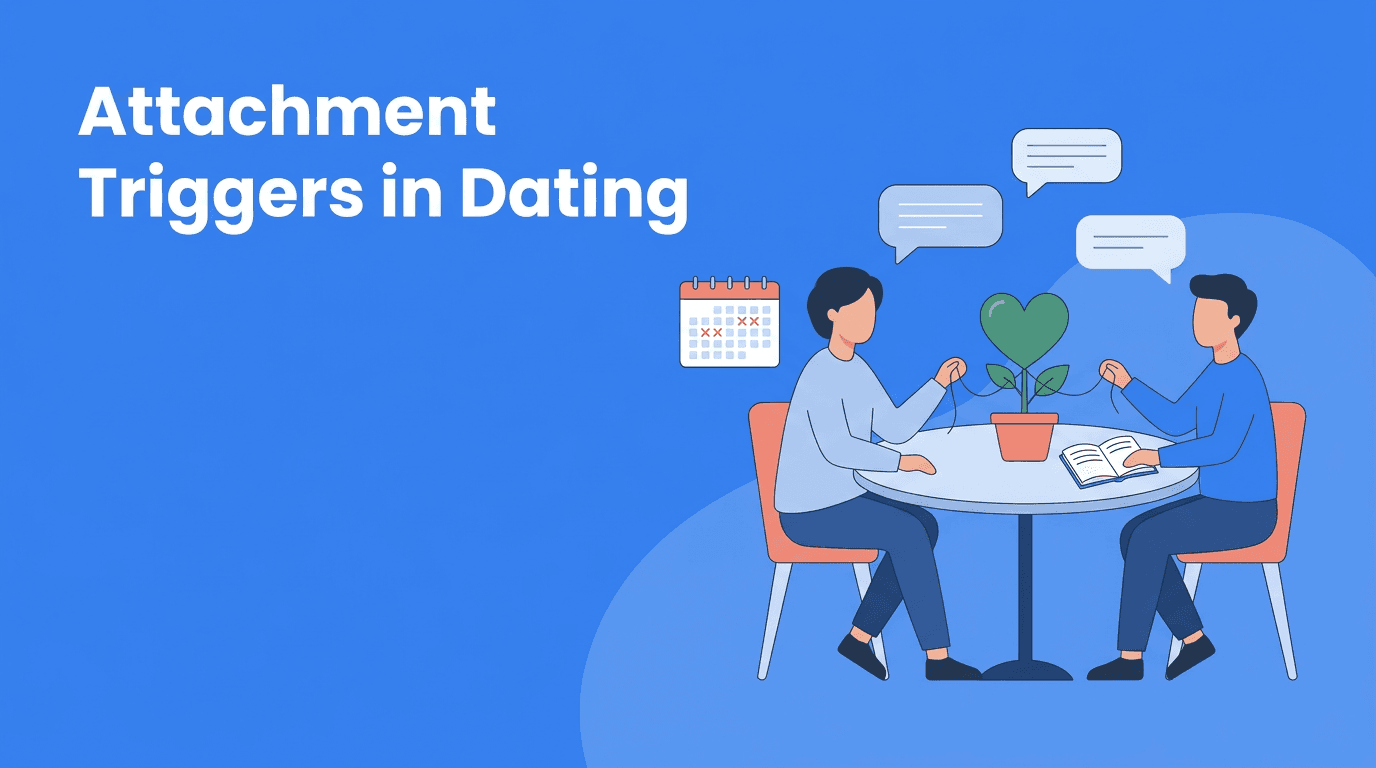
Attachment Triggers in Dating: How Couples Can Build Safer Intimacy
Attachment triggers in dating can quietly shape a romantic relationship. Learn how couples can spot patterns, communicate better, and build deeper intimacy in partnership.

By Haply Team
Haply Editorial Team
If you keep having outsized reactions in dating or a romantic relationship, you may be dealing with attachment triggers rather than simple incompatibility. These moments can affect couples, disrupt intimacy, and make a promising partnership feel confusing fast. The good news is that once you can spot the pattern, you can respond with more clarity, self-respect, and connection.
Why attachment triggers matter in a romantic relationship
Attachment triggers are emotional alarms that go off when something reminds you of rejection, inconsistency, criticism, or abandonment. In a new dating situation, a delayed text, mixed signals, or a change in tone can feel much bigger than the event itself. For many couples, the issue is not just what happened, but what the nervous system thinks it means.
- You panic when someone needs space, and assume they are pulling away
- You shut down after small conflict because vulnerability feels unsafe
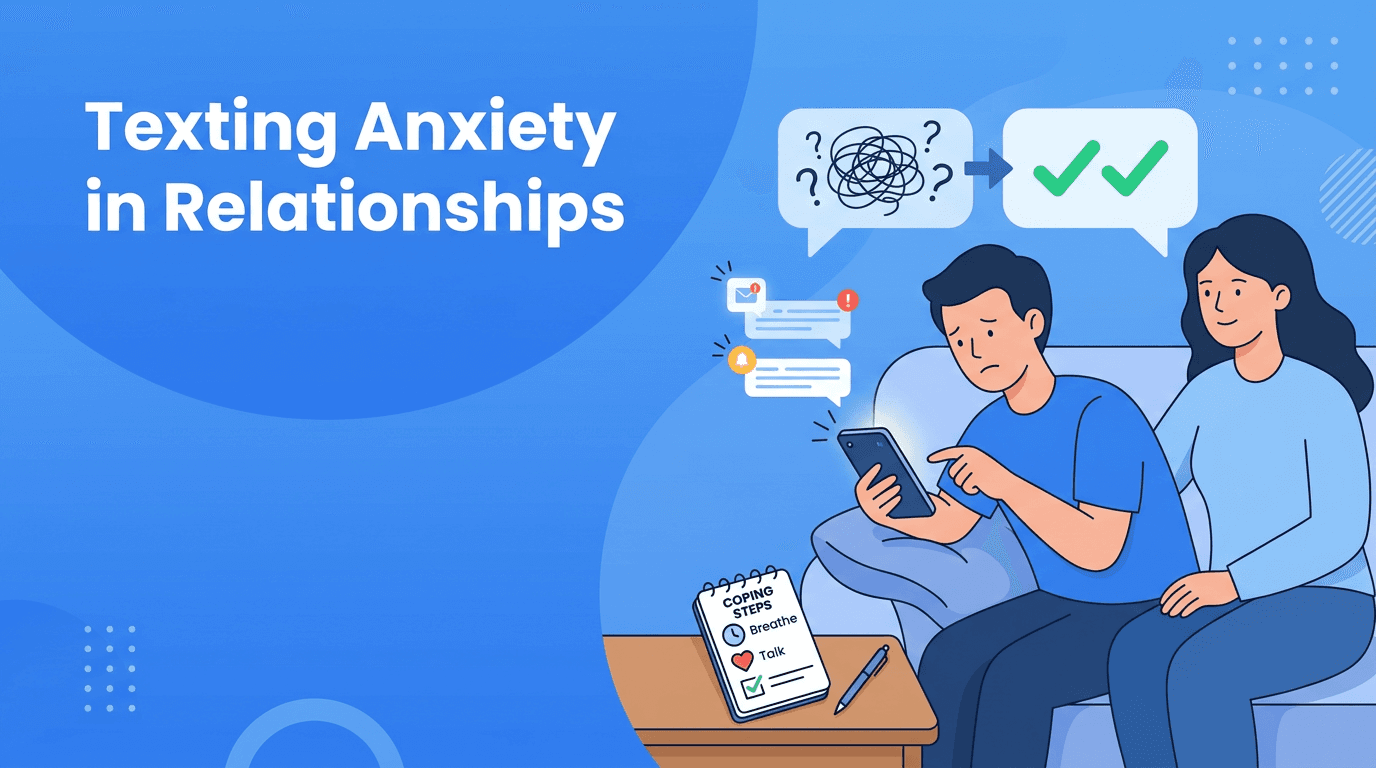
- You overanalyze messages, plans, or social media for signs of disinterest
- You confuse intense uncertainty with chemistry or deep compatibility
"Awareness turns relationship confusion into a pattern you can actually work with."
What attachment triggers look like while dating
In dating, attachment patterns often show up before labels do. You might feel extremely invested after a few good dates, or strangely detached when someone is consistently kind. This does not mean your feelings are fake. It means your history may be shaping how closeness, risk, and safety register in your body.
Common situations that activate old patterns
- A partner takes longer than usual to reply
- Plans change at the last minute
- A difficult conversation brings up fear of being too much
- Physical closeness increases faster than emotional trust
- Your preferred love languages do not match, so care gets missed
This last point matters more than people think. Love languages can help you understand how you give and receive care, but they are not a cure-all. If someone offers affection in a way you do not easily register, your trigger may say, "I am not important," even when the other person is genuinely trying.
A 4-step reset for couples and new partners
1. Name the trigger before naming the problem
Try saying, "I think I am feeling activated right now, and I want to understand it before I assume the worst." This slows the spiral and keeps attachment triggers from becoming accusations. In a healthy partnership, naming your internal state is often more useful than launching into blame.
2. Separate facts from story
Write down what actually happened, then write the meaning you attached to it. For example: "They canceled dinner" is a fact. "They do not care about me" is the story. This simple practice protects intimacy because it reduces mind reading and opens the door to honest conversation.
3. Ask for reassurance clearly
Many people hope their partner will just know what they need. But secure connection usually grows through direct requests. Ask for one concrete thing: a check-in text, clarity about plans, a hug after conflict, or verbal reassurance. This is where couples often improve quickly, because vague hurt becomes actionable.
4. Build rituals that create safety
Small rituals matter more than grand gestures. A weekly planning chat, a goodnight text, or five minutes to reconnect after work can reduce uncertainty and support a steadier romantic relationship. Real safety is built through repetition, not guesswork.
Need help understanding your relationship patterns?
Haply offers AI life coaching on iOS and Android, including Relationships coaches that help you unpack triggers, improve communication, and build healthier habits with daily support.
Try Haply FreeHow to talk about triggers without killing the mood
A lot of people worry that discussing emotional patterns will make dating feel heavy. In reality, the right conversation often creates more ease. You do not need a dramatic disclosure. You need a simple, grounded explanation of what helps you feel safe.
- "When plans change suddenly, I get a little anxious. A quick heads-up helps me stay grounded."
- "I sometimes need direct reassurance instead of guessing what you mean."
- "Physical closeness matters to me, but emotional consistency builds trust first."
- "One of my love languages is words of affirmation, so verbal warmth really lands for me."
These statements support intimacy because they reveal your inner world without making the other person responsible for fixing everything. They also help a partnership feel more collaborative and less reactive.
When attachment triggers point to a mismatch
Not every trigger means you need to heal harder and stay longer. Sometimes your body is reacting because the dynamic is actually inconsistent, dismissive, or unclear. If someone repeatedly avoids accountability, withholds affection, or keeps you guessing, your distress may be information, not overreaction.
- Your needs are mocked or minimized
- You feel calmer when you step back, not closer when you reconnect
- Conflict never leads to repair or understanding
- The relationship depends on you ignoring your own boundaries
Healthy couples work on patterns together. You should not have to earn basic clarity, respect, or care. The goal is not to become untriggerable. The goal is to create a partnership where honesty, responsiveness, and mutual effort are normal.
Use support tools to practice secure intimacy
Change is easier when you practice between hard moments. Journaling after dates, tracking recurring emotional patterns, and setting communication goals can help you respond differently over time. With Haply, you can use chat-based coaching, habit tracking, reminders, and the Today Dashboard to stay consistent as you build healthier relationship habits.
Frequently Asked Questions
What are attachment triggers in dating?
Attachment triggers are emotional reactions tied to fears like rejection, abandonment, or criticism. In dating, they often show up around texting, plans, conflict, or uncertainty.
Can attachment triggers affect intimacy in a romantic relationship?
Yes. Attachment triggers can make closeness feel unsafe, leading to anxiety, withdrawal, or conflict that disrupts intimacy and trust.
How do couples handle attachment triggers better?
Couples can name the trigger, separate facts from assumptions, ask for specific reassurance, and build consistent rituals that create safety.
Are love languages enough to fix relationship triggers?
No. Love languages can improve understanding, but deeper triggers often need self-awareness, clear communication, and consistent behavior changes from both partners.