The Body Scan for Stress: A Mindful Way to Build Emotional Awareness
A simple body scan can strengthen emotional awareness, help you notice feelings earlier, and support better emotional intelligence in daily life. Learn how to start today.

By Haply Team
Haply Editorial Team
Most people do not miss their feelings because they do not care. They miss them because emotions often show up in the body before they become clear thoughts. That is why emotional awareness can feel hard in busy daily life. A simple body scan gives you a practical way to notice stress, tension, and subtle emotional shifts before they spill into your mood, choices, or relationships.
If you want stronger self-awareness, better emotional intelligence, and a calmer response to everyday pressure, this practice is a gentle place to begin. You do not need a perfect meditation routine. You only need a few quiet minutes and a willingness to listen inward.
Why the body matters in emotional awareness
We often treat emotions like mental events only, but many emotions announce themselves physically first. Anxiety may feel like a tight chest. Frustration may clench your jaw. Sadness may feel heavy in your shoulders. Relief may soften your belly. When you learn to notice these signals, emotional awareness becomes less abstract and more immediate.
- Tension can point to stress or unspoken fear.
- A racing heart may signal worry, excitement, or overstimulation.
- A sinking feeling can reveal disappointment before you name it.
- Warmth, softness, or ease may reflect safety, connection, or contentment.
"You cannot care for a feeling you have not yet noticed."
What is a body scan meditation?
A body scan meditation is a mindfulness practice where you move your attention slowly through different areas of the body and simply observe sensations. You are not trying to change anything right away. You are learning to notice what is present. This skill supports emotional intelligence because it helps you recognize internal cues before reacting automatically.
What you might notice during a scan
- Tightness in the neck, jaw, chest, or stomach
- Temperature changes like warmth or coolness
- A sense of heaviness, buzzing, pressure, or restlessness
- An urge to move, shut down, cry, or take a deep breath
- Words that match the sensation, such as overwhelmed, irritated, lonely, safe, or hopeful
A 5-minute body scan for noticing feelings
Try this short practice once a day, especially before work, after a hard conversation, or when your mood feels off and you are not sure why. This is where emotional awareness becomes a lived skill, not just a concept.
- Find a comfortable position sitting or lying down. Let your hands rest easily.
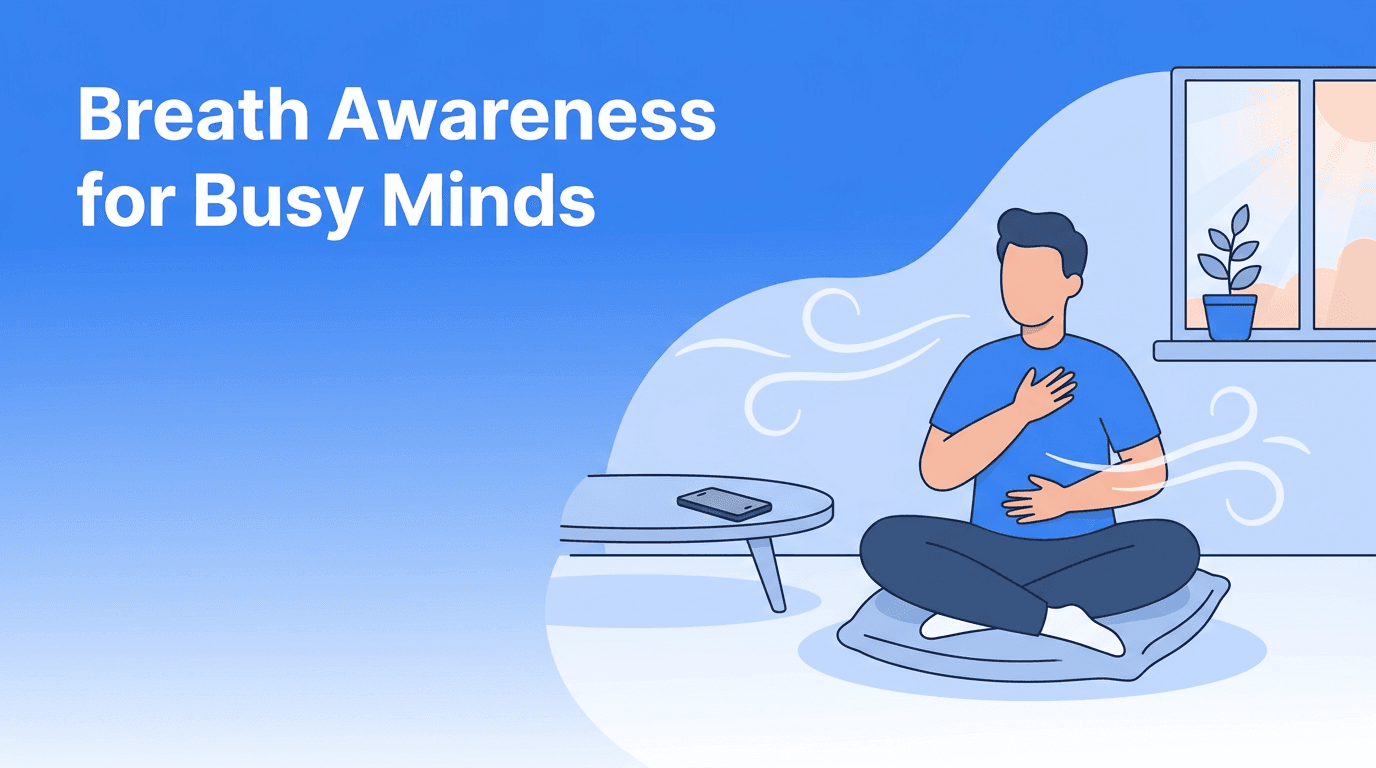
- Take one slow breath in and a longer breath out.
- Bring attention to your forehead, jaw, and throat. Ask, "What am I holding here?"
- Move to your shoulders and chest. Notice pressure, openness, tightness, or fluttering.
- Bring awareness to your stomach and belly. Ask, "What feeling might live here right now?"
- Notice your hands, legs, and feet. Is there restlessness, numbness, or steadiness?
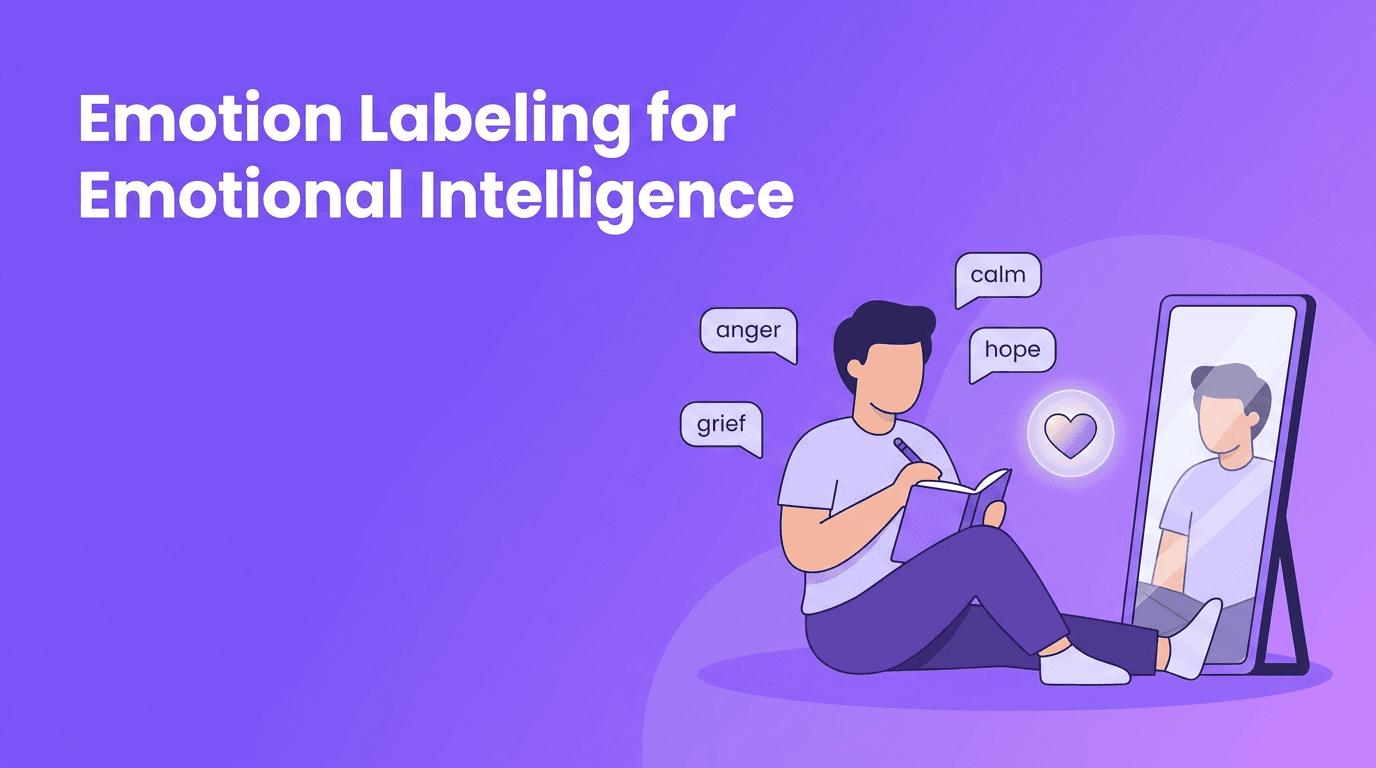
- Name what you notice with simple language: tense, calm, guarded, sad, activated, tired.
- Finish by asking, "What do I need next?" Maybe it is water, movement, rest, a boundary, or a conversation.
Want guided support for emotional check-ins?
Haply is an AI life coaching app with Wellness coaches, chat-based support, and a Meditation/Breathe mini-app that can help you build a simple daily mindfulness routine. You can also use reminders and streaks to stay consistent.
Try Haply FreeHow this practice builds emotional intelligence
Emotional intelligence is not just about saying the right thing in a hard moment. It starts with recognizing what is happening inside you. A body scan trains that recognition. The sooner you notice the early signs of stress, shame, anger, or fatigue, the more choices you have about how to respond.
- You pause before reacting, which improves self-awareness.
- You identify feelings more accurately instead of saying only "I am stressed."
- You respond to needs earlier, before resentment or burnout grows.
- You communicate more clearly because you understand your inner state better.
A useful reframe
The goal is not to become perfectly calm all the time. The goal is to become more honest and skillful with your inner experience. That is the heart of emotional awareness.
Common mistakes when starting a body scan
- Expecting instant peace. Sometimes you notice discomfort first, and that is still progress.
- Judging sensations as bad. Try describing what you feel before interpreting it.
- Forcing a specific emotion label too quickly. Stay curious if the answer is unclear.
- Using the practice only in crisis. It works best when done regularly, even on ordinary days.
How to make body scans part of intentional living
Intentional living is not only about routines, planners, or morning habits. It is also about making space to hear yourself clearly. A brief body scan can become a small daily ritual that keeps you connected to your emotions before the day pulls you away from them.
- Do a one-minute scan before opening your phone in the morning.
- Pause after meetings or social events and ask what your body is saying.
- Use a journal to write one sentence after each scan: I notice...
- Pair the practice with an existing habit like tea, stretching, or bedtime.
When a body scan feels difficult
For some people, slowing down can feel uncomfortable at first. That does not mean you are doing it wrong. If strong feelings come up, shorten the practice, keep your eyes open, or place a hand on your chest for grounding. If you have a trauma history, you may prefer guided support and gentler pacing.
You are allowed to go slowly. Mindfulness is not a performance. It is a relationship with your own experience, built one honest moment at a time.
Frequently Asked Questions
How does a body scan improve emotional awareness?
A body scan helps you notice physical signs of emotions, such as tightness, heaviness, or restlessness, before they become overwhelming. This makes it easier to name and respond to feelings earlier.
Is body scan meditation good for emotional intelligence?
Yes. Body scan meditation strengthens self-awareness, which is a core part of emotional intelligence. When you notice internal signals sooner, you can choose calmer and clearer responses.
How long should I do a body scan meditation?
Even 3 to 5 minutes can help. The key is consistency rather than length, especially if you are building the habit for the first time.
What if I cannot identify my feelings during a body scan?
Start with physical sensations instead of emotion labels. Noticing "tight chest" or "heavy shoulders" is already useful and often leads to clearer emotional understanding over time.