Screen Time Anxiety: A Mindful Plan for Intentional Tech Use
Screen time anxiety can quietly fuel FOMO, overwhelm, and compulsive scrolling. Learn a mindful, practical plan for intentional tech use that feels realistic.

By Haply Team
Haply Editorial Team
Screen time anxiety is not always dramatic. Sometimes it looks like checking your phone before your eyes are fully open, feeling a jolt when notifications pile up, or reaching for a screen the second a quiet moment appears. If you want more peace without doing a harsh digital detox, a mindful approach to intentional tech use can help.
Why screen time anxiety feels so sticky
Phones are useful, social, entertaining, and deeply woven into daily life. That is exactly why screen time anxiety can be confusing. You may rely on your device for work, directions, messages, and breaks, yet still feel drained by it. The issue is often not technology itself, but the automatic way we use it.
- FOMO keeps you checking for updates so you do not miss news, invitations, or trends.
- Short bursts of scrolling train your brain to expect constant novelty.
- Notifications interrupt attention, making calm feel unfamiliar.
- Stress can turn screens into a quick escape, which reinforces the habit loop behind phone addiction patterns.
"The goal is not to use technology less at all costs. The goal is to use it with more awareness, choice, and self-respect."
The mindful alternative to a strict digital detox
A full digital detox can be helpful for some people, but it is not the only path. Many people do better with a gentler reset that focuses on noticing triggers, changing cues, and building small rituals. Think of it less as punishment and more as retraining attention.
Start with one honest audit
For two or three days, notice when you pick up your phone and why. Are you bored, avoiding a task, seeking comfort, or responding to real need? This quick audit turns vague guilt into useful data. It also reveals where screen time anxiety shows up most often, such as mornings, work transitions, or bedtime.
- Write down your top 3 high-risk moments for mindless scrolling.
- Notice which apps trigger comparison, urgency, or emotional overload.
- Track how you feel before and after each scrolling session.
- Identify one app that supports your life and one that consistently drains it.
A 4-step reset for intentional tech use
1. Friction beats willpower
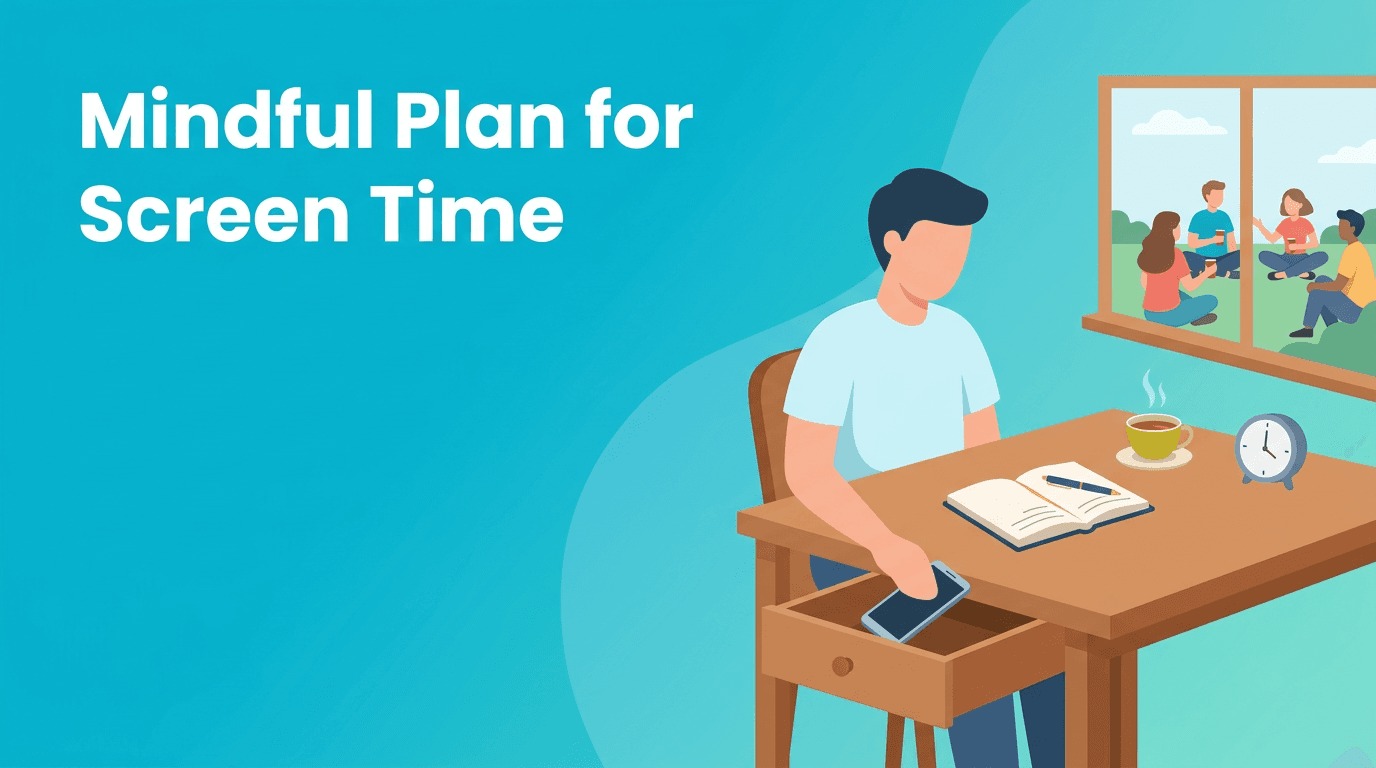
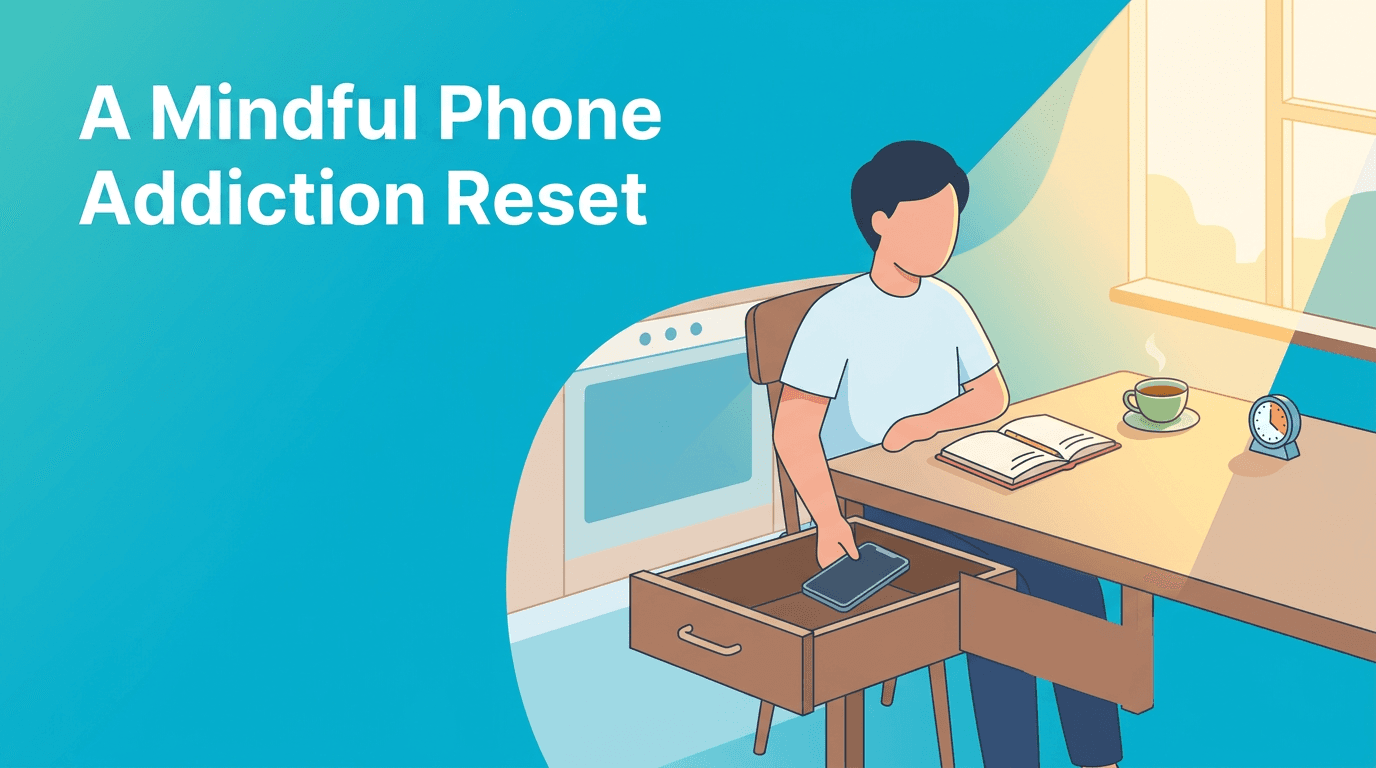
If you are trying to reduce compulsive checking, create small obstacles. Move distracting apps off your home screen, log out after each use, or charge your phone outside the bedroom. These tiny changes reduce reflexive behavior better than relying on motivation alone.
2. Replace the scroll, do not just remove it
Every habit serves a purpose. If scrolling gives you stimulation, comfort, or relief, choose a simple substitute. Try stretching, a short breathing exercise, making tea, stepping outside, or writing one sentence in a journal. This is how intentional tech use becomes sustainable.
3. Create phone-free anchors
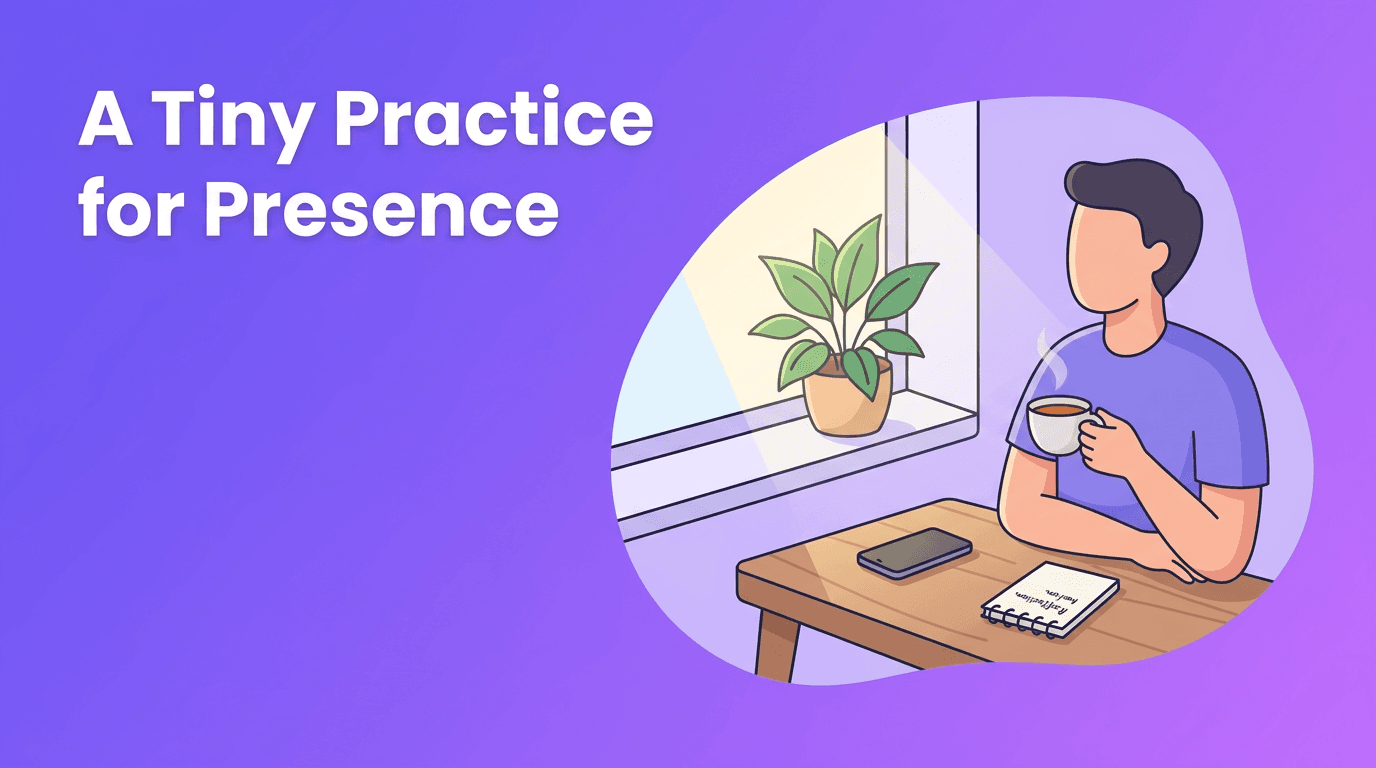
Pick two parts of your day that stay screen-light. Good options include the first 20 minutes after waking, meals, conversations, and the last 30 minutes before sleep. These anchors protect your attention and reduce the feeling that your mind is always on call.
4. Calm the nervous system
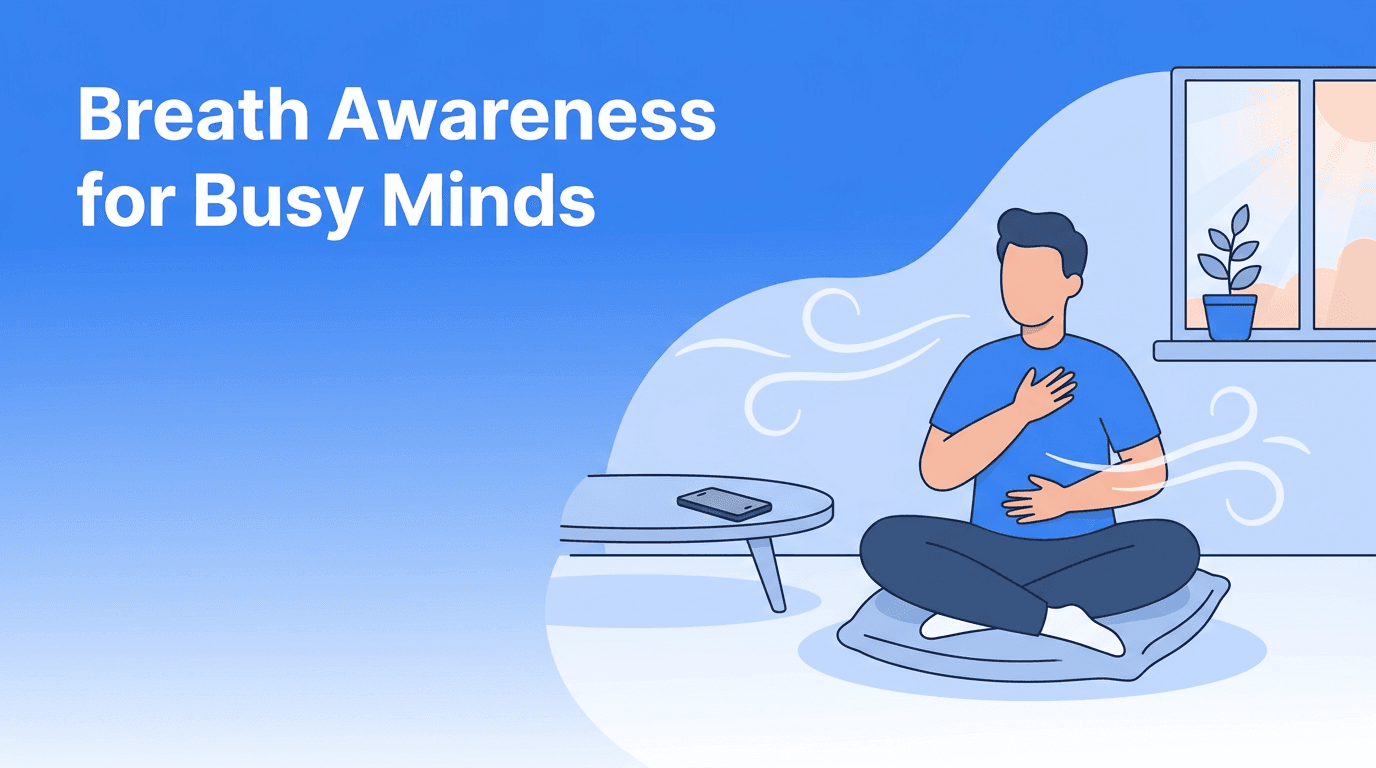
A lot of screen time anxiety is really nervous system overload. When your brain feels overstimulated, reaching for your phone can become automatic. A 60-second breathing practice, a longer exhale, or a brief body scan can lower that urgency enough to make a different choice.
How to handle FOMO without going offline forever
FOMO often fades when you reconnect with what matters more than constant updates. Ask yourself: what do I actually want to feel when I open this app? Connected, informed, entertained, included? Then find a more direct way to meet that need.
- If you want connection, text one friend directly instead of browsing everyone.
- If you want inspiration, save one high-quality source and ignore the rest.
- If you want rest, choose a calming activity instead of doomscrolling.
- If you want to break phone addiction cycles, delay each nonessential check by 10 minutes.
Want support building healthier screen habits?
Haply is an AI life coaching app for iOS and Android that can help you practice intentional tech use with personalized Wellness coaching, habit tracking, daily reminders, and guided breathing tools. The Meditation/Breathe mini-app is especially helpful when the urge to check your phone feels automatic.
Try Haply FreeA realistic evening ritual to reduce screen time
If your hardest moment is nighttime scrolling, keep the reset simple. Set a cutoff time for stimulating apps, lower the lights, and choose one soothing activity that signals closure. This might be reading two pages, stretching for five minutes, or using a guided breathing session.
- Put your charger outside arm's reach.
- Turn off nonessential notifications after a set hour.
- Use a paper notebook to capture late-night thoughts.
- Try Haply's Meditation/Breathe mini-app instead of opening social media.
Progress matters more than perfection
You do not need a perfect digital detox to feel better. A healthier relationship with technology usually comes from repeated small choices, not dramatic vows. When you notice screen time anxiety, treat it as information, not failure. Awareness is the first step toward freedom.
Frequently Asked Questions
What is screen time anxiety?
Screen time anxiety is the stress, restlessness, or mental overload that can come from constant phone checking, notifications, and excessive time on screens.
How can I reduce screen time without doing a full digital detox?
Start with small changes like removing distracting apps from your home screen, creating phone-free times, and replacing scrolling with another calming habit.
Does FOMO make phone addiction worse?
Yes, FOMO can reinforce compulsive checking because it creates the fear that something important is happening without you. Reducing triggers and building intentional habits can help.
What is intentional tech use?
Intentional tech use means using your phone and apps on purpose, based on your values and needs, instead of reacting automatically to boredom, stress, or notifications.