The Letting Go Ritual: A Philosophy of Acceptance in Uncertain Times
The letting go ritual offers a grounded path to acceptance, forgiveness, and inner peace when life feels uncertain. Learn a practical reflective practice for meeting change with wisdom.


By Haply Team
Haply Editorial Team
Letting go is one of those phrases people repeat easily and live only with difficulty. We are told to release the past, loosen our grip, and trust life. But when loss, disappointment, or uncertainty arrives, the mind does the opposite. It clings. This is why a true letting go practice is not passive. It is a deliberate act of acceptance, a small form of forgiveness, and a quiet philosophy for finding inner peace without pretending that pain is simple.
Why letting go feels harder than it sounds
We often confuse letting go with giving up. In reality, they are not the same. Giving up says, "Nothing matters." Letting go says, "I cannot control everything, but I can choose how I relate to it." The distinction matters. One collapses meaning. The other refines it.
From a philosophical view, suffering often increases when we demand permanence from a changing world. Relationships change. Roles end. Plans fail. Bodies age. Identities evolve. Acceptance begins when we stop negotiating with reality long enough to see it clearly.
"Peace comes not from controlling the river, but from learning how to stand within its current."
A simple letting go ritual for days of uncertainty
If you are moving through grief, transition, regret, or confusion, this ritual can help. It combines mindfulness, reflection, and symbolic action. You do not need perfect calm. You only need honesty.
Step 1: Name what you are still holding
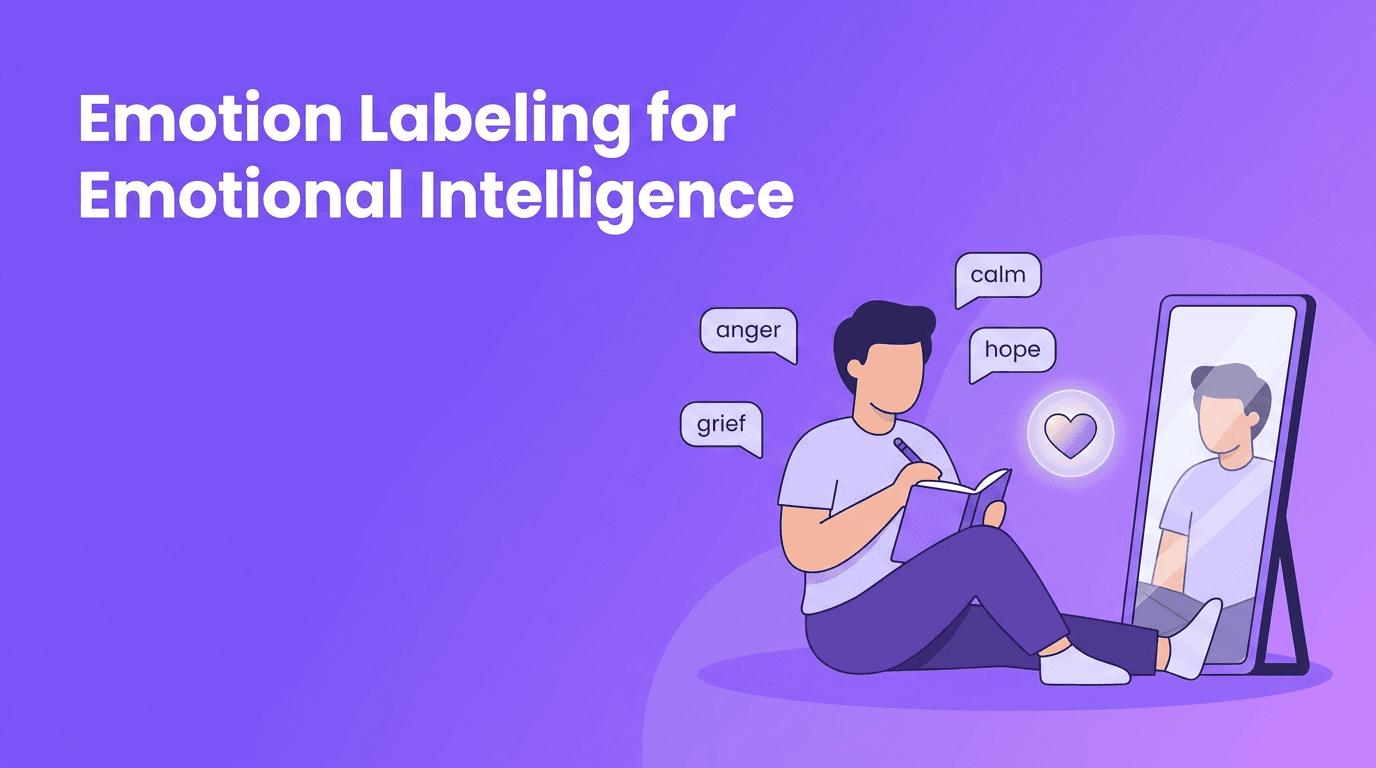
Take a sheet of paper and write one sentence that begins with: "I am still holding..." Be specific. It might be a resentment, a version of yourself, an apology you never received, or a future that did not happen. Naming creates distance. Distance creates choice.
Step 2: Ask what the grip is costing you
- Write down how this attachment affects your sleep, mood, attention, or relationships.
- Notice whether holding on gives you a sense of identity, even if it also brings pain.
- Ask: "What would soften in me if I stopped rehearsing this story every day?"
Step 3: Practice acceptance without approval
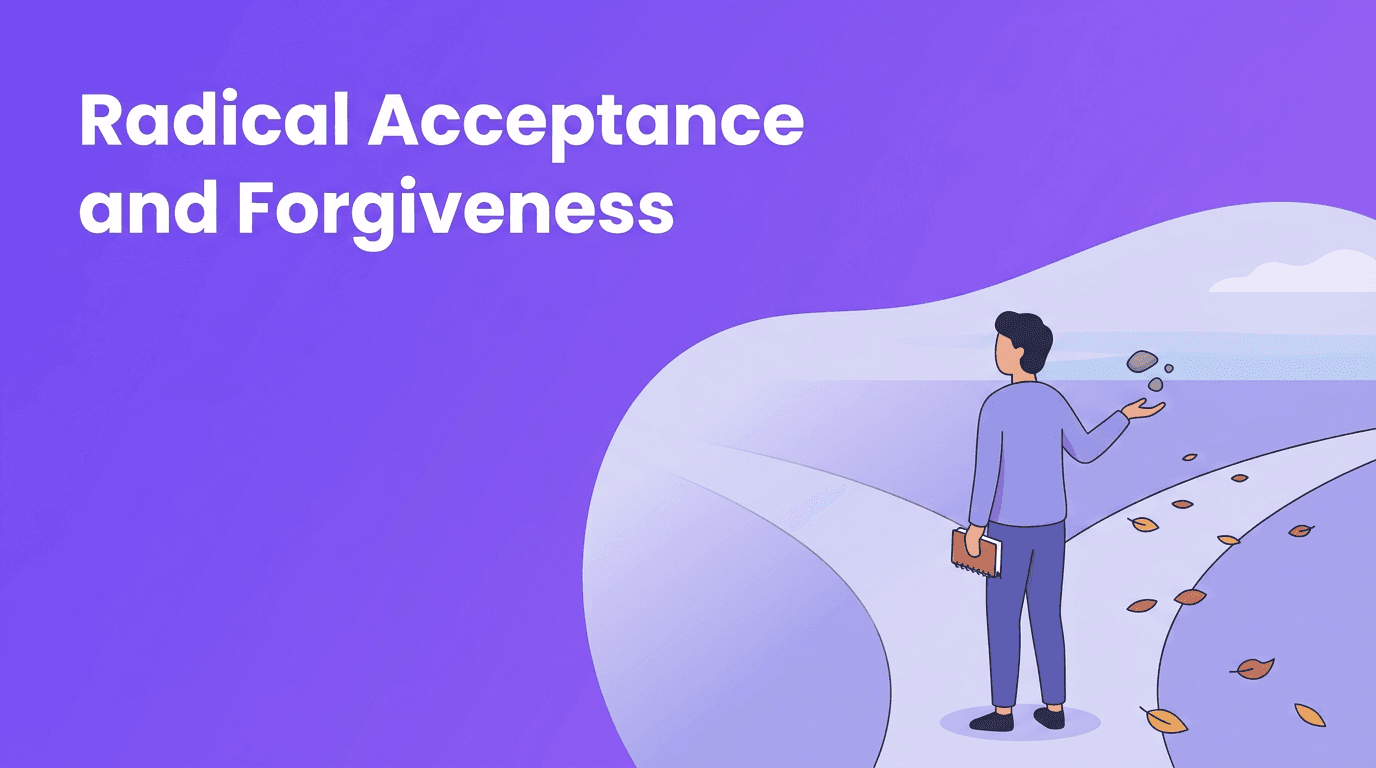
This step is subtle and powerful. Acceptance does not mean what happened was fair, good, or deserved. It means you stop spending all your energy arguing with the fact that it happened. You move from resistance to relationship. This is where inner peace first becomes possible.
Step 4: Try a forgiveness statement
Forgiveness is often misunderstood as reconciliation or forgetting. It can simply mean releasing your nervous system from a cycle of repetition. Say quietly: "I may not be ready to forgive completely, but I am willing to stop feeding this wound today." That willingness is enough for one moment.
Step 5: Use a physical gesture of release
- Fold the paper and place it in a box labeled "No longer carrying."
- Tear it into small pieces and discard it mindfully.
- Hold a stone while breathing slowly, then set it down as a symbol of release.
- If safe and meaningful for you, place the note in water and watch it drift away.
The philosophy behind the practice
Many wisdom traditions agree on a difficult truth: peace grows when we stop trying to possess what was never fully ours to control. Stoic thought reminds us to separate what is up to us from what is not. Mindfulness teaches us to witness thoughts without becoming them. Both point toward the same freedom. We suffer less when we loosen identification with what changes.
This does not make life cold or detached. It makes love cleaner. You can care deeply without gripping desperately. You can remember without living inside memory. You can honor what mattered and still move forward.
Need support while practicing letting go?
Haply offers chat-based AI coaching, guided wellness support, habit tracking, and a Meditation/Breathe mini-app to help you build steadier rituals for change, healing, and self-reflection.
Try Haply FreeHow to make letting go a weekly habit
- Set aside 10 minutes each week for a personal release ritual.
- Use a journal prompt like: "What am I trying to force right now?"
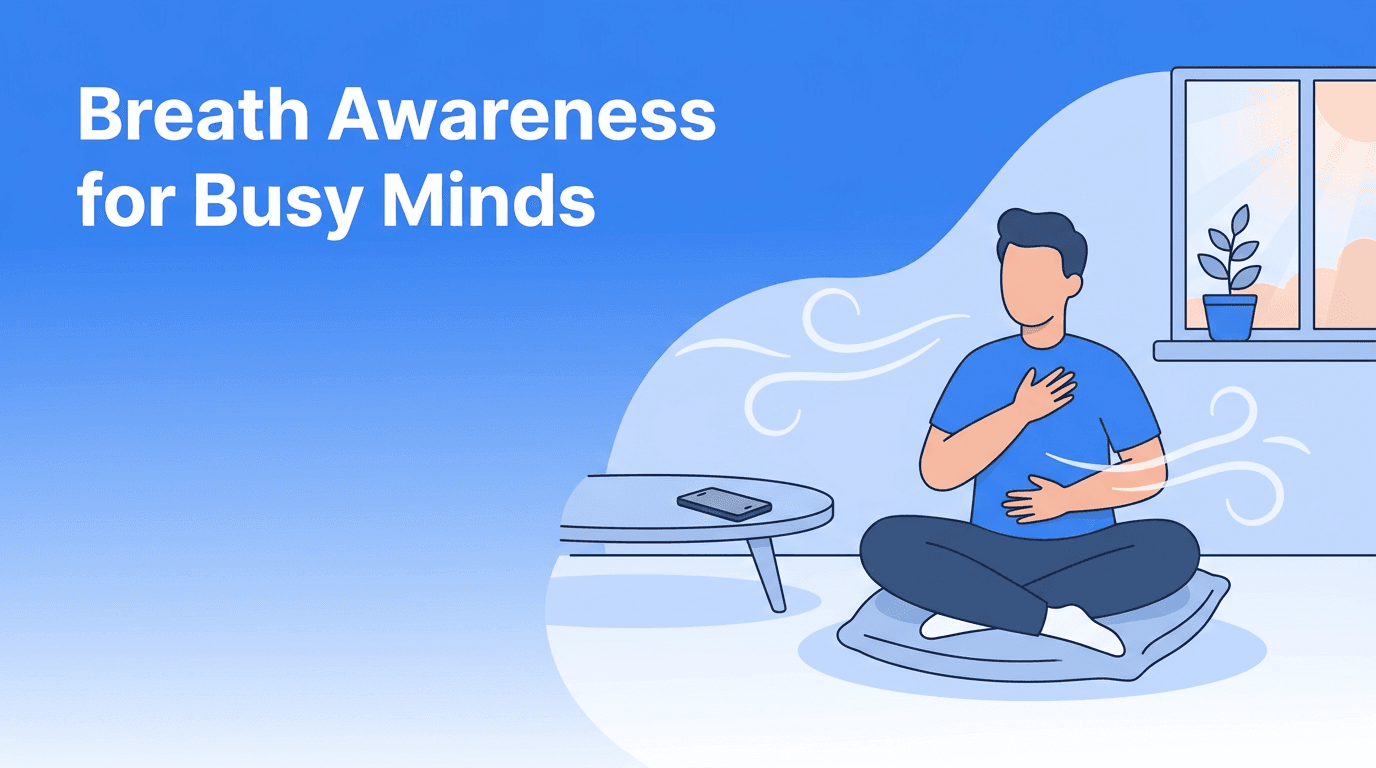
- Pair reflection with a body-based practice such as slow breathing or a short meditation.
- Track your emotional patterns with a habit tool so you can notice what triggers clinging.
- Return to the same issue gently. Some forms of letting go happen in layers, not all at once.
If structure helps you stay consistent, tools like Haply can support the process. Its Wellness coaches, daily reminders, and Today Dashboard can turn abstract intention into a lived rhythm, especially when your mind feels scattered by uncertainty.
When letting go does not feel peaceful at first
Sometimes release feels worse before it feels better. Without the familiar story, you may feel empty, exposed, or disoriented. This is normal. The mind prefers a known pain over an unknown freedom. Stay with the discomfort gently. A new self is often quiet before it becomes clear.
In this sense, letting go is not the end of meaning. It is the end of unnecessary struggle. What remains is often simpler: breath, values, attention, and the next honest step.
Frequently Asked Questions
How do I practice letting go when I still feel hurt?
Start with acceptance, not pressure. You do not need to feel fully peaceful to begin. Name the hurt, reduce the story's repetition, and take one small act of release.
Is acceptance the same as approving what happened?
No. Acceptance means acknowledging reality as it is. Approval is a moral judgment, and the two are not the same.
Can forgiveness happen without reconciliation?
Yes. Forgiveness can be an inner decision to stop carrying ongoing emotional harm. It does not require renewed trust or contact.
What is the best mindfulness practice for uncertainty?
Simple grounding practices work well, such as slow breathing, naming present sensations, and journaling what is within your control. These reduce mental spiraling and restore perspective.