Breath Awareness Meditation for Overstimulated Days
Breath awareness meditation is a simple way to return to the present moment, deepen mindfulness, and create more inner peace when life feels noisy.

By Haply Team
Haply Editorial Team
Some days do not feel dramatic, they just feel too full. Too many tabs open, too many notifications, too much mental noise. Breath awareness meditation offers a gentle way back to mindfulness, the present moment, and a steadier sense of inner peace without needing a perfect routine or a silent room.
Unlike complicated techniques, this practice asks for very little. You simply notice the breath as it is. That small act of awareness can interrupt autopilot, soften stress, and help you meet the day with more intention.
Why breath awareness meditation works so well
Your breath is always with you, which makes it one of the most accessible anchors for meditation. When attention drifts into planning, replaying, or worrying, the breath gives the mind a place to return. Not forcefully, just kindly.
- Mindfulness grows because you practice noticing what is happening right now.
- The present moment becomes easier to access because the breath is happening in real time.
- Awareness strengthens as you observe sensations without immediately reacting.
- A sense of inner peace can emerge when your nervous system receives signals of safety and steadiness.
A simple 5-minute breath awareness meditation
1. Settle your body
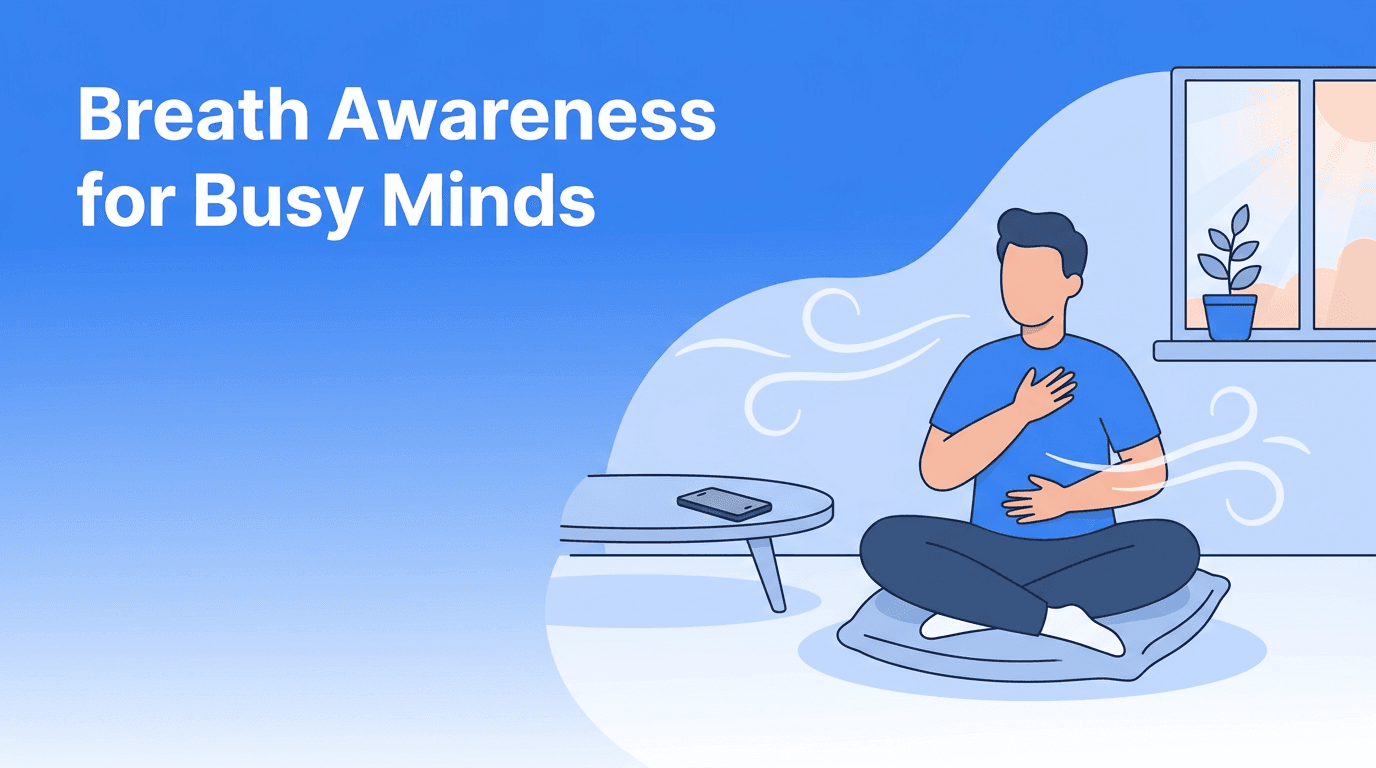
Sit in a chair, on a cushion, or at the edge of your bed. Let your hands rest naturally. You do not need a special posture. What matters most is a position that feels both alert and easeful.
2. Notice where the breath is easiest to feel
Bring attention to one place: the nostrils, chest, or belly. Pick the area where the breath feels most obvious. This becomes your home base for breath awareness meditation.
3. Follow one inhale and one exhale
Feel the beginning, middle, and end of each inhale. Then feel the beginning, middle, and end of each exhale. You are not trying to breathe better. You are practicing awareness of what is already here.
4. Expect the mind to wander
Thoughts will appear. Sounds will pull you. Emotions may rise. That is not failure, that is the practice. Each time you notice distraction and return to the breath, you are building mindfulness.
5. End with one intentional question
Before opening your eyes or standing up, ask yourself: "What do I want to bring into the next hour?" This helps your meditation flow into intentional living, instead of staying separate from real life.
"Peace is not something you create by force. Often, it appears when you stop leaving the moment you are in."
Common mistakes that make the practice feel harder
- Thinking you need to empty your mind. You do not. The goal is to notice and return.
- Trying to control every inhale and exhale. Let the breath be natural unless you are doing a specific breathwork exercise.
- Judging yourself for distraction. A wandering mind is normal in meditation.
- Waiting to feel instantly calm. Sometimes breath awareness meditation first helps you notice how activated you already are. That noticing is progress.
How to use breath awareness in daily life
Formal practice matters, but the real shift often happens in ordinary moments. Try one mindful breath before opening email, while waiting for the kettle to boil, or after parking your car. These tiny pauses train your brain to reconnect with the present moment throughout the day.
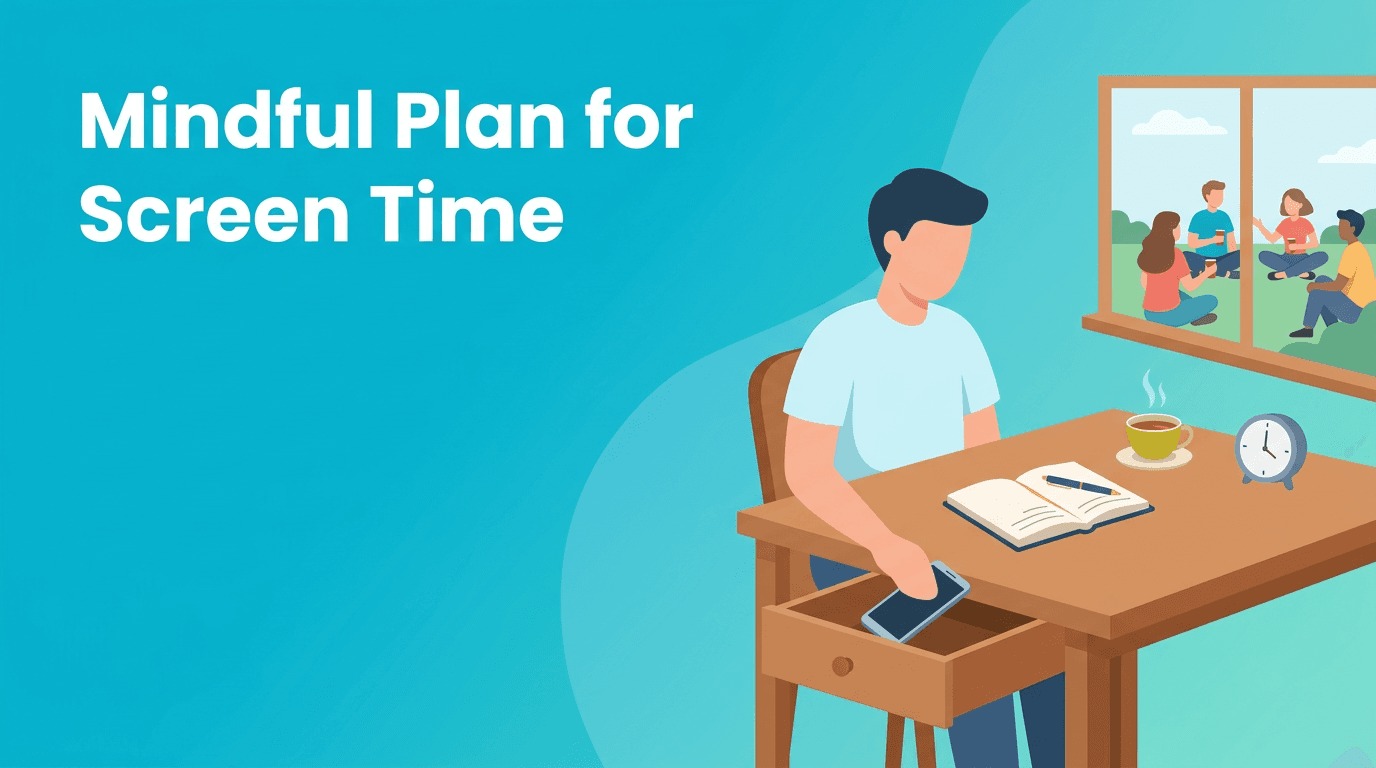
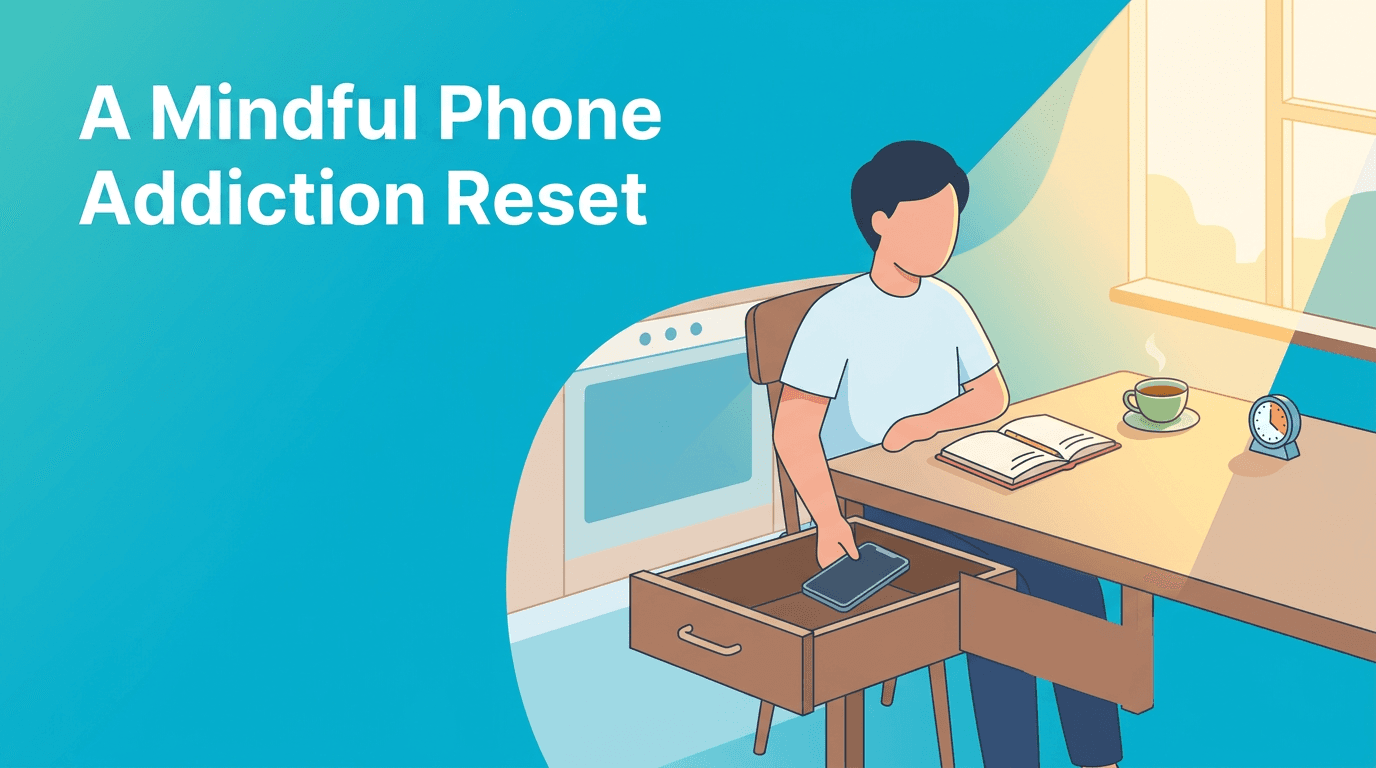
- Take 3 conscious breaths before checking your phone in the morning.
- Pause for one inhale and exhale before responding in a tense conversation.
- Use the breath as a reset between tasks to reduce mental carryover.
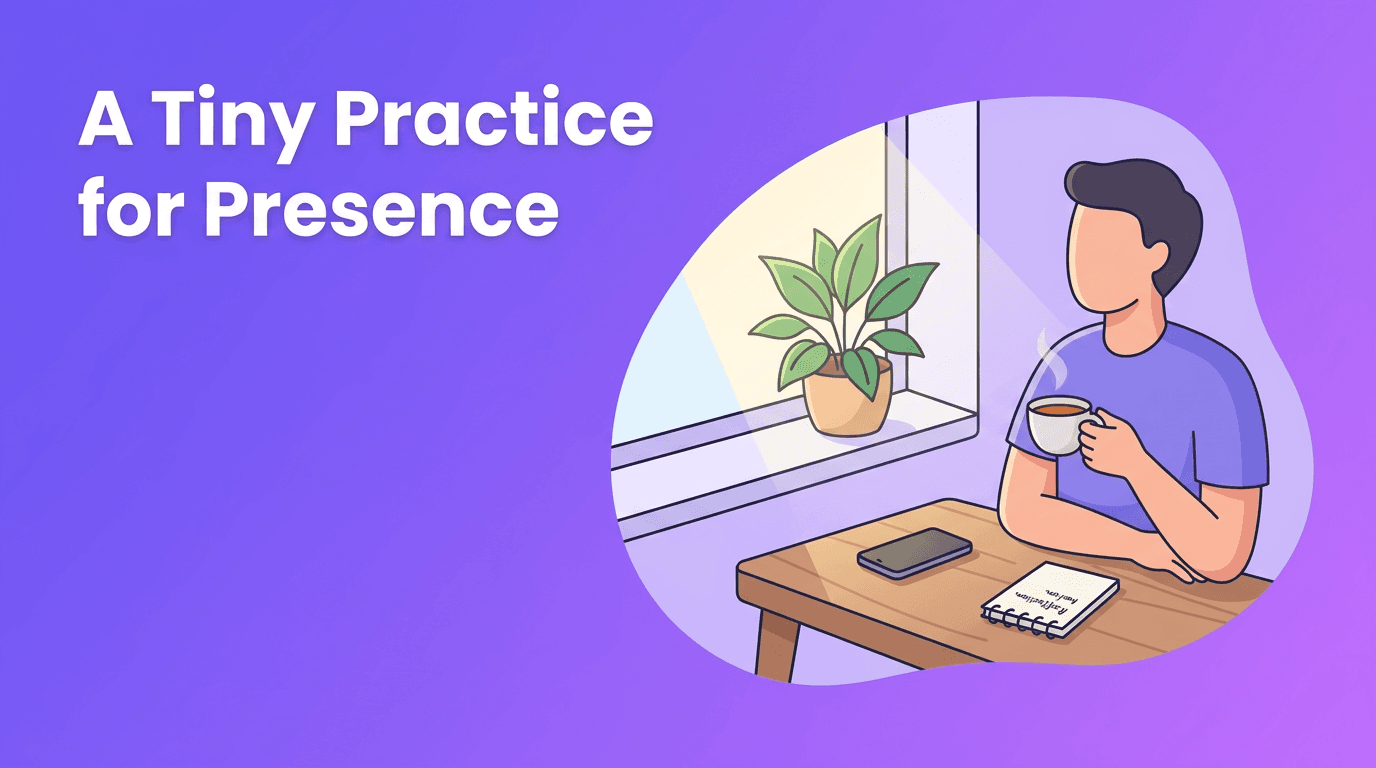
- Pair a short mindfulness practice with an existing habit like tea, journaling, or stretching.
Build a calmer practice with Haply
If you want more support, Haply offers AI-guided Wellness coaching, a Meditation/Breathe mini-app, reminders, and habit tracking to help you turn small mindful pauses into a steady routine.
Try Haply FreeWhen breath is not the best anchor
For some people, focusing on breathing can feel uncomfortable, especially during high anxiety or emotional overwhelm. If that happens, shift your attention to sounds, the feeling of your feet on the floor, or an object in the room. Mindfulness is flexible. The aim is grounded awareness, not forcing a method that does not feel supportive.
Creating a gentle rhythm that lasts
Consistency matters more than intensity. Start with two to five minutes of breath awareness meditation a day. Use a simple tracker, a calendar checkmark, or a guided tool. In Haply, the Today Dashboard, streaks, and Wellness support can make it easier to remember your practice and stay encouraged without pressure.
Frequently Asked Questions
What is breath awareness meditation?
Breath awareness meditation is a mindfulness practice where you focus attention on the natural breath to build presence, awareness, and calm.
How do beginners practice breath awareness meditation?
Beginners can start by sitting comfortably and noticing where the breath is easiest to feel, such as the nose, chest, or belly, for two to five minutes.
Can breath awareness meditation reduce stress?
Yes, it can help calm the nervous system and interrupt stress loops by bringing attention back to the present moment.
What if focusing on my breath makes me anxious?
If the breath feels activating, use another anchor like sounds, touch, or your feet on the floor. Mindfulness can be practiced in different ways.