Radical Acceptance and Forgiveness: A Philosophy for Living With Uncertainty
Radical acceptance offers a grounded way to meet uncertainty, practice forgiveness, and cultivate inner peace without denying pain. Learn a philosophical, practical path forward.

By Haply Team
Haply Editorial Team
Radical acceptance is not passive surrender. It is the quiet decision to stop arguing with reality so you can meet uncertainty, grief, and change with more honesty. In a culture that rewards control, radical acceptance offers a different kind of strength, one rooted in philosophy, mindfulness, and the humble courage to begin again.
Why radical acceptance matters when life does not make sense
Many people first seek mindfulness when life becomes unrecognizable. A relationship ends. A diagnosis arrives. A plan collapses. In those moments, the mind often asks the same impossible question: "How do I make this not true?" But suffering deepens when pain is joined by resistance. Acceptance does not erase pain, yet it can soften the extra layer of struggle we create by refusing what has already happened.
"You do not have to like reality in order to stop fighting it."
This is where forgiveness enters the picture. Not as approval, and not as forgetting, but as a release of the inner grip that keeps the wound alive. To forgive a person, a past self, or even life itself is sometimes the most practical path toward inner peace.
A philosophical view of acceptance, forgiveness, and uncertainty
Across traditions, wise thinkers have returned to a similar insight: peace depends less on controlling events and more on shaping our relationship to them. Stoic thinkers focused on what is within our control. Buddhist teachings explored attachment and impermanence. Existential philosophy asked how to live meaningfully in a world that offers no guarantees. Together, they suggest that uncertainty is not a glitch in life. It is one of life's basic conditions.
- Stoicism reminds us to separate what we can influence from what we cannot.
- Mindfulness teaches us to witness thoughts and feelings without becoming identical to them.
- Forgiveness loosens the identity built around injury and blame.
- Acceptance creates space for wise action, rather than impulsive reaction.
The paradox at the center of inner peace
The paradox is simple and difficult: when we stop demanding certainty, we often become more stable. When we stop forcing closure, we become more open to healing. Radical acceptance is powerful precisely because it does not wait for life to become neat.
How to practice radical acceptance in daily life
If the phrase sounds abstract, begin with the body. Radical acceptance is often less a belief than a practice of returning to what is present right now.
- Pause and name the fact. Try: "This is what is happening." Keep it plain, without dramatic interpretation.
- Notice the argument in your mind. Listen for phrases like "This should not be happening" or "I cannot handle this."
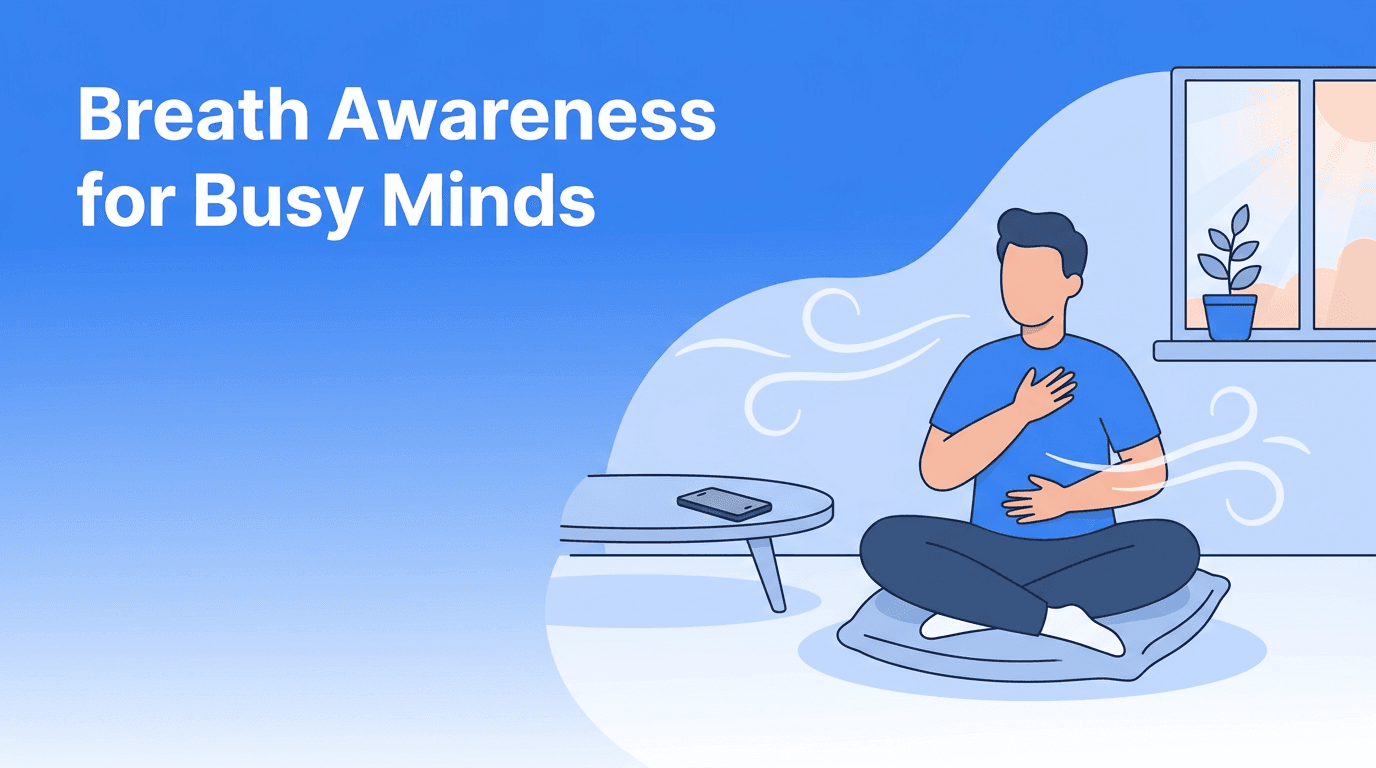
- Place one hand on your chest or stomach and take five slow breaths. This signals safety to the nervous system.
- Ask a grounding question: "What is within my control in the next 10 minutes?"
- Practice one sentence of release: "I may not like this, but I do not have to fight reality right now."
Use forgiveness as a form of unclenching
Sometimes acceptance is blocked by resentment. If so, try a brief journaling reflection: "What am I still demanding from the past?" You may discover a wish for apology, reversal, or explanation. These wishes are human. But holding them forever can become its own prison. Forgiveness does not mean reconnection is required. It means your future no longer depends on the past becoming different.
Build a gentle acceptance practice with Haply
If you want support turning reflection into routine, Haply can help. Its AI life coaching app offers Wellness coaches, chat-based guidance, a Meditation/Breathe mini-app, habit streaks, and daily reminders to make mindfulness more consistent.
Try Haply FreeA 7-minute evening ritual for acceptance and inner peace
When life feels unstable, rituals matter. They do not remove uncertainty, but they give the soul a place to stand.
- Minute 1: Sit quietly and feel your feet on the floor.
- Minutes 2-3: Write down one thing you cannot control right now.
- Minutes 4-5: Write one feeling that comes with it, such as fear, anger, or sadness.
- Minute 6: Complete this sentence: "Even with this, I can still..."
- Minute 7: End with three slow breaths and the phrase, "For tonight, I release what I cannot solve."
This small ritual trains the mind away from endless mental negotiation. Over time, it can strengthen inner peace not as a mood, but as a capacity.
When acceptance is not enough
There are times when radical acceptance should be paired with action. If you are in harm, being manipulated, or living inside a pattern that damages your wellbeing, acceptance is not the end of the story. First accept the truth of the situation. Then respond clearly. Boundaries, therapy, rest, honest conversation, and practical planning are all forms of mindful courage.
The deeper gift of radical acceptance
Perhaps the real gift of radical acceptance is not that it makes life easy. It is that it returns us to life as it is. From there, we can love without guarantees, act without perfect clarity, and forgive without erasing memory. We can inhabit a more mature philosophy of being human, one that makes room for fragility and still chooses presence.
In the end, inner peace is rarely found by winning every argument with reality. More often, it arrives when we loosen our grip, tell the truth, and discover that the heart can remain open even in an unfinished world.
Frequently Asked Questions
What is radical acceptance in mindfulness?
Radical acceptance is the practice of fully acknowledging reality as it is, without denying pain or adding extra resistance. It helps reduce suffering and supports clearer action.
How do I practice forgiveness without excusing bad behavior?
Forgiveness means releasing your inner attachment to resentment, not approving what happened. You can forgive and still keep strong boundaries.
Can acceptance help with uncertainty and anxiety?
Yes. Acceptance can reduce the mental struggle that comes from demanding certainty, which often lowers anxiety and creates more emotional steadiness.
Is radical acceptance the same as giving up?
No. Giving up is disengagement, while radical acceptance is honest recognition of reality so you can respond wisely and effectively.