The Letting Go Practice: How Acceptance Creates Inner Peace in Uncertain Times
The letting go practice offers a grounded way to meet uncertainty, soften resistance, and cultivate inner peace through acceptance, forgiveness, and everyday philosophy.


By Haply Team
Haply Editorial Team
Letting go is one of those phrases people repeat easily and live with difficulty. When life changes shape through loss, endings, or the slow collapse of certainty, the mind tightens around what it cannot keep. Yet letting go is not giving up on life. It is a disciplined form of acceptance, a quiet kind of philosophy, and often the first honest step toward inner peace.
For people moving through grief, transition, heartbreak, or existential doubt, the problem is rarely just pain itself. The deeper struggle is resistance: the argument with reality, the wish that the past could return, the demand that uncertainty explain itself. Mindfulness does not erase this struggle, but it teaches us how to stop feeding it.
Why letting go feels so hard
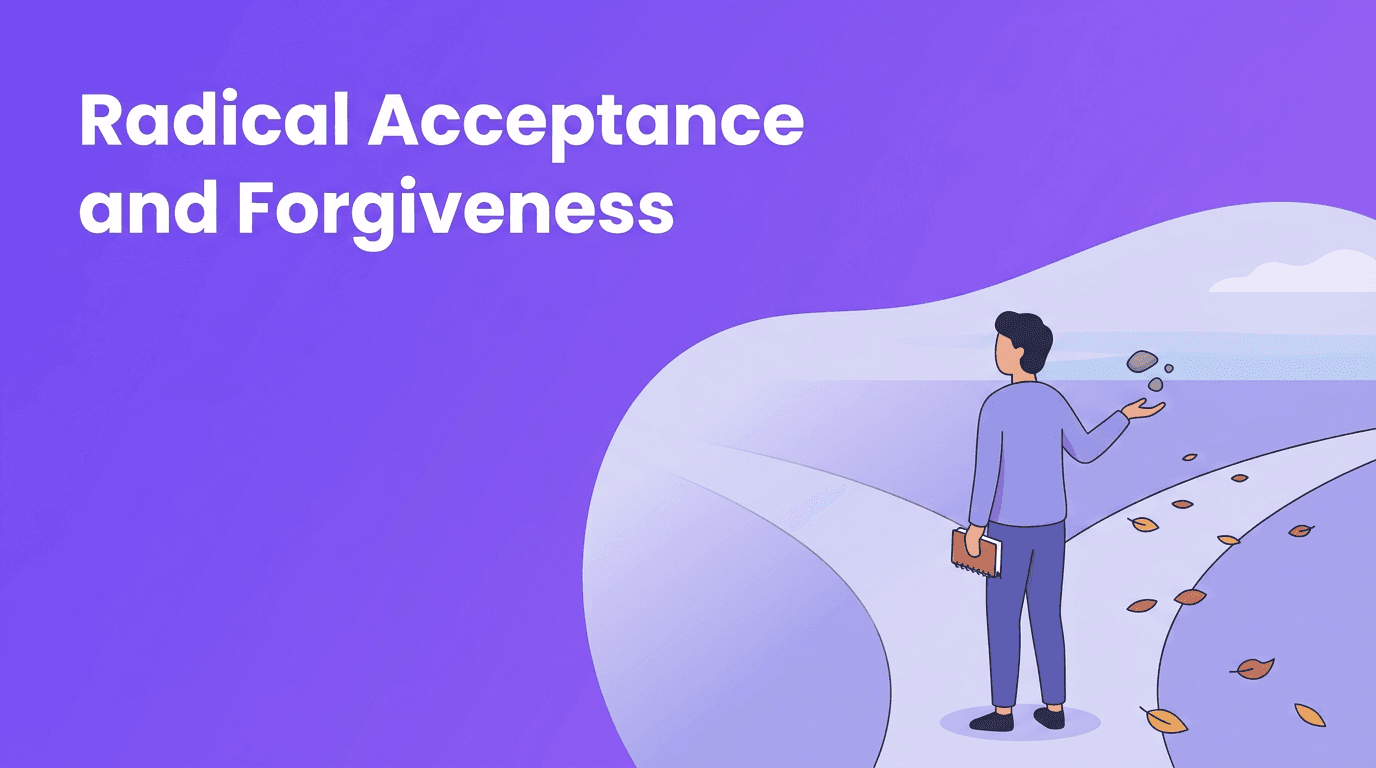
We cling for understandable reasons. Holding on can feel like loyalty, identity, protection, or love. Sometimes we fear that if we release anger, we will excuse harm. If we practice forgiveness, we worry we will betray our own wounds. If we accept uncertainty, we fear becoming passive. But true acceptance is not approval, and forgiveness is not forgetting. Both are ways of reclaiming your energy from what has already taken enough.
- Holding on promises control, even when control is no longer possible.
- The mind prefers familiar pain over unfamiliar freedom.
- Uncertainty activates survival instincts, making us chase answers that do not exist yet.
- Identity gets entangled with suffering, so release can feel like losing part of yourself.
"Peace comes when we stop demanding that life be different before we allow ourselves to live it."
A philosophical view of acceptance
Many wisdom traditions arrive at the same insight from different directions: suffering increases when we confuse what is real with what we wish were real. Stoic thought asks us to separate what is within our control from what is not. Buddhist practice points to attachment as a source of suffering. Contemporary mindfulness invites us to witness thoughts and feelings without becoming their servant. Each path, in its own language, teaches the art of letting go.
Acceptance is an active posture
To practice acceptance is to say, "This is here." Not, "I like this." Not, "This should have happened." Simply, "This is real, and I will meet it honestly." That honest meeting creates space. In that space, choice returns. You can grieve without drowning. You can forgive without denying. You can face uncertainty without building your home inside fear.
A 4-step letting go ritual for daily life
If your thoughts keep circling the same hurt or unknown, use this brief ritual. It is simple enough for a morning pause, a sleepless evening, or the middle of an overwhelming day.
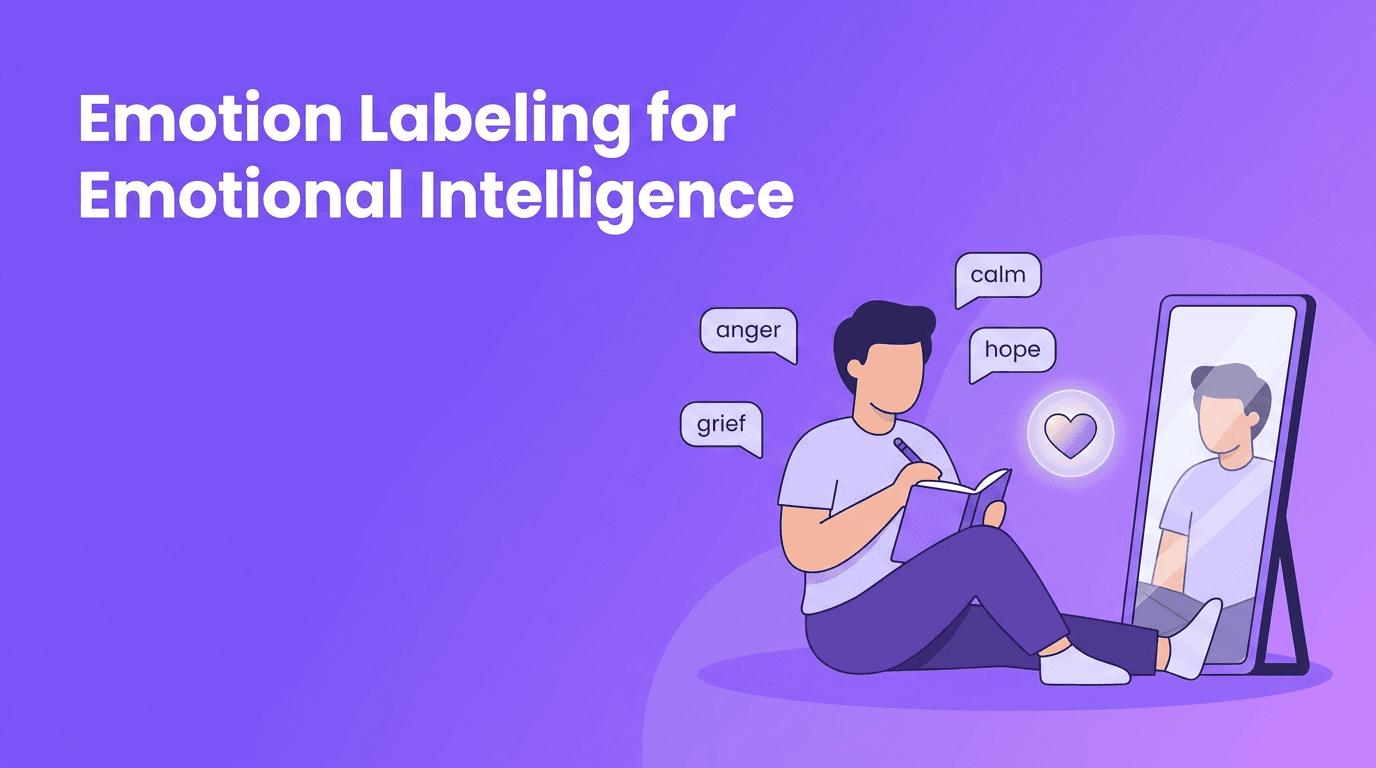
- Name what you are holding. Say it plainly: "I am holding fear about the future," or "I am holding anger about what happened." Clarity weakens emotional fog.
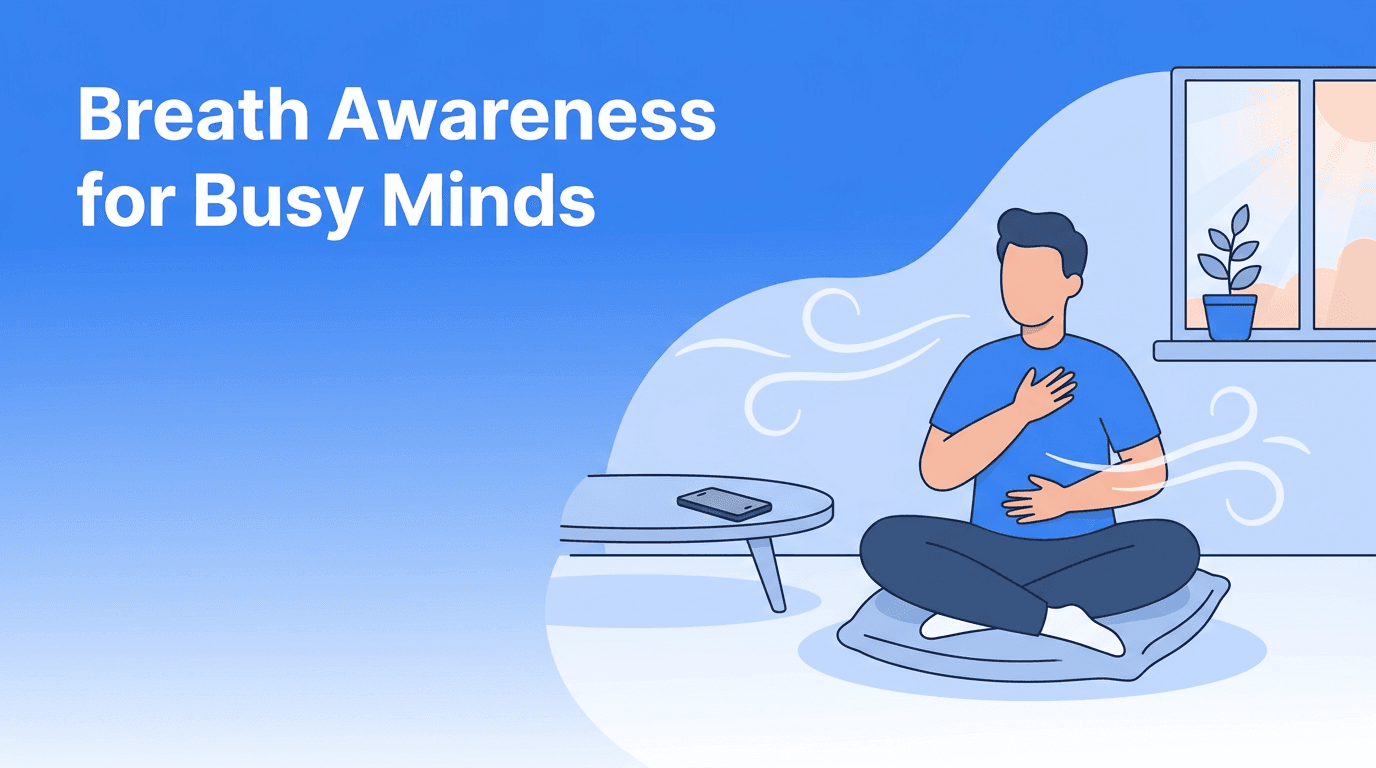
- Locate it in the body. Notice where the tension lives - throat, chest, stomach, jaw. Place a hand there and breathe slowly for five cycles.
- Offer a sentence of acceptance. Try: "I do not need to solve this moment to survive it." Or: "This pain belongs to my human life, and I can meet it gently."
- Release one small grip. Unsend the imaginary argument. Stop rereading the old messages. Postpone the need for an answer tonight. Letting go often begins with one practical act, not one perfect feeling.
Need support while practicing acceptance?
Haply is an AI life coaching app for iOS and Android that can help you build a gentle mindfulness routine. Try chat-based Wellness coaching, daily reminders, and the Meditation/Breathe mini-app when uncertainty feels heavy.
Try Haply FreeForgiveness without self-betrayal
Forgiveness is often misunderstood as immediate reconciliation or moral perfection. In reality, it can be a gradual decision to stop drinking poison in the hope that someone else will feel the pain. You may still keep boundaries. You may still tell the truth about what happened. You may still decide not to return. Forgiveness does not erase memory. It loosens the knot between memory and ongoing self-harm.
When you are not ready
If you are not ready to forgive, do not force it. Forced serenity becomes another form of violence against the self. Start smaller. Release the fantasy that the past can be repaired by replaying it. Release the idea that healing must look noble. Sometimes the first mercy is simply refusing to reopen the wound every day.
How to live with uncertainty without collapsing into fear
One of the deepest spiritual tasks is learning to live well without guarantees. Uncertainty is not a temporary flaw in life. It is one of life's permanent conditions. The search for total certainty can become its own prison, making us postpone joy, courage, and rest until everything is explained.
- Return to the next right thing. Not the next ten years, just the next honest step.
- Limit unnecessary prediction. The mind calls it preparation, but often it is rehearsal for pain.
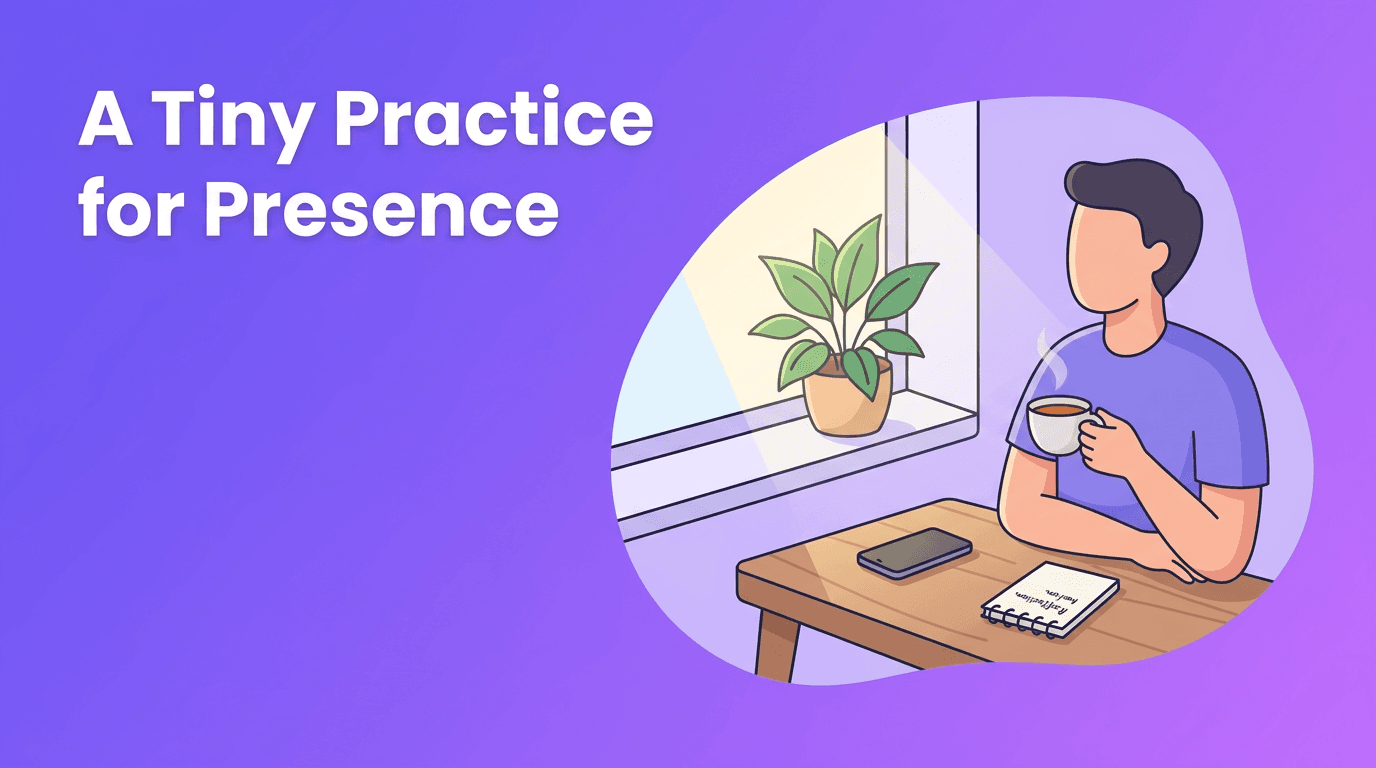
- Create small rituals of steadiness. Tea at sunrise, ten mindful breaths, an evening journal, a daily walk.
- Choose companions wisely. Peace is easier to protect when you are not surrounded by constant alarm.
This is where practical tools matter. Some people benefit from journaling. Others need breathwork, guided meditation, or structured reflection. With Haply, users can explore Wellness coaching, use the Meditation/Breathe mini-app, and build consistency through habit tracking, reminders, and a personalized Today Dashboard. The point is not to become perfectly calm. The point is to become more present, more honest, and less ruled by automatic fear.
Signs your letting go practice is working
- You still feel sadness, but less panic around it.
- You think about the situation with more space and less obsession.
- You stop trying to force closure from people who cannot give it.
- Your body softens more quickly after emotional activation.
- You begin to imagine a future that is different, not ruined.
Inner peace is not the absence of sorrow
Inner peace is not a life where nothing breaks. It is a way of inhabiting life where breakage does not have the final word. The peaceful person is not untouched by grief, anger, or confusion. They are simply no longer entirely possessed by them. This is the quiet fruit of acceptance: not perfection, but proportion. Not numbness, but freedom.
Frequently Asked Questions
How do I practice letting go when I still feel hurt?
Start by accepting that hurt is still present. Letting go does not require the pain to disappear first, it asks you to stop tightening around it.
Is acceptance the same as giving up?
No. Acceptance means seeing reality clearly so you can respond wisely. Giving up is abandoning your agency, while acceptance helps restore it.
Can forgiveness help with inner peace?
Yes, forgiveness can reduce the mental and emotional burden of ongoing resentment. It does not excuse harm, but it can free your energy for healing.
How can I deal with uncertainty without overthinking everything?
Focus on what is within your control today, and reduce repeated attempts to predict every outcome. Grounding rituals, mindfulness, and journaling can help calm the mind.