Forgiveness Meditation for Uncertain Times: A Practice of Acceptance and Inner Peace
Forgiveness meditation offers a grounded way to meet uncertainty with acceptance, soften resentment, and rediscover inner peace through a practical, philosophical daily practice.

By Haply Team
Haply Editorial Team
Forgiveness meditation is not about pretending nothing happened. It is a way of sitting honestly with pain, acceptance, and the limits of control so that the heart does not remain trapped in yesterday. In times of uncertainty, this practice offers something rare: a path toward inner peace that is both deeply human and quietly philosophical.
Why forgiveness becomes urgent when life feels uncertain
When life changes suddenly, through loss, betrayal, endings, illness, or a future we cannot clearly read, the mind tries to protect itself by replaying old injuries. We think that if we revisit the scene enough times, we will finally master it. Yet the result is often the opposite. We become loyal to the wound. Letting go then feels like a betrayal of our own story.
But philosophy has long suggested a different possibility. The Stoics reminded us that suffering grows when we confuse what happened with what must continue happening inside us. Buddhist thought similarly teaches that clinging, even to justified anger, can become another form of pain. Forgiveness does not erase memory or excuse harm. It loosens the inner knot that keeps us bound to it.
"Forgiveness is not always a feeling. Sometimes it is a decision to stop carrying what is already too heavy."
What forgiveness meditation really means
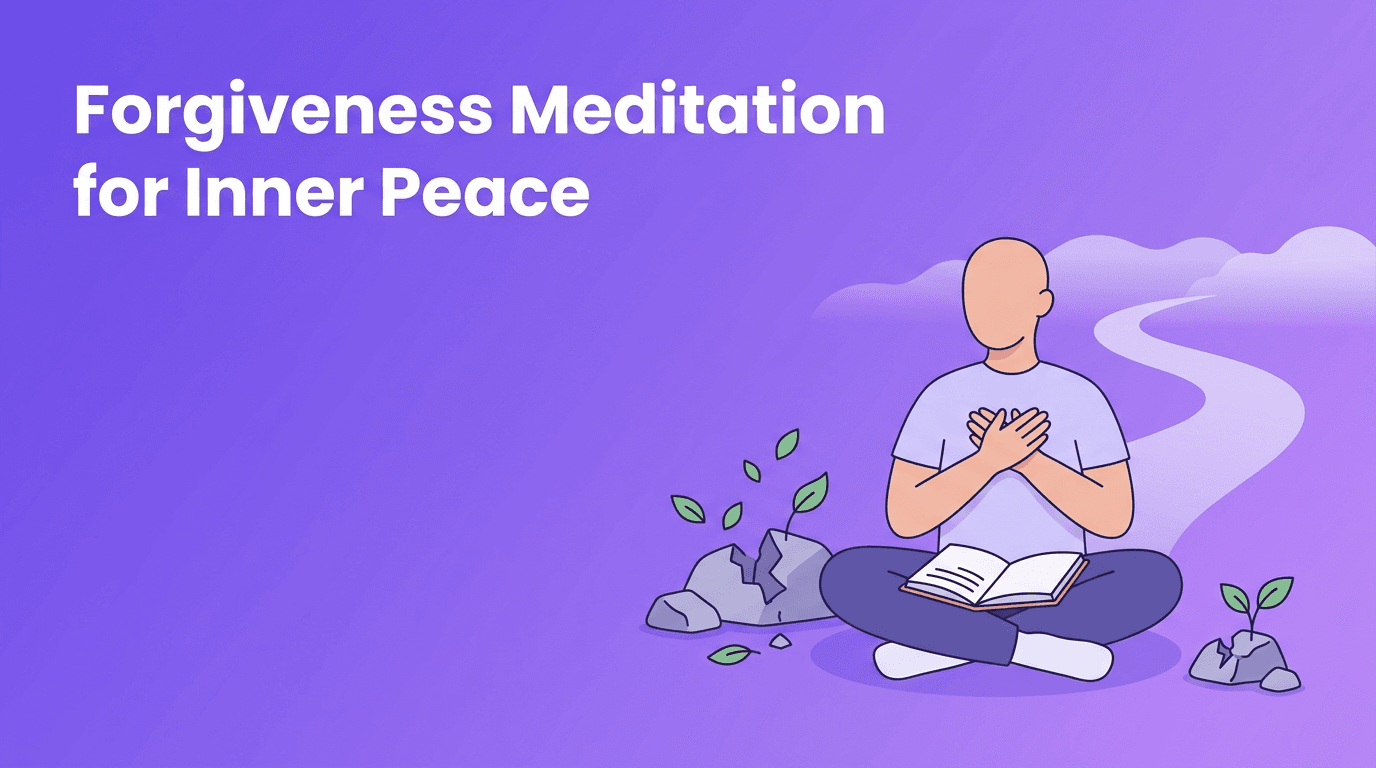
At its core, forgiveness meditation is a contemplative practice of releasing mental and emotional fixation. You bring to mind a hurt, a person, or even yourself, and gently work with the wish to stop feeding the cycle of resentment. This can include forgiving others, asking for forgiveness inwardly, or practicing self-forgiveness for choices made under fear, confusion, or grief.
- It is not denial. You can acknowledge real harm and still choose not to live inside it.
- It is not forced positivity. Some days the practice is simply admitting, "I am not ready yet, but I want to move toward freedom."
- It is not reconciliation. You may forgive and still keep strong boundaries.
- It is a training in attention, compassion, and honest acceptance.
The paradox of letting go
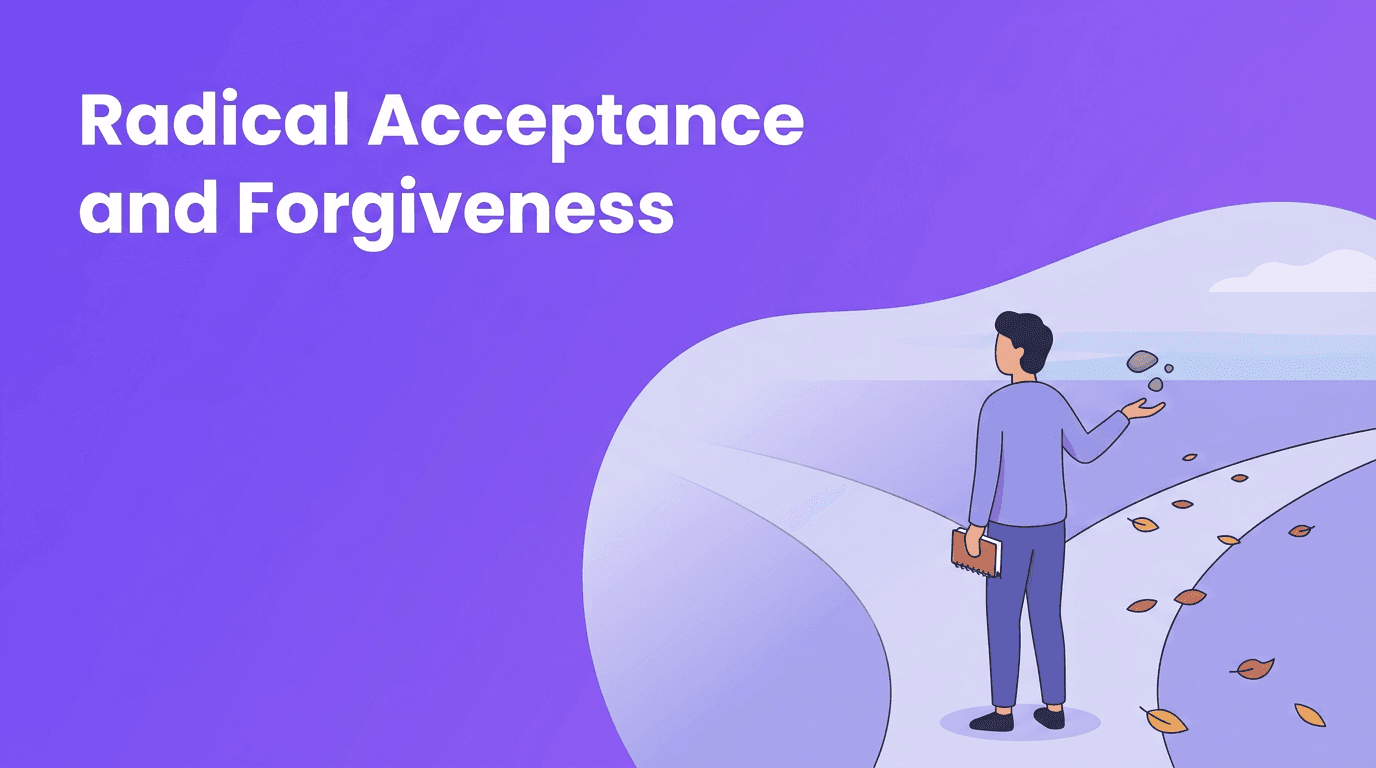
Many people imagine letting go as pushing something away. In truth, we often release pain by first allowing it to be seen. Resentment softens when it is met with awareness rather than argument. This is why meditation matters. It creates enough inner space for the wound to be witnessed without becoming your identity.
A simple forgiveness meditation practice
If you are new to this, begin small. Do not start with the deepest injury of your life. Start with something that carries tension but feels workable. Forgiveness meditation becomes sustainable when the nervous system feels safe enough to stay present.
- Step 1: Settle the body. Sit comfortably and take 5 slow breaths. Feel your feet, your hands, and the support beneath you.
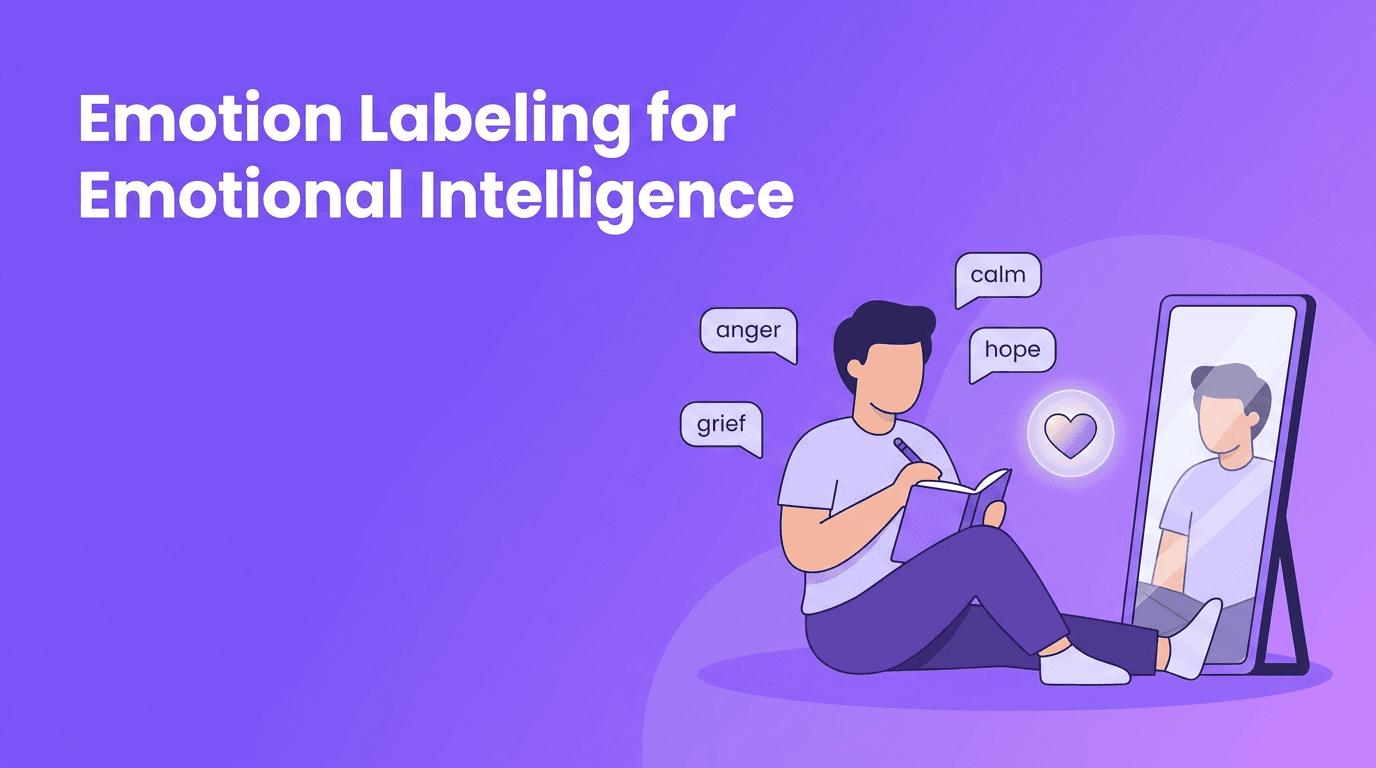
- Step 2: Name the wound. Quietly identify what you are holding: anger, regret, betrayal, shame, disappointment.
- Step 3: Speak inwardly with honesty. Try phrases like: "This hurt me." "I did not want this." "I am carrying pain."
- Step 4: Introduce acceptance. Say: "This happened." "I cannot change the past." "I can choose how I meet this moment."
- Step 5: Offer forgiveness slowly. If it feels true, repeat: "To the extent I am ready, I release this burden." Or, "May I loosen my grip on this pain."
- Step 6: End with care. Place a hand on your heart and ask, "What do I need now to continue healing?"
You may notice that tears, numbness, resistance, or even anger arise. That does not mean you are failing. It means something real is being touched. The goal is not a perfect emotional outcome. The goal is a more spacious relationship to what hurts.
Need support building a daily mindfulness practice?
Haply is an AI life coaching app for iOS and Android with Wellness coaches, guided chat-based support, and a Meditation/Breathe mini-app that can help you turn reflection into a steady habit.
Try Haply FreeSelf-forgiveness and the philosophy of being human
For many people, the hardest form of forgiveness is self-forgiveness. We replay the moment we should have known better. We judge the version of ourselves that acted from fear, exhaustion, loneliness, or limited wisdom. Yet maturity is not built by humiliating the past self. It is built by understanding that human beings are always acting from partial sight.
This is where acceptance becomes transformative. Acceptance says, "I wish I had been different, and I was still the person I was at that time." That sentence is not an excuse. It is a doorway. From there, responsibility becomes possible because shame no longer occupies the whole room.
Questions to journal after meditation
- What am I still asking the past to give me?
- What boundary would support real healing now?
- What would inner peace look like in behavior, not just in feeling?
- What am I ready to release, even if only by 5 percent?
How to practice forgiveness without bypassing pain
One of the greatest risks in spiritual practice is using beautiful words to avoid difficult truths. Real forgiveness meditation does not rush pain into silence. It gives pain dignity, then asks whether suffering must remain your permanent home. If trauma is involved, this work may be best done with a therapist or trusted guide.
- Move slowly. Healing that is forced often becomes another wound.
- Keep boundaries clear. Forgiveness and renewed access are not the same thing.
- Return to the body. Breath, grounding, and rest matter when emotions intensify.
- Repeat often. Inner change usually comes by practice, not revelation.
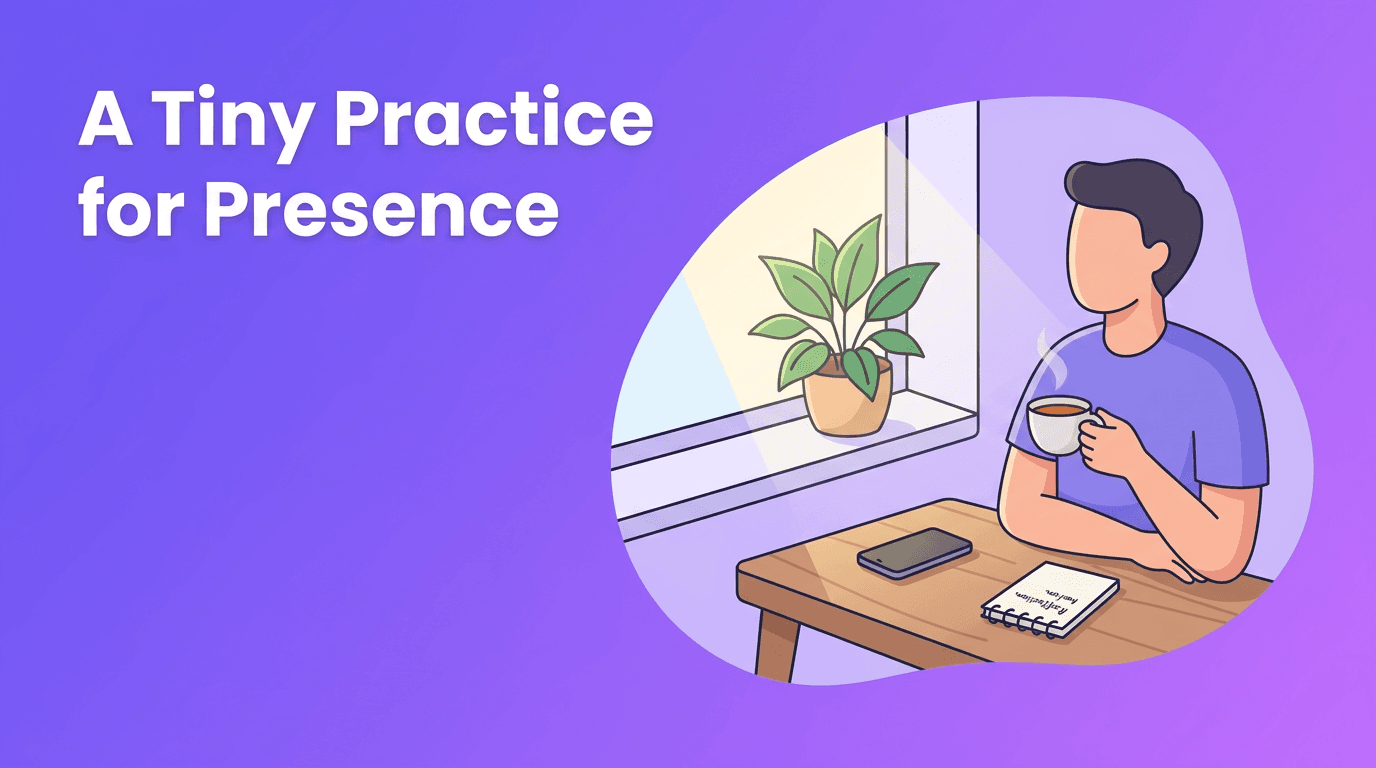
If structure helps you stay consistent, tools like Haply's habit tracker, daily reminders, and Today Dashboard can support a gentle rhythm. A few intentional minutes each day often do more than one dramatic breakthrough.
A final thought on inner peace
Inner peace is not the reward for a painless life. It is what becomes possible when we stop negotiating with reality and start meeting it with presence. In that sense, forgiveness meditation is a quiet discipline of freedom. It asks neither that you forget nor that you approve. Only that you loosen the bond between your future and your wound.
In a world shaped by uncertainty, that may be one of the most courageous forms of wisdom available to us.
Frequently Asked Questions
What is forgiveness meditation?
Forgiveness meditation is a mindfulness practice that helps you release resentment, regret, or self-blame with awareness and compassion. It supports acceptance and emotional healing without denying what happened.
Can forgiveness meditation help with anxiety about uncertainty?
Yes. By focusing on acceptance and what you can control now, forgiveness meditation can reduce rumination and create more inner steadiness during uncertain times.
How often should I practice forgiveness meditation?
Start with 5 to 10 minutes, 3 to 5 times a week. Consistency matters more than long sessions.
Is forgiveness the same as reconciliation?
No. Forgiveness is an internal release of resentment, while reconciliation is a relational process that may or may not be safe or appropriate.