Circadian Rhythm Reset: A Smarter Way to Improve Sleep, Energy, and Daily Wellness
A practical circadian rhythm reset can support better sleep, steadier energy, and healthier habits around nutrition, exercise, and physical health. Learn how to start simply.

By Haply Team
Haply Editorial Team
If your sleep feels off, your energy crashes by midafternoon, and your routines around nutrition, exercise, and physical health feel inconsistent, a circadian rhythm reset may help. Instead of chasing perfect habits, this approach focuses on your body's internal clock so healthy habits feel more natural and easier to keep.
Why your body clock shapes more than sleep
Your circadian rhythm is a roughly 24-hour timing system that helps regulate sleep-wake cycles, alertness, hormone release, digestion, and even exercise performance. When that timing gets pushed around by late-night light, irregular meals, stress, or inconsistent wake times, you may notice more than poor sleep. You may also feel hungrier at odd hours, less motivated to move, and mentally foggy during the day.
- Sleep becomes lighter, later, or less refreshing
- Energy may spike at night and dip when you need focus most
- Nutrition choices can feel harder when hunger and cravings are out of sync
- Exercise may feel tougher when your body never gets into a stable rhythm
- Your overall sense of physical health can feel less predictable day to day
"The goal is not to control every hour. The goal is to give your body enough consistency that it can work with you instead of against you."
The 5 anchors of a circadian rhythm reset
1. Wake up at the same time most days
A consistent wake time is often more powerful than a strict bedtime. Getting up within the same 30- to 60-minute window helps train your internal clock, even if sleep was imperfect the night before. This is one of the most effective healthy habits for restoring rhythm over time.
2. Get outdoor light early
Morning light helps signal to the brain that the day has started. Aim for 5 to 15 minutes outside soon after waking, or longer if the day is cloudy. This simple step supports melatonin timing later, which can improve sleep at night and steadier energy during the day.
3. Time meals more consistently
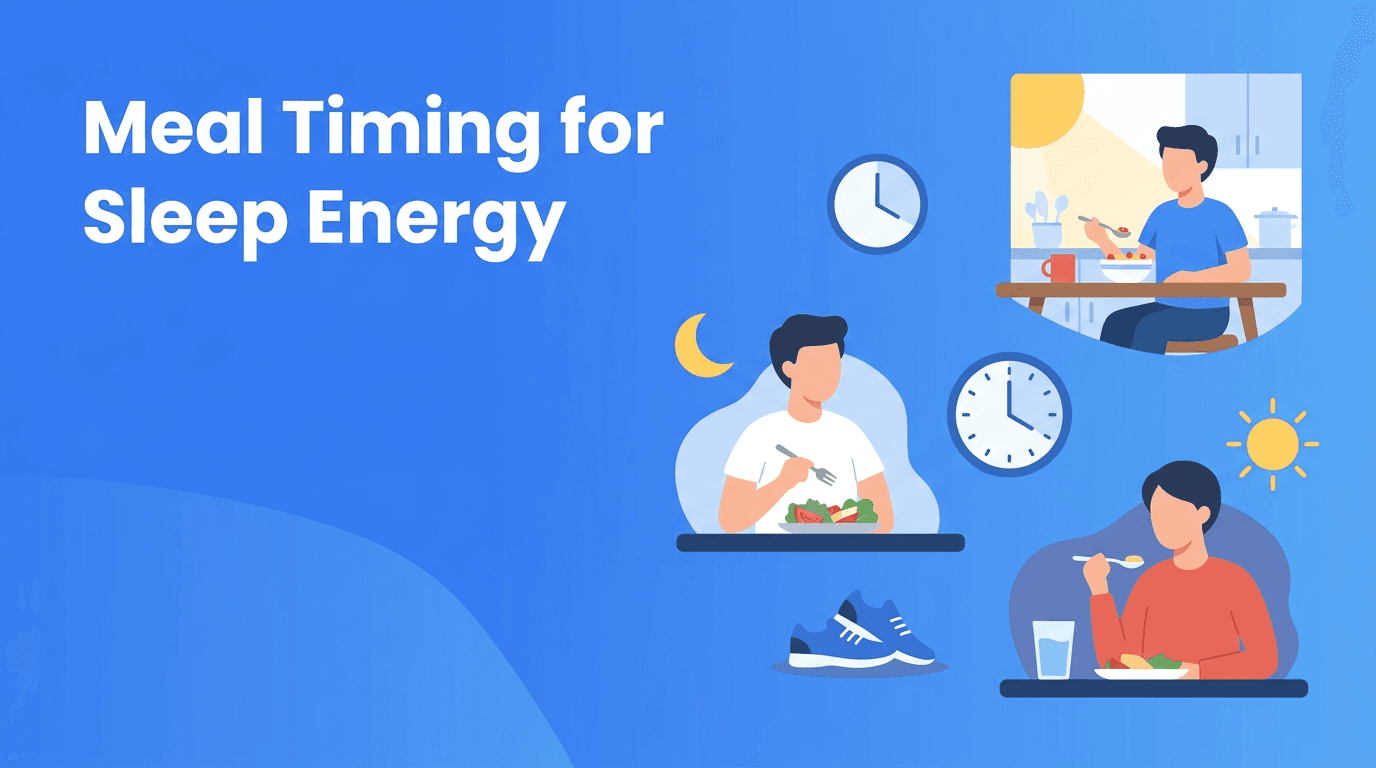
Your body clock responds to food timing too. Eating breakfast within a couple of hours of waking and keeping meals relatively regular can support appetite cues, digestion, and nutrition choices. This does not mean eating perfectly. It means reducing chaos so your body knows when to expect fuel.
4. Move your body before you are exhausted
Regular exercise is a strong signal for daytime alertness and long-term physical health. You do not need intense training. A brisk walk, mobility session, or short strength workout done at a consistent time can reinforce your daily rhythm and reduce that wired-but-tired feeling later.
5. Dim the evening
A circadian rhythm reset works best when mornings are bright and evenings are calmer. Lower lights, reduce stimulating screen time, and create a simple wind-down routine. Think of this as protecting the transition into sleep, not forcing it.
A realistic daily routine for better sleep, nutrition, and exercise
You do not need an ideal schedule to benefit from a circadian rhythm reset. You need repeatable cues. Here is a practical framework you can adapt to workdays, caregiving, or changing energy levels.
- Wake up at roughly the same time, then get light exposure as soon as possible
- Drink water and eat a balanced first meal with protein, fiber, and carbohydrates
- Schedule exercise earlier in the day if late workouts make sleep harder
- Use caffeine strategically, ideally earlier rather than late afternoon
- Keep lunch and dinner at fairly regular times to support nutrition and appetite regulation
- Take brief movement or daylight breaks to maintain energy and focus
- Start a 30- to 60-minute evening wind-down with lower light and less stimulation
Build your rhythm with guided support
Haply is an AI life coaching app for iOS and Android that can help you turn wellness goals into repeatable routines. Use chat-based coaching, habit streaks, reminders, and mini-apps like Meditation/Breathe, Sleep Stories, Focus Timer, and Task Planner to support healthy habits. Haply complements professional care, not replaces it.
Try Haply FreeCommon mistakes that quietly drain energy
People often blame themselves for low motivation when the issue is timing. A few small mismatches can disrupt both sleep and daytime energy more than expected.
- Sleeping in late on weekends, then struggling Sunday night
- Saving most food intake for evening, which can affect nutrition patterns and sleep comfort
- Doing intense exercise too close to bedtime when your body needs to downshift
- Using bright screens in bed while expecting your brain to feel sleepy
- Treating fatigue only with caffeine instead of checking light, meals, movement, and stress
How to make healthy habits stick when life is busy
The best wellness routines are the ones that survive imperfect weeks. Start with one anchor, not five. For many people, the highest-return place to begin is a stable wake time plus morning light. Once that feels easier, add meal timing or a short walk. This layered approach supports physical health without creating an all-or-nothing mindset.
If you like structure, a tool like Haply can help you track streaks, set reminders, and check in with a Wellness coach when your routine slips. The app's Today Dashboard and mini-apps can make your next best step feel obvious, whether that is a breathing break, a sleep wind-down, or a realistic movement goal.
When to get extra support
If you have ongoing insomnia, extreme daytime sleepiness, significant mood changes, or fatigue that does not improve, it is worth speaking with a qualified healthcare professional. Lifestyle tools can be helpful, but they are not a substitute for medical evaluation when symptoms are persistent or disruptive.
Frequently Asked Questions
How long does a circadian rhythm reset take?
Many people notice small changes in sleep and energy within a few days, but a more stable rhythm often takes 1 to 3 weeks of consistent cues like wake time and morning light.
What is the fastest way to reset your circadian rhythm?
The most effective starting points are a consistent wake time, early daylight exposure, and reducing bright light late at night. These cues strongly influence your body clock.
Can exercise help reset circadian rhythm?
Yes. Regular exercise, especially earlier in the day for some people, can reinforce daytime alertness and support better sleep at night.
Does meal timing affect sleep and energy?
Yes. Irregular meal timing can affect hunger cues, digestion, and daily energy patterns. More consistent meals may help your body feel more predictable.