Circadian Rhythm Reset: Healthy Habits for Better Sleep and Daytime Energy
A circadian rhythm reset can improve sleep, support steady energy, and make healthy habits like nutrition and exercise easier to maintain for better physical health.

By Haply Team
Haply Editorial Team
If your sleep feels inconsistent, your energy crashes in the afternoon, and your routines never seem to stick, a circadian rhythm reset may help more than another productivity hack. Your circadian rhythm is your body's internal 24-hour clock, and when it is supported by consistent cues, many healthy habits become easier to maintain, from nutrition and exercise to focus and overall physical health.
Why a circadian rhythm reset matters for wellness
Your circadian rhythm influences when you feel alert, sleepy, hungry, and physically ready to move. Light exposure, meal timing, movement, stress, and bedtime patterns all send signals to this internal clock. When those signals are scattered, you may notice poor sleep quality, irregular appetite, low motivation to exercise, and unstable energy through the day.
- Morning light helps signal wakefulness and can support earlier melatonin release at night.
- Regular meal timing can reinforce daily rhythm and reduce random energy dips.
- Exercise timing may improve alertness in the day and support deeper sleep later.
- Consistent sleep and wake times often matter more than aiming for a perfect bedtime.
"Your body likes rhythm more than intensity. Small cues, repeated daily, often shape wellbeing better than dramatic resets."
The 5 anchors of a circadian rhythm reset
1. Wake up at the same time most days
If you change only one thing, make it your wake-up time. A stable wake time is one of the strongest ways to guide a circadian rhythm reset. Even after a rough night, sleeping far past your usual time can make the next night harder. Aim for consistency within about 30 to 60 minutes when possible.
2. Get light early, not just coffee
Natural light soon after waking can increase alertness and help set up better sleep later. Step outside, sit by a bright window, or take a short walk. Coffee may help temporarily, but light is one of the most powerful biological signals for daytime energy.
3. Use nutrition timing to support energy
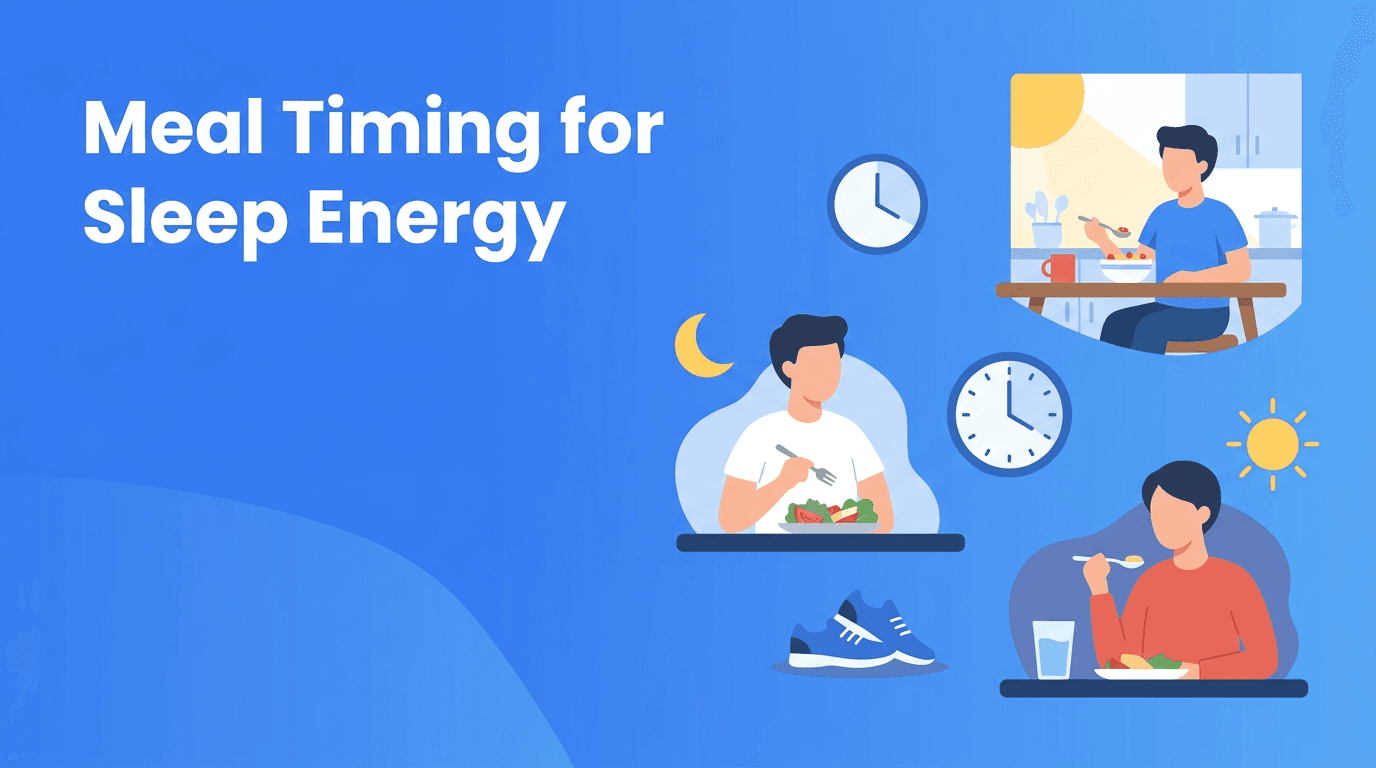
Nutrition affects more than calories. Eating your first meal within a reasonable window after waking, and keeping meals somewhat regular, may help your body expect activity during the day instead of late at night. If large late dinners disrupt your sleep, try shifting more intake earlier and keeping the evening meal lighter.
4. Time exercise with intention
Exercise is one of the best ways to support physical health, mood, and sleep quality. For many people, morning or afternoon movement supports a smoother rhythm. Late intense workouts can be fine for some, but if you feel wired at bedtime, experiment with earlier sessions or gentler evening movement like stretching or yoga.
5. Create a darker, quieter landing at night
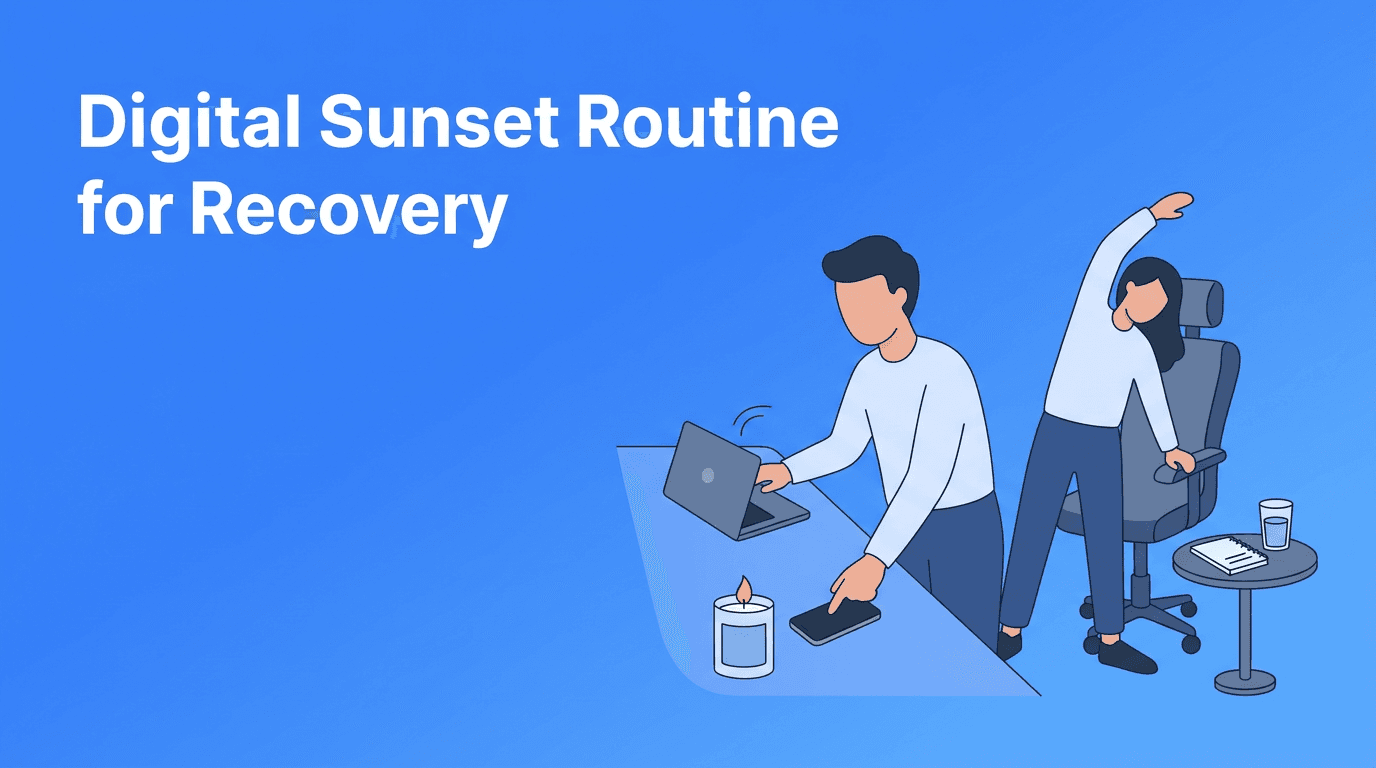
A reset is not only about mornings. Dim lights in the evening, lower stimulation, and repeat a simple wind-down routine. This might include reading, a warm shower, light stretching, or breathwork. The goal is not perfection, but giving your brain a predictable message that the active part of the day is ending.
A practical 24-hour routine for better sleep and energy
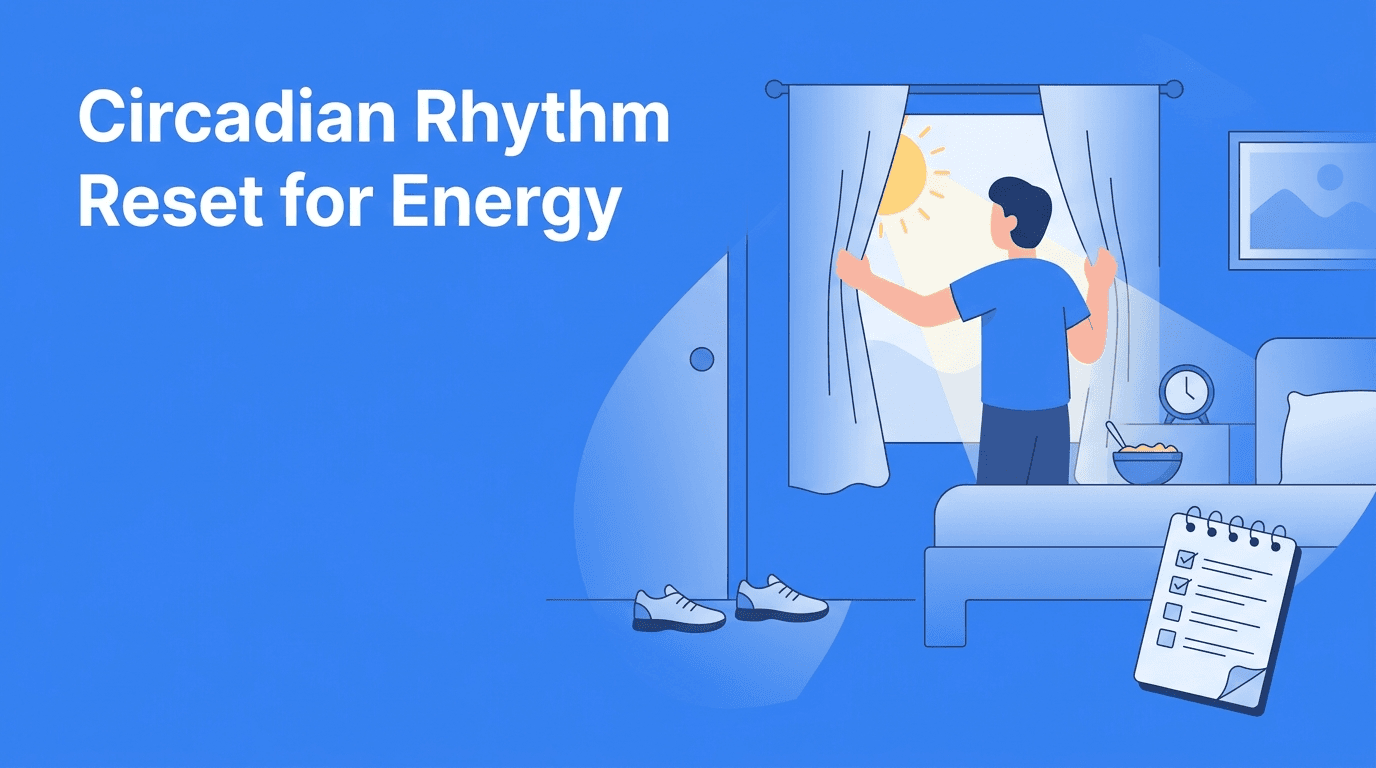
- Within 30 minutes of waking: open the curtains, drink water, and get light exposure.
- Morning: eat a balanced breakfast if it suits you, especially one with protein and fiber for steadier energy.
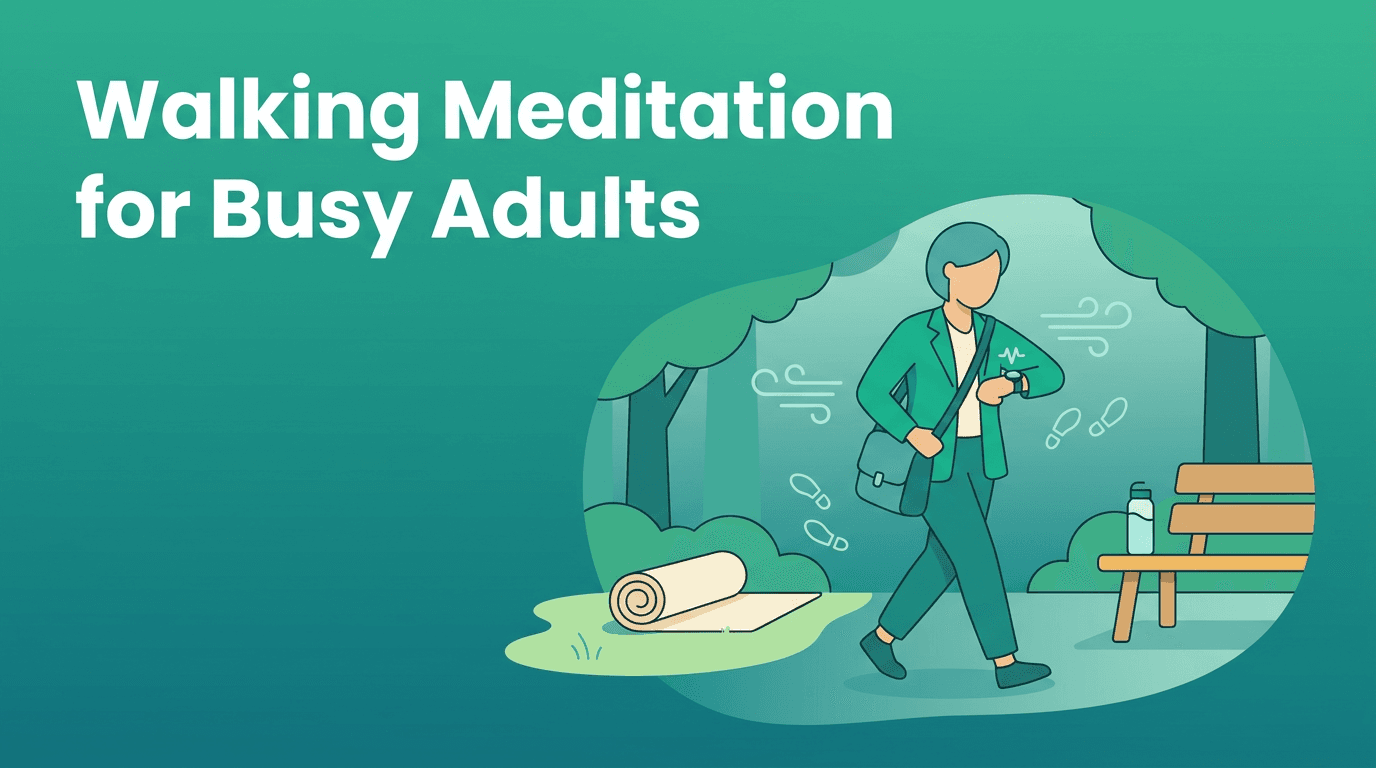
- Midday: take a brief walk or movement break to avoid the long sedentary slump.
- Afternoon: use caffeine thoughtfully, and avoid pushing it too late if sleep is a struggle.
- Evening: finish intense exercise earlier when possible, dim lights, and reduce overstimulating scrolling.
- Before bed: keep a short repeatable routine that feels calming and realistic.
Build your reset with guided support
Haply is an AI life coaching app on iOS and Android that can help you turn wellness goals into daily action. Use chat-based coaching, habit streaks, reminders, and tools like Meditation/Breathe and Sleep Stories to support healthier routines. Haply can complement your self-care plan, but it is not a replacement for medical or mental health care.
Try Haply FreeCommon mistakes that disrupt healthy habits
- Trying to fix sleep, nutrition, and exercise all at once, then burning out.
- Using weekends to completely reverse your schedule, creating a Monday reset every week.
- Relying on willpower instead of setting environmental cues like light, meal prep, and bedtime reminders.
- Ignoring stress. A dysregulated nervous system can make even smart routines hard to follow.
- Assuming low energy always means laziness, when it may reflect poor recovery, inconsistent habits, or sleep debt.
The most effective wellness plans are usually simple enough to repeat. A circadian rhythm reset works best when you choose a few consistent cues and let them build momentum over time.
How to make the reset stick for real life
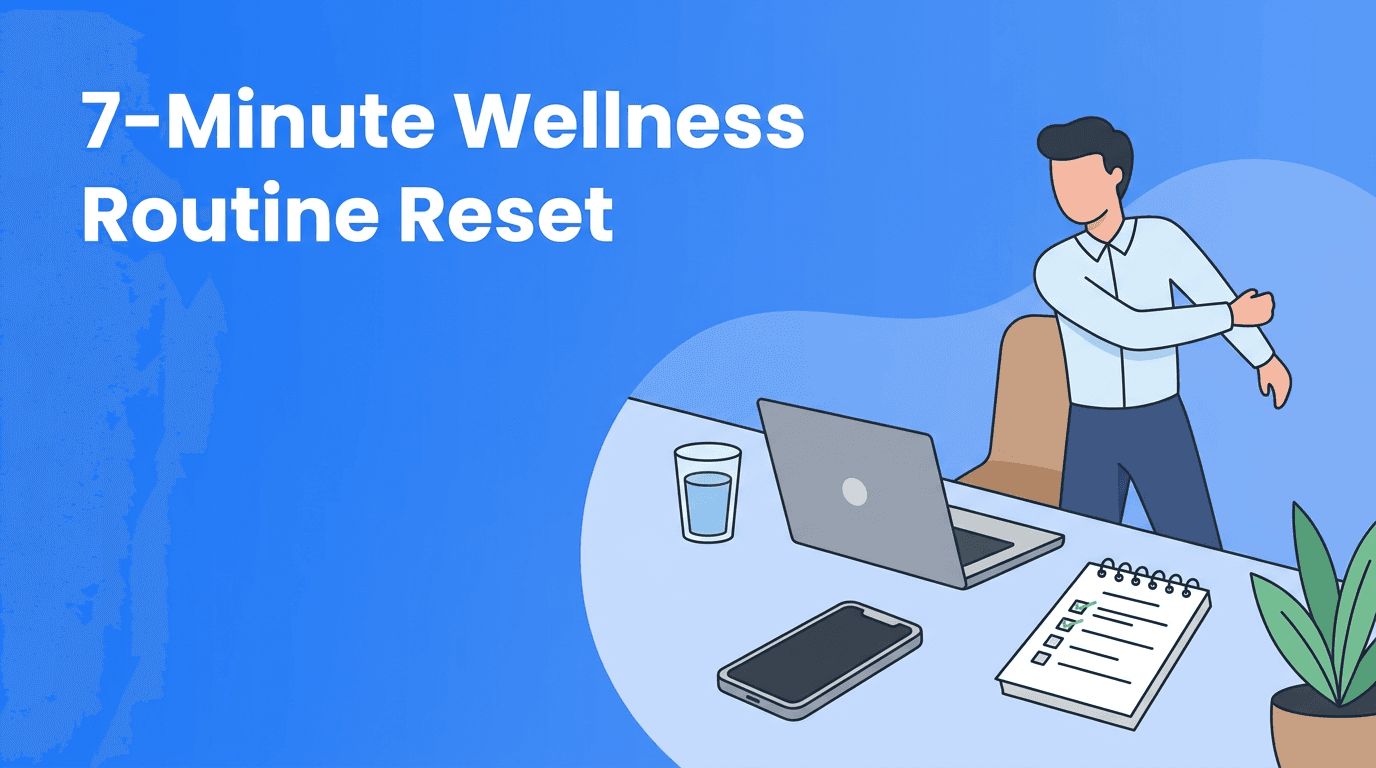
Start with a 7-day experiment. Track just four things: wake time, light exposure, meal timing, and bedtime routine. You do not need a perfect score. You need useful patterns. If your energy improves when breakfast is earlier or when evening screens end 30 minutes sooner, that is valuable feedback.
This is also where digital support can help. In Haply, you can use the Today Dashboard for a simple daily overview, set reminders for your sleep and movement goals, and check in with a Wellness coach for personalized suggestions. The app's habit tracker and mini-apps can make healthy habits feel more visible and easier to sustain.
Frequently Asked Questions
How do I reset my circadian rhythm naturally?
Start with a consistent wake time, morning light exposure, regular meals, and a calming evening routine. These repeated daily cues help your body clock adjust over time.
Can exercise help improve sleep and energy?
Yes, regular exercise often supports sleep quality, mood, and daytime energy. If late workouts keep you awake, try moving them earlier in the day.
What foods support better sleep?
A balanced eating pattern with regular meals can support better sleep. Many people also do better when heavy meals and excess caffeine are not pushed too late.
How long does a circadian rhythm reset take?
Some people notice small changes in a few days, but a more stable rhythm often takes one to two weeks of consistent habits. The key is repetition, not perfection.