Context Switching Costs: The Productivity Fix for Remote Work, Study Tips, and Freelancer Productivity
Context switching costs quietly drain remote work performance, student productivity, and freelancer productivity. Learn practical study tips and workflow fixes that help you protect focus every day.
By Haply Team
Haply Editorial Team
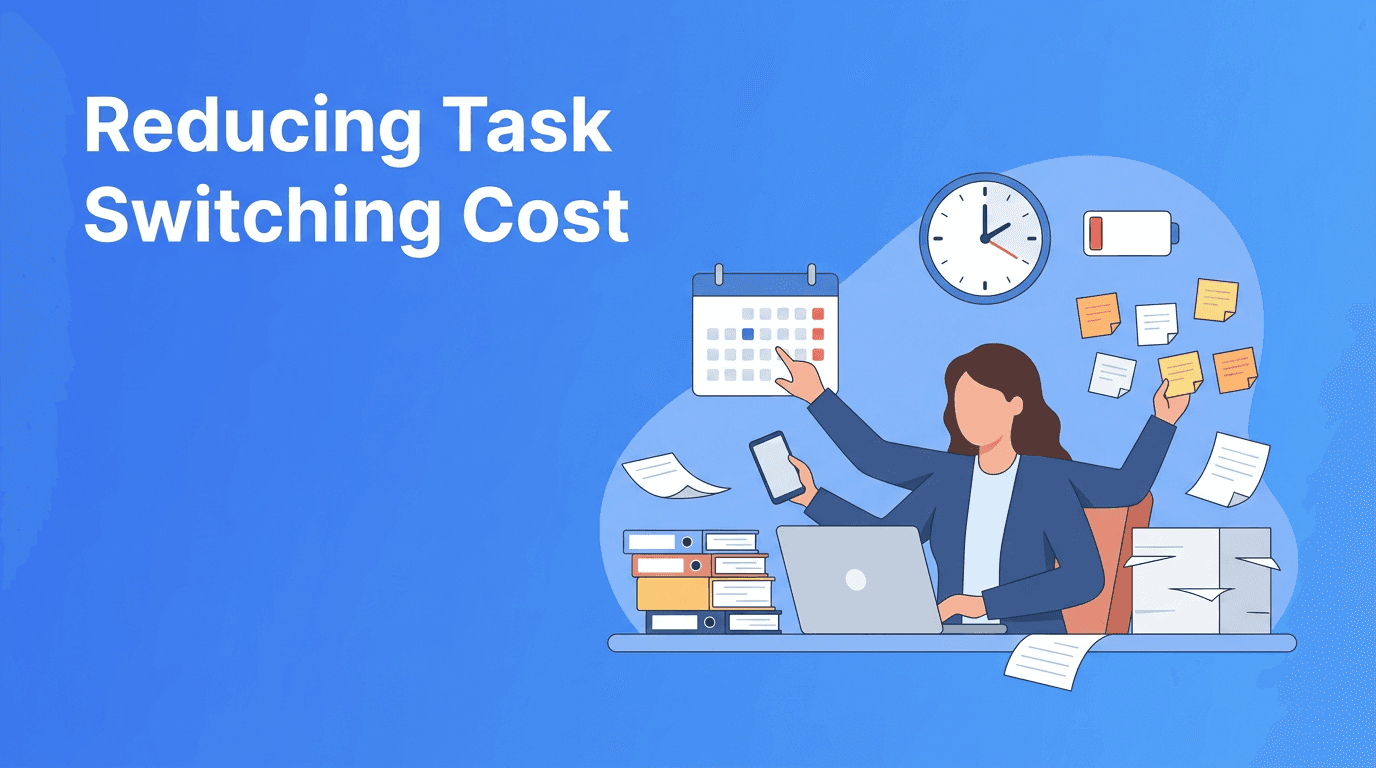
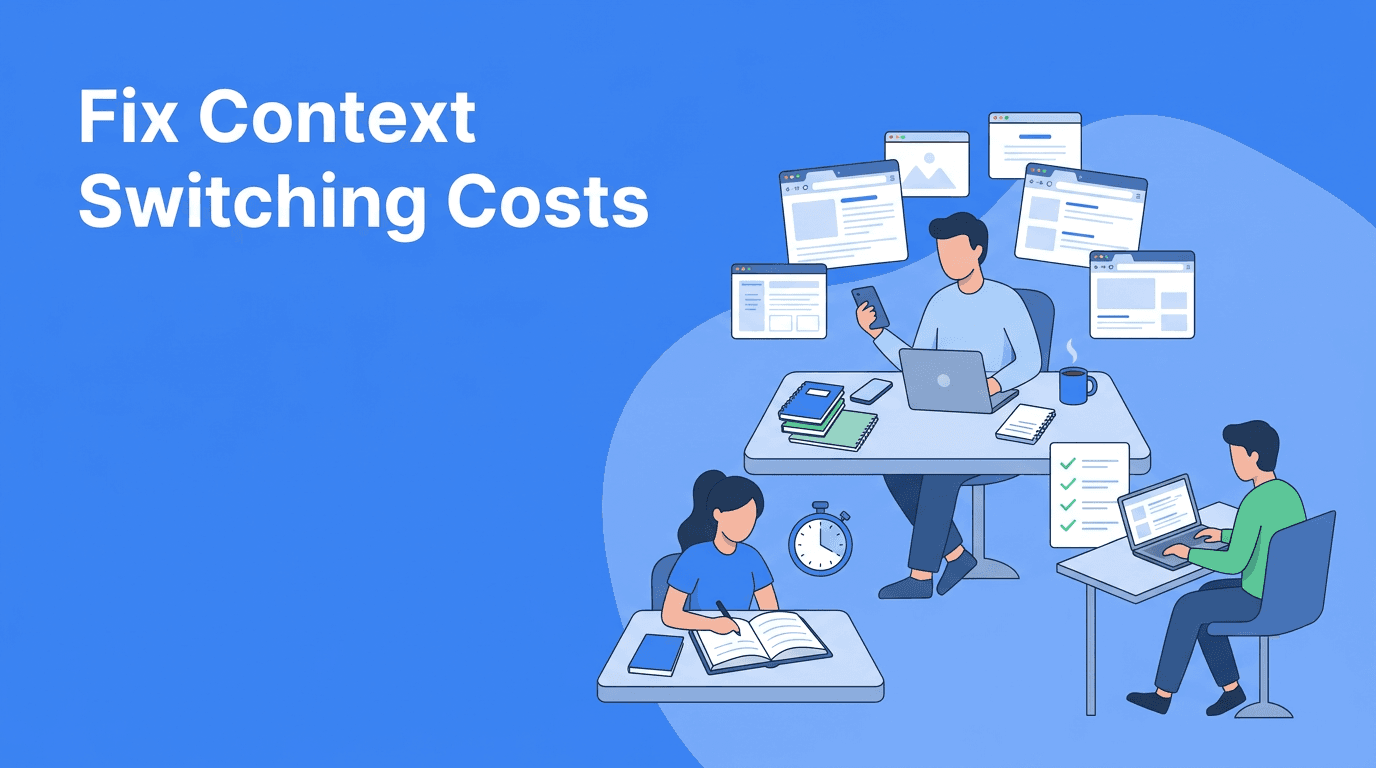
Context switching costs are one of the biggest hidden reasons your day feels busy but unfinished. In remote work, freelancing, and self-directed study, every Slack ping, tab jump, and quick task check steals mental energy. If you want better student productivity, smarter study tips, and stronger freelancer productivity, reducing task switching is one of the fastest wins.
Why context switching feels harmless, but is expensive
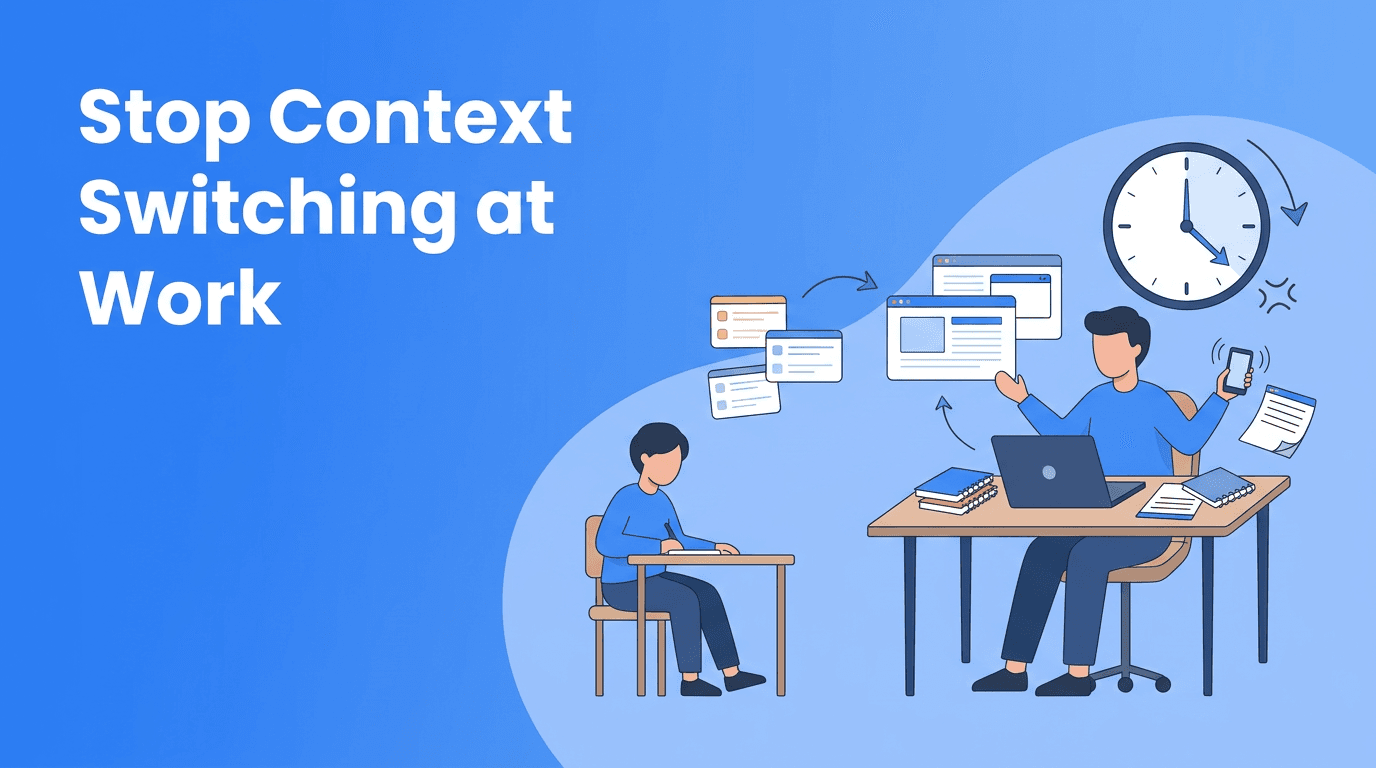
Most people do not decide to multitask. It usually starts with something that looks productive: replying to one message, checking one file, or searching one detail before getting back to the main task. The problem is that your brain has to reload the original task every time. That reload time is where focus leaks away.
- Remote workers often switch between meetings, chat, email, and independent work without a clear reset.
- Freelancers juggle client communication, admin work, creative output, and invoicing in the same hour.
- Students jump between lecture notes, assignments, research, and notifications, which makes study sessions feel longer and less effective.
"You do not lose focus all at once. You lose it one small interruption at a time."
The real signs of context switching costs
You may be dealing with context switching costs if your day has these patterns:
- You finish the day with many tasks started, but few fully completed.
- You reread the same paragraph or email because your attention keeps resetting.
- You feel mentally tired after shallow work, even when you were busy all day.
- You need a long warm-up period every time you return to an important task.
- Your to-do list grows because small interruptions keep replacing meaningful progress.
A simple test you can try today
Pick one task that should take 30 minutes. Do it once with notifications on and inboxes open. Do it another day with one tab, one timer, and no message checking. Most people notice the difference immediately. This is why practical study tips and focus systems matter more than motivation alone.
How to reduce context switching during remote work
For remote work, the goal is not perfect silence. It is building a workday that protects your best thinking from unnecessary interruptions.
- Create communication windows. Check email and chat at set times instead of all day.
- Use a task landing note before switching. Write the next step for your current task so re-entry is easier.
- Group similar work together, such as meetings, writing, planning, or admin.
- Keep only the tabs open that support the task you are doing right now.
- Turn recurring tasks into checklists so your brain does not have to restart from scratch each time.
Build a focus system that actually sticks
Haply helps you reduce distraction with chat-based coaching, a Focus Timer, Task Planner, daily reminders, and a personalized dashboard for your goals on iOS and Android.
Try Haply FreeA better meeting buffer for remote teams
If your schedule is full of calls, add 5 to 10 minutes after meetings for notes, decisions, and next actions. Without a buffer, meetings spill into your next task and raise context switching costs. A short reset protects momentum better than rushing straight into the next thing.
Study tips that lower mental switching
Good study tips are often less about working harder and more about reducing friction. For stronger student productivity, make each study block about one clear outcome.
- Study by question, not by vague subject. Example: "Can I explain this chapter in five bullet points?"
- Separate review, practice, and memorization into different blocks instead of mixing them.
- Keep a "later list" nearby for unrelated thoughts so they do not hijack your study session.
- Use short reset rituals between subjects, like standing up, refilling water, or rewriting the next goal.
- Put your phone out of reach during hard thinking, not just face down on the desk.
Freelancer productivity without constant tab hopping
Freelancer productivity suffers when every client request feels equally urgent. If you work for yourself, protecting focus is part of protecting income.
- Set client response hours so you are not replying all day.
- Use project templates for proposals, onboarding, deliverables, and invoices.
- Start your day with one revenue-driving task before admin work.
- Keep a separate capture list for ideas so you do not interrupt billable work.
- End each work block by logging the next action, file, and deadline.
This is where tools can help. With Haply, you can use a Productivity coach, the Task Planner, and daily reminders to turn scattered intentions into a repeatable workflow. Its goal-based onboarding also helps you tailor the system to your work style instead of copying someone else's routine.
A 4-step daily reset for lower switching costs
- Choose one priority for your first focus block.
- Close competing inputs like inboxes, chats, and extra tabs.
- Set a timer for 25 to 50 minutes and work on only one outcome.
- Leave a re-entry note when you stop, so the next session starts faster.
This small routine works well for remote work, self-study, and independent client work because it reduces the number of times your brain has to restart. Over time, fewer restarts mean more consistent output and less end-of-day exhaustion.
Focus is not about discipline alone
If you struggle to concentrate, the answer is not always more willpower. Often, the real fix is designing a day with fewer unnecessary switches. Once you see context switching costs clearly, better remote work habits, practical study tips, and stronger freelancer productivity become much easier to build.
Frequently Asked Questions
What are context switching costs in productivity?
Context switching costs are the time and mental energy lost when you move between tasks and have to refocus. They make work feel busy while reducing real progress.
How can remote workers reduce task switching?
Remote workers can reduce task switching by setting communication windows, grouping similar tasks, limiting open tabs, and adding buffers after meetings.
What are the best study tips to avoid distractions?
Useful study tips include working on one clear goal at a time, separating review from practice, keeping a later list, and putting your phone out of reach.
Why is freelancer productivity affected by interruptions?
Freelancers often manage client communication, admin, and creative work at once. Frequent interruptions break concentration and reduce the time available for billable deep work.