Attention Residue: The Hidden Productivity Trap That Worsens Procrastination
Attention residue may be the missing reason your time management keeps slipping. Learn how to reduce procrastination, protect deep work, and rebuild motivation with practical productivity tips.

By Haply Team
Haply Editorial Team
You can have a solid planner, a long to-do list, and the best intentions, yet still feel strangely scattered. Attention residue is often the reason. It happens when part of your mind stays stuck on the last task, making your current work slower, shallower, and more frustrating. If your time management looks fine on paper but your focus keeps falling apart, this hidden pattern may be what is driving procrastination and draining motivation.
What attention residue really means
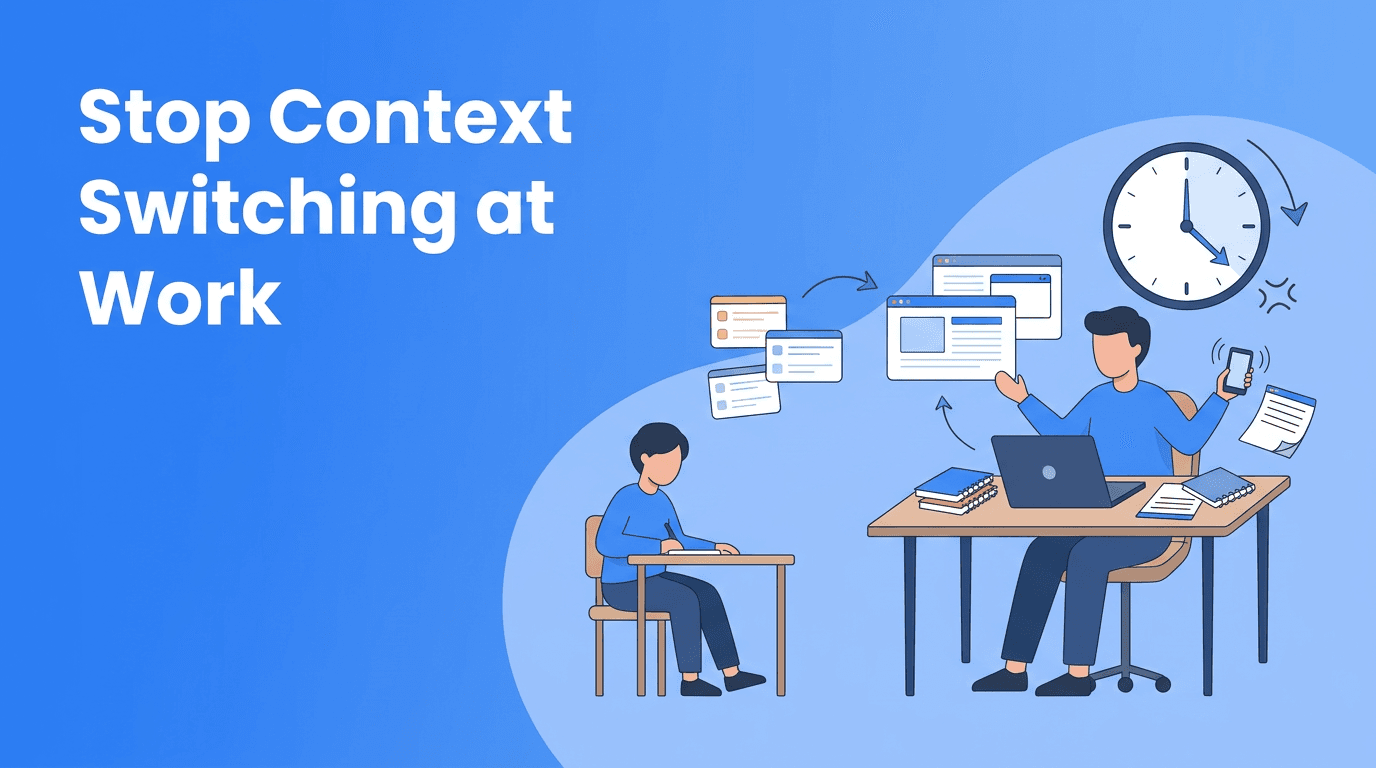
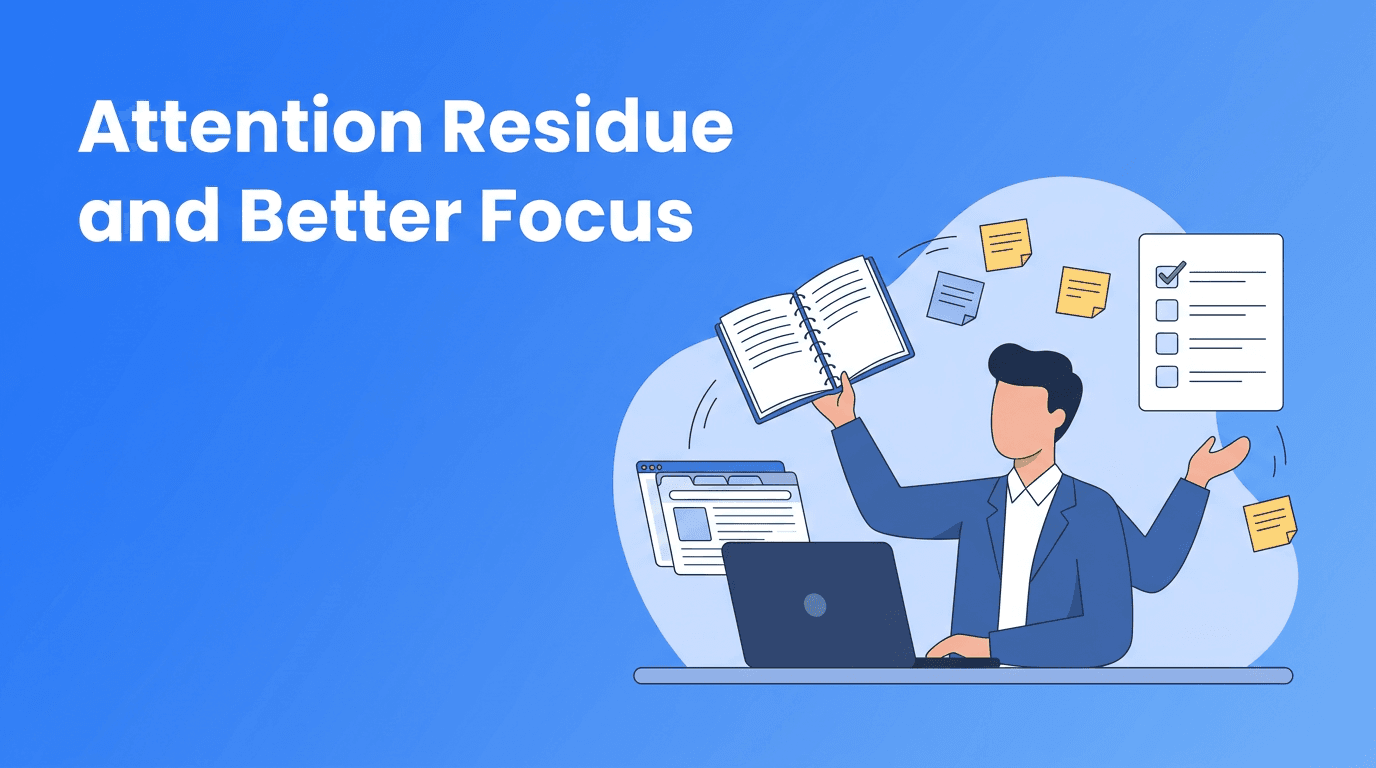
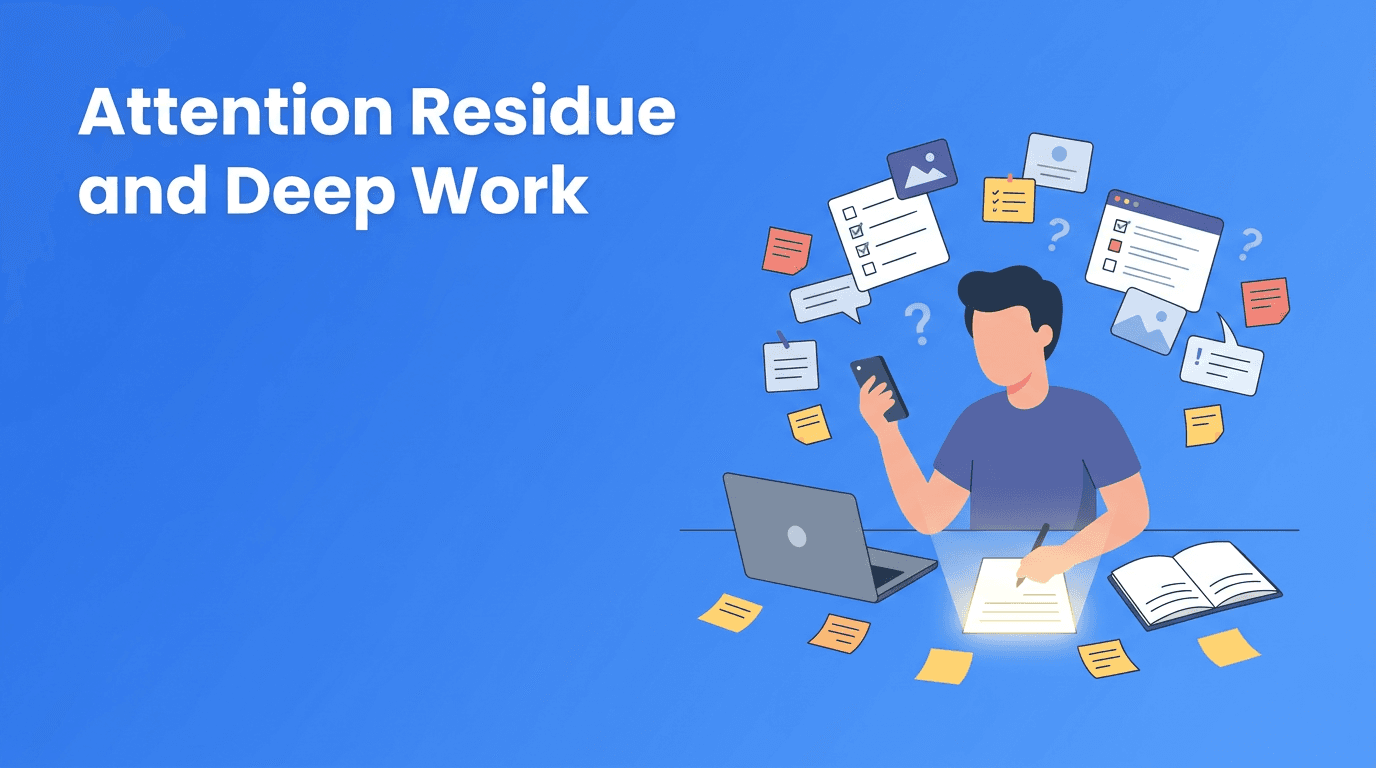
Attention residue is the mental leftover that lingers after you switch tasks. You may answer one email, jump into a meeting, check a message, then try to start a report. Even though your body is now at the report, part of your brain is still back in the inbox or replaying the meeting. This is one reason deep work feels harder than it should.
Why busy does not always mean productive
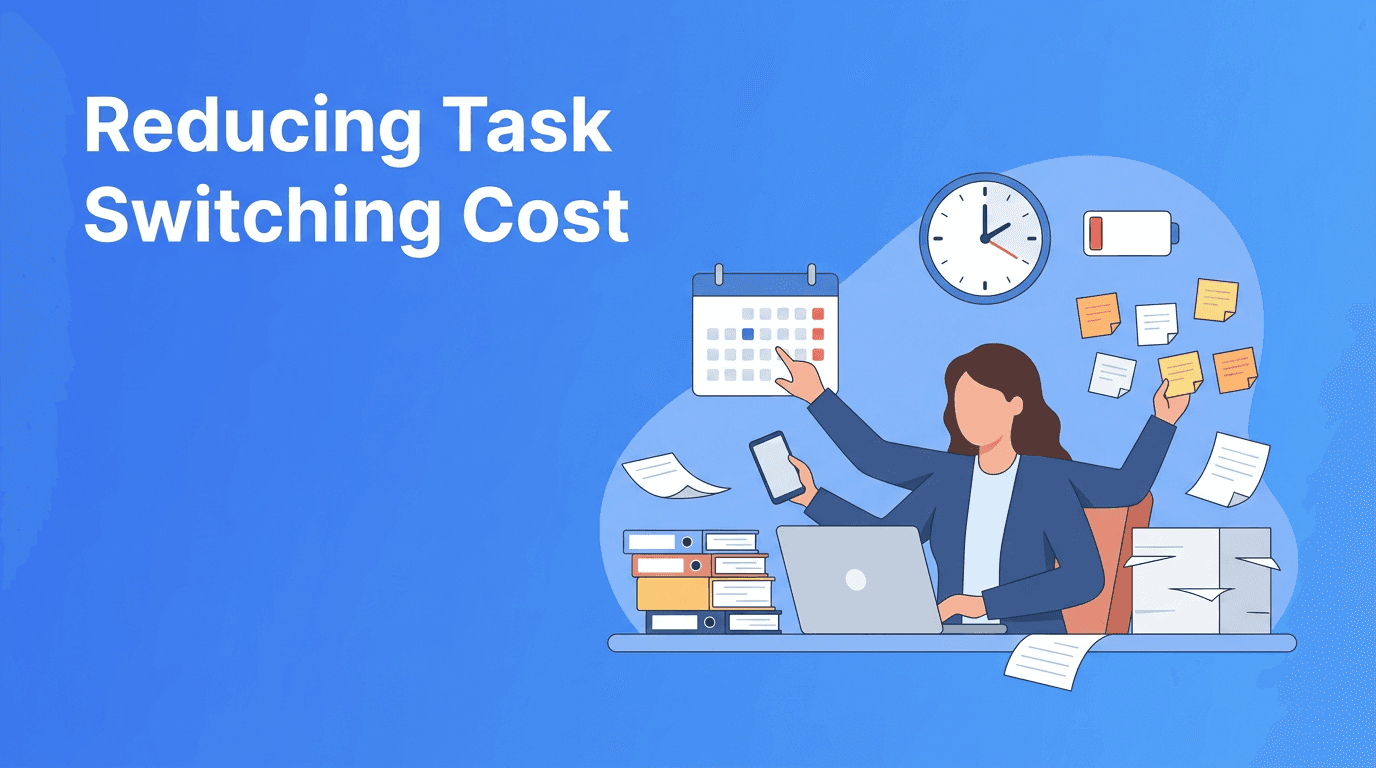
A packed day can create the illusion of progress. But constant switching often lowers quality, extends completion time, and makes simple tasks feel heavy. Many common productivity tips focus on doing more, when the real issue is often doing too many different things too close together.
"Your brain does not reset just because your calendar says the next task has started."
How attention residue fuels procrastination
People often think procrastination is laziness or weak discipline. In reality, it is frequently a response to mental friction. When your attention is split, starting the next task feels uncomfortable. You may then reach for low-effort work like checking messages, reorganizing your list, or doing tiny admin tasks because they feel easier than entering a cognitively demanding task with a cluttered mind.
- Open loops keep pulling at your attention, especially unfinished conversations and half-done tasks.
- Emotional residue from difficult work, like feedback or conflict, can make your next task feel heavier.
- Digital interruptions make residue worse because every alert creates another mental thread.
- Low motivation is often a symptom of scattered attention, not a character flaw.
The time management mistake most people miss
One of the biggest time management mistakes is planning by hours without planning for transitions. Most schedules assume you can move cleanly from one type of work to another. Real brains do not work that way. A better plan includes small reset moments between tasks, especially before work that requires concentration, writing, studying, or problem-solving.
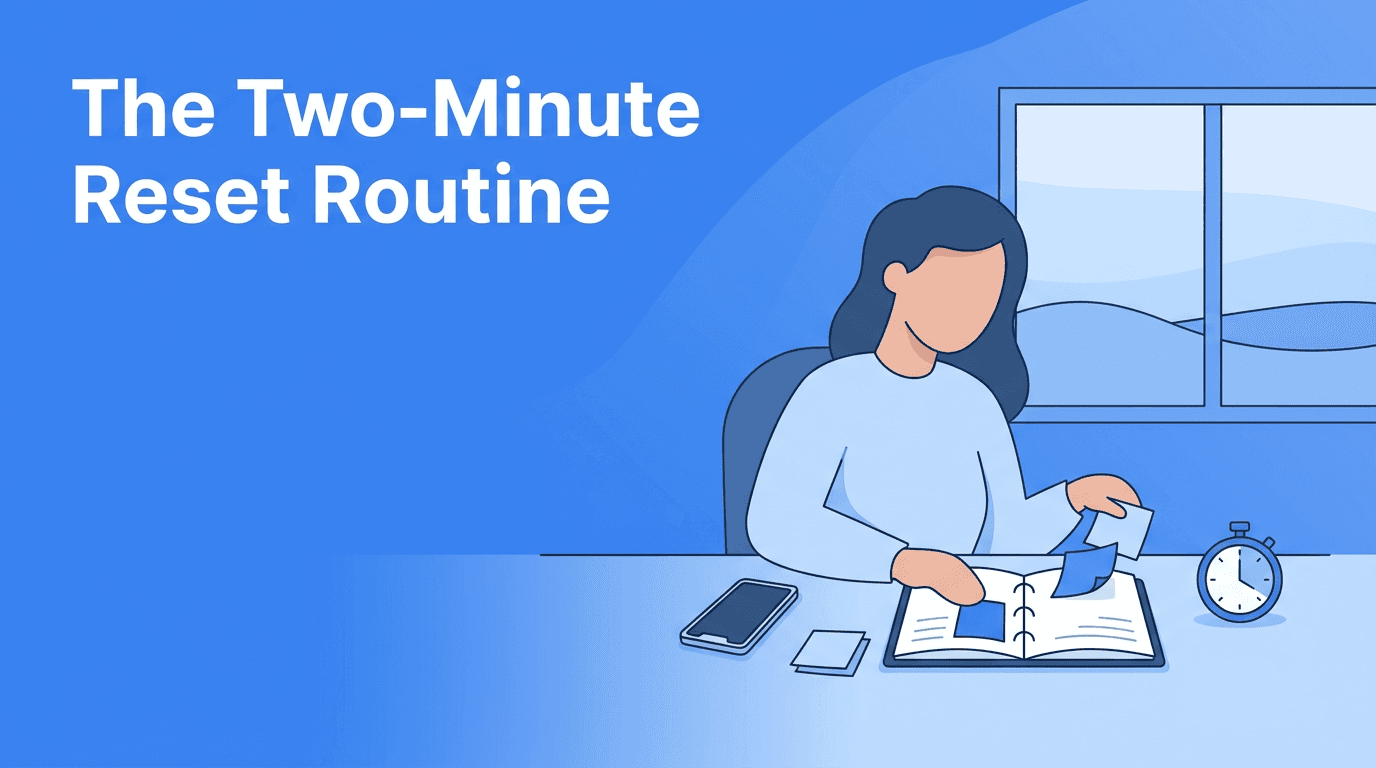
A simple 4-step reset for deep work
1. Close the loop you are leaving
Before switching, write one sentence about where you stopped and what comes next. This reduces mental drag because your brain trusts that the task is not being lost.
2. Clear one distraction source
Silence notifications, close extra tabs, or put your phone out of reach. Removing even one input channel can lower cognitive noise fast.
3. Set a tiny starting target
Instead of telling yourself to finish the whole project, aim to work for 10 minutes or complete one clear action. Small starts rebuild motivation and lower resistance.
4. Protect the first 15 minutes of deep work
The beginning of deep work is fragile. Do not check messages, tweak your setup, or reopen old tasks during that window. Let your attention fully land before you judge your progress.
Want help protecting your focus every day?
Haply is an AI life coaching app for iOS and Android that helps you reduce overwhelm with personalized Productivity coaching, a Focus Timer, Task Planner, daily reminders, and a Today Dashboard that keeps your priorities visible.
Try Haply FreePractical productivity tips to reduce mental residue
- Group similar tasks together so your brain stays in one mode longer.
- Leave short notes at stopping points so restarting feels easier.
- Schedule meetings away from your highest-focus hours when possible.
- Use a shutdown ritual at the end of the day to prevent unfinished work from following you into personal time.
- Keep a capture list nearby for random thoughts instead of acting on them immediately.
- When you feel stuck, ask: 'What is still mentally open right now?' That question often reveals the real blocker.
When motivation is not the real problem
If you keep waiting to feel inspired before starting, you may be misreading the situation. Often, motivation improves after attention settles, not before. This is why reducing attention residue can help more than chasing new hacks. Clearer transitions create calmer starts, and calmer starts make action feel possible.
If you want support building that rhythm, Haply can help you create a personalized system with chat-based coaching, habit tracking, and tools like the Focus Timer to make focused sessions easier to start and repeat.
A gentler way to think about productivity
Better productivity is not always about squeezing more into the day. Sometimes it is about protecting your mind from too many unfinished threads. When you reduce attention residue, time management gets easier, procrastination loses some of its power, and deep work becomes more realistic, even on busy days.
Frequently Asked Questions
What is attention residue in productivity?
Attention residue is the mental carryover from a previous task that makes it harder to fully focus on the next one. It often shows up after task switching, meetings, emails, or interruptions.
How does attention residue affect deep work?
It weakens concentration at the start of focused work and makes it harder to think clearly for long periods. That is why deep work often feels harder after constant switching.
Can attention residue cause procrastination?
Yes. When your mind is still partly occupied by another task, starting new work feels more difficult, so you are more likely to delay or choose easier tasks instead.
How can I reduce attention residue at work?
Use short transition rituals, close open loops with notes, reduce notifications, and batch similar tasks when possible. Small changes in how you switch tasks can improve focus quickly.