Context Switching at Home: A Practical Productivity Plan for Remote Work and Study
Context switching can quietly drain remote work, freelancer productivity, and student productivity. Learn a practical system to protect focus, study better, and get more done.
By Haply Team
Haply Editorial Team
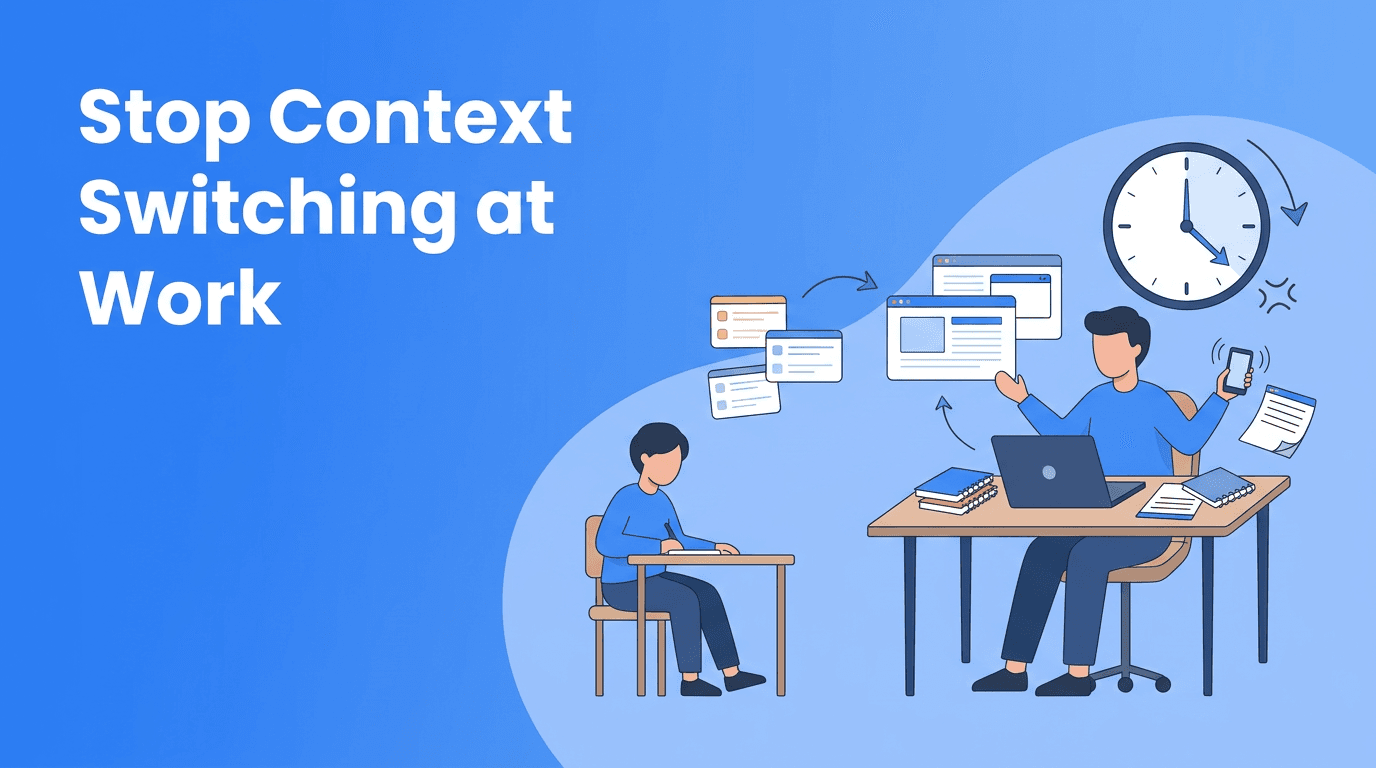
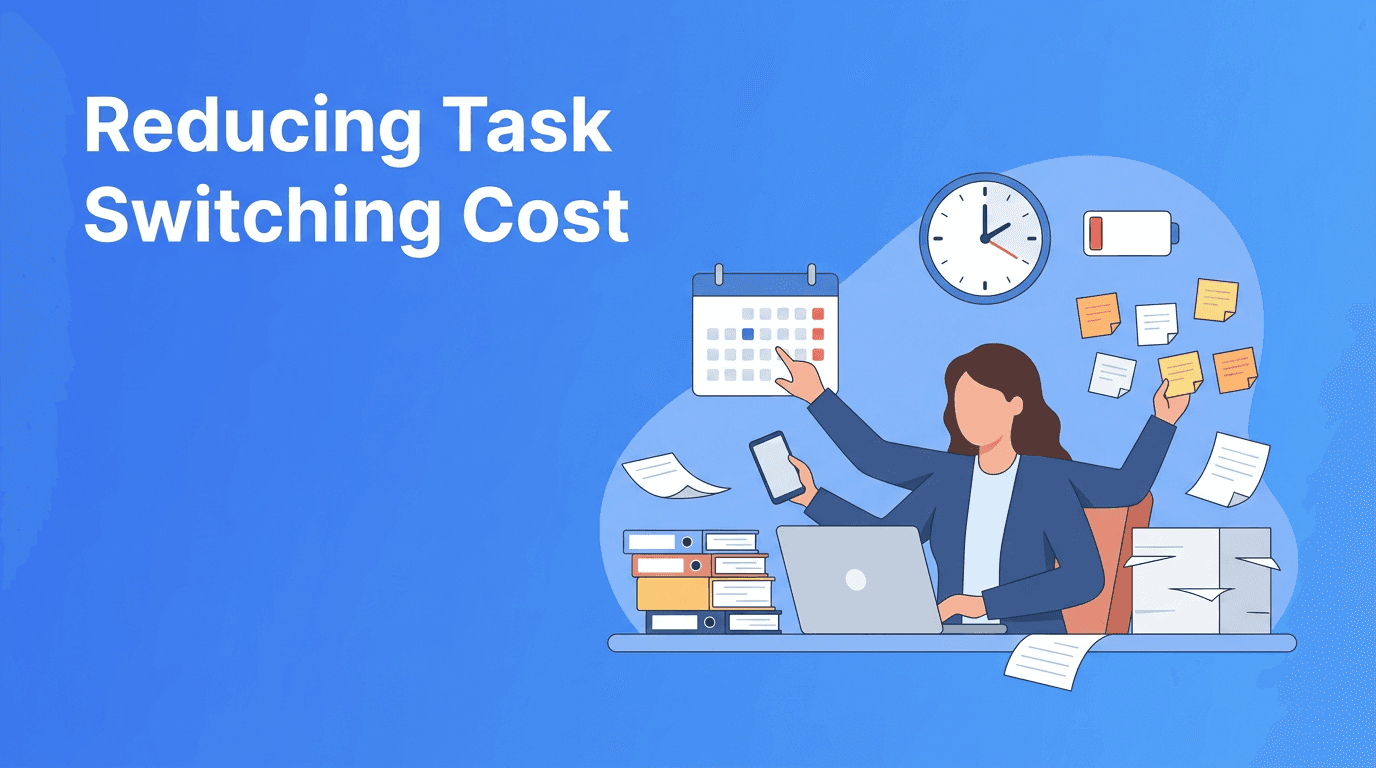
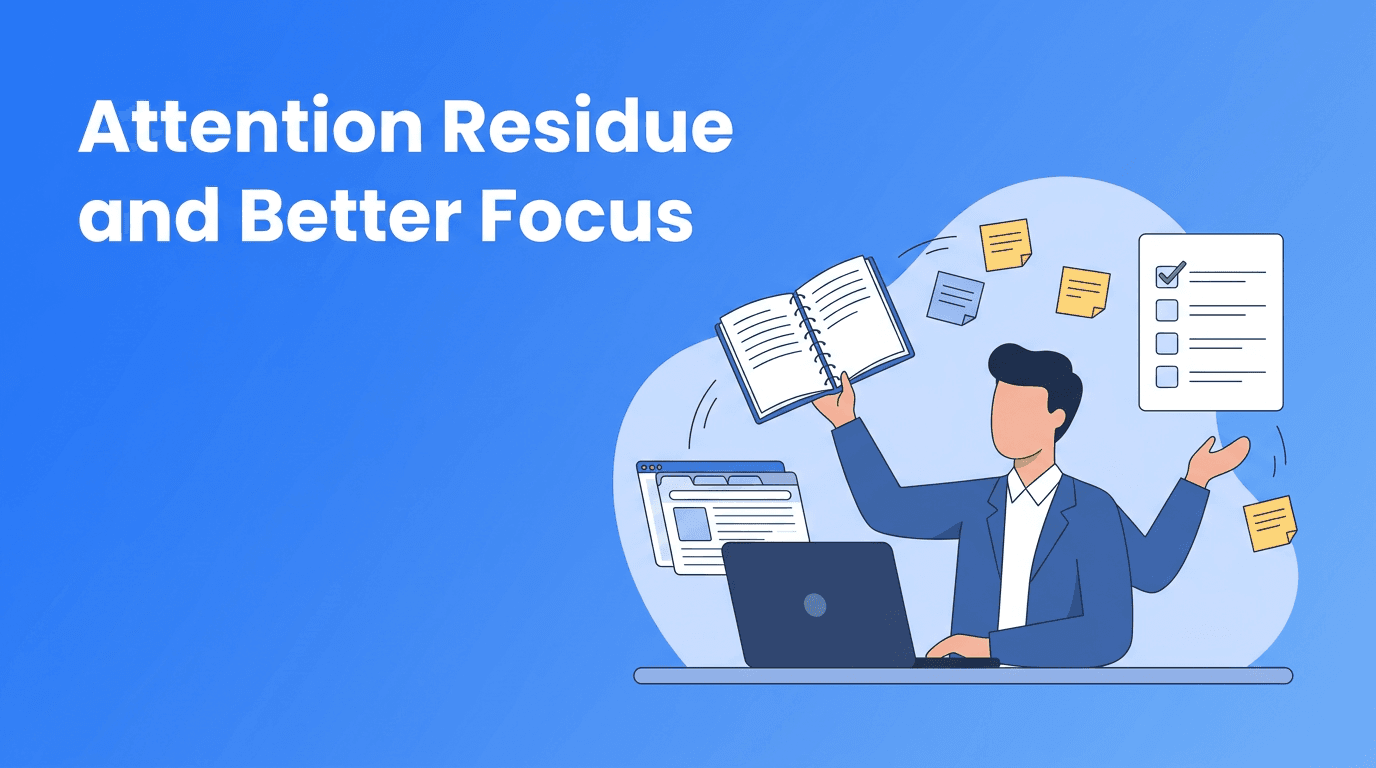
Context switching is one of the biggest hidden reasons people feel busy but finish less. In remote work, freelance life, and self-directed study, your brain is often asked to jump between messages, assignments, admin, and personal tasks. The result is slower work, lower quality, and mental fatigue that makes even simple tasks feel harder.
If you are balancing client work, classes, side projects, or home responsibilities, learning to reduce context switching can improve freelancer productivity, support student productivity, and make your day feel far more manageable. The good news is that you do not need a perfect routine. You need a better transition system.
Why context switching gets worse at home
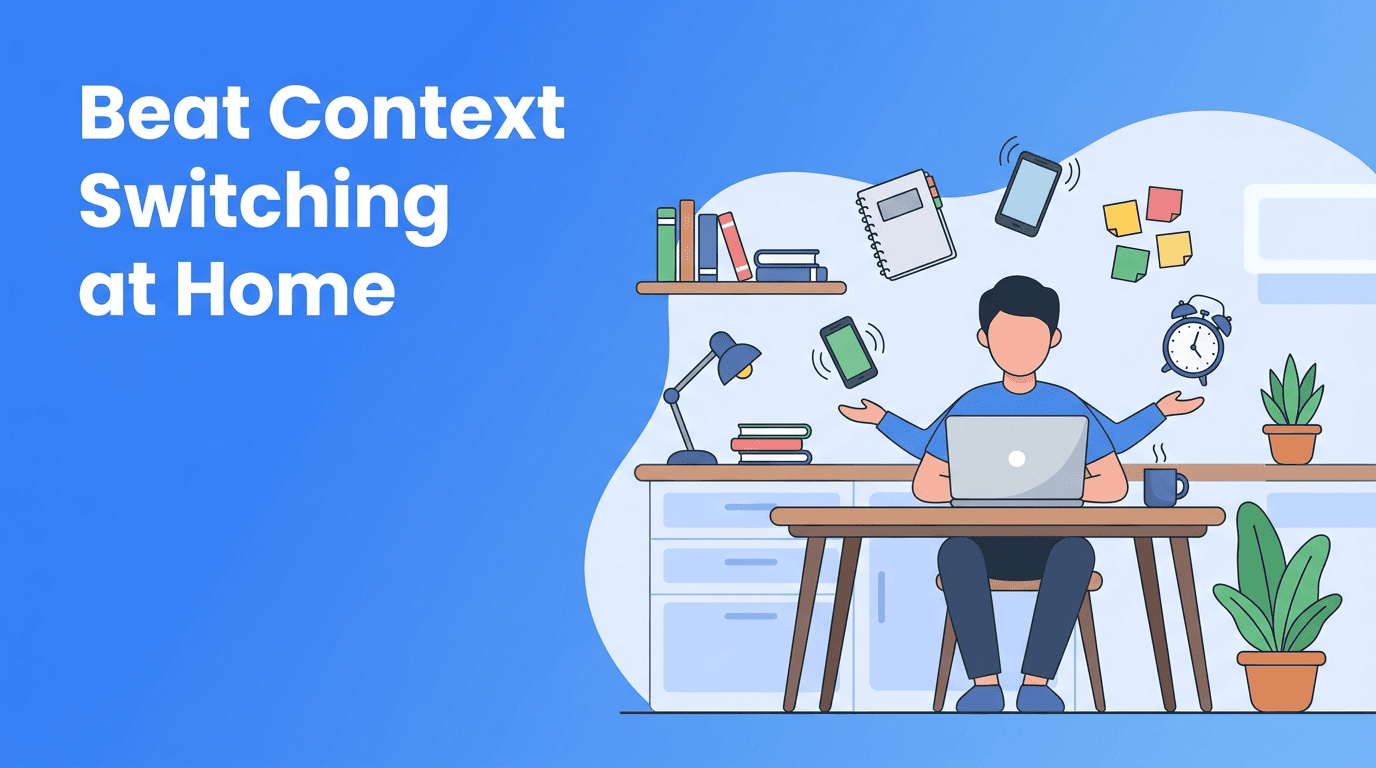
At home, boundaries are naturally weaker. Your work device may sit next to your personal phone. Your study notes may share space with bills, laundry, or open browser tabs. In one hour, you might answer a client, review a class lecture, check delivery updates, and reply to a friend. That constant shifting trains your attention to stay fragmented.
- Remote work often mixes deep tasks with nonstop chat and meeting alerts.
- Freelancer productivity suffers when admin work, pitching, and client delivery compete for the same attention.
- Student productivity drops when studying is interrupted by notifications, multitasking, or unclear next steps.
- Without simple boundaries, your brain keeps restarting instead of building momentum.
"Focus is not about doing one thing forever. It is about returning to the right thing faster and more intentionally."
The 4-zone method for fewer mental resets
A practical fix is to divide your day into four functional zones instead of one endless to-do list. This method works well for remote workers, freelancers, and students because it groups similar mental demands together.
1. Create a deep work zone
Use this zone for tasks that need real thinking: writing, coding, design, reading, problem-solving, or exam prep. During this block, close communication apps and keep only one task visible. These are your highest-value hours.
2. Create a communication zone
Check email, chat, comments, and client messages in a dedicated window instead of reacting all day. This protects your attention and reduces the stop-start pattern that makes context switching so expensive.
3. Create an admin zone
Put scheduling, invoices, file organization, forms, and small errands into one batch. This is especially useful for freelancer productivity, because admin tasks can quietly consume creative energy if scattered across the day.
4. Create a reset zone
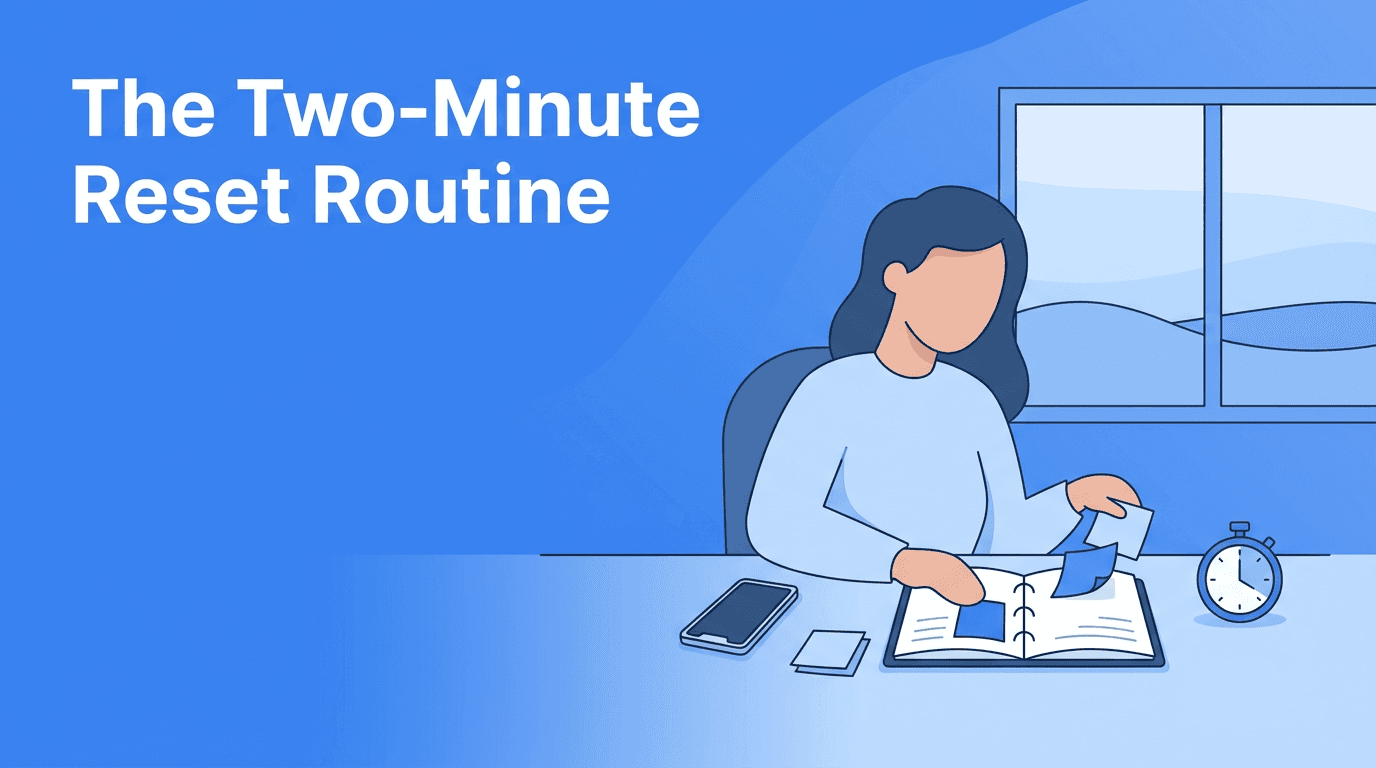
Use 5 to 15 minutes between blocks to stretch, breathe, refill water, or write the next step for your next task. A reset zone helps your brain close one loop before opening another.
Simple study tips to reduce context switching
Many popular study tips focus on motivation, but structure matters more. If you want better student productivity, make your study sessions easier to enter and easier to resume after interruptions.
- Keep one clear goal per session, such as finish practice questions 1-10 or summarize chapter 3.
- Write a restart note before every break: what you were doing, what comes next, and where to begin.
- Use full-screen mode or website blockers during difficult reading or assignments.
- Separate learning tasks from logistics. Do not mix actual studying with checking grades, emails, and course portals.
- End each session by setting up the materials for the next one. This lowers friction later.
A realistic daily flow for remote work and study
You do not need to copy someone else's perfect schedule. A better approach is to assign your most focused hours to demanding work and place lighter tasks where your energy naturally dips.
- Morning: deep work or hard study session
- Midday: communication and meetings
- Afternoon: admin, revisions, follow-ups
- Late day: planning tomorrow and shutting down open loops
This kind of rhythm supports remote work without forcing you to be productive every minute. It also gives students and freelancers a more realistic structure than trying to multitask all day.
Build a focus system that fits real life
Haply is an AI life coaching app for iOS and Android that helps you reduce overwhelm and work with more clarity. Use the Focus Timer, Task Planner, habit tracking, and personalized Productivity coaching to create better work and study routines.
Try Haply FreeHow to recover when your day gets derailed
Even the best plan will get interrupted. What matters is having a fast recovery process. When your attention breaks, do these three things:
- Name the current task in one sentence.
- Choose the next visible action, not the whole project.
- Set a 10-minute timer and restart before you decide how you feel.
This is where context switching becomes manageable. Instead of losing an hour to drift, you create a short bridge back into meaningful work.
Use tools that reduce friction, not add more
Productivity tools help only when they simplify decisions. With Haply, you can use the Today Dashboard to see your priorities, the Task Planner to break work into smaller steps, and chat-based AI coaches for support across Productivity, Learning, Wellness, and Career. If you are trying to balance remote work, assignments, and personal goals, fewer moving parts usually leads to better consistency.
Frequently Asked Questions
What is context switching in productivity?
Context switching is the mental shift from one task, tool, or role to another. It reduces focus because your brain needs time to reorient each time you switch.
How can remote workers avoid context switching?
Remote workers can reduce context switching by grouping similar tasks, checking messages at set times, and using short reset breaks between work blocks.
What are the best study tips for better focus?
Use one goal per study session, remove distractions, leave restart notes before breaks, and separate studying from admin tasks like checking grades or email.
Why does freelancer productivity drop during the day?
Freelancers often switch between client work, admin, sales, and communication. That constant shifting drains attention and makes it harder to maintain momentum.
Can an app help with student productivity and focus?
Yes. An app like Haply can support student productivity with planning tools, focus sessions, reminders, and coaching that helps you build better routines.