Decision Fatigue Fix: A Simple Wellness Routine for Better Mental Health
Decision fatigue can quietly drain your wellness, mental health, and stress management habits. Learn a simple self-care routine that supports healthy living every day.

By Haply Team
Haply Editorial Team
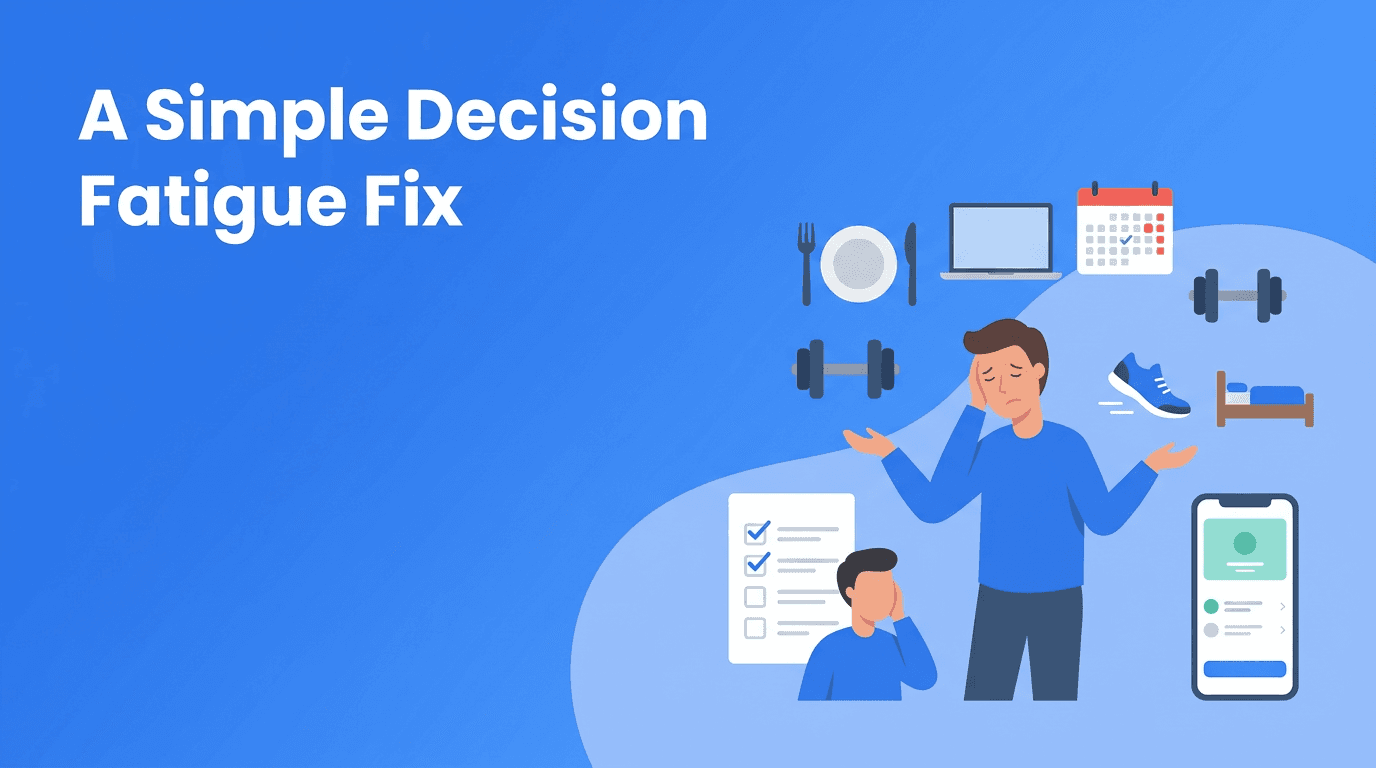
Some days, the hardest part is not the workload, it is the endless choosing. Decision fatigue can quietly wear down your wellness, lower your patience, and make stress management feel harder than it should. When your brain is overloaded by small choices, even basic self-care and healthy living habits can start to slip.
Why decision fatigue affects wellness
Every choice uses mental energy. What to eat, when to reply, whether to work out, which task matters most, when to rest, and how to handle other people's needs. By the end of the day, your brain may push you toward whatever feels easiest, fastest, or most familiar. That does not mean you are lazy. It often means your mind is tired.
This is where mental health and daily routines intersect. When decision load stays high for too long, people often notice more irritability, procrastination, low motivation, and inconsistent habits. A calm structure can reduce friction and protect your energy.
"You do not need more willpower. You often need fewer unnecessary decisions."
Common signs of decision fatigue
- You postpone simple tasks because everything feels equally urgent
- You snack, scroll, or shop impulsively when your energy drops
- You feel unusually annoyed when someone asks, "What do you want to do?"
- Your usual self-care habits feel harder to start
- You keep switching between tasks without finishing them
- You know what supports healthy living, but you cannot seem to follow through consistently
Why this matters for stress management
When your brain is overworked, it tends to choose short-term relief over long-term support. That can look like skipping meals, staying up too late, avoiding movement, or doomscrolling instead of resting. Good stress management becomes less about trying harder and more about making supportive choices easier.
A 5-part decision fatigue routine
1. Create default choices
Pick two or three repeat options for the decisions that drain you most. For example, rotate a few easy breakfasts, keep a short grocery list, or assign themes to weekdays. Defaults reduce mental clutter and support wellness without requiring constant planning.
2. Make your top three non-negotiables visible
Choose three basics that protect your energy, such as water, movement, and a realistic bedtime. Write them on paper or in your phone. When decision fatigue shows up, return to these essentials instead of trying to optimize everything.
3. Use tiny reset questions
- What is the next smallest helpful step?
- What choice would make tonight easier?
- What do I need right now: food, movement, rest, or support?
- What can I decide once and repeat this week?
4. Reduce visual and digital overload
Too many tabs, notifications, and open tasks increase cognitive strain. Try closing unused apps, silencing nonessential alerts, and keeping one short task list. If technology feels noisy, a tool like Haply can help by organizing goals into simple daily actions through chat-based coaching, reminders, and mini-apps like the Focus Timer and Meditation/Breathe. It can be a supportive companion for wellness, not a replacement for professional care.
5. Decide important things earlier
If possible, make meaningful choices before your energy dips. Morning or early afternoon is often better for planning meals, workouts, focused work, or difficult conversations. Save low-stakes tasks for later when your mental battery is lower.
Want gentler support for daily wellness?
Haply offers AI life coaching, habit tracking, and mini-apps that can simplify routines, reduce overwhelm, and support better self-care habits.
Try Haply FreeHow to build a low-friction self-care system
A strong self-care system is not about doing more. It is about removing obstacles. Put vitamins near your toothbrush, fill your water bottle before bed, keep a short walk route ready, or set out workout clothes in advance. The easier the habit, the less decision-making it requires.
- Prep one nourishing snack in advance
- Keep one calming evening ritual
- Use one trusted to-do list instead of many
- Set a regular time for planning tomorrow
- Choose simple rewards that support mental health, like music, stretching, or sunlight
When decision fatigue may be a sign to pause
Sometimes decision fatigue is not just about being busy. It can be a clue that your schedule, emotional load, or expectations need attention. If you feel persistently overwhelmed, numb, or unable to function, reaching out to a licensed mental health professional can help. Support tools, routines, and apps work best alongside real human care when needed.
Frequently Asked Questions
What is decision fatigue in simple terms?
Decision fatigue is the mental exhaustion that happens after making too many choices. It can make even small decisions feel stressful or frustrating.
How do I reduce decision fatigue every day?
Use defaults, simplify routines, and make important decisions earlier in the day. Reducing small repeated choices helps preserve energy.
Can decision fatigue affect mental health?
Yes. Decision fatigue can increase irritability, stress, and avoidance, especially when it disrupts sleep, food, and self-care habits.
What are the symptoms of decision fatigue?
Common signs include procrastination, impulsive choices, low patience, mental fog, and trouble sticking to healthy routines.