Decision Fatigue at Work: Build a Simpler Productivity System That Lasts
Decision fatigue at work can quietly drain focus, slow prioritization, and weaken your productivity systems. Learn how to reduce choices, improve scheduling, and build habits that protect efficiency.

By Haply Team
Haply Editorial Team
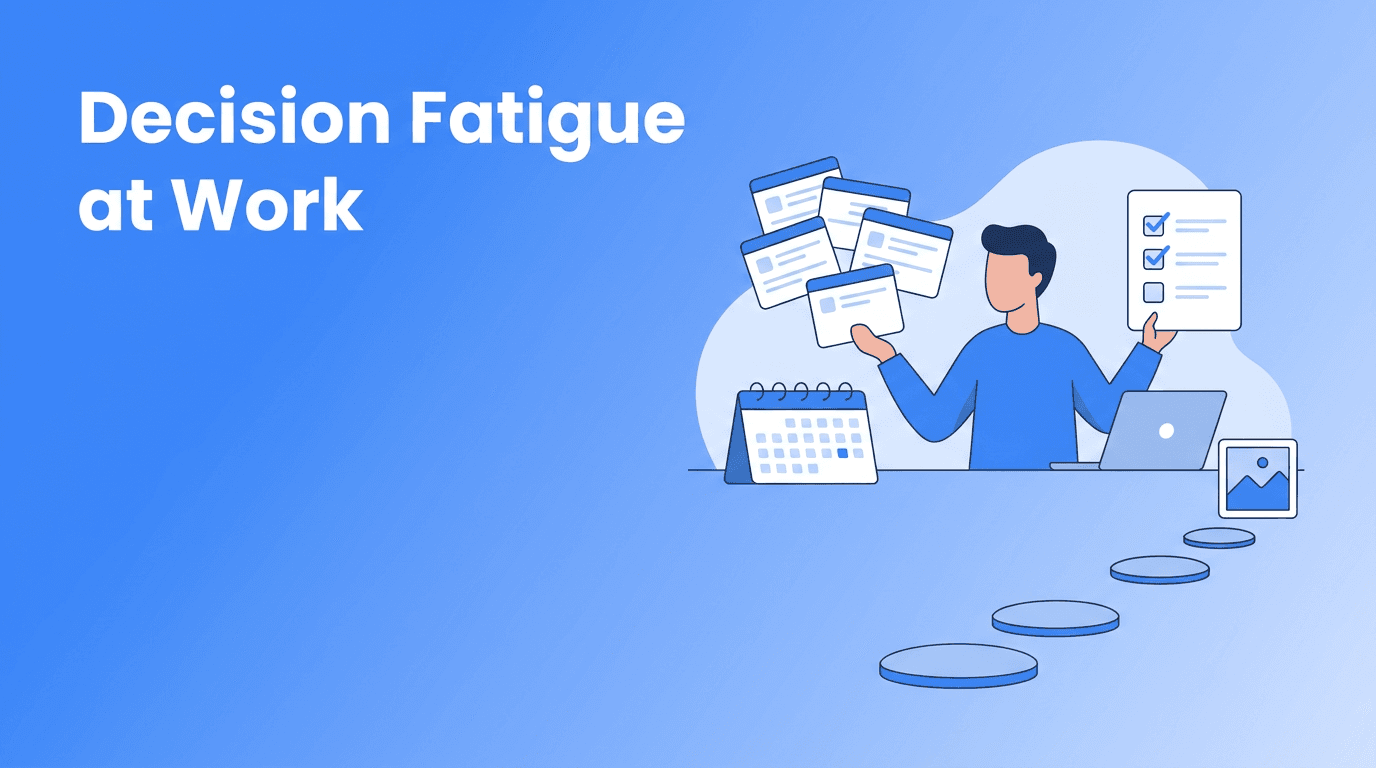
Decision fatigue is one of the least obvious reasons smart people struggle to stay consistent. You may have a solid to-do list, good intentions, and plenty of motivation, yet still lose time deciding what to do, when to do it, and how to begin. If your current productivity systems feel heavier than helpful, the problem may not be effort. It may be too many decisions.
A more effective approach is to reduce unnecessary choices before your workday starts. When you simplify scheduling, clarify prioritization, and build repeatable habits, you protect mental energy for the tasks that actually matter. That is where real efficiency starts.
Why decision fatigue quietly lowers efficiency
Every choice uses a small amount of cognitive energy. On a typical day, that can include deciding which email to answer first, whether to attend a meeting, how long to work on a task, or what deserves attention now versus later. None of these choices seem dramatic on their own, but together they create friction.
- You spend more time organizing work than doing work
- You keep revisiting the same priorities without making progress
- You delay starting important tasks because the entry point feels unclear
- You rely on mood or urgency instead of a reliable system
- You finish the day busy, but not confident that the right work got done
"You do not rise to the level of your goals. You fall to the level of your systems." - James Clear
The hidden link between decision fatigue and productivity systems
Many people assume productivity systems should offer maximum flexibility. In reality, too much flexibility can create more decisions than necessary. A strong system does not just track tasks. It removes guesswork.
What a low-friction system looks like
- A short daily planning routine with clear rules
- A limited number of priority categories
- Default times for recurring work
- Simple criteria for what gets postponed, delegated, or ignored
- Consistent habits that reduce the need to renegotiate your day
This is why the best systems often look boring from the outside. They are designed to be repeated, not constantly reinvented. The goal is not to create the perfect plan every day. The goal is to make good decisions once, then reuse them.
5 ways to reduce decision fatigue during the workday
1. Set a daily rule for prioritization
Choose one rule that defines what matters first. For example, your top task might be the item with the biggest business impact, the nearest hard deadline, or the project that has been avoided too long. Strong prioritization becomes easier when it is based on a rule instead of a feeling.
2. Use themed scheduling instead of constant choice
If you decide your work blocks in real time, you create fresh mental load every few hours. A better approach is light structure. For example, use mornings for focused creation, early afternoons for collaboration, and late afternoons for admin. This kind of scheduling gives your day shape without becoming rigid.
3. Shrink your active task list
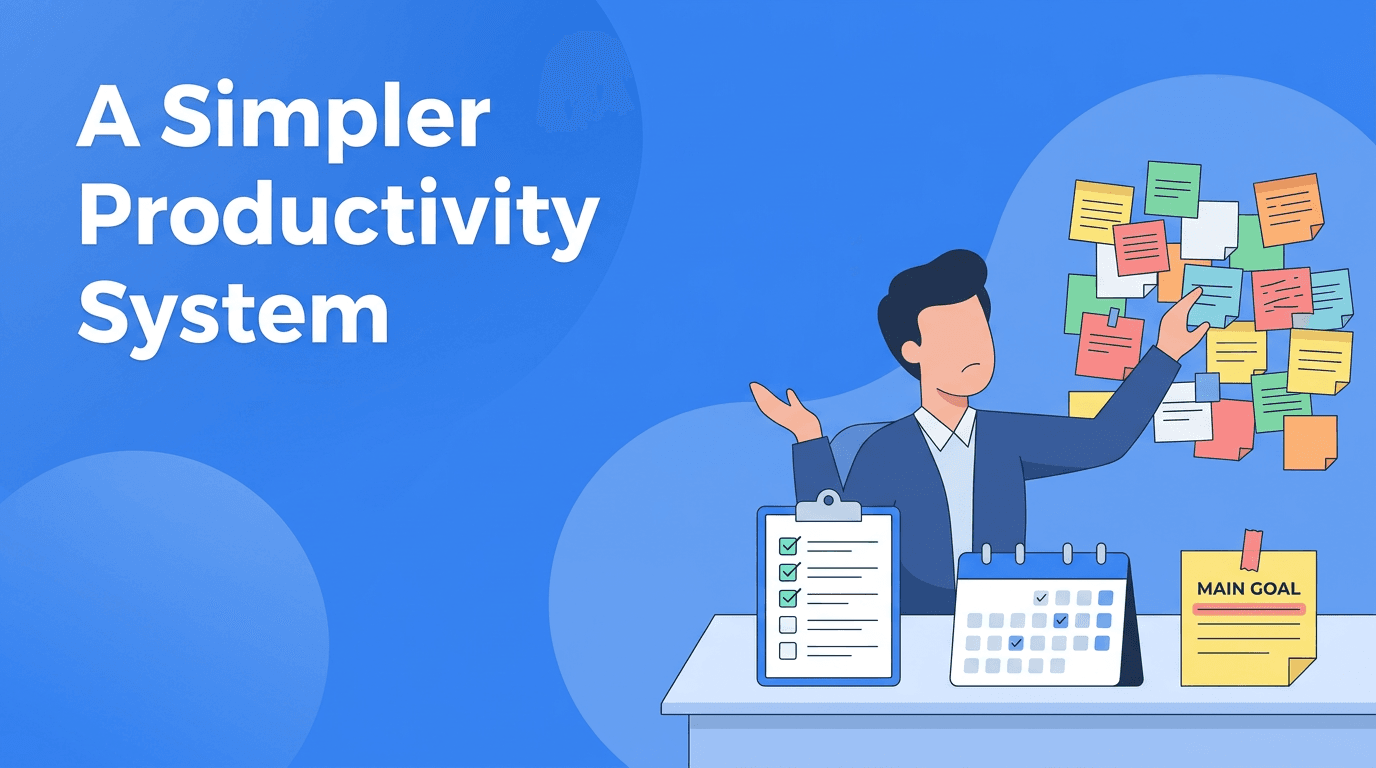
Long lists create psychological clutter. Keep one master list for everything, but limit your active list to a small number of tasks for the day. Fewer visible options means less scanning, less hesitation, and better efficiency.
4. Turn repeated choices into habits
Good habits are pre-made decisions. If you always review priorities before checking messages, or always plan tomorrow before ending work, you no longer waste energy debating those actions. This is one of the simplest ways to reduce decision fatigue over time.
5. Create a default next step for stuck tasks
When a task feels vague, define a fallback action such as outline, research for ten minutes, draft a rough version, or ask one clarifying question. This prevents stalled work from becoming another draining decision loop.
A simple daily workflow that reduces mental overload
You do not need a complicated framework to get results. Try this practical workflow for one week:
- Start with a 5-minute review: identify one must-do task, two support tasks, and any fixed appointments
- Group similar tasks into light categories such as deep work, communication, and admin
- Assign rough windows instead of exact minute-by-minute plans
- Keep a "later" list so low-value tasks do not compete with current priorities
- End the day by choosing tomorrow's first task before you log off
This workflow supports better productivity systems because it reduces the number of decisions you need to make under pressure. Instead of constantly asking "What now?" you move through a prepared structure.
Make your productivity system easier to follow
Haply is an AI life coaching app for iOS and Android that helps you build better routines with personalized Productivity coaching, a Task Planner, Focus Timer, habit tracking, and daily reminders. If decision fatigue keeps derailing your plans, Haply can help you turn good intentions into repeatable action.
Try Haply FreeHow Haply can support better habits and scheduling
If you want more structure without building a system from scratch, Haply can help. Its chat-based AI coaches support productivity goals with personalized guidance, while tools like the Task Planner, Focus Timer, and habit tracker make it easier to convert plans into action. The Today Dashboard also gives you a daily overview, which is useful when decision fatigue makes it hard to know where to begin.
Because Haply includes goal-based onboarding, reminders, and progress tracking, it supports the exact kind of consistency that lowers mental load. You make fewer decisions from scratch and rely more on systems that already work.
Build a system that saves decisions for what matters
The best productivity improvement is not always working faster. Often, it is removing avoidable choices. When your productivity systems rely on clear rules, supportive habits, practical scheduling, and simple prioritization, you create space for deeper focus and steadier output.
If your days feel mentally crowded, start smaller than you think. Remove one repeated decision, standardize one part of your workflow, and protect one meaningful task each morning. Over time, reducing decision fatigue can become one of the most effective upgrades to your work life.
Frequently Asked Questions
What is decision fatigue at work?
Decision fatigue at work is the mental drain that comes from making too many choices throughout the day. It can reduce focus, slow prioritization, and make even simple tasks feel harder to start.
How do I reduce decision fatigue and be more productive?
Reduce decision fatigue by creating default routines, limiting daily priorities, simplifying scheduling, and turning repeated actions into habits. The fewer unnecessary choices you make, the more energy you save for meaningful work.
Can productivity systems help with decision fatigue?
Yes. Good productivity systems reduce guesswork by using simple rules, recurring routines, and clear task structures. They help you spend less time deciding and more time doing.
What are the best habits for reducing mental overload at work?
Helpful habits include planning your top task the day before, reviewing priorities before checking messages, and limiting your active task list. These habits lower mental clutter and improve efficiency.