Decision Fatigue at Work: A Smarter Productivity System for Better Focus
Decision fatigue can quietly drain productivity, focus, and time management. Learn a practical system to reduce mental overload and get more done with less friction.

By Haply Team
Haply Editorial Team
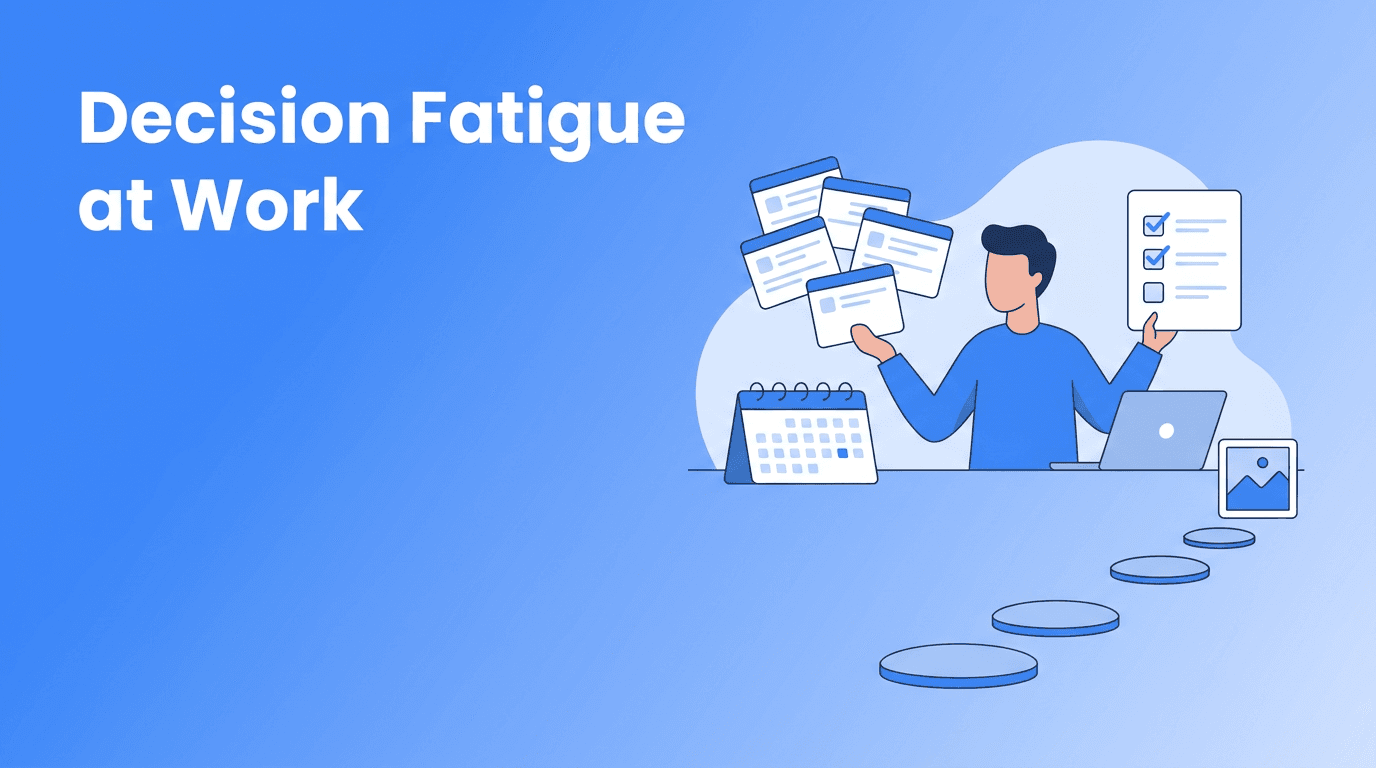
Most people blame poor productivity on laziness, lack of discipline, or weak time management. In reality, decision fatigue is often the hidden problem. When your brain spends the day making constant choices, even small ones, your focus drops, your work slows down, and getting things done starts to feel harder than it should.
What decision fatigue really does to your workday
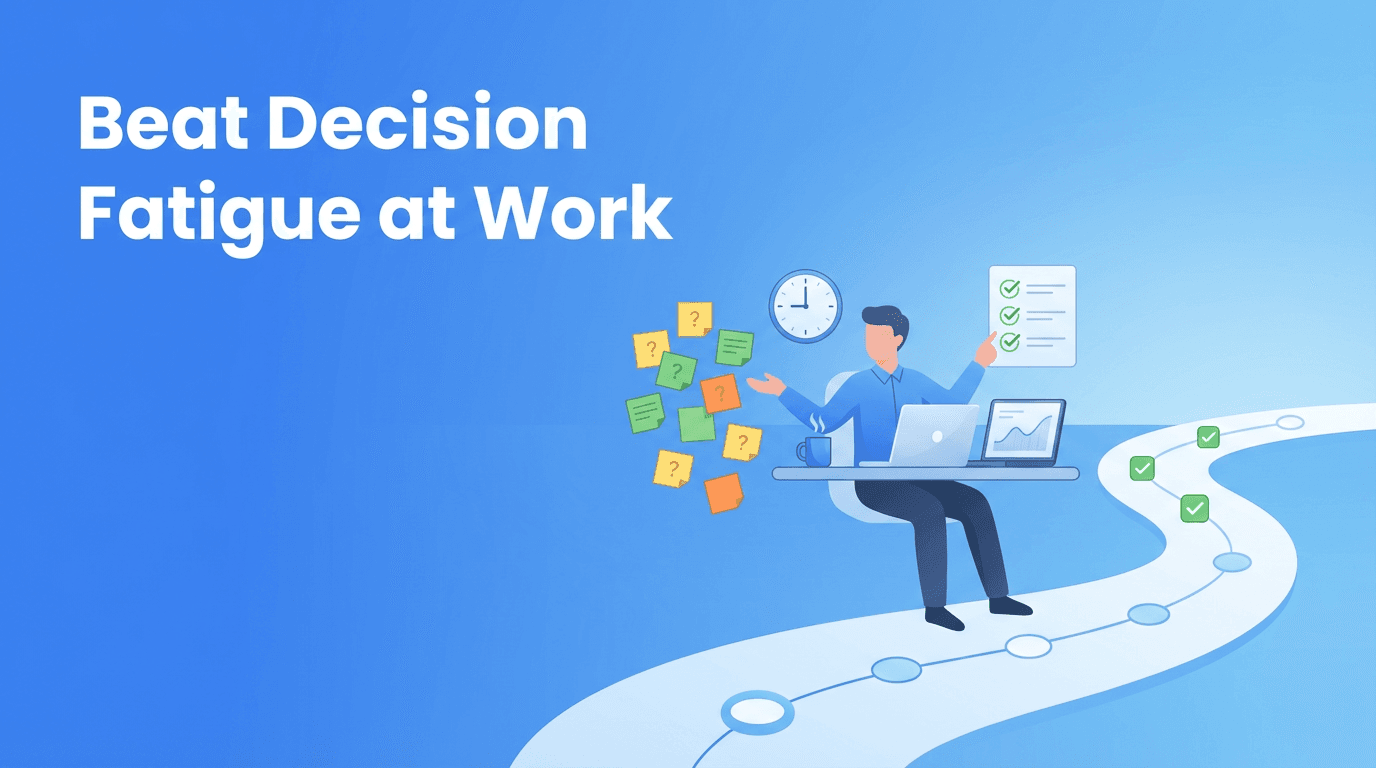
Decision fatigue happens when repeated choices wear down your mental energy. It is not just about major decisions like hiring, budgeting, or choosing a project direction. It also shows up in tiny moments: deciding what to work on first, whether to answer that message now, which tab to open next, or how to organize your notes. These micro-decisions add up and reduce efficiency over time.
- You spend more time starting than doing
- You check email or chat to avoid harder tasks
- You keep revising your to-do list instead of acting on it
- You feel busy all day but finish very little meaningful work
- You procrastinate more as the day goes on
"A drained mind does not need more pressure. It needs fewer decisions."
Why high performers still lose focus
Knowledge workers and students often assume they need better motivation. But motivation is unreliable when your environment keeps forcing fresh choices. Every open notification, unclear priority, and loosely planned task creates another mental fork in the road. That is why even capable people can lose focus and fall behind despite strong intentions.
The real cost of constant choosing
Each unnecessary decision steals attention from the work that matters. This creates friction in time management because your calendar may look organized while your brain feels scattered. The result is lower-quality output, slower progress, and more end-of-day exhaustion.
A 4-part system to reduce decision fatigue
If you want better productivity, build a system that removes choices before your day begins. The goal is not to control every minute. It is to make important actions easier than avoidance.
1. Pre-decide your top three outcomes
Before your workday starts, choose the three outcomes that would make the day successful. Not ten tasks, not a giant wish list. Just three concrete wins. This narrows attention and makes getting things done far more realistic.
2. Use default task slots
Assign recurring categories to recurring times. For example, use early morning for deep work, late morning for meetings, and late afternoon for admin. When time has a default purpose, you waste less energy wondering what fits where.
3. Create rules for low-value decisions
Turn repeat choices into rules. Examples include checking email only at set times, using one template for meeting notes, or keeping a standard shutdown routine. Rules improve efficiency because they replace hesitation with action.
4. Shrink your visible options
Keep only the tools, tabs, and task lists you need for the current block of work. Too many visible options invite distraction. A smaller field of choices helps preserve focus and reduces the cognitive load behind decision fatigue.
- Plan tomorrow before ending today
- Keep one primary task list instead of several scattered ones
- Use templates for repeated work
- Batch low-stakes decisions into one short block
- Limit communication windows to protect deep work
Build a lower-friction workday with Haply
Haply helps you reduce mental overload with AI coaching, a Task Planner, a Focus Timer, daily reminders, and a personalized Today Dashboard. If decision fatigue keeps slowing you down, Haply can help you turn good intentions into consistent action.
Try Haply FreeHow to use AI to support better time management
A good system is easier to maintain when it is supported by tools that reduce planning friction. For example, an AI life coaching app like Haply can help you clarify priorities, break large projects into next steps, and stay consistent with habits that support productivity. Its chat-based Productivity coaches, habit tracker, and mini-apps can be especially useful when you feel mentally overloaded.
Instead of deciding from scratch every morning, you can use a structured check-in to identify your top priorities, schedule focused work, and review progress. This is where technology improves efficiency not by adding more apps, but by removing uncertainty.
A simple daily reset for getting things done
Try this 10-minute reset at the end of each day: review what you finished, move unfinished tasks forward, choose tomorrow's top three outcomes, and prepare your workspace for the first task. This routine reduces startup friction and protects your best attention for meaningful work.
Final takeaway
If your days feel full but your results feel thin, do not assume you need more willpower. Decision fatigue may be draining your attention long before the hardest work begins. Reduce the number of choices in your day, create defaults, and rely on simple systems that make action easier. That is how better focus, stronger time management, and lasting productivity are built.
Frequently Asked Questions
What is decision fatigue at work?
Decision fatigue at work is the mental exhaustion that comes from making too many choices throughout the day. It can reduce focus, slow decisions, and hurt productivity.
How do I reduce decision fatigue quickly?
Start by pre-planning your top priorities, creating default work blocks, and limiting low-value choices like constant email checking. Simple rules reduce mental overload fast.
Can decision fatigue affect time management?
Yes. When your brain is overloaded by choices, it becomes harder to prioritize, start tasks, and stay efficient, which weakens time management.
What tools help with decision fatigue and productivity?
Tools that simplify planning and execution help most. For example, Haply offers AI coaching, a Task Planner, a Focus Timer, and habit tracking to support better daily decisions.