Depression Awareness Fatigue: How Emotional Health Signals Get Missed
Depression awareness is not just about spotting extreme symptoms. Learn how subtle fatigue, numbness, and overwhelm can affect emotional health, when therapy may help, and practical ways to support wellbeing.

By Haply Team
Haply Editorial Team
Depression awareness often focuses on obvious sadness, but many people first notice something quieter: constant tiredness, low motivation, irritability, or feeling emotionally flat. These changes can overlap with anxiety, stress, and burnout, which is why paying attention to emotional health matters so much.
Why depression awareness needs a wider lens
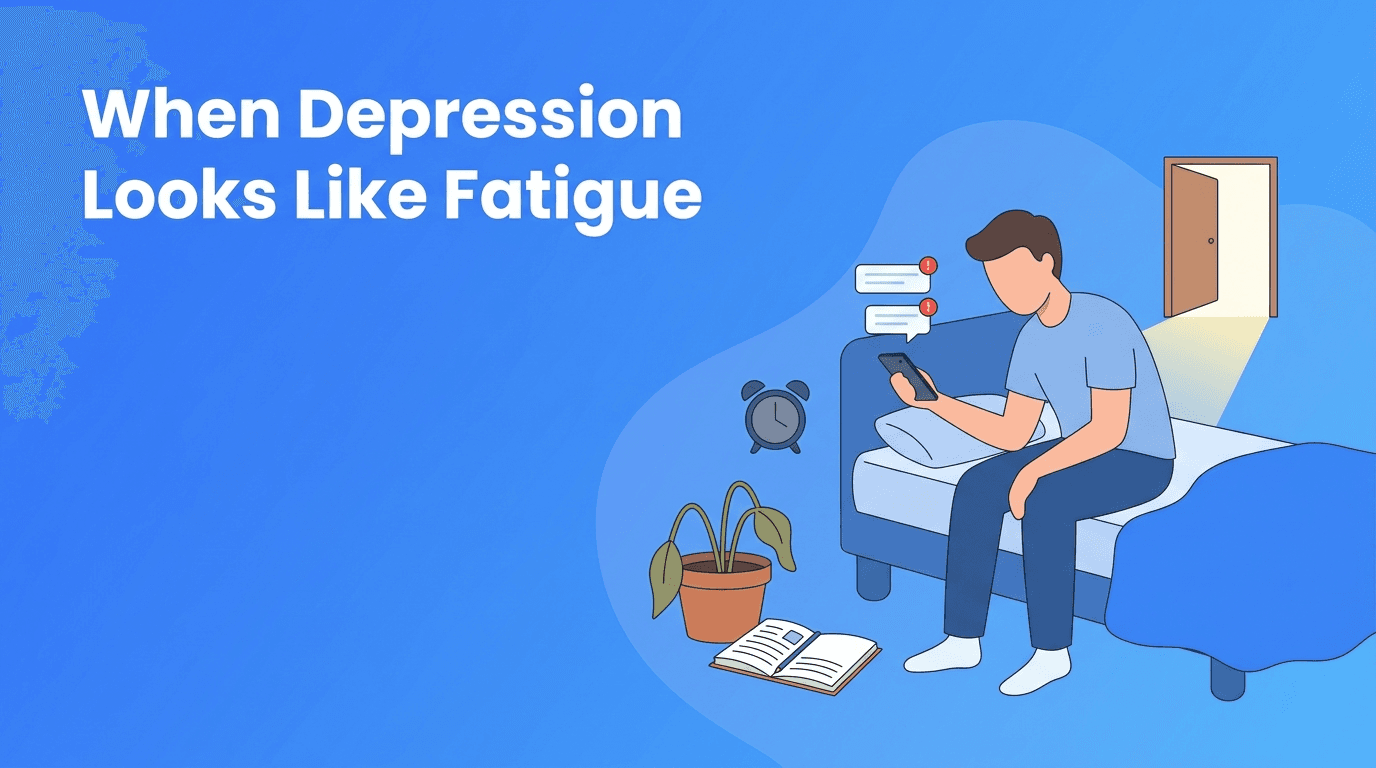
Not everyone with depression looks visibly distressed. Some people keep working, replying to messages, and meeting responsibilities while feeling disconnected inside. Better depression awareness means understanding that struggling can look like brain fog, lost interest, or feeling like everyday tasks take far more effort than they used to.
- You may feel exhausted even after sleeping.
- Small tasks can start to feel surprisingly heavy.
- You might stop enjoying things you usually care about.
- Your inner dialogue may become more critical or hopeless.
- You may notice anxiety rising because everything feels harder to manage.
The overlap between anxiety, low mood, and emotional health
Mental health experiences rarely fit into neat boxes. Anxiety can create restlessness and racing thoughts, while depression may bring numbness or low energy. Some people experience both at the same time. Looking at your full emotional health picture, not just one symptom, can help you respond earlier and with more self-compassion.
What subtle signs can look like
- Withdrawing from people without knowing why
- Losing focus during simple conversations
- Feeling guilty for needing rest
- Using scrolling, snacking, or busyness to avoid feelings
- Thinking, "I should be able to handle this" while feeling worse
"You do not have to wait until things feel unbearable to take your emotional health seriously."
How therapy can support wellbeing
Therapy is not only for crises. It can help you understand patterns, name feelings, and build tools for daily life. If you have been feeling persistently low, overwhelmed, emotionally numb, or stuck in cycles of anxiety, talking with a licensed professional may be an important step for your wellbeing.
Support can also include small daily practices. An app like Haply, an AI life coaching app for iOS and Android, can complement professional care by helping you check in, track habits, and build supportive routines. Its Wellness coaching, breathing tools, and Today Dashboard can make it easier to notice patterns and stay connected to your goals. It is a support tool, not a replacement for therapy.
Need a gentler way to check in with yourself?
Use Haply to build small routines for emotional health, from daily reflections to calming wellness tools that support your wellbeing.
Try Haply FreeA practical 5-step check-in for emotional health
- Name the pattern: Ask yourself what has changed in the last two weeks, energy, sleep, motivation, appetite, or mood.
- Rate your capacity: Notice whether basic tasks feel normal, harder, or overwhelming.
- Reduce self-judgment: Replace "I'm lazy" with "Something may be affecting my wellbeing."
- Reach out early: Tell a trusted person or consider therapy if the pattern continues.
- Track gently: Use a journal or habit tracker to spot links between stress, anxiety, sleep, and mood.
When to seek extra support
If low mood lasts for more than two weeks, interferes with work or relationships, or comes with hopelessness, it is wise to reach out for professional help. If you ever feel at risk of harming yourself, seek immediate support from local emergency services or a crisis resource in your area.
Small habits that protect wellbeing without pressure
You do not need a perfect routine to care for your mind. The goal is to create a little more steadiness. Depression awareness also means recognizing that tiny actions count when energy is low.
- Open the curtains within 30 minutes of waking up
- Drink water before your next coffee
- Take a 5-minute walk or stretch break
- Send one honest message instead of disappearing
- Use a breathing exercise before bed
- Choose one task for the day, not ten
These actions will not solve everything, but they can reduce friction and support wellbeing while you decide what kind of help you need next.
Frequently Asked Questions
What are early signs that depression might be affecting emotional health?
Early signs can include fatigue, numbness, irritability, low motivation, and losing interest in things you usually enjoy. These changes can be subtle and are easy to dismiss at first.
Can anxiety and depression happen at the same time?
Yes. Many people experience anxiety and depression together, which can make symptoms feel mixed, such as restlessness paired with exhaustion or worry paired with hopelessness.
When should I start therapy for low mood?
Consider therapy if low mood, anxiety, or emotional numbness lasts more than two weeks, affects daily life, or feels hard to manage on your own. You do not need to wait for a crisis to ask for help.
How can I improve wellbeing when I have very low energy?
Start with small, low-pressure actions like getting daylight, drinking water, taking a short walk, or tracking your mood. Consistency matters more than intensity.