Depression Awareness at Home: Daily Signals, Gentle Check-Ins, and Support That Helps
Depression awareness starts with small observations at home. Learn daily signals, gentle check-ins, and supportive habits that can strengthen emotional health and wellbeing.

By Haply Team
Haply Editorial Team
Depression awareness often begins in ordinary moments: a skipped meal, a message left unanswered, a hobby that suddenly feels far away. While anxiety, low mood, and stress can overlap, noticing small changes early can support emotional health and make it easier to seek help, including therapy, before things feel heavier.
Why depression awareness matters in everyday life
Many people imagine depression as constant sadness, but real life is usually more subtle. It can show up as numbness, irritability, brain fog, exhaustion, or losing interest in routines that once felt comforting. Better depression awareness helps you respond with care instead of self-judgment.
- Notice patterns, not single moments. One difficult day is human. A repeated shift over two weeks or more deserves attention.
- Look beyond mood. Changes in sleep, appetite, focus, energy, and motivation can all matter.
- Treat emotional pain as real. You do not need to 'earn' support by reaching a crisis point.
- Remember that support can be layered. Self-care, social support, and therapy can work together.
"Awareness is not alarm. It is a gentle way of saying, something here needs care."
Common signs that can affect emotional health
No checklist can diagnose depression, and this article is not medical advice. Still, some changes are worth paying attention to, especially when they persist and begin affecting daily wellbeing.
Changes you might notice in yourself
- Feeling flat, hopeless, or unusually tearful for days at a time
- Losing interest in friends, movement, hobbies, or daily routines
- Sleeping much more or much less than usual
- Feeling slowed down, restless, or mentally foggy
- Withdrawing because social contact feels exhausting
- Struggling with basic tasks like showering, cooking, or replying to messages
Changes you might notice in someone you care about
- They seem less engaged, less expressive, or harder to reach
- They cancel often and stop participating in familiar routines
- Their self-talk becomes more negative or hopeless
- They mention feeling like a burden
- They appear overwhelmed by tasks that used to feel manageable
A 5-minute depression awareness check-in
If you want a practical way to build depression awareness, try this short daily or every-other-day check-in. Keep it simple and honest.
- Mood: What emotion has been most present today?
- Energy: Do I feel physically drained, mentally tired, or both?
- Connection: Have I wanted closeness, isolation, or neither?
- Functioning: What felt easy today, and what felt unusually hard?
- Support: Do I need rest, a conversation, or professional help?
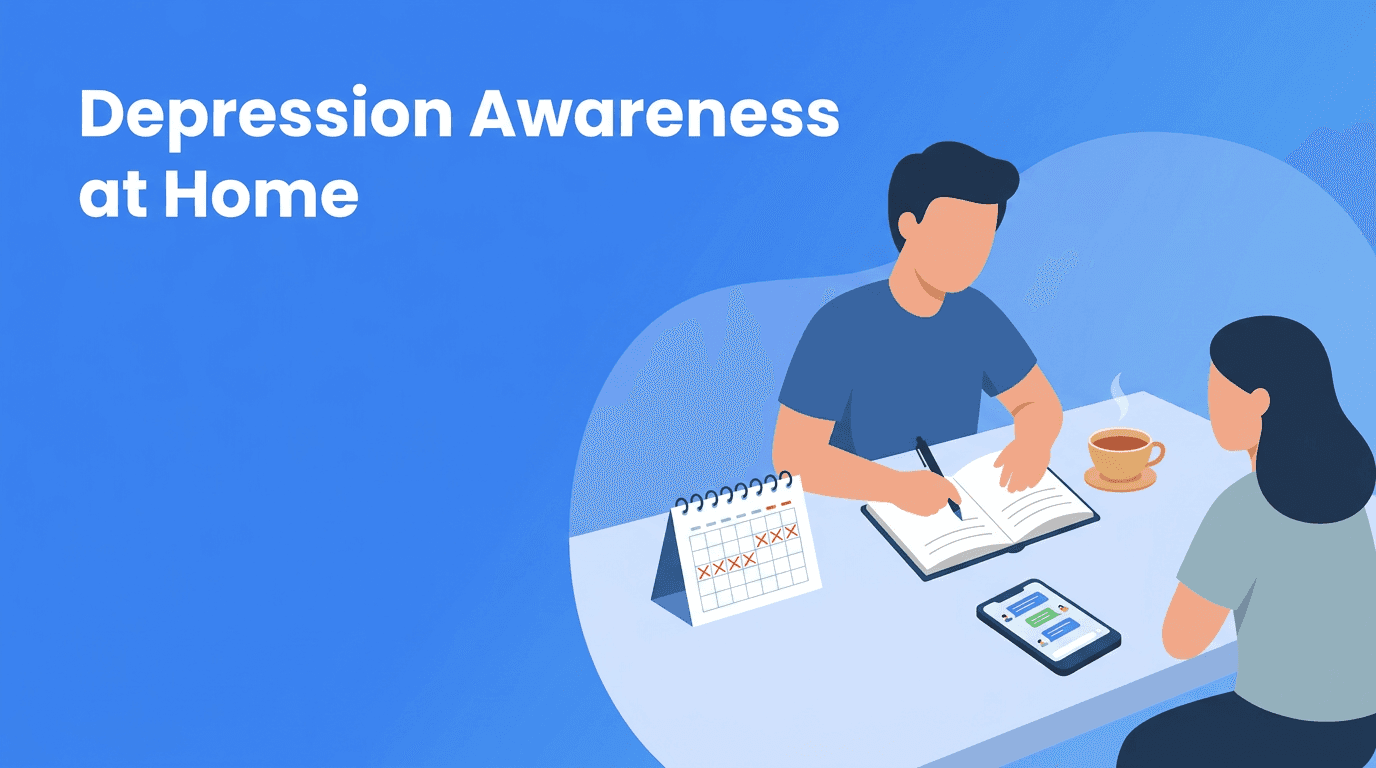
Write one sentence for each prompt in a notes app or journal. Over time, trends become easier to spot. This can also help if you decide to talk with a therapist, because patterns are easier to describe when they are written down.
Want guided support between therapy sessions?
Haply is an AI life coaching app for iOS and Android with Wellness coaches, chat-based check-ins, a habit tracker, and mini-apps like Meditation/Breathe and Sleep Stories. It can support your self-reflection and routines, alongside professional care, not as a replacement.
Try Haply FreeHow anxiety and depression can overlap
People often experience anxiety and depression together. You might feel wired but exhausted, worried but unable to act, or stuck in cycles of rumination and shutdown. This is one reason labels can feel confusing. Instead of trying to self-diagnose perfectly, focus on what you are experiencing and what kind of support would help today.
- Anxiety may feel like racing thoughts, physical tension, and fear about what could go wrong.
- Depression may feel like heaviness, disconnection, low motivation, or hopelessness.
- Some days include both: a busy mind and an empty battery at the same time.
When therapy can help
Therapy can be a helpful next step if symptoms last for weeks, interfere with work or relationships, or make daily life feel harder to manage. A therapist can help you understand patterns, build coping tools, and create a plan tailored to your needs.
- If you are unsure where to begin, start by writing down your main symptoms and how long they have been present.
- Ask potential therapists about their approach and whether they have experience with mood concerns.
- If cost is a barrier, look for community clinics, employee assistance programs, or sliding-scale options.
If you are in immediate danger or thinking about harming yourself, contact local emergency services or a crisis hotline right away. Urgent support matters.
Small habits that support wellbeing without pressure
When mood is low, big wellness plans can feel impossible. Aim for tiny actions that reduce friction and protect wellbeing.
- Open the curtains within an hour of waking for a little daylight exposure
- Drink a glass of water before caffeine if you tend to forget hydration
- Choose a 5-minute reset, like stretching, stepping outside, or washing your face
- Use a 'minimum version' of routines, such as brushing teeth and changing clothes
- Send one honest text: 'Low energy today, but I wanted to say hi'
- Use app reminders or habit streaks to make support more visible on hard days
The goal is not perfection. It is to keep a small thread of connection to yourself, your body, and other people.
How to support a friend with care
If someone you care about seems different, lead with warmth, not analysis. You do not need the perfect words.
- Say what you notice gently: 'I have noticed you seem quieter lately. How are you doing?'
- Ask specific support questions: 'Would it help if I checked in tomorrow?'
- Avoid minimizing phrases like 'just stay positive'
- Encourage professional support, including therapy, without pushing or shaming
- Keep showing up consistently, even with small messages
Frequently Asked Questions
What is depression awareness?
Depression awareness means noticing common emotional, mental, and behavioral signs of depression so you can respond early with support, self-care, or professional help.
How do anxiety and depression happen together?
They often overlap. Some people feel both constant worry and deep exhaustion, which can affect sleep, motivation, focus, and overall wellbeing.
Can therapy help with low mood and emotional health?
Yes. Therapy can help you understand patterns, learn coping skills, and get support tailored to your situation.
What are early signs that I should seek help?
If low mood, loss of interest, hopelessness, or major changes in sleep, energy, or daily functioning last for weeks, it is a good idea to reach out for support.
Can an app support wellbeing between therapy sessions?
Yes. Tools like journaling prompts, habit tracking, breathing exercises, and check-ins can support routines and emotional awareness between sessions, but they are not a replacement for professional care.