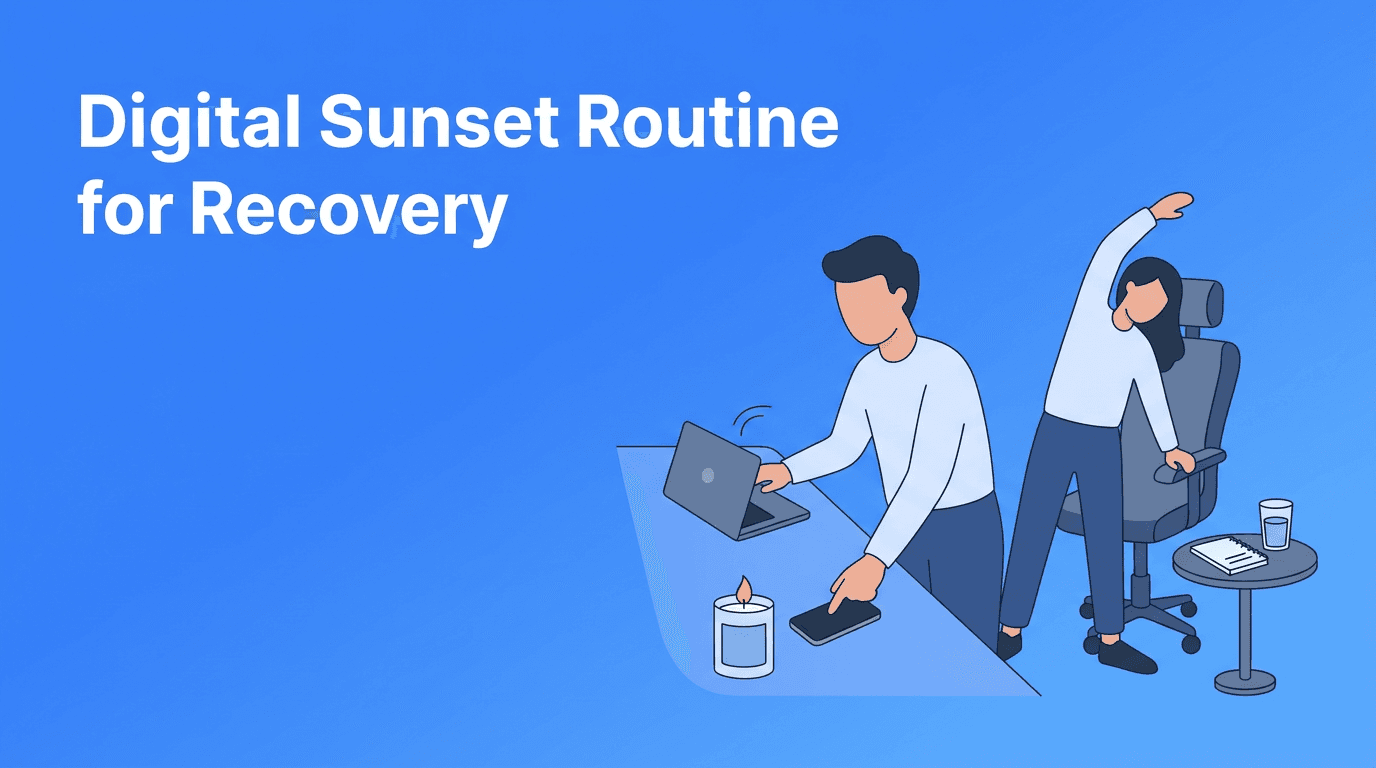
Restorative Breaks: A Wellness Routine for Digital Burnout Recovery
Digital burnout recovery starts with small, repeatable pauses. Learn a practical wellness routine that blends self-care, rest, and digital wellbeing into a busy workday.

By Haply Team
Haply Editorial Team
Digital burnout recovery does not require a retreat, a silent weekend, or a perfect schedule. For busy professionals, it often begins with a few smarter pauses built into the day. If your eyes feel tired, your patience runs thin, and your brain stays switched on long after work ends, a simple wellness routine focused on rest, recovery, and digital wellbeing can help.
Why digital burnout feels different
Classic burnout is often linked to workload, pressure, and emotional exhaustion. Digital overload adds another layer. Notifications keep your attention fragmented, screens compress your focus into constant reaction mode, and even your downtime can feel like more input. That is why self-care for modern work life needs to include intentional breaks from stimulation, not just time off.
- Mental fatigue from switching between messages, tabs, meetings, and tasks
- Physical strain such as dry eyes, neck tension, shallow breathing, and headaches
- Emotional wear from always being reachable and rarely feeling fully off duty
- Reduced recovery because scrolling often replaces real rest
"Rest is not a reward for finishing everything. Rest is what helps you do anything well in the first place."
A 4-part wellness routine for digital burnout recovery
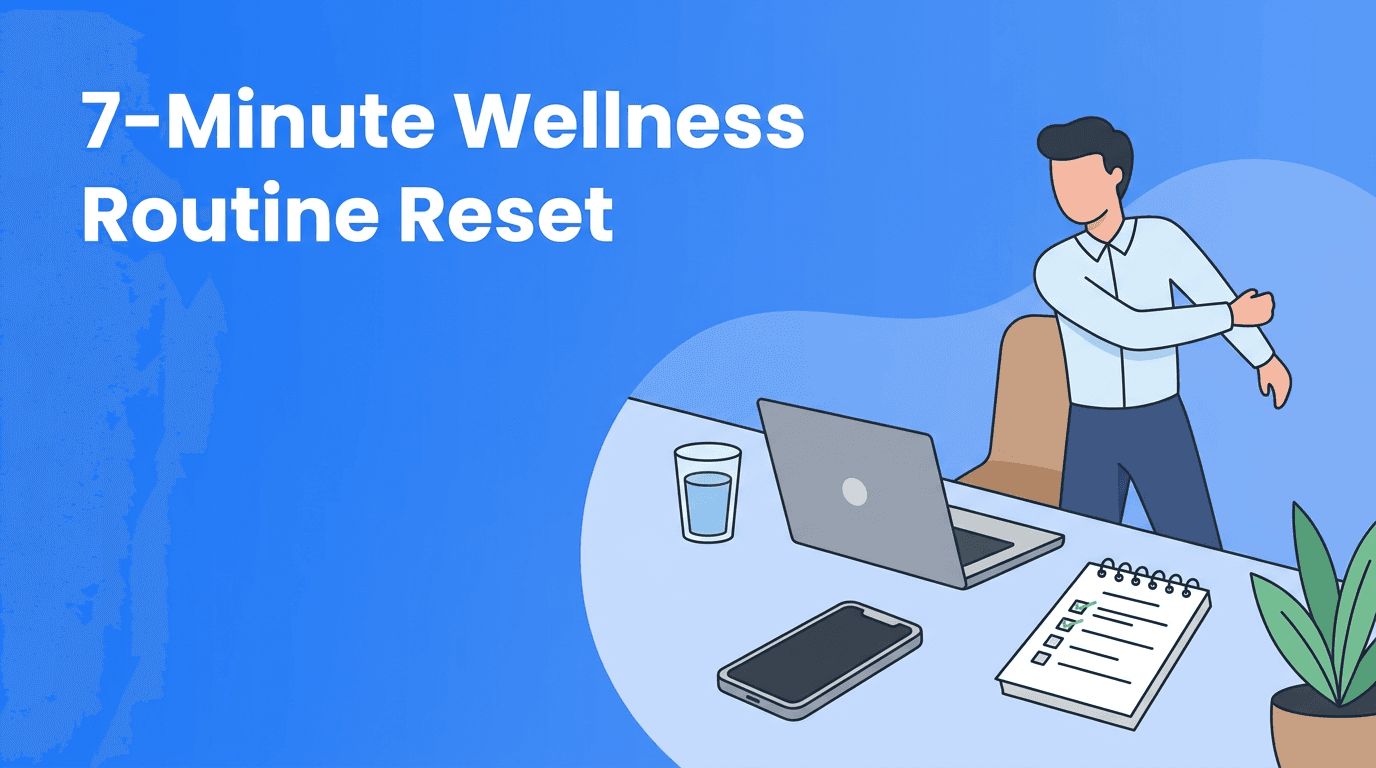
1. Start with a two-minute transition ritual
Most people move from one task to the next without a reset. That keeps stress levels elevated. Create a brief transition ritual between work blocks: stand up, soften your shoulders, take five slow breaths, and look away from your screen. This tiny act tells your nervous system that one demand has ended before another begins.
2. Replace one scroll break with real rest
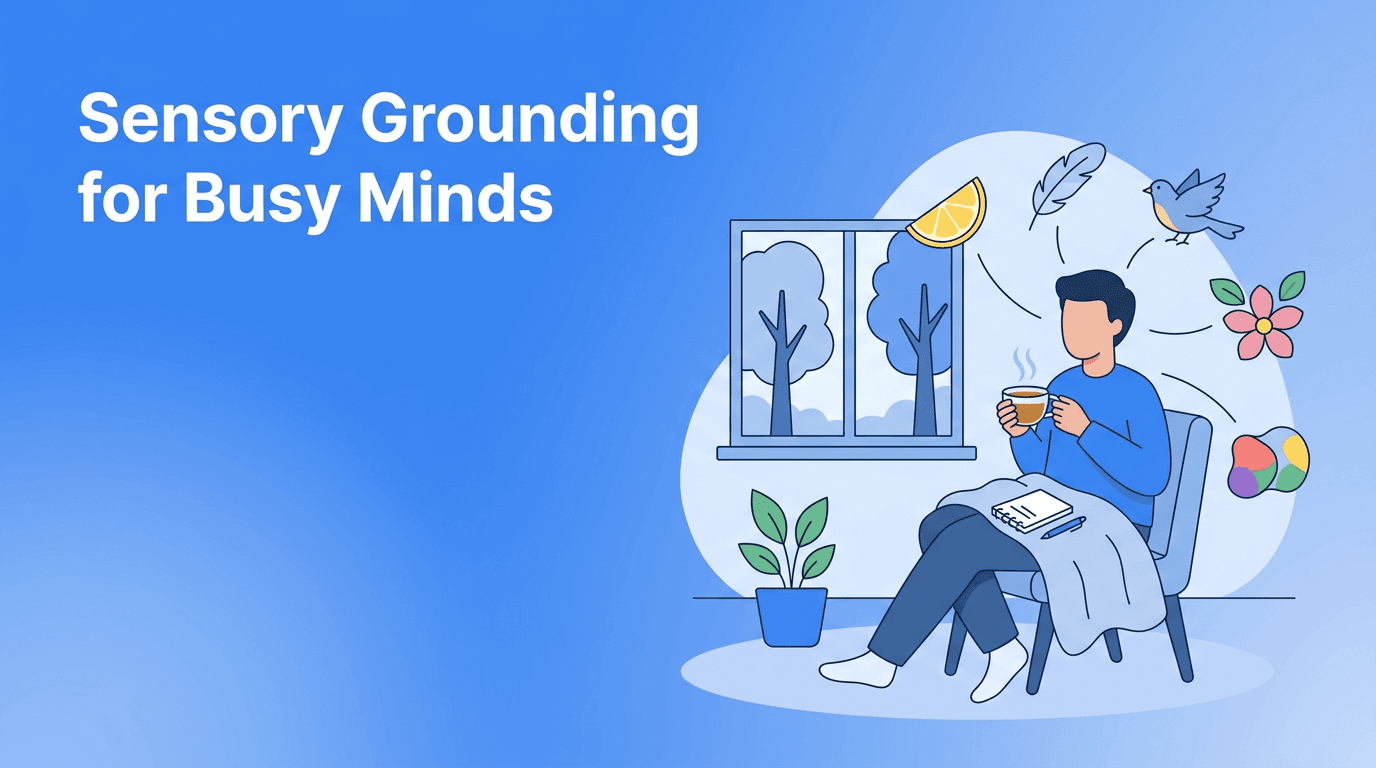
Many breaks are not actually breaks. If you reach for your phone every time you feel depleted, your brain keeps processing new information. For better recovery, swap one scroll break each day for a true reset: stretch, walk to get water, sit in silence, or close your eyes for 60 seconds. Real rest lowers stimulation instead of adding more.
3. Build an afternoon screen-softening habit
Energy often drops in the afternoon, which makes digital fatigue worse. Try a screen-softening habit around 2 or 3 p.m.: reduce brightness, silence nonessential notifications, switch one meeting to audio if possible, or do one task on paper first. This is a practical form of digital wellbeing, not perfectionism.
4. Create a clear workday shutdown
One of the best burnout prevention habits is ending the day on purpose. Write down your top three priorities for tomorrow, close extra tabs, and place your phone out of reach for the first part of your evening. A shutdown ritual improves digital burnout recovery because your brain gets a clear signal that work is paused.
What self-care looks like when you are busy
Effective self-care is less about adding a long routine and more about removing friction. Choose actions that fit into your real day. The best habits are often small enough to repeat even during stressful weeks.
- Keep a water bottle visible so hydration supports energy and focus
- Set one daily reminder to unclench your jaw and relax your shoulders
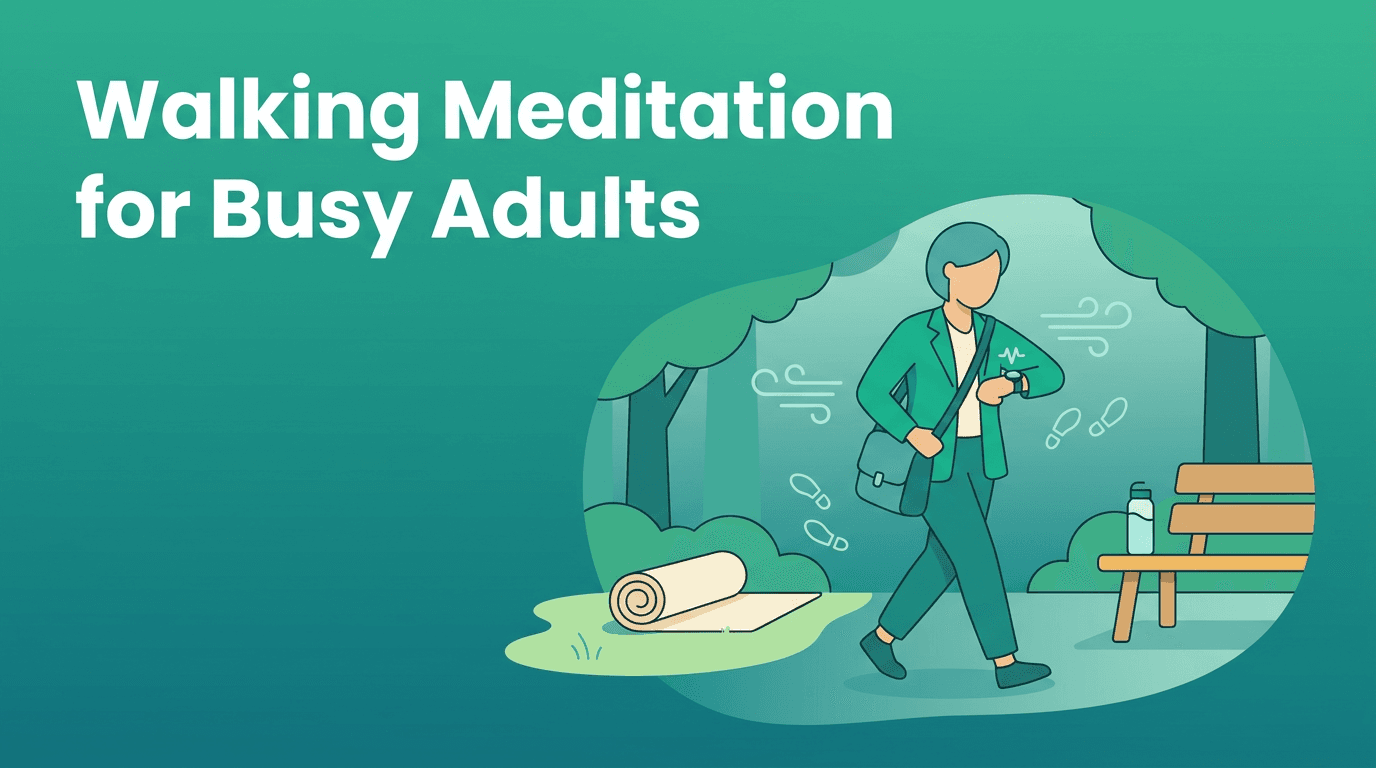
- Take one short outdoor break for light and perspective
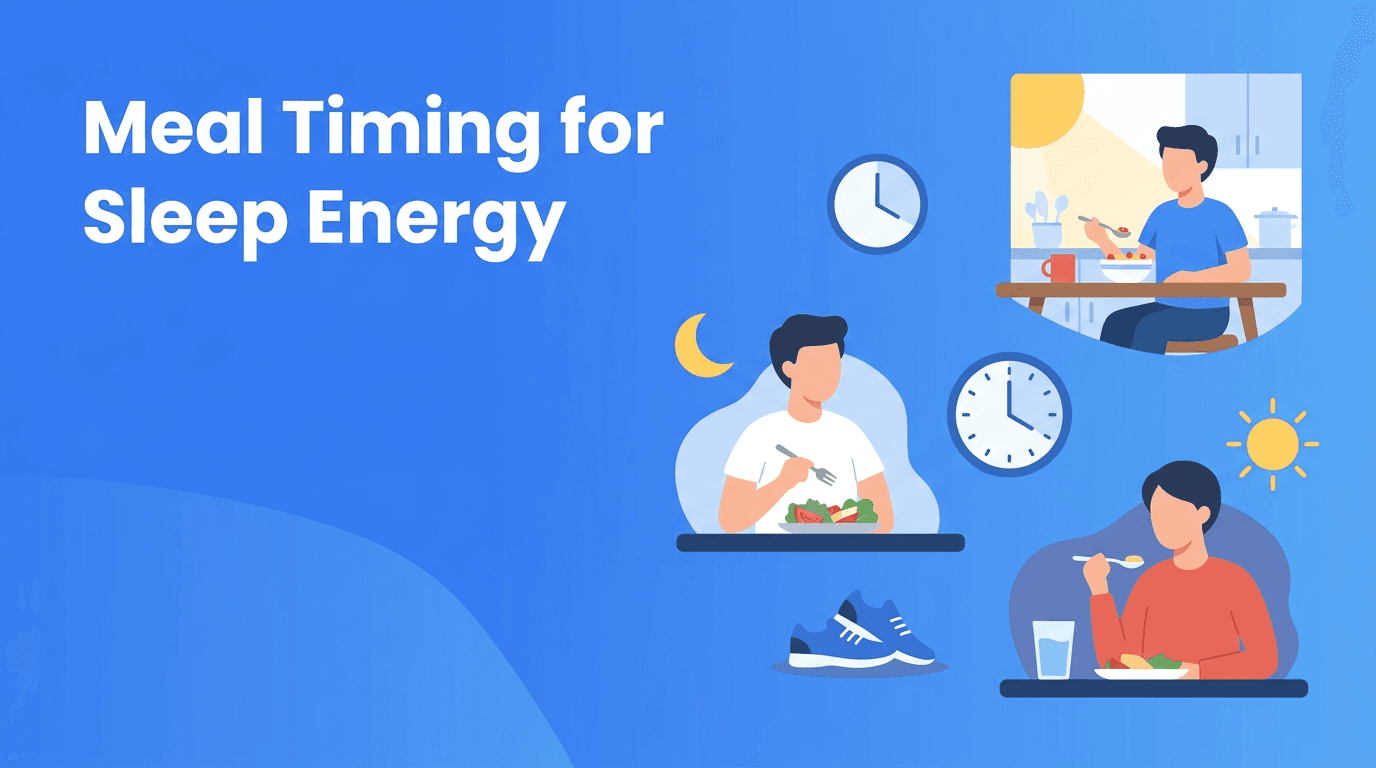
- Eat lunch away from your desk at least a few times a week
- Use a simple notebook to clear mental clutter before bed
Want help building a realistic wellness routine?
Haply is an AI life coaching app for iOS and Android that helps you create personalized habits for self-care, focus, and recovery. You can check in with Wellness coaches, use tools like Meditation/Breathe and Focus Timer, and stay consistent with reminders and streaks.
Try Haply FreeHow to make rest feel productive
A common barrier to rest is guilt. If you equate stopping with falling behind, you will avoid the very thing that supports performance. Reframe breaks as maintenance. Athletes train with recovery in mind. Knowledge workers need the same mindset. A short pause can protect attention, mood, and decision quality.
- Think of recovery as fuel, not laziness
- Schedule breaks before you feel depleted
- Use timers to make pauses easier to start
- Track how you feel after a real break versus a scrolling break
A sample daily routine for recovery from screen fatigue
If you want a starting point, try this simple structure for digital burnout recovery.
- Morning: No inbox for the first 10 minutes, set one priority, drink water
- Mid-morning: Two-minute transition ritual after a deep work block
- Lunch: Eat away from screens when possible
- Afternoon: Silence nonessential notifications for 30 minutes
- Evening: Do a five-minute shutdown and keep your phone out of reach during one restful activity
If consistency is hard, tools can help. Haply's habit tracker, daily reminders, and Today Dashboard can make a wellness routine easier to follow, especially when your schedule changes. It can support your goals, but it is not a replacement for professional mental health care when deeper support is needed.
Frequently Asked Questions
What is digital burnout recovery?
Digital burnout recovery is the process of reducing screen-related fatigue, mental overload, and constant stimulation through intentional rest, boundaries, and sustainable daily habits.
How do I recover from burnout caused by too much screen time?
Start with small changes like real breaks, fewer notifications, a clear work shutdown, and screen-free moments during the day. Consistency matters more than intensity.
What are the best self-care habits for busy professionals?
Short habits work best, such as hydration, breathing resets, outdoor breaks, and simple end-of-day routines. The goal is repeatable support, not a perfect schedule.
Why does scrolling not feel restful?
Scrolling keeps your brain engaged with new information, which can increase mental fatigue. Rest works better when it reduces stimulation instead of adding more.