Digital Detox for FOMO: A Practical Guide to Intentional Tech Use
A digital detox does not have to mean throwing your phone away. Learn how to reduce screen time, manage FOMO, and build intentional tech use habits that actually stick.

By Haply Team
Haply Editorial Team
A digital detox is not just for people who want to disappear into the woods for a weekend. For most of us, it is a practical way to lower screen time, calm the constant pull of notifications, and create more intentional tech use without feeling cut off from real life.
Why digital detox feels so hard now
Phones are not simply tools anymore. They are calendars, cameras, maps, wallets, entertainment centers, and social spaces all in one. That convenience is real, but so is the mental cost. When every quiet moment gets filled with scrolling, your brain loses tiny pockets of recovery that support focus, creativity, and emotional balance.
This is where FOMO often sneaks in. You check one app to make sure you are not missing news, texts, updates, or opportunities. Then ten minutes becomes forty. Over time, that habit can start to feel a lot like phone addiction, even if you are high-functioning and productive on paper.
"Technology is a useful servant but a dangerous master."
The real goal: intentional tech use, not perfection
A healthy digital detox is not about judging yourself for liking your phone. It is about deciding when technology serves you and when it starts running the day. Intentional tech use means your devices support your values instead of constantly interrupting them.
- Use your phone with a purpose instead of picking it up from reflex
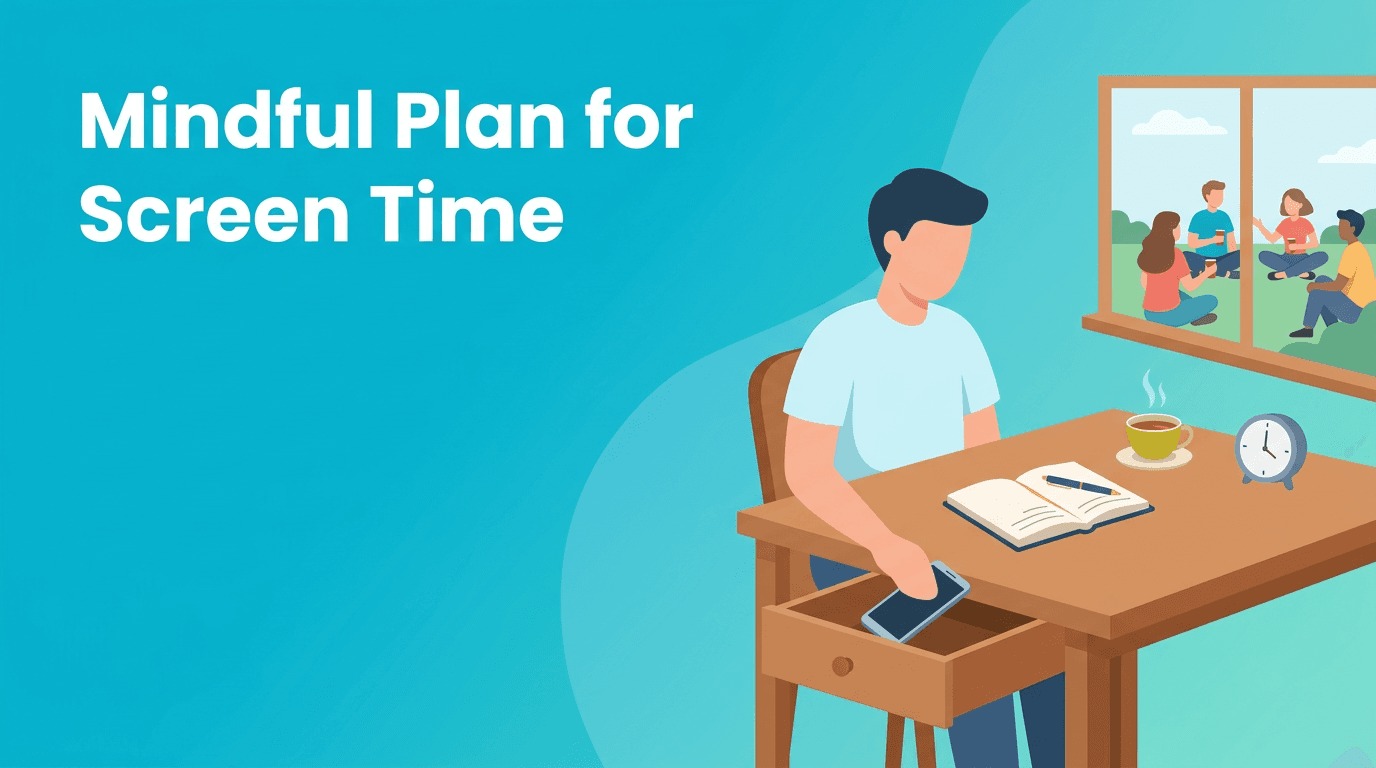
- Create friction between you and distracting apps
- Protect moments that matter, like meals, conversations, and sleep
- Replace scrolling with a simple offline alternative you actually enjoy
- Notice how different apps affect your mood, energy, and attention
A quick self-check for screen time patterns
- Do you unlock your phone without knowing why?
- Do you feel restless when your phone is not nearby?
- Do you check social apps during small pauses, like waiting in line?
- Do you go online for one task and end up staying much longer?
- Do you feel worse, not better, after scrolling?
If you answered yes to several of these, you do not need shame. You need a system. Mindfulness works best when it becomes visible and repeatable.
A 5-step digital detox plan that fits normal life
1. Start with one screen time audit
Before changing anything, look at your weekly screen time report. Which apps take the most time? Which ones spike late at night or first thing in the morning? Awareness turns vague guilt into useful data.
2. Pick one trigger, not ten
Maybe your biggest trigger is boredom, stress, loneliness, or procrastination. Choose the one pattern that shows up most often. A focused digital detox works better than trying to fix every habit at once.
3. Make your phone slightly less convenient
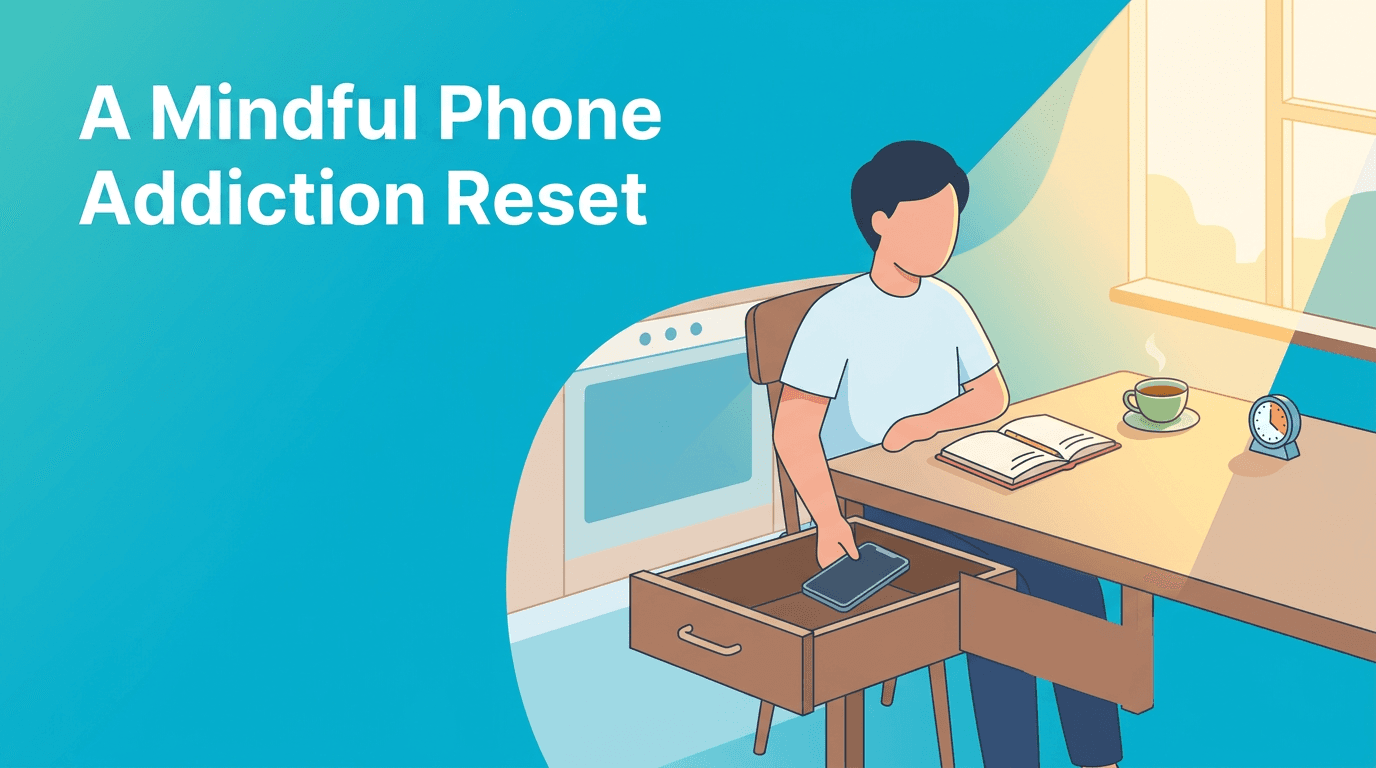
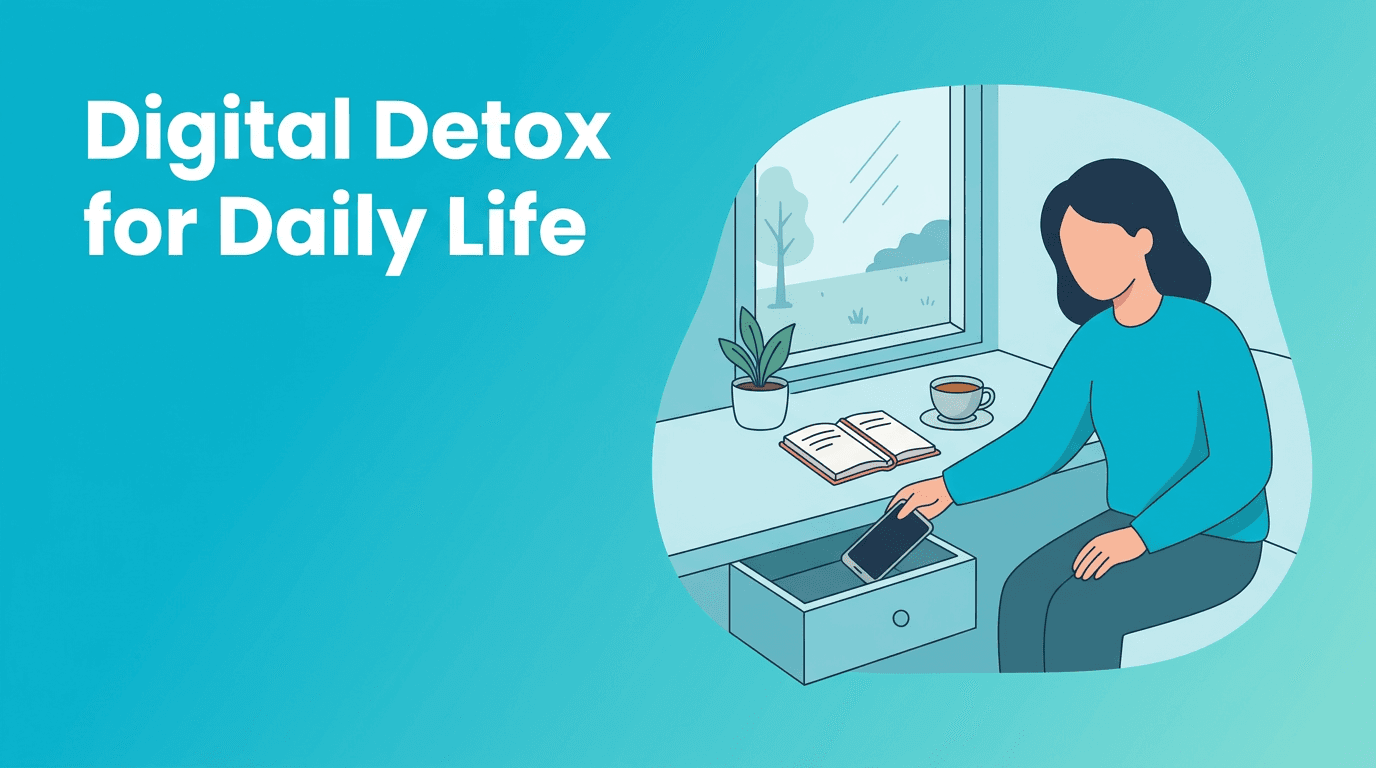
- Move social media apps off your home screen
- Turn off nonessential notifications
- Use grayscale during work hours
- Keep your charger outside the bedroom
- Log out of the apps you open automatically
4. Create a replacement ritual
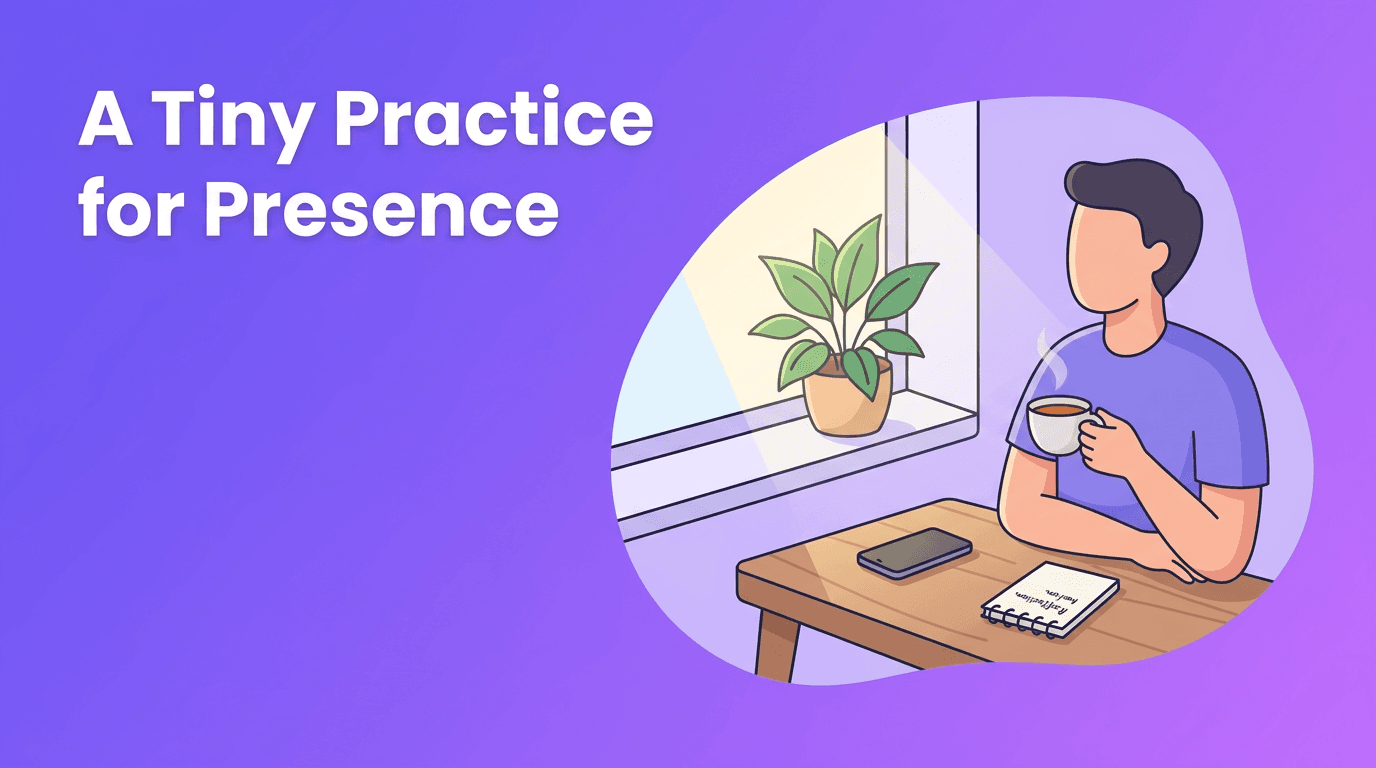
Removing a habit leaves a gap. Fill it on purpose. Keep a book, notebook, walking shoes, or a tea ritual nearby. If evenings are your danger zone, try three minutes of breathing instead of opening another app. Haply's Meditation/Breathe mini-app can help make that switch feel easy because it gives you a calm, structured alternative right when the urge appears.
5. Set one boundary you can keep
Try a no-phone breakfast, a social-media-free Sunday morning, or a 30-minute buffer before bed. Small boundaries are powerful because they are sustainable. This is how intentional tech use becomes a lifestyle instead of a temporary challenge.
Want help making digital habits stick?
Haply is an AI life coaching app for iOS and Android that helps you build healthier routines with chat-based support, habit tracking, reminders, and wellness tools like Meditation/Breathe.
Try Haply FreeHow to handle FOMO during a digital detox
The fear of missing out gets stronger when you first pull back from constant updates. That is normal. FOMO is often less about missing important information and more about wanting reassurance that you still belong, matter, and are included.
- Ask, "What am I afraid of missing, exactly?"
- Distinguish urgent communication from ambient noise
- Remember that most updates can wait without real consequences
- Reach out directly to people you care about instead of passively monitoring them
- Trade endless awareness for deeper presence in your actual day
One of the quiet benefits of a digital detox is emotional clarity. When you stop comparing your behind-the-scenes life to everyone else's highlight reel, your nervous system gets a chance to settle.
Mindfulness practices that reduce phone addiction urges
The 3-breath pause
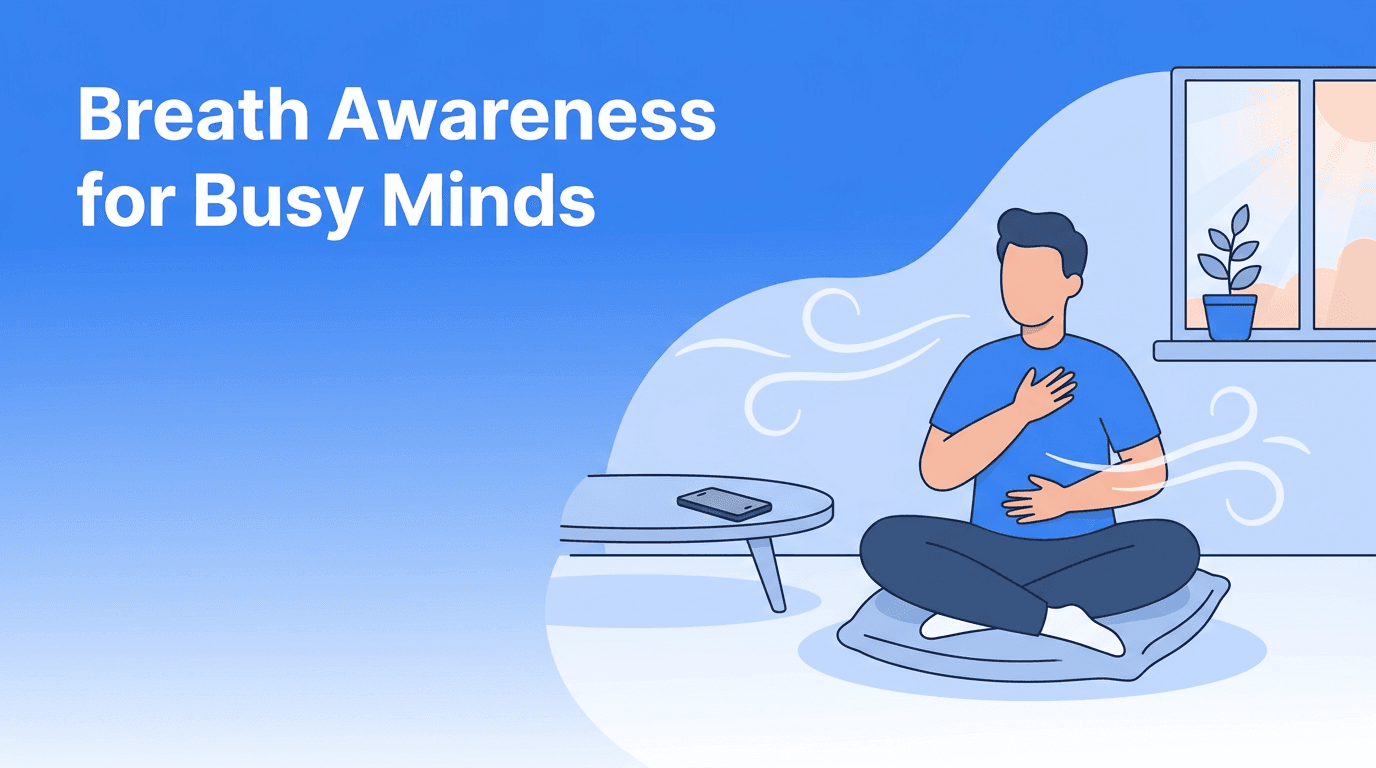
Before unlocking your phone, take three slow breaths and ask, "What do I need right now?" Sometimes the answer is information. Sometimes it is rest, comfort, or a break from discomfort. That tiny pause interrupts automatic behavior.
Name the urge
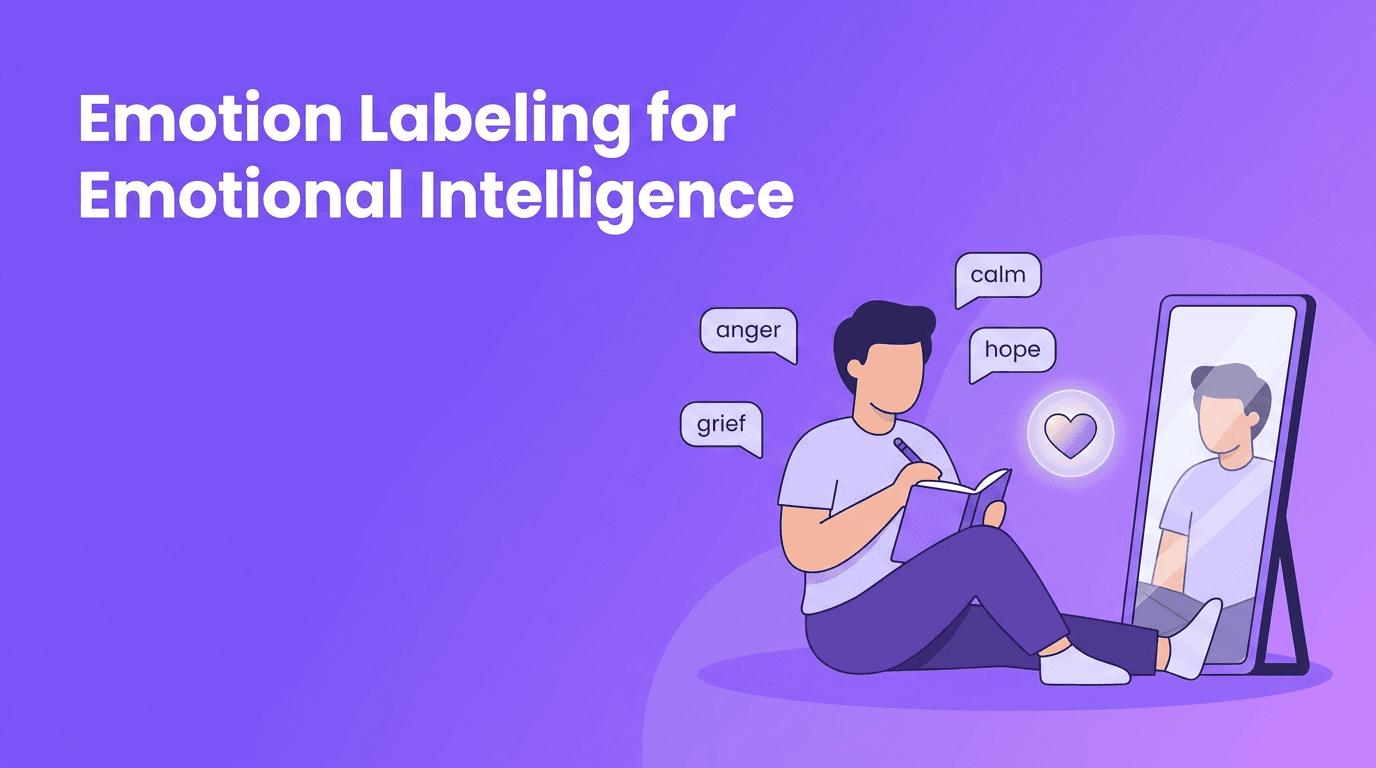
Try labeling the moment: "boredom," "stress," "avoidance," or "loneliness." Naming the state reduces its power and helps you choose a better response.
Use a visible reset
Place your phone face down, stand up, stretch, and look at something far away for 20 seconds. This is simple, but it signals to your body that you are stepping out of autopilot.
Build a home environment that supports intentional tech use
- Create one phone-free zone in your home
- Keep analog items visible, like books, puzzles, or a journal
- Use an alarm clock so your phone does not sleep beside you
- Store chargers away from places where you want to be present
- Make your first morning cue something offline, like water, sunlight, or stretching
Environment matters more than motivation. If your home constantly invites scrolling, willpower has to work overtime. Good design makes the better choice easier.
What progress actually looks like
Success is not never using your phone. Success is noticing that you check it less automatically, recover your focus faster, and feel more available for your own life. You may still have busy weeks or relapse into heavy scrolling. That does not mean you failed. It means you are learning what support your habits need.
If you want extra structure, Haply can help you turn reflection into action. Its wellness coaching, habit tracker, daily reminders, and Today Dashboard make it easier to follow through on small digital boundaries without relying on memory alone.
Frequently Asked Questions
How do I start a digital detox without deleting everything?
Start with one small boundary, like no phones during meals or the first 30 minutes after waking up. You can also turn off notifications and move distracting apps off your home screen.
Can a digital detox help reduce phone addiction?
Yes, a digital detox can reduce compulsive phone use by helping you notice triggers, create friction, and replace automatic scrolling with more intentional habits.
What is the difference between digital detox and intentional tech use?
A digital detox usually means taking a break or reducing exposure for a period of time. Intentional tech use is the long-term habit of using technology on purpose rather than by impulse.
Why does FOMO get worse when I reduce screen time?
FOMO can feel stronger at first because your brain is adjusting to less constant stimulation and social checking. It usually eases as you build trust that not everything needs your immediate attention.