Digital Detox for FOMO: A Practical Guide to Intentional Tech Use
A digital detox does not have to mean deleting everything. Learn how to reduce screen time, calm FOMO, and build intentional tech use habits that actually fit real life.

By Haply Team
Haply Editorial Team
A digital detox can sound extreme, especially if your phone is how you work, text friends, navigate, relax, and fill every tiny pause. But for many people, the real issue is not technology itself. It is the constant pull of screen time, the background anxiety of FOMO, and the feeling that your attention is no longer fully yours.
This guide takes a realistic approach. Instead of quitting your devices, you will learn how to create intentional tech use so your phone becomes a tool again, not a reflex. If you have worried about phone addiction or feel weirdly restless without your screen, you are not alone.
Why digital detox feels harder than it should
Most people do not struggle because they lack discipline. They struggle because apps are designed to reward checking, scrolling, and returning. Notifications, streaks, autoplay, and endless feeds keep your brain chasing novelty. That is why a digital detox often feels less like a wellness trend and more like withdrawal from constant stimulation.
"What you pay attention to becomes your life."
When attention is fragmented all day, even rest stops feeling shallow. You may finish an hour online and still feel undernourished, because your mind consumed a lot but settled nowhere.
The hidden link between FOMO and screen time
FOMO is not only fear of missing events. It is also fear of missing relevance, updates, messages, opportunities, jokes, trends, and belonging. Every glance at your phone can quietly ask, "Am I still caught up?" That question fuels compulsive screen time more than many people realize.
What FOMO can look like in daily life
- Refreshing apps with no clear reason
- Checking group chats during meals or conversations
- Feeling uneasy when a post or message goes unanswered
- Reaching for your phone the moment boredom appears
- Thinking everyone else is more connected, informed, or productive than you are
This is where intentional tech use matters. The goal is not to be unreachable. The goal is to stop treating every ping as proof that you must respond, consume, or compare right now.
A gentler digital detox: 5 rules that work in real life
1. Start with friction, not willpower
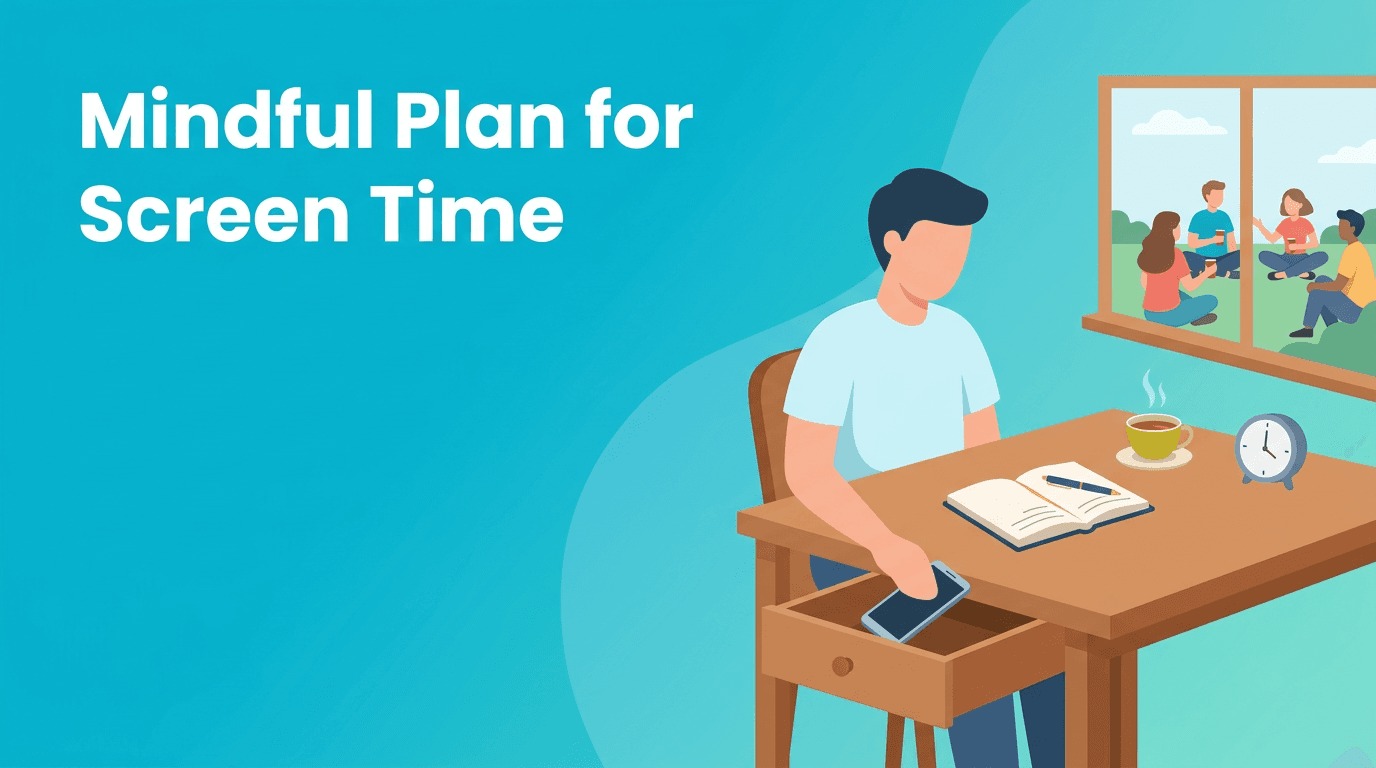
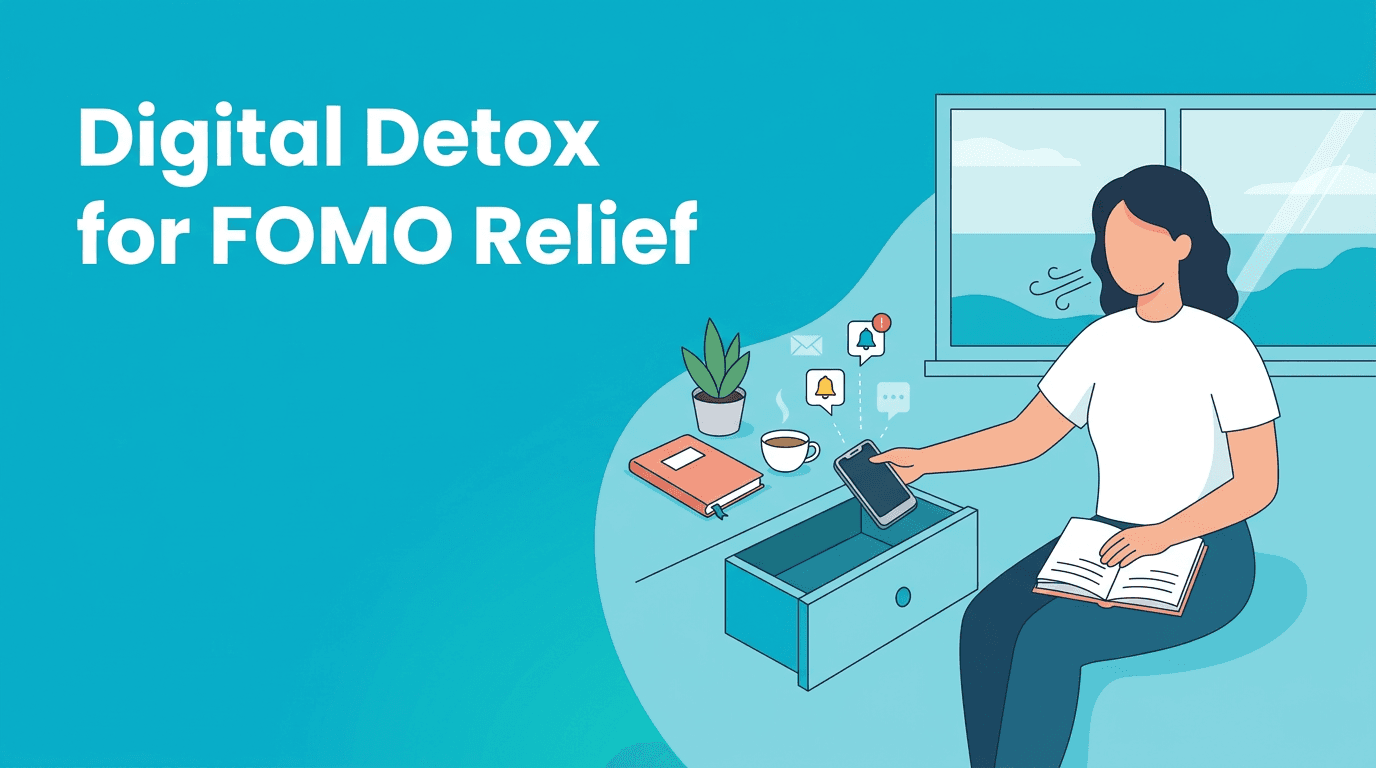
Move the apps you overuse off your home screen. Turn off nonessential notifications. Log out of platforms that trap you in automatic checking. Small barriers reduce impulsive use better than vague promises.
2. Create phone-free anchor moments
Pick two parts of your day that stay screen-light, such as the first 20 minutes after waking and the last 30 minutes before sleep. These anchors give your nervous system predictable breaks from stimulation.
3. Replace the habit loop
If you usually scroll when stressed, tired, or lonely, choose a substitute that meets the same need. Try a short walk, a voice note to a friend, stretching, tea, or three slow breaths. A digital detox works better when it includes replacement behaviors, not just restriction.
4. Use your phone on purpose
Before unlocking your phone, ask: "Why am I picking this up?" That tiny pause interrupts autopilot. Over time, this becomes one of the simplest mindfulness practices for intentional tech use.
5. Track one honest metric
Instead of obsessing over perfection, track one number for a week, such as social media minutes, pickups, or bedtime scrolling. Awareness often changes behavior faster than self-criticism.
Mindfulness practices that reduce phone addiction triggers
If concerns about phone addiction keep coming up, mindfulness can help by making urges visible before they become actions. You do not need a 30-minute meditation session to start.
- Try a 3-breath pause before opening any social app
- Notice where the urge lives in your body, such as tightness in your chest or buzzing in your hands
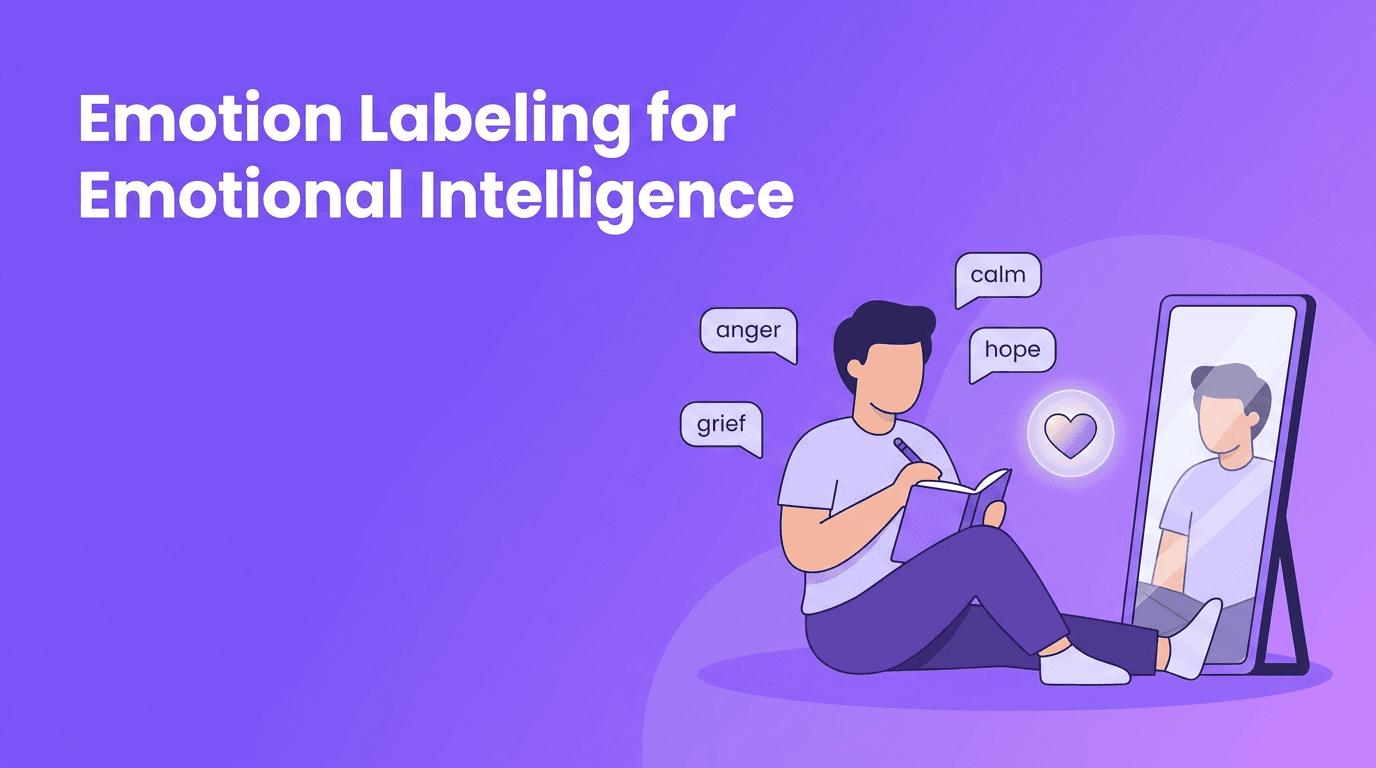
- Name the need underneath the urge: stimulation, comfort, distraction, connection, or escape
- Set a timer for 10 intentional minutes instead of entering an endless scroll
- After using your phone, ask whether you feel more calm, more informed, or simply more activated
These micro-practices build awareness without shame. They help you see that the urge to check your phone is often emotional, not practical.
Want support building calmer tech habits?
Haply is an AI life coaching app for iOS and Android with Wellness coaches, a Meditation/Breathe mini-app, habit tracking, and daily reminders that can support a more mindful relationship with screens.
Try Haply FreeHow to make intentional tech use sustainable
The best systems are the ones you can keep. Sustainable intentional tech use is usually simple, visible, and flexible. Think fewer rules, clearer defaults.
- Charge your phone outside the bedroom
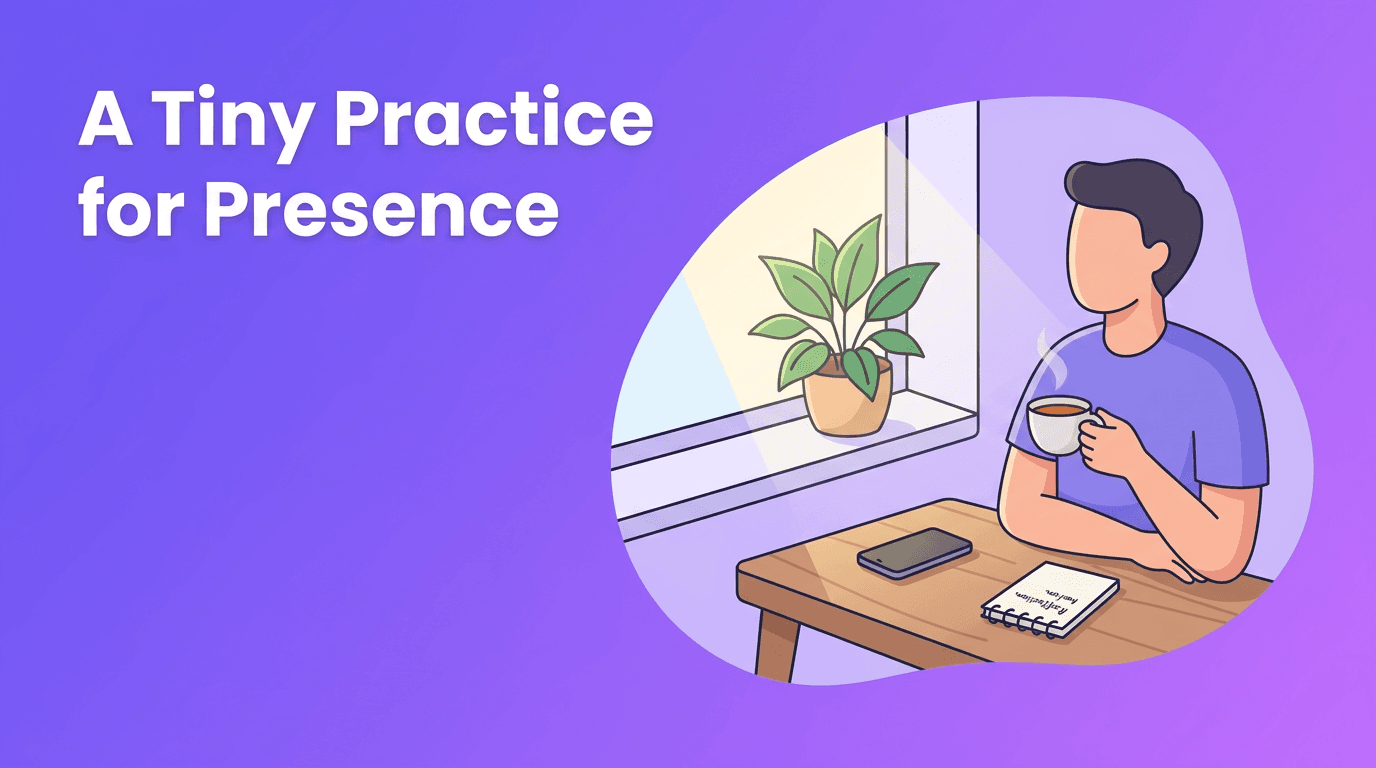
- Keep one low-tech activity within reach, like a book, puzzle, or notebook
- Use grayscale mode during work hours if visual stimulation hooks you
- Plan one short offline block each day, even 15 minutes counts
- Tell close friends when you are reducing notifications so slower replies do not create stress
If you want structure, Haply can help here too. Its habit tracker, Today Dashboard, and personalized coaching can make a digital detox feel like a guided experiment instead of another all-or-nothing promise.
What success actually looks like
Success is not never feeling FOMO again. Success is noticing it without letting it run your day. It is being able to leave your phone in another room and still feel okay. It is choosing when to connect, when to log off, and when to return to your own mind.
A thoughtful digital detox is really a return to choice. And choice is where mindfulness begins.
Frequently Asked Questions
What is a digital detox and do I need one?
A digital detox is a deliberate break or reset in how you use devices. You may benefit from one if screen time feels compulsive, draining, or disruptive to sleep, focus, or relationships.
How can I reduce screen time without deleting social media?
Start by removing triggers like notifications, moving apps off your home screen, and setting phone-free times. You can reduce use significantly without quitting every platform.
Does FOMO get worse during a digital detox?
It can at first, because your brain is adjusting to less constant input. In many cases, FOMO eases after a few days as you feel less comparison and more mental space.
What are signs of phone addiction?
Common signs include checking your phone automatically, feeling anxious without it, losing time to scrolling, and struggling to stay present in offline moments. If it affects daily life, it is worth addressing.