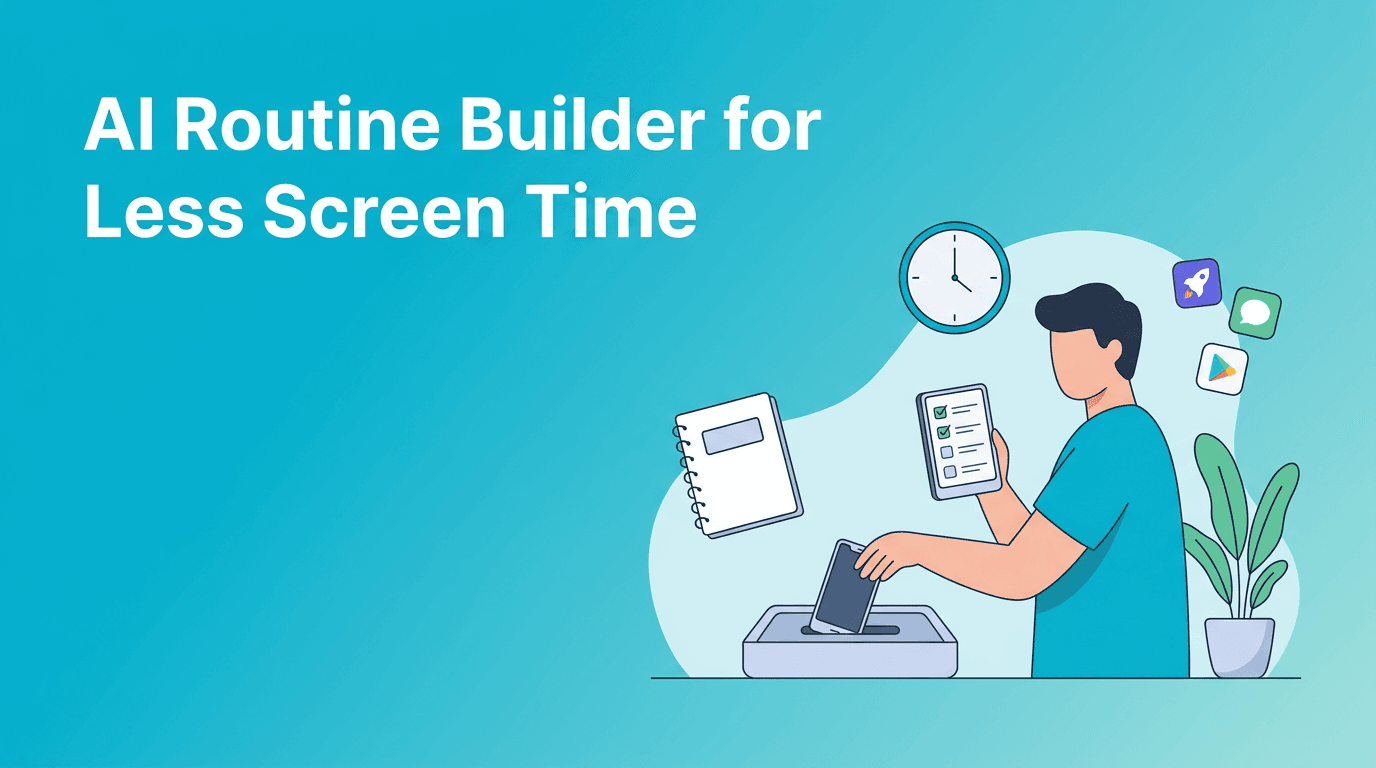
Digital Minimalism with AI Tools: A Smarter Way to Cut Screen Time
Digital minimalism is not about rejecting tech. It is about using AI tools and thoughtful app recommendations to reduce screen time and build a calmer, more intentional digital life.
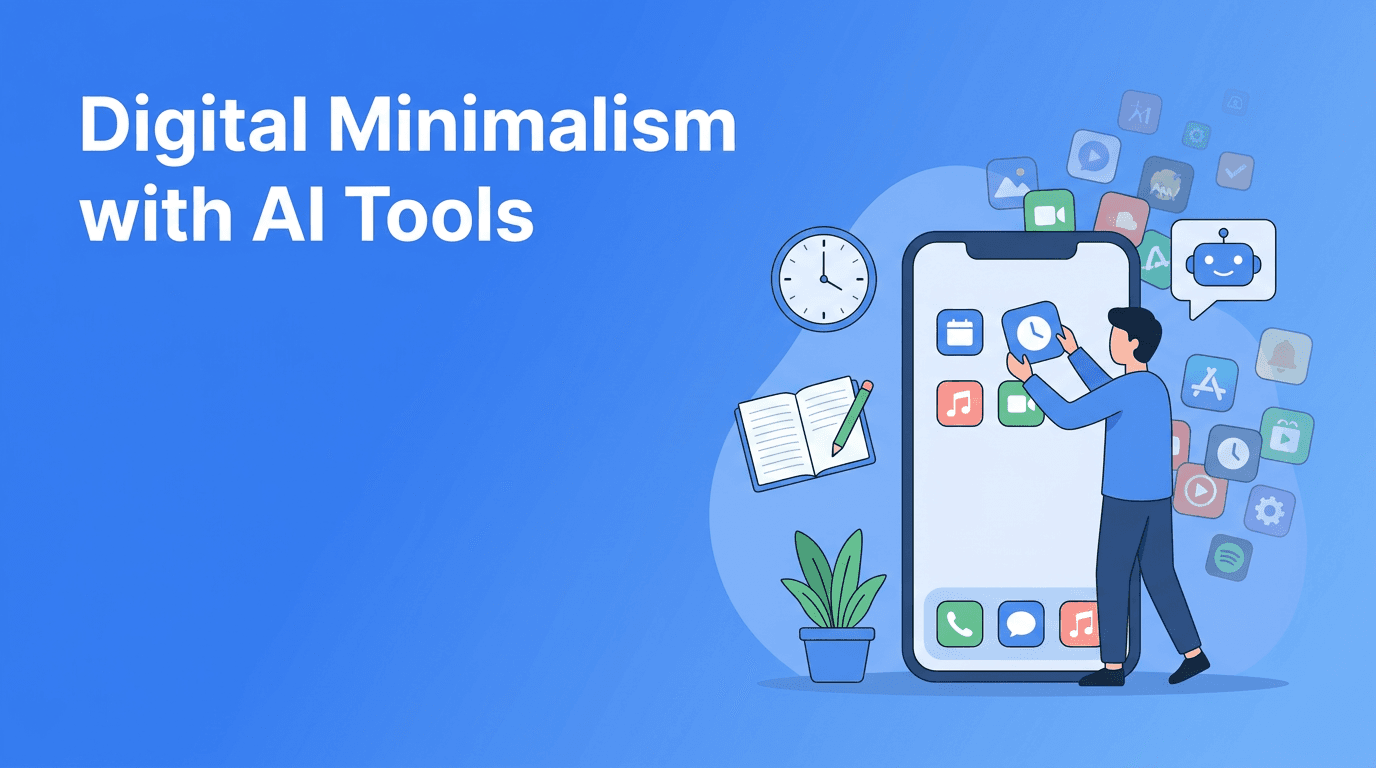

By Haply Team
Haply Editorial Team
Digital minimalism sounds extreme at first, but it is actually a practical way to make technology feel lighter, calmer, and more useful. Instead of deleting everything and hoping for the best, you can use AI tools, better defaults, and smart app recommendations to lower screen time without disconnecting from modern life.
Why digital minimalism matters now
The average phone is no longer just a communication device. It is a planner, entertainment hub, shopping mall, newsfeed, social space, and work portal all in one. That convenience is powerful, but it also creates constant cognitive noise. Digital minimalism helps you decide what deserves space on your screen and what does not.
- Keep tools that serve a clear purpose
- Remove apps that create reflexive checking
- Use automation to reduce decision fatigue
- Measure screen time by quality, not just quantity
The real goal is not less tech, it is better tech
A common myth is that digital wellness means avoiding technology. In reality, the best approach is often selective adoption. Some apps increase distraction. Others remove friction, simplify routines, and support self-improvement. The difference is whether a tool pulls your attention away or helps you invest it with intention.
"Technology becomes helpful when it stops competing for your attention and starts protecting it."
How AI tools can support digital minimalism
Used well, AI tools can act like filters. They can summarize information, turn goals into step-by-step plans, and reduce the number of separate apps you need. Instead of opening five different tools to manage your day, you might use one smart system that helps you plan, reflect, and stay accountable.
- AI summaries can reduce endless reading and scrolling
- Smart reminders can replace mental clutter
- Habit coaching can guide behavior change without constant app hopping
- Personalized prompts can help you open your phone with a purpose
A simple 5-step digital minimalism reset
1. Audit your home screen
Move distracting apps off the first screen. Keep only essentials and high-value tools visible. If an app is useful but not urgent, make it slightly harder to reach.
2. Set screen time rules around triggers
Do not just set a daily number. Notice when you scroll. Is it during boredom, stress, or procrastination? The best screen time changes target those moments, not just totals.
3. Replace, do not just remove
If you delete a distracting app, replace the behavior with something specific. Swap social scrolling with a reading app, a breathing tool, a focus timer, or a journaling check-in. Good app recommendations work because they fill a real need.
4. Consolidate where possible
Try to reduce tool sprawl. If one app can support planning, habits, and reflection, that is often better than juggling four disconnected systems.
5. Review weekly
Your digital life changes fast. A quick weekly reset helps you keep your phone aligned with your actual priorities instead of old impulses.
App recommendations for a lighter digital life
When choosing tools, look for apps that create clarity instead of urgency. A good digital wellness setup usually includes a planning tool, a focus aid, and one reflective space.
- Haply - An AI life coaching app for iOS and Android with specialized coaches for productivity, wellness, career, learning, finance, creativity, and relationships. It also includes a habit tracker, daily reminders, a Today Dashboard, and mini-apps like Focus Timer, Meditation/Breathe, Task Planner, Sleep Stories, Budget Tracker, and Idea Board.
- Read-later apps - Great for saving articles so you do not feel pressured to consume everything immediately.
- Screen time dashboards - Useful for spotting patterns, especially which apps steal attention in short bursts.
- Single-purpose focus apps - Helpful when you need structure without the temptation of an all-in-one social platform.
Want a simpler relationship with your phone?
Try Haply to turn your goals into daily actions with personalized AI coaching, habit tracking, and focused mini-tools that support digital minimalism.
Try Haply FreeWhat digital minimalism says about the future of technology
The future of technology is not just faster apps and smarter models. It is also more intentional design. People are becoming more aware of attention as a limited resource, which means the next wave of great products will likely help users do fewer things, better.
This is where digital minimalism becomes more than a personal habit. It becomes a design philosophy. The most valuable tools in the next few years may be the ones that reduce overload, personalize support, and quietly guide better decisions in the background.
How to know your setup is working
- You pick up your phone with a clearer reason
- Your screen time drops in the categories that drain you most
- You feel less scattered after using your devices
- Your apps support goals like learning, wellness, focus, or creativity
- You spend less time managing tools and more time living your life
That is the quiet promise of digital minimalism. Not a perfect phone, not zero distractions, but a digital environment that respects your attention and helps you grow.
Frequently Asked Questions
What is digital minimalism in simple terms?
Digital minimalism is the practice of using technology more intentionally. It means keeping the apps and devices that add real value and reducing the ones that create distraction.
How can I reduce screen time without deleting every app?
Start by changing defaults, moving distracting apps off your home screen, and replacing mindless habits with more purposeful tools. You do not need to quit tech to use it better.
Are AI tools good or bad for digital wellness?
They can be either, depending on how they are designed and used. The best AI tools reduce friction, simplify decisions, and support your goals instead of demanding more attention.
What are the best app recommendations for digital minimalism?
Look for apps that help with planning, focus, reflection, and habit tracking. Tools like Haply can be useful because they combine coaching and practical features in one place.