Mindful Tech Setup: How a Digital Minimalism App Stack Can Improve Your Screen Time
A smart digital minimalism app stack can cut screen time without going off-grid. Learn which AI tools and app recommendations actually support focus, calm, and intentional tech use.

By Haply Team
Haply Editorial Team
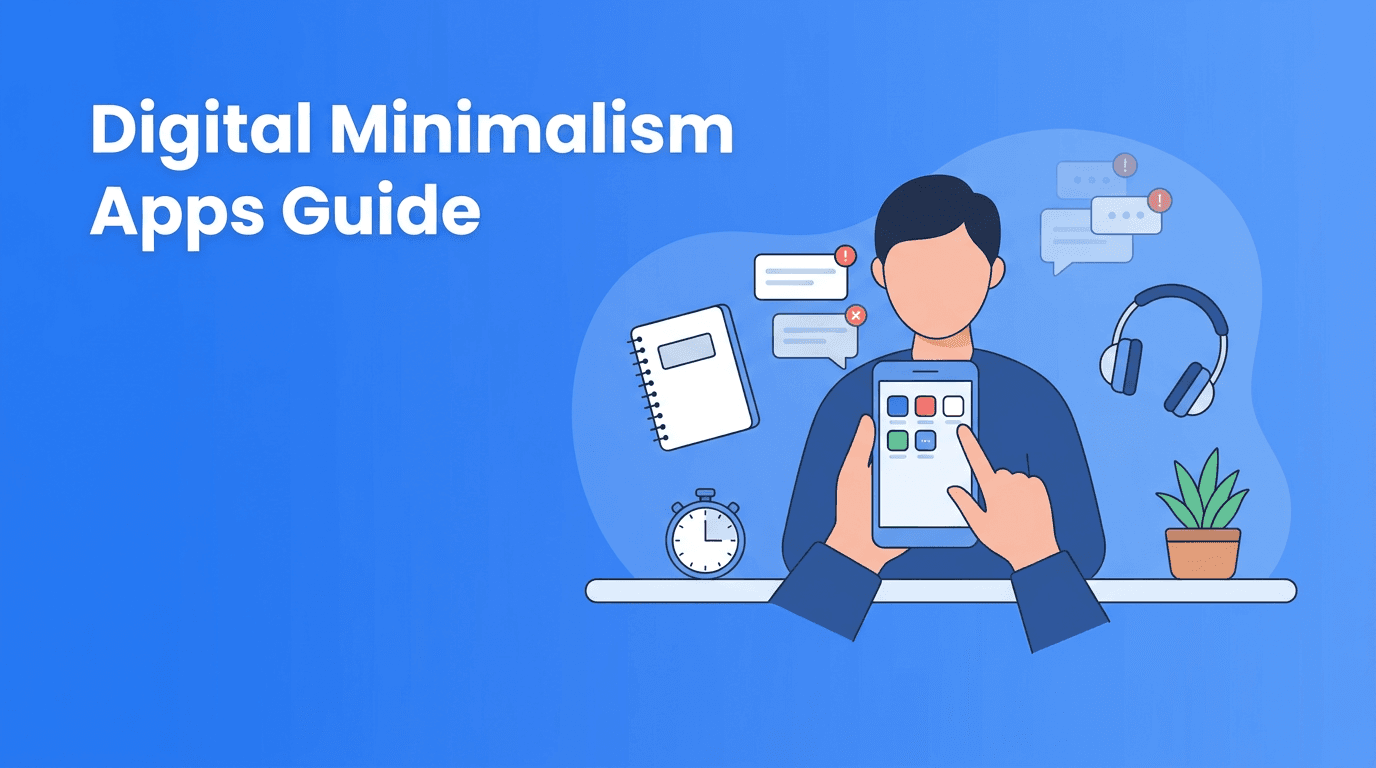
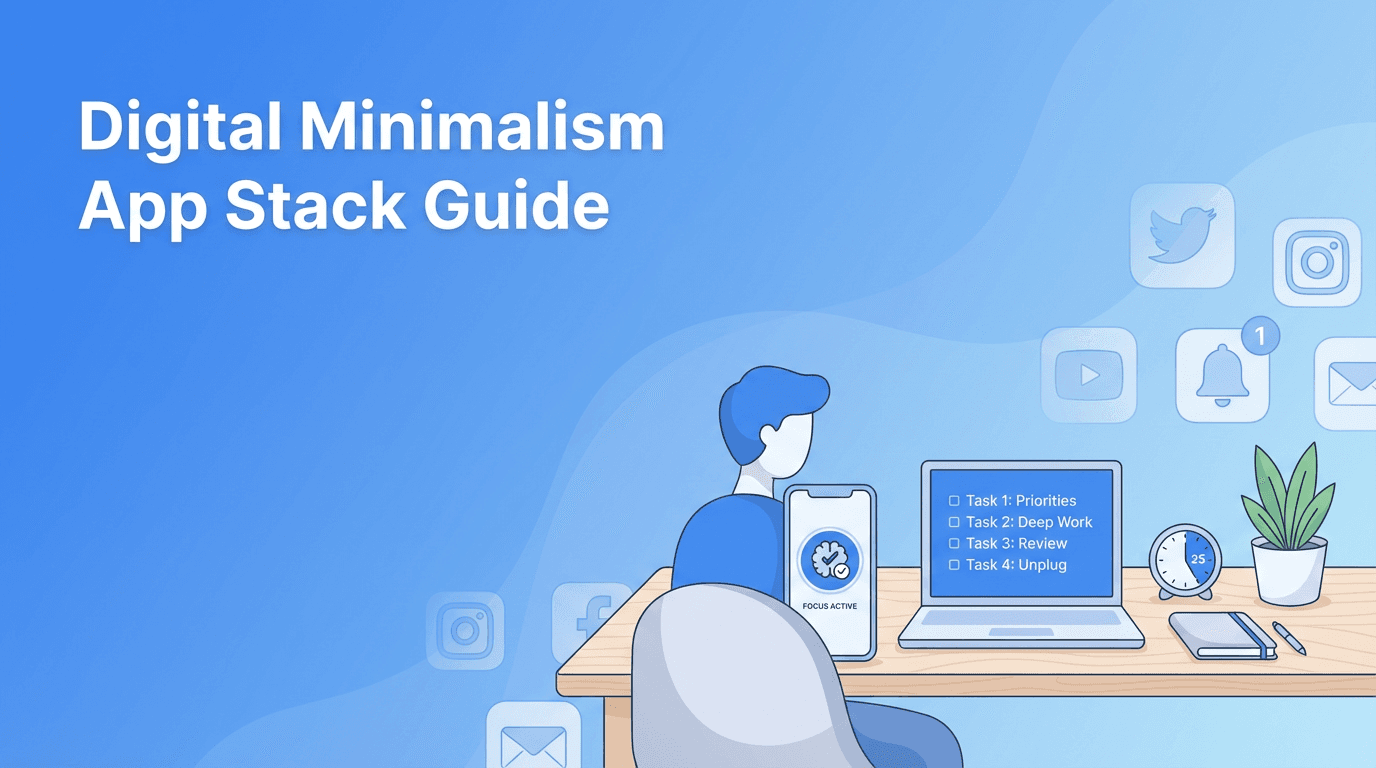
Digital minimalism does not mean deleting every app and living like it is 2005. It means building a phone and device setup that helps you use technology on purpose. If your screen time keeps rising and your attention feels scattered, the fix is often not less technology, but a better system of AI tools and intentional app choices.
Why digital minimalism works better as a setup, not a challenge
Many people treat digital minimalism like a weekend detox. They uninstall social apps, feel great for two days, then slowly rebuild the same cluttered home screen. A better approach is to create an app stack where every tool has one job. When your phone becomes easier to understand, it also becomes easier to trust.
- Keep capture apps separate from consumption apps so ideas and distractions do not live in the same place.
- Use defaults like Focus Mode, notification summaries, and app limits before relying on willpower.
- Choose a small number of AI tools that actively reduce mental load instead of adding more dashboards to check.
- Review your setup once a week so your system stays useful as your goals change.
The 4-layer digital minimalism app stack
1. A thinking tool
Start with one app that helps you turn vague thoughts into clear next steps. This is where AI can be genuinely useful. Instead of opening three apps when you feel overwhelmed, you can use one coaching or planning space to reflect, prioritize, and decide what matters now.
Haply fits well here because it combines chat-based coaching with practical action tools. You can talk through a goal, use the Task Planner or Focus Timer, and keep momentum with reminders and streaks. For people who want support without building a complicated productivity system, that simplicity matters.
2. A boundary tool
Your second layer should protect attention. Built-in phone settings are often enough: app limits, grayscale, notification control, and scheduled focus modes. The goal of digital minimalism is not to optimize every second. It is to make the distracting option slightly harder and the meaningful option slightly easier.
3. A recovery tool
A minimal device setup should include something that helps your nervous system slow down. That might be a breathing app, a sleep audio app, or a simple meditation tool. If your technology only pushes you to do more, your screen time may drop while your stress still rises.
4. A review tool
The final layer is a weekly review. Look at which apps you opened most, what triggered mindless scrolling, and which tools actually helped. The best app recommendations are not universal. They are the ones you still use after the novelty disappears.
"The best tech setup is not the one with the most features. It is the one that leaves you with the most attention."
How AI tools fit into digital minimalism without making it worse
This is where people get skeptical, and fairly so. Some AI tools promise clarity but create a new layer of noise. They generate plans, summaries, reminders, and insights you never asked for. The rule is simple: if a tool makes you check your phone more often, it is probably hurting your digital minimalism practice.
- Use AI for decision support, not endless idea generation.
- Prefer tools that turn conversation into one next action.
- Avoid apps that send too many nudges or create guilt through constant notifications.
- Look for products that combine several useful functions in one place, reducing app switching.
Haply is a strong example of this balanced approach. Rather than acting like a generic chatbot, it offers specialized AI coaches across areas like productivity, wellness, learning, finance, creativity, and relationships. That means the app can support reflection and action in one place, while mini-tools like Meditation, Sleep Stories, Budget Tracker, and Idea Board reduce the need for extra downloads.
Want a simpler self-growth system?
Try an AI life coaching app that combines coaching, habit tracking, and practical mini-tools in one place, so your phone supports your goals instead of stealing your focus.
Try Haply FreeA realistic 20-minute screen time reset
If you want results today, do this quick reset. It is one of the easiest ways to apply digital minimalism without deleting everything on your phone.
- Move your top three distracting apps off the home screen.
- Turn off all notifications except messages, calendar, and one essential app.
- Create one folder called Later for optional apps like shopping, travel, and streaming.
- Put one intentional app on your home screen, such as a reading app, language app, or Haply.
- Set a daily reminder to check your screen time at the same hour each evening.
- Use one AI-powered check-in to ask: What do I need right now - stimulation, progress, or rest?
What this says about the future of technology
The future of technology in personal growth will not be defined only by smarter models or faster apps. It will be defined by whether tools can reduce friction, respect attention, and help people feel more capable. The winning products will not just do more. They will help users do less, but better.
That is why the next wave of app recommendations may look different from the last decade. Instead of celebrating apps with endless features, people are starting to value tools that combine guidance, calm design, and practical follow-through. In that future, minimalist design and useful AI will work together.
Final thought: curate your phone like a living space
You do not need a perfect device setup. You need one that helps you think clearly, act consistently, and recover when life gets noisy. Digital minimalism is less about restriction and more about alignment. When your apps match your values, better habits become easier to repeat.
Frequently Asked Questions
What is digital minimalism in simple terms?
Digital minimalism is the practice of using technology more intentionally. You keep the tools that support your goals and reduce the ones that waste attention.
How can I reduce screen time without deleting all my apps?
Start by removing notifications, hiding distracting apps from your home screen, and using a small set of tools with clear purposes. A better setup often works better than a full detox.
Are AI tools helpful for digital wellness?
Yes, if they reduce decision fatigue and help you take action. The best AI tools simplify your routine instead of adding more alerts and complexity.
Which app is good for self-improvement and digital minimalism?
An app like Haply can work well because it combines AI coaching, habit tracking, and practical mini-tools in one place. That can reduce app switching and support more intentional screen use.