Emotional Availability in Friendship: How to Build Deep Connections Without Oversharing
Emotional availability in friendship helps you create deep connections, build trust, and ease loneliness without forcing closeness. Learn practical ways to strengthen your social circle.

By Haply Team
Haply Editorial Team
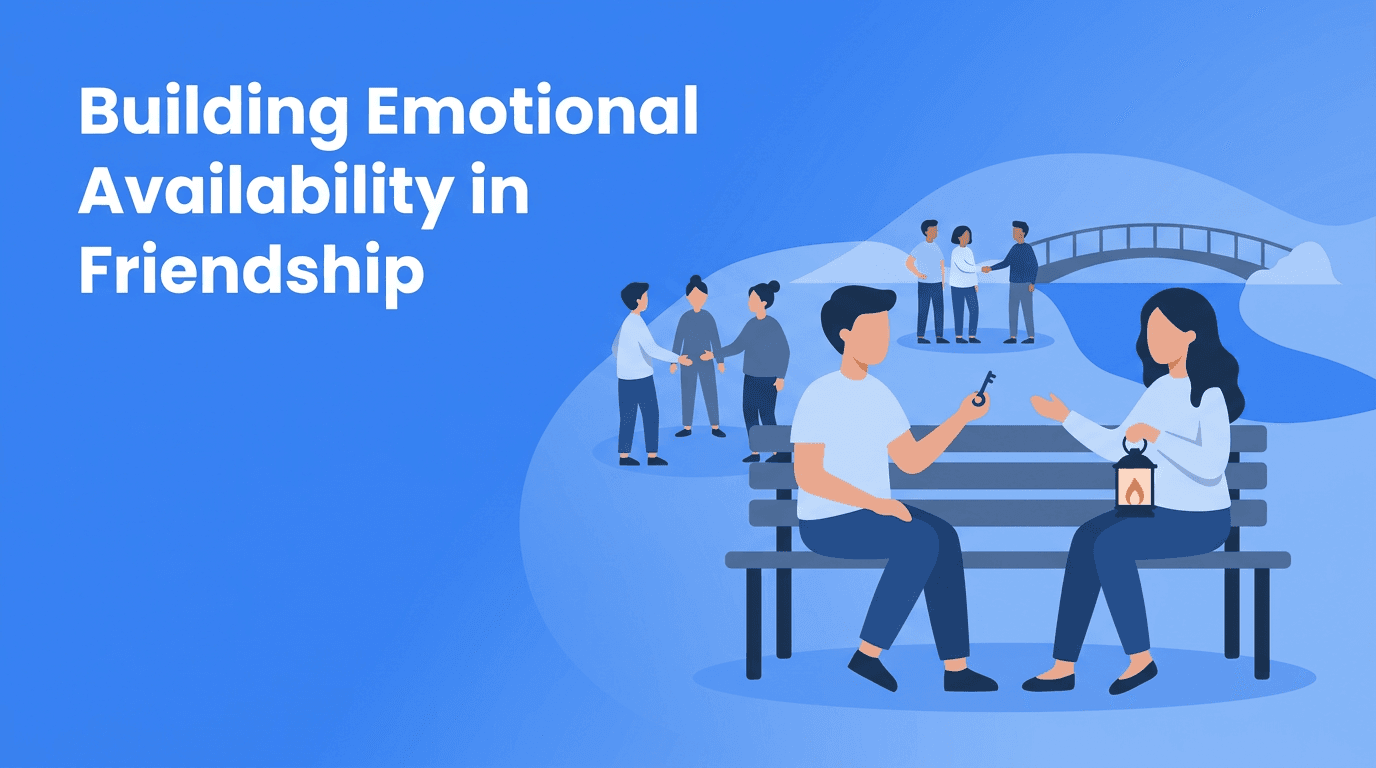
If you want deeper friendship, more trust, and less loneliness, emotional availability may matter more than being fun, outgoing, or always knowing the right thing to say. It is the quiet skill of being present, honest, and open enough to let real connection grow, without turning every conversation into a confession.
Many people assume deep relationships happen through chemistry or time alone. But often, deep connections form when someone feels safe with you. That safety grows through small moments of consistency, curiosity, and vulnerability. In other words, a stronger social circle is not only about meeting more people. It is about showing up in a way that makes closeness possible.
What emotional availability really means in friendship
Emotional availability is your ability to notice your feelings, express them clearly, and stay engaged with someone else's experience without shutting down, disappearing, or performing. In friendship, it looks like being responsive, honest, and steady enough that another person can trust what kind of connection they have with you.
- You share a little of what is real, instead of hiding behind jokes or constant busyness.
- You listen to understand, not just to reply or fix.
- You let trust build gradually, instead of rushing intimacy.
- You stay present during discomfort, even when a topic feels awkward or tender.
- You respect boundaries, including your own, so vulnerability feels safe rather than overwhelming.
"Connection grows where honesty and safety meet."
Why some friendships stay pleasant but never become deep connections
A lot of adult friendship lives in a comfortable middle zone. You chat, send memes, maybe meet for coffee, but the relationship never quite deepens. This does not always mean the bond is weak. Often, it means neither person is taking the small emotional risks that build trust.
Common blockers to emotional closeness
- Fear of being a burden keeps you from saying what matters.
- Past betrayal makes openness feel dangerous.
- People-pleasing leads you to be agreeable instead of authentic.
- Oversharing too soon can create intensity without real trust.
- Emotional numbness from stress or burnout makes it hard to connect at all.
If any of these sound familiar, you are not broken. Many people who feel isolated are not bad at friendship. They are simply underpracticed in emotional availability. And like any relationship skill, it can be learned.
How to practice vulnerability without oversharing
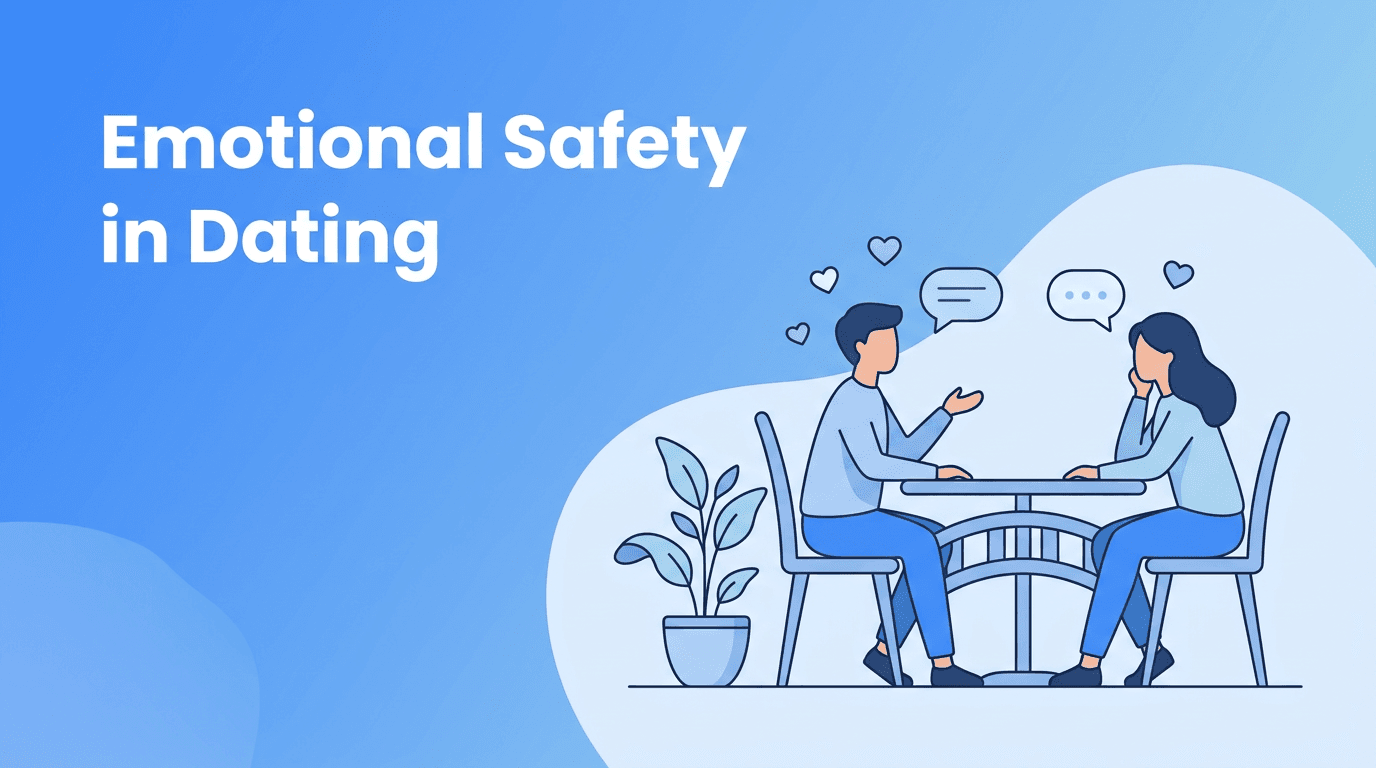
Healthy vulnerability is not about telling your whole life story at once. It is about offering a little more truth than the moment strictly requires, then noticing whether the other person meets you with care. Think of it as a gradual exchange, not an emotional dump.
- Start with present-tense honesty: "I have been feeling a little off lately."
- Share one level deeper than your default, not ten levels deeper.
- Notice who responds with care, curiosity, and consistency.
- Ask a thoughtful follow-up so the exchange stays mutual.
- Pause after sharing and let the moment breathe instead of filling the silence.
Small habits that build trust in your social circle
You do not need dramatic heart-to-heart talks to create closeness. In fact, trust usually grows through repeated, ordinary moments. These habits can turn casual friendship into more meaningful support over time.
- Follow up after someone mentions a hard week or important event.
- Send the text you keep postponing: "Thinking of you. How did it go?"
- Be reliable with small plans. Consistency creates safety.
- Name positive feelings out loud: "I always feel calmer after talking with you."
- Invite depth gently: "What has been on your mind lately?"
- Let people know your capacity honestly instead of disappearing when overwhelmed.
Want help becoming more open and connected?
Haply is an AI life coaching app for iOS and Android with specialized Relationships coaches that help you build communication skills, practice vulnerability, and strengthen habits that support deeper connection. You can also use daily reminders, streaks, and the Today Dashboard to stay consistent.
Try Haply FreeA simple weekly ritual to reduce loneliness
If loneliness has been quietly growing, try this once a week: choose one person in your social circle and make one warm, specific bid for connection. Not a vague "we should catch up sometime," but a real invitation, check-in, or honest message.
- Text one friend with specific warmth: "I have been missing our talks."
- Invite someone to a low-pressure plan, like a walk or coffee.
- Share one real update about your life, then ask one real question back.
- After the interaction, reflect: Did I feel more like myself or less?
- Repeat with people who leave you feeling steady, seen, and respected.
This matters because deep connections are often built through repeated bids for closeness. One message will not transform your life overnight, but consistent openness can slowly reshape your experience of friendship.
How Haply can support relationship growth between conversations
Sometimes the hardest part of building closer relationships is not knowing what to say, when to reach out, or how to stay consistent. Haply can help you reflect before conversations, set small social goals, and track the habits that support emotional availability. Its chat-based coaching, mini-apps, and reminders can make personal growth feel more doable, especially if connection has felt complicated lately.
The goal is not more people, it is more realness
A bigger social circle does not automatically protect you from loneliness. What helps most is having a few relationships where honesty, warmth, and reliability can breathe. When you practice emotional availability, you give friendship a place to deepen naturally.
Start small. Tell a little more truth. Ask one better question. Follow up when it counts. That is how trust grows, how vulnerability becomes safer, and how the relationships around you begin to feel like home.
Frequently Asked Questions
How can I be emotionally available in a friendship?
Start by noticing your feelings, sharing them in small honest ways, and responding consistently when friends open up. Emotional availability grows through practice, not perfection.
What is the difference between vulnerability and oversharing?
Vulnerability is honest, mutual, and appropriate to the level of trust. Oversharing gives too much too soon without enough safety or reciprocity.
Can emotional availability help with loneliness?
Yes. Emotional availability can reduce loneliness by helping you create more meaningful interactions instead of staying stuck in surface-level connection.
How do I build trust in my social circle?
Build trust through consistency, follow-through, thoughtful check-ins, and honest communication. Small reliable actions matter more than grand gestures.