Emotional Awareness Habits: A Mindful Guide to Naming Your Feelings
Emotional awareness can help you understand feelings, build emotional intelligence, and respond with more calm. Learn simple daily habits to grow self-awareness.

By Haply Team
Haply Editorial Team
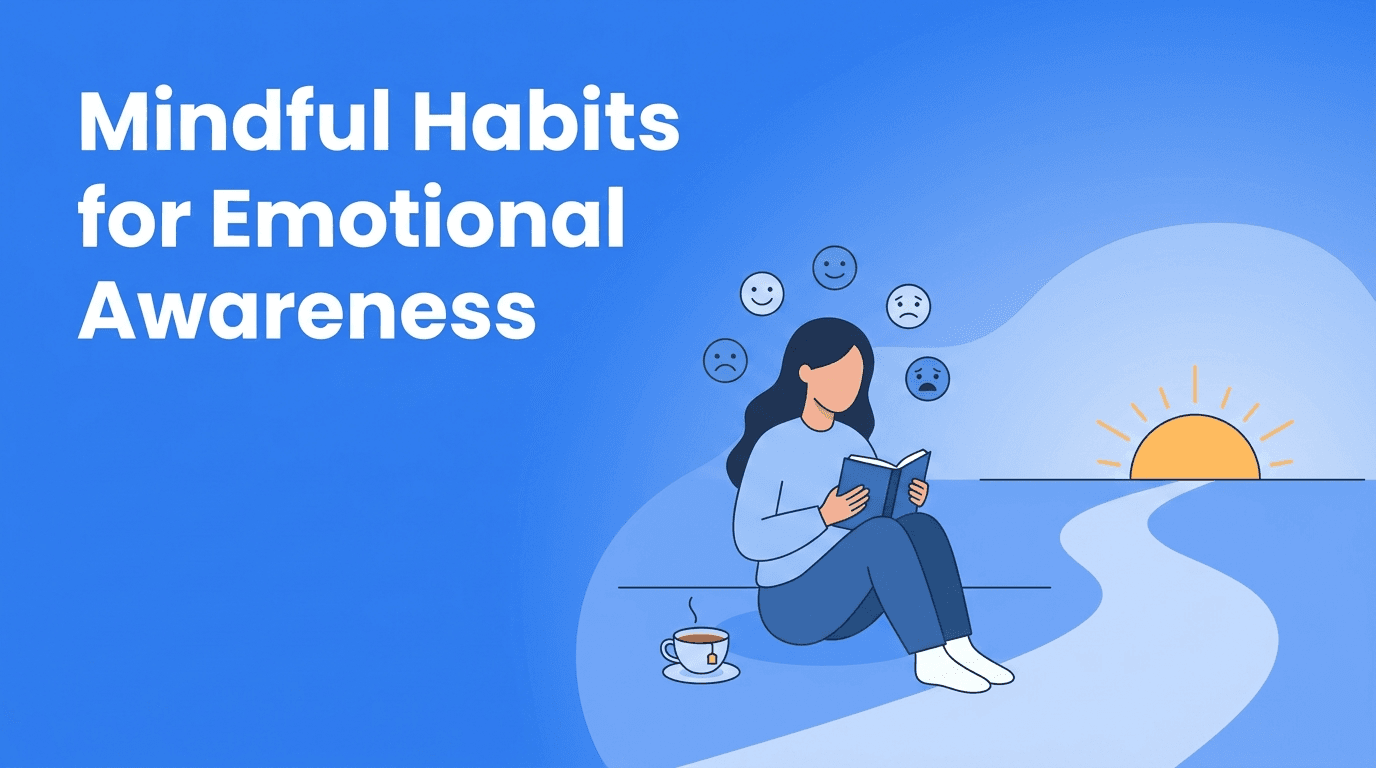
Emotional awareness is not about becoming overly serious or analyzing every mood. It is the practical skill of noticing your feelings as they happen, understanding what they are trying to tell you, and choosing your next step with care. When you build self-awareness around your inner world, your emotions become easier to understand and your emotional intelligence grows in everyday life.
Why emotional awareness matters more than people think
Many people only notice their inner state when it becomes overwhelming. By then, irritation has already turned into conflict, stress has become shutdown, or sadness has become isolation. A small pause earlier in the process can change everything. Emotional awareness helps you catch subtle shifts before they spiral, which makes it easier to communicate clearly, set boundaries, and care for yourself.
- You recognize feelings before they take over your behavior
- You respond with more choice instead of pure reaction
- You strengthen emotional intelligence in relationships and work
- You become more honest with yourself, which deepens self-awareness
- You learn that all emotions carry information, even uncomfortable ones
The hidden problem: many feelings get mislabeled
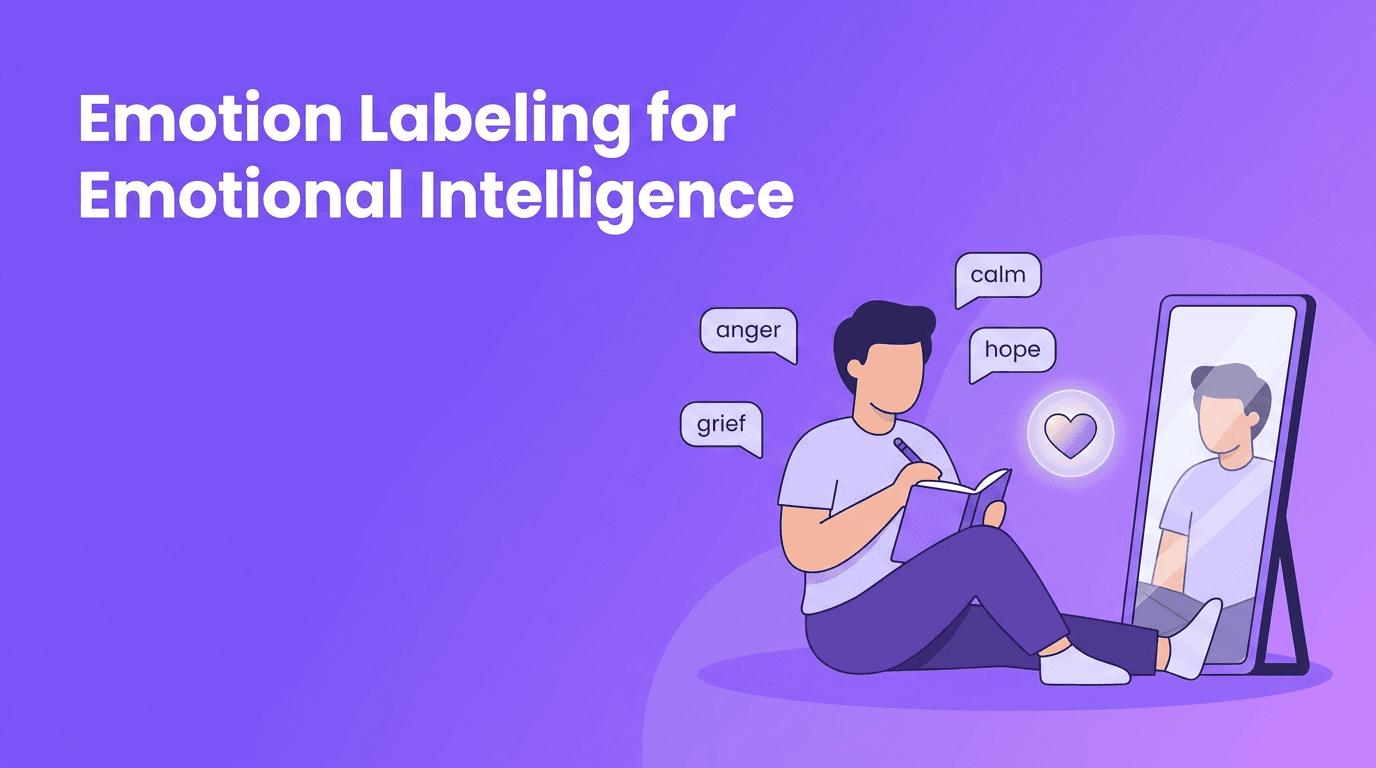
A lot of emotional confusion comes from using one word for many different experiences. You might say "I am stressed" when you are actually disappointed, overstimulated, lonely, embarrassed, or mentally tired. Mindfulness helps you slow down enough to notice the difference. The more precisely you can name your state, the easier it is to meet the real need underneath it.
Try the 3-word check-in
Pause once in the morning, once in the afternoon, and once at night. Ask yourself: "What am I feeling right now?" Then choose three words. For example: "restless, pressured, hopeful" or "calm, distracted, tender." This simple habit builds emotional awareness without needing a long meditation session.
"You cannot care for a feeling you have not allowed yourself to notice."
- Start broad if needed: good, bad, off, heavy, light
- Then get more specific: frustrated, ashamed, relieved, curious, numb
- Notice where the feeling shows up in your body: chest, jaw, stomach, shoulders
- Ask what the feeling might need: rest, reassurance, space, action, connection
A 5-minute mindfulness practice for naming emotions
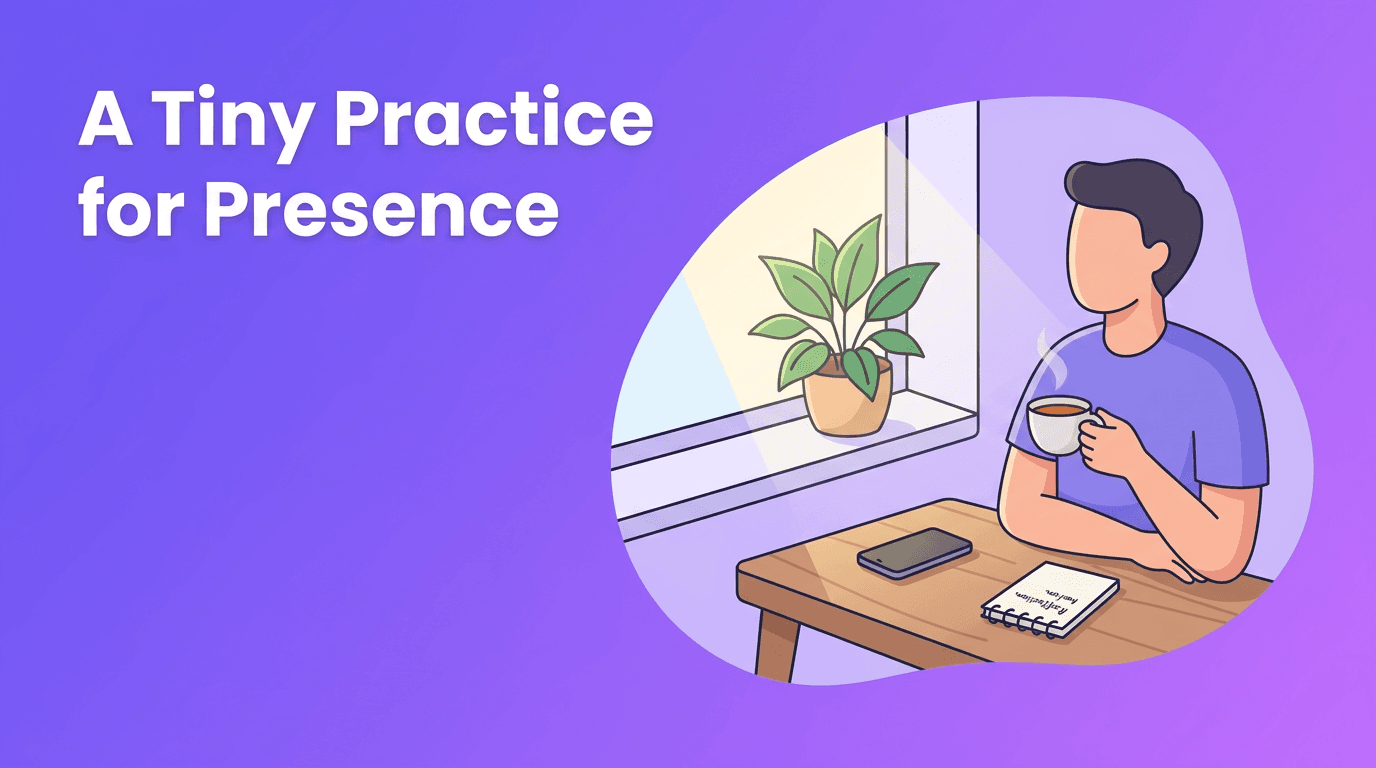
You do not need perfect silence or a long retreat. Sit comfortably and breathe naturally. As you inhale, notice sensations in the body. As you exhale, ask, "What is here right now?" Let feelings arise without rushing to fix them. If your mind goes blank, scan your body for clues. Tightness may point to anxiety, heaviness to sadness, heat to anger, buzzing to anticipation. This is where mindfulness supports both self-awareness and emotional intelligence.
Use this sentence stem
Try saying: "I notice I am feeling ____, and I think it may be connected to ____." This creates a gentle gap between you and the emotion. You are not denying your experience, but you are also not becoming fully fused with it. That gap is where wiser choices begin.
Want guided support for emotional check-ins?
Haply is an AI life coaching app for iOS and Android that can help you build mindful routines, reflect on your emotions, and stay consistent with daily wellness habits. You can explore chat-based coaching, the Meditation/Breathe mini-app, and reminders that make emotional check-ins easier to keep.
Try Haply FreeSmall daily habits that strengthen emotional intelligence
- Name before react: Before sending a message or making a decision, identify the main emotion present
- Track patterns: Write down what happened before a strong emotional shift. Patterns reveal triggers
- Use body cues: Your body often notices emotions before your thoughts do
- Practice honest language: Replace "I'm fine" with something more accurate when possible
- Schedule quiet minutes: Even two minutes of stillness can improve emotional awareness over time
Journaling prompts for deeper self-awareness
- What feeling have I been avoiding this week?
- What emotion keeps repeating, and what might it be asking for?
- When did I feel most like myself today?
- What situation drained me, and what boundary may be needed?
- What helped me feel safe, calm, or connected?
If consistency is hard, a structured tool can help. Some people use Haply's Today Dashboard for a gentle daily reset, while others pair reflection with the habit tracker, streaks, and reminders. The goal is not perfection. It is building a reliable rhythm of noticing your inner life before it gets too loud.
What to do when emotions feel messy or confusing
Sometimes your inner state will not fit into a neat label. That does not mean you are failing. Mixed feelings are normal. You can feel grateful and tired, hopeful and afraid, calm and sad at the same time. Instead of forcing certainty, try saying, "Something important is moving through me, and I am listening." That mindset supports acceptance without passivity.
- Do not rush to solve every feeling immediately
- Avoid judging yourself for having uncomfortable emotions
- Focus on curiosity instead of control
- Return to the breath when your mind starts spiraling
- Reach out for support when your emotional load feels too heavy
Emotional awareness is a practice, not a personality trait
Some people seem naturally tuned in to their inner world, but emotional awareness is not reserved for a lucky few. It is a trainable skill. With small moments of mindfulness, honest naming, and gentle reflection, you can improve self-awareness, understand your feelings more clearly, and build lasting emotional intelligence. Start small, stay kind, and let your inner life become something you listen to, not something you fear.
Frequently Asked Questions
How can I improve emotional awareness every day?
Start with brief check-ins three times a day, name what you feel, and notice body sensations. Small, repeated moments of attention build the skill over time.
What is the difference between emotional awareness and emotional intelligence?
Emotional awareness is noticing and naming your emotions. Emotional intelligence includes that skill plus managing emotions and responding well with other people.
Can mindfulness help me understand my feelings?
Yes. Mindfulness helps you slow down, observe internal signals, and recognize emotions before they become overwhelming.
Why is it so hard to identify my emotions?
Many people were never taught emotional language, and stress can blur inner signals. Practicing specific labels and body awareness can make feelings easier to identify.