Emotional Check-Ins for Couples: A Simple Ritual That Deepens Intimacy
Emotional check-ins help couples strengthen intimacy, improve communication, and feel more connected in a romantic relationship or dating stage. Learn a simple ritual you can start tonight.

By Haply Team
Haply Editorial Team
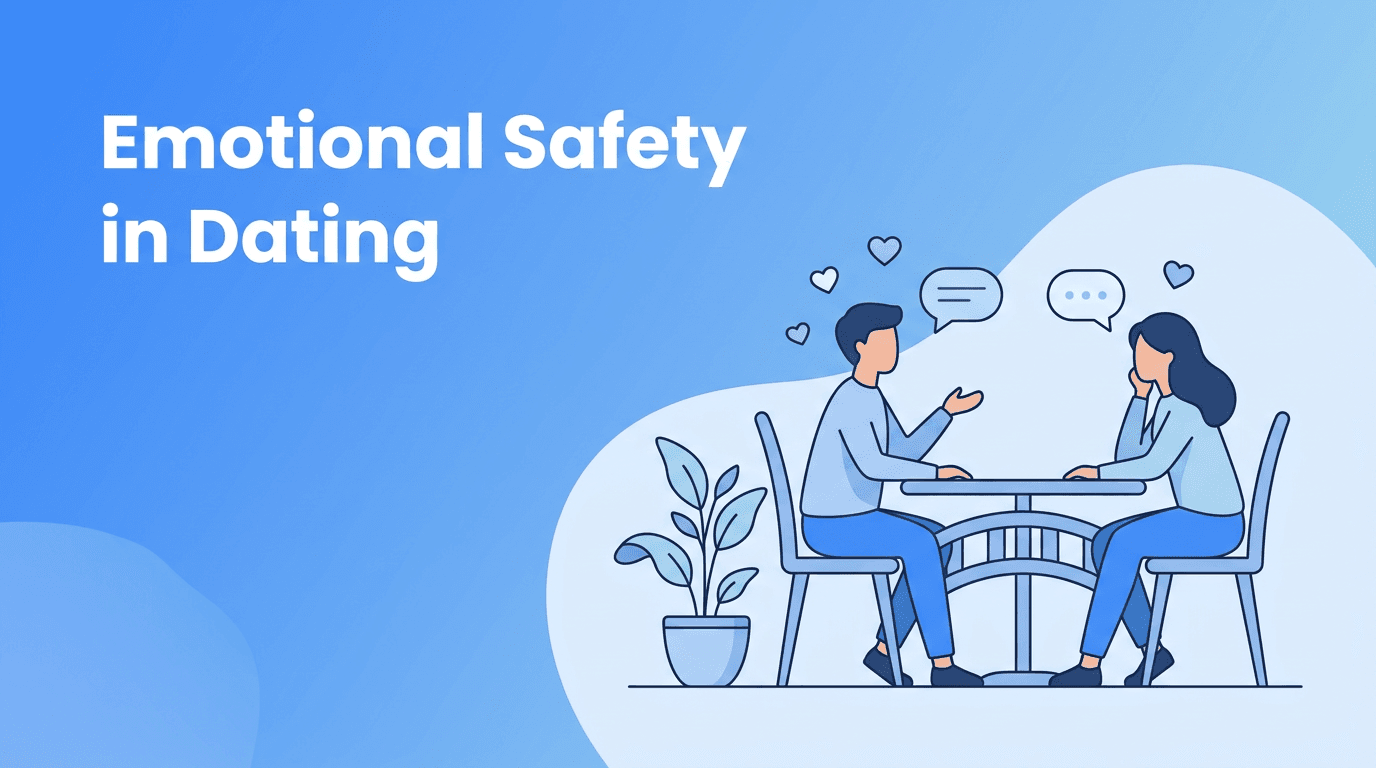
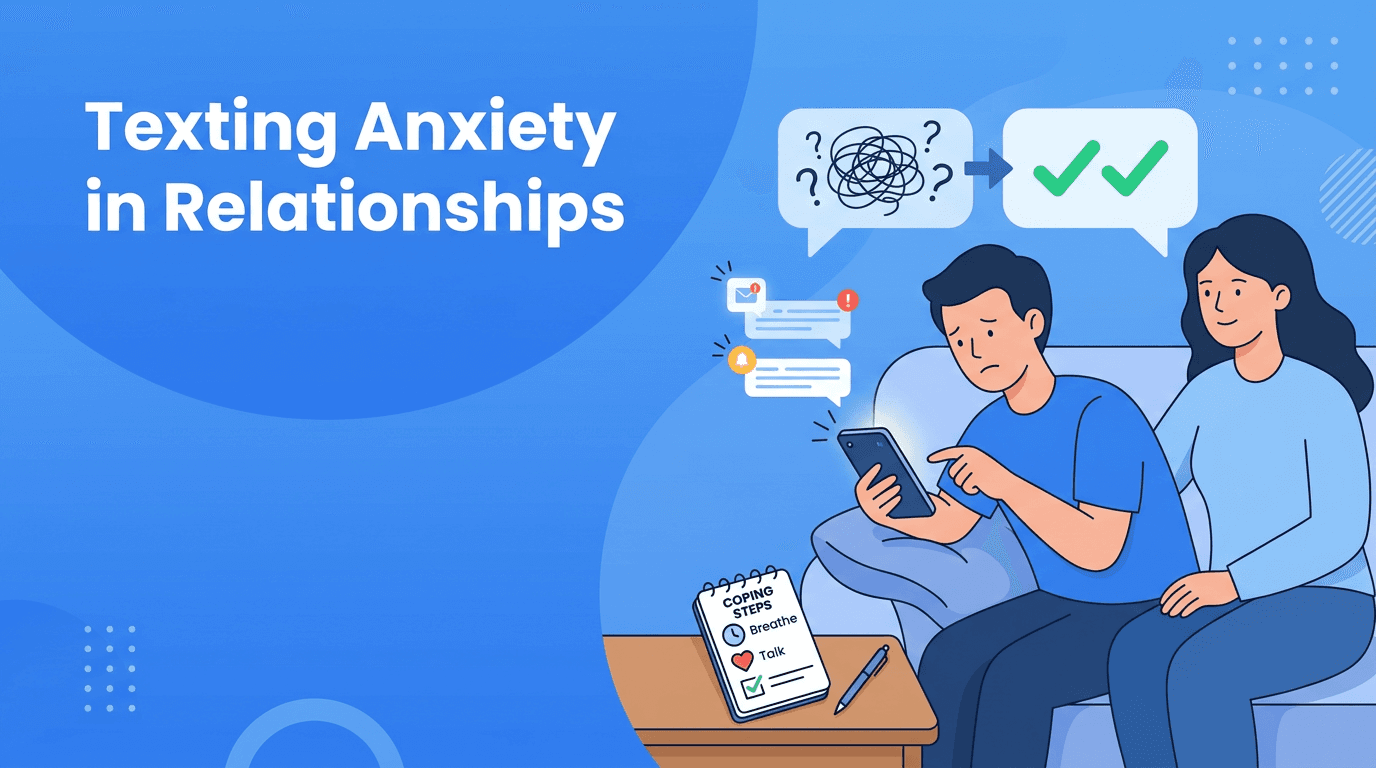
In a romantic relationship, small conversations often matter more than grand gestures. That is why emotional check-ins can be such a powerful habit for couples, whether you are newly dating or years into a committed partnership. This simple ritual creates space for honesty, builds intimacy, and helps both people feel seen before resentment has a chance to grow.
Why emotional check-ins work in dating and long-term partnership
Many people assume better communication means solving every issue perfectly in the moment. In reality, healthy communication is often about creating a regular space where feelings can be shared without pressure. Emotional check-ins give you that space. Instead of waiting for conflict, you make connection a habit.
This matters in early dating, when both people are still learning each other's communication patterns, and it matters in long-term partnership too, when routines can quietly replace curiosity. A short weekly check-in can help you notice stress, unmet needs, and moments of appreciation before they turn into distance.
"Intimacy is not built in one big conversation. It grows through small moments of honesty, repeated over time."
What an emotional check-in actually looks like
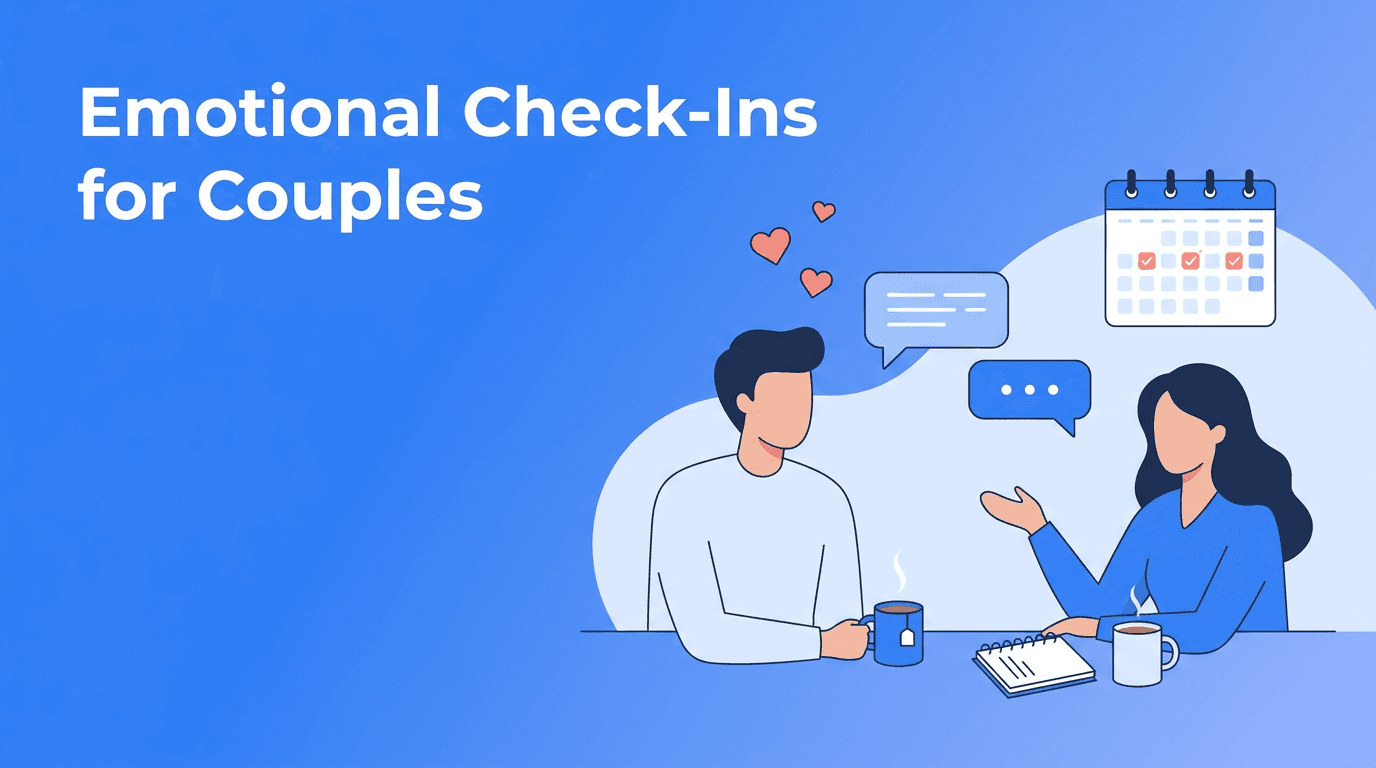
A check-in does not need to be heavy, formal, or awkward. Think of it as a lightweight conversation with structure. You are not trying to fix your partner. You are trying to understand them better and let yourself be understood.
- Pick a consistent time, like Sunday evening or after a weekly date night
- Keep it short, around 10 to 20 minutes
- Put phones away and limit distractions
- Take turns answering the same questions
- End with one specific action or intention for the week
5 simple questions to ask each other
- What felt good between us this week?
- Did anything make you feel distant, hurt, or misunderstood?
- What do you need more of from me right now?
- How can I support you better this week?
- What is one moment when you felt loved by me?
These questions support both communication and intimacy because they invite reflection without turning the conversation into an argument. They also help couples notice patterns in affection, stress, and connection.
How love languages fit into emotional check-ins
If love languages are part of your relationship vocabulary, check-ins are a great place to use them well. Instead of assuming your partner feels loved the same way you do, ask directly what landed for them this week. Maybe your thoughtful text mattered more than you realized, or maybe they are craving quality time instead.
This turns love languages from a label into a practice. In a healthy partnership, the goal is not to memorize a category. It is to stay curious about how care is best received right now, especially when life gets busy or stressful.
Want support building better relationship habits?
Haply is an AI life coaching app with personalized Relationships coaches, chat-based guidance, and habit tools that can help you build healthier communication routines one step at a time.
Try Haply FreeCommon mistakes that make check-ins less helpful
- Turning the check-in into a debate about who is right
- Bringing up ten problems at once instead of focusing on one or two themes
- Using the time only for complaints and skipping appreciation
- Trying to force vulnerability when one partner needs a little more time
- Starting the conversation when one of you is already overwhelmed, hungry, or distracted
A useful rule is this: share honestly, but stay specific. Saying "I felt disconnected when we barely talked after work" is easier to respond to than "You never care about us." Specific language protects closeness and reduces defensiveness.
A good script if the conversation feels awkward
You can start with something simple like: "I want us to stay close, not just manage logistics. Can we do a quick check-in about how we are feeling this week?" That opening works well for both established couples and people in exclusive dating situations who want to build trust intentionally.
Make emotional check-ins easier to keep
Consistency matters more than perfection. Tie your check-in to an existing habit, like a walk, a coffee, or the end of date night. If you want extra support, tools like Haply can help you stay consistent with reminders, coaching prompts, and simple habit tracking. Its Relationships coaches can help you reflect on patterns, prepare for tough talks, and build more secure communication over time.
The best part is that emotional check-ins are flexible. You can do them weekly, biweekly, or after stressful seasons. What matters is that both people know there is a reliable space for truth, repair, and care.
A small ritual that protects intimacy
In any romantic relationship, connection can fade when life becomes all logistics and no reflection. Emotional check-ins bring intention back into the relationship. They help couples feel less like roommates, less like mind readers, and more like teammates.
If you are dating, this habit can help you build emotional safety early. If you are in a long-term partnership, it can help you protect closeness before disconnection grows. Either way, one honest conversation each week can quietly change the tone of your relationship.
Frequently Asked Questions
What are emotional check-ins in a relationship?
Emotional check-ins are short, intentional conversations where partners share how they are feeling, what they need, and what is helping or hurting connection.
How often should couples do a relationship check-in?
Many couples do best with a weekly check-in, but biweekly can also work. The key is choosing a rhythm you can maintain consistently.
Do emotional check-ins help with intimacy?
Yes. Emotional check-ins can deepen intimacy by helping both partners feel heard, understood, and emotionally safe on a regular basis.
What questions should I ask during a couples check-in?
Ask about what felt good, what felt hard, what support is needed, and what helped each person feel loved. Keep questions open and specific.