Energy Anchors: A Simple Healthy Habits System for Better Sleep, Nutrition, and Exercise
Energy anchors are a practical healthy habits system that links sleep, nutrition, and exercise to steadier energy and better physical health. Learn how to build a realistic routine that lasts.

By Haply Team
Haply Editorial Team
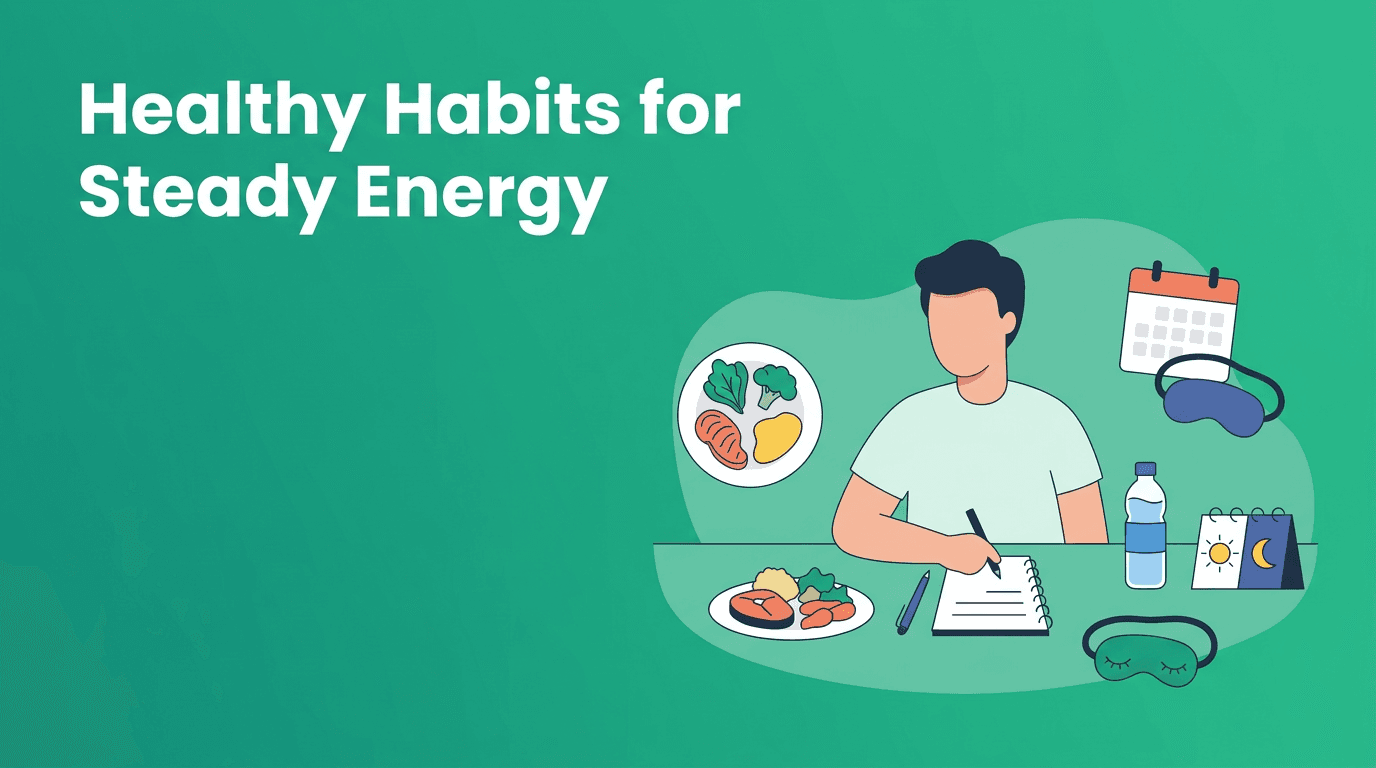
Most people do not need a perfect routine. They need healthy habits that make sleep, nutrition, and exercise work together instead of competing for attention. When these three basics support each other, energy becomes more stable, daily choices feel easier, and physical health improves over time.
Why healthy habits work better in clusters
A common wellness mistake is trying to fix one behavior in isolation. You might focus on workouts while sleeping too little, or clean up your diet while staying sedentary all day. In reality, healthy habits are connected. Better sleep can reduce cravings, balanced nutrition can support workout recovery, and regular movement can improve sleep quality. Thinking in clusters helps you build momentum with less willpower.
- Sleep helps regulate hunger hormones, mood, attention, and recovery.
- Nutrition gives your body the raw materials for stable energy and repair.
- Exercise improves cardiovascular fitness, insulin sensitivity, stress resilience, and sleep drive.
- When one area improves, the others often become easier to maintain.
The Energy Anchors method
Instead of chasing an ideal schedule, choose three small anchors you can repeat most days. An anchor is a simple action tied to a cue in your routine. This creates a flexible system for healthy habits without relying on motivation alone.
Anchor 1: Protect your first hour after waking
Your morning does not need to be intense. It needs to be consistent. Start with light exposure, hydration, and a few minutes of movement. This can help signal wakefulness, support your body clock, and improve energy across the day.
- Open the curtains or step outside for 5-10 minutes of daylight.
- Drink a glass of water before caffeine.
- Do 3-5 minutes of gentle exercise, such as walking, mobility, or stretching.
- If you eat breakfast, include protein and fiber for steadier energy.
Anchor 2: Build one balanced midday meal
You do not need to optimize every bite. One reliable meal can create a strong base for better nutrition and fewer afternoon crashes. A simple formula is protein + fiber + color + healthy fat + water.
- Protein: eggs, yogurt, tofu, fish, chicken, beans, or lentils.
- Fiber-rich carbs: oats, brown rice, potatoes, whole grain bread, or fruit.
- Color: leafy greens, tomatoes, carrots, peppers, or berries.
- Healthy fats: olive oil, nuts, seeds, avocado, or tahini.
- Hydration: add water or sparkling water before reaching for another coffee.
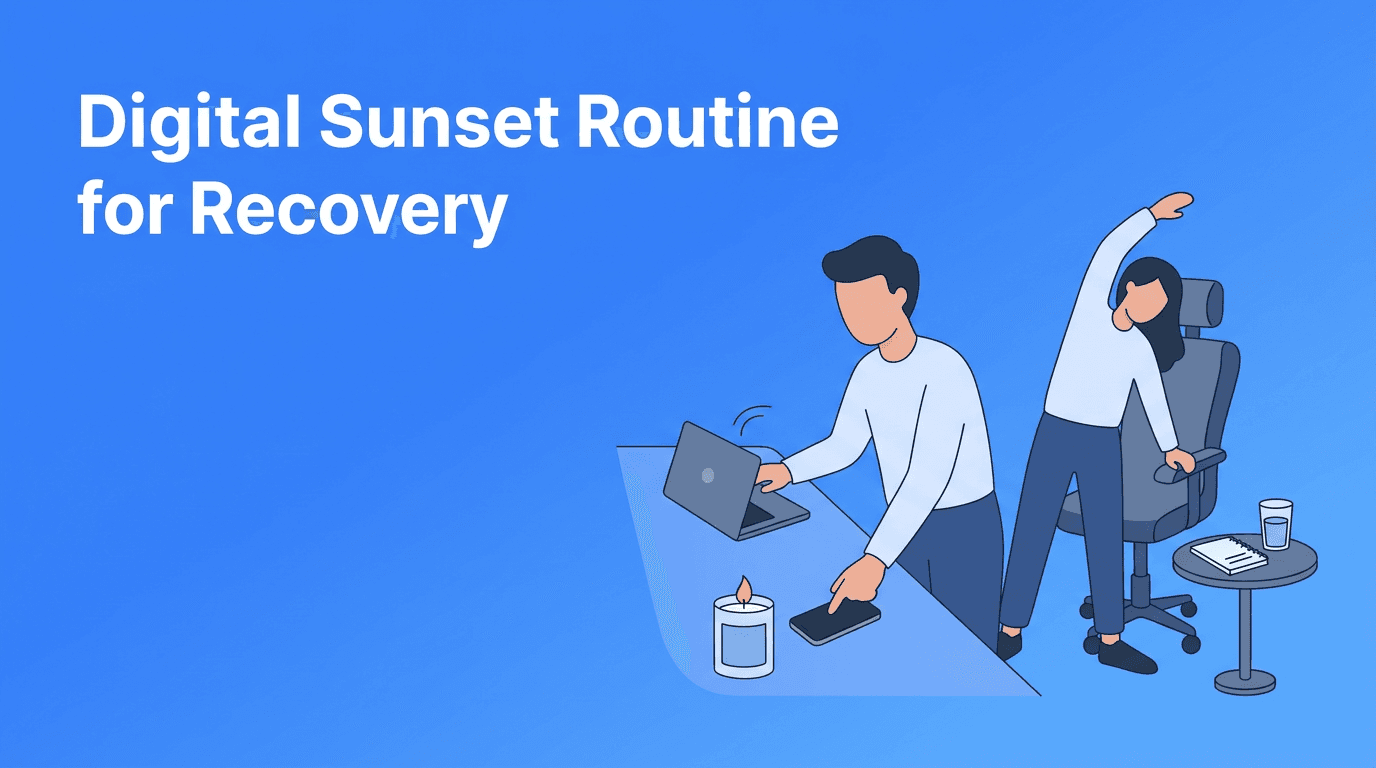
Anchor 3: Create a short evening shutdown
Many people sabotage sleep long before bedtime. An evening shutdown helps your brain shift out of problem-solving mode. Keep it short and repeatable so it feels realistic on busy days.
- Set a rough cutoff for work and stimulating tasks.
- Dim lights and reduce intense screen use when possible.
- Prep one thing for tomorrow, such as clothes, lunch, or your workout bag.
- Choose a wind-down cue like reading, stretching, breathing, or a shower.
"You do not rise to the level of your goals. You fall to the level of your systems."
How sleep, nutrition, and exercise shape daily energy
If your energy feels unpredictable, it helps to look at patterns instead of blaming yourself. Poor sleep can increase appetite and lower motivation to move. Skipping meals can make workouts feel harder. Inactivity can leave you tired but not truly rested. A systems view is often more useful than self-criticism.
Sleep is your energy multiplier
Consistent sleep timing matters as much as total hours for many adults. Try to keep your bedtime and wake time within a similar window most days. If you want better physical health, start by treating sleep like a biological need, not a reward after everything else is done.
Nutrition is your energy stabilizer
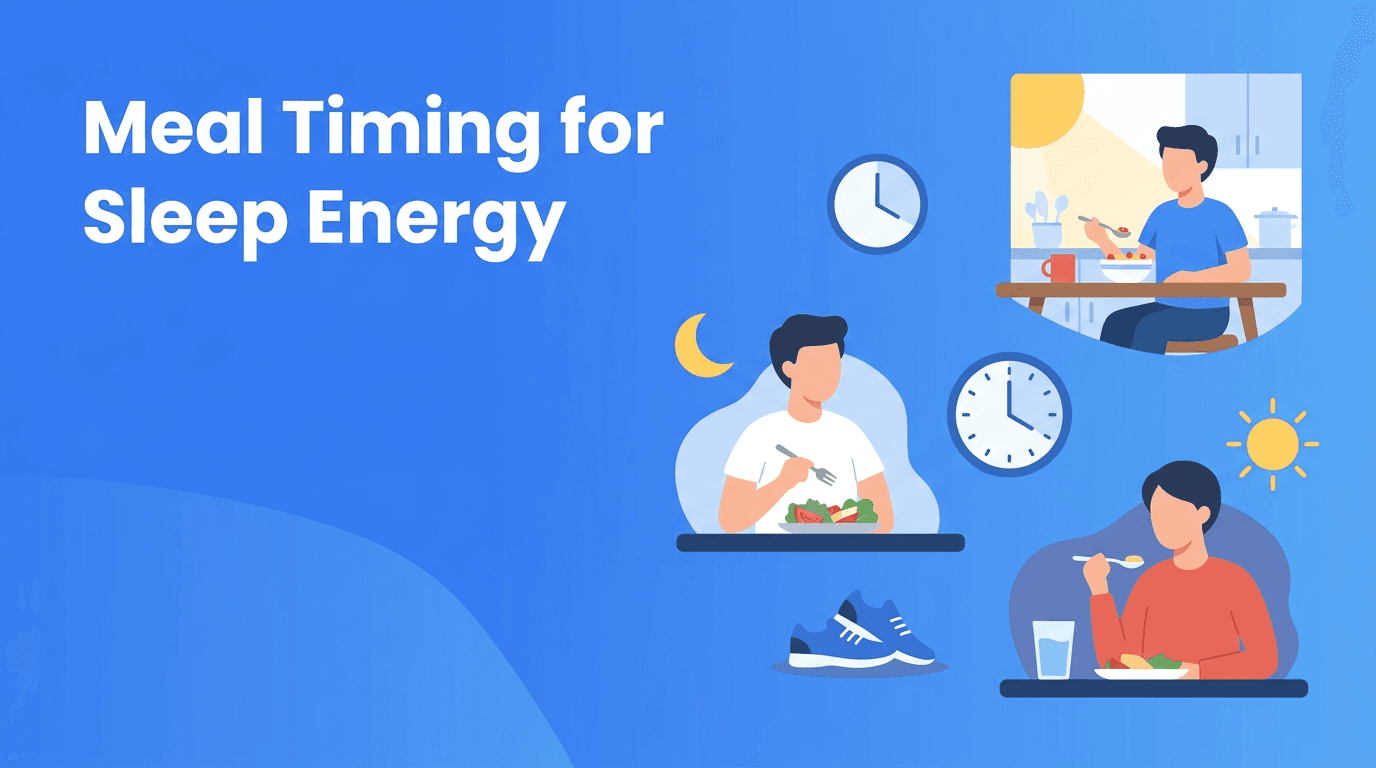
Balanced meals can help prevent dramatic highs and lows. Aim to pair carbohydrates with protein, fiber, or fat rather than eating quick sugars alone. This is one of the most practical healthy habits for concentration, mood, and appetite control.
Exercise is your energy builder
Regular movement does not just burn calories. It can improve mitochondrial function, circulation, insulin sensitivity, mood, and confidence. For many people, the best exercise plan is the one that feels doable enough to repeat three to five times a week, even if sessions are short.
A realistic 7-day reset for physical health
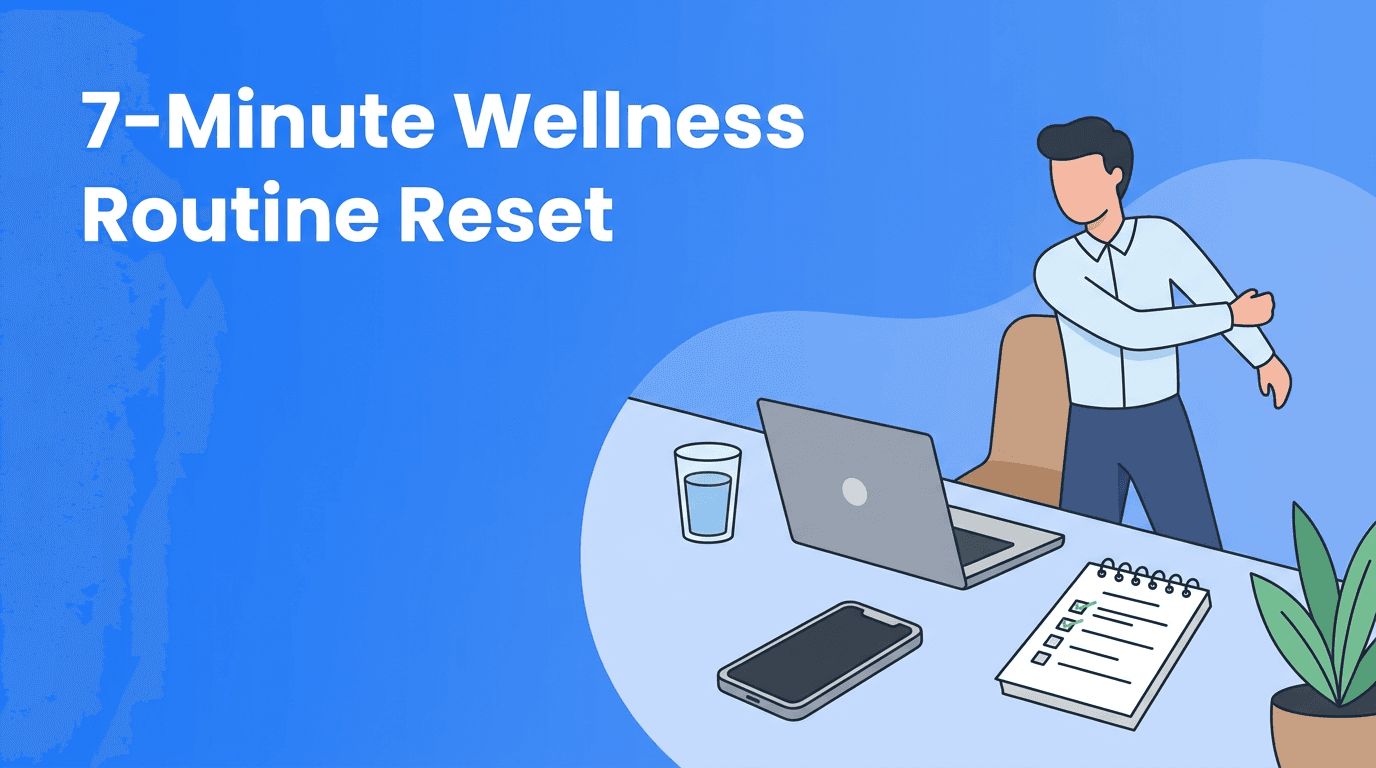
If you want to improve physical health without an all-or-nothing overhaul, try this one-week reset. The goal is not perfection. The goal is to collect proof that small actions can change how you feel.
- Day 1: Set one consistent wake time for the next 7 days.
- Day 2: Build one balanced meal using the protein + fiber + color formula.
- Day 3: Take a 10-minute walk after lunch or dinner.
- Day 4: Add a water bottle to your workspace or bag.
- Day 5: Do 5 minutes of mobility or bodyweight exercise.
- Day 6: Start a 20-minute wind-down before sleep.
- Day 7: Review what gave you the best energy and keep that habit.
Want help making healthy habits stick?
Haply is an AI life coaching app for iOS and Android with Wellness coaching, habit tracking, reminders, and mini-apps like Meditation/Breathe and Focus Timer. It can help you build personalized routines for sleep, nutrition, exercise, and self-care. Haply supports behavior change, but it is not a replacement for medical or mental health care.
Try Haply FreeHow to make healthy habits easier to repeat
Consistency is often a design problem, not a character problem. Reduce friction around the behaviors you want to keep. Put walking shoes by the door. Prep breakfast ingredients. Charge your phone outside the bedroom. Schedule movement like a meeting. Small environmental changes can make healthy habits feel almost automatic.
- Use habit stacking: attach a new action to something you already do.
- Shrink the habit: start with two minutes if resistance is high.
- Track the streak, but do not chase perfection.
- Plan for obstacles with an if-then rule, such as "If I miss my workout, I will walk for 10 minutes after dinner."
- Review weekly: ask what improved your sleep, mood, hunger, and energy.
When to get extra support
Lifestyle changes can be powerful, but persistent fatigue, major sleep problems, low mood, or unexplained changes in appetite deserve professional attention. A doctor, registered dietitian, therapist, or qualified coach can help you understand what is going on and create a safe plan. Use wellness tools as support, not as a substitute for care.
Frequently Asked Questions
What are the best healthy habits for more energy?
Start with consistent sleep and wake times, balanced meals with protein and fiber, regular hydration, and short bouts of daily movement. These basics usually improve energy more than extreme routines.
How do sleep, nutrition, and exercise work together?
They reinforce each other. Better sleep can improve food choices, balanced nutrition supports exercise recovery, and regular exercise can improve sleep quality and mood.
How long does it take to build healthy habits?
It varies by person and behavior. Many people notice benefits within days, but lasting automatic habits often take weeks or longer of repetition.
What if I do not have time for exercise every day?
Short sessions still count. A 5-10 minute walk, mobility routine, or bodyweight circuit can support physical health and energy when your schedule is full.