Energy Budgeting: A Smarter Way to Balance Sleep, Nutrition, and Exercise
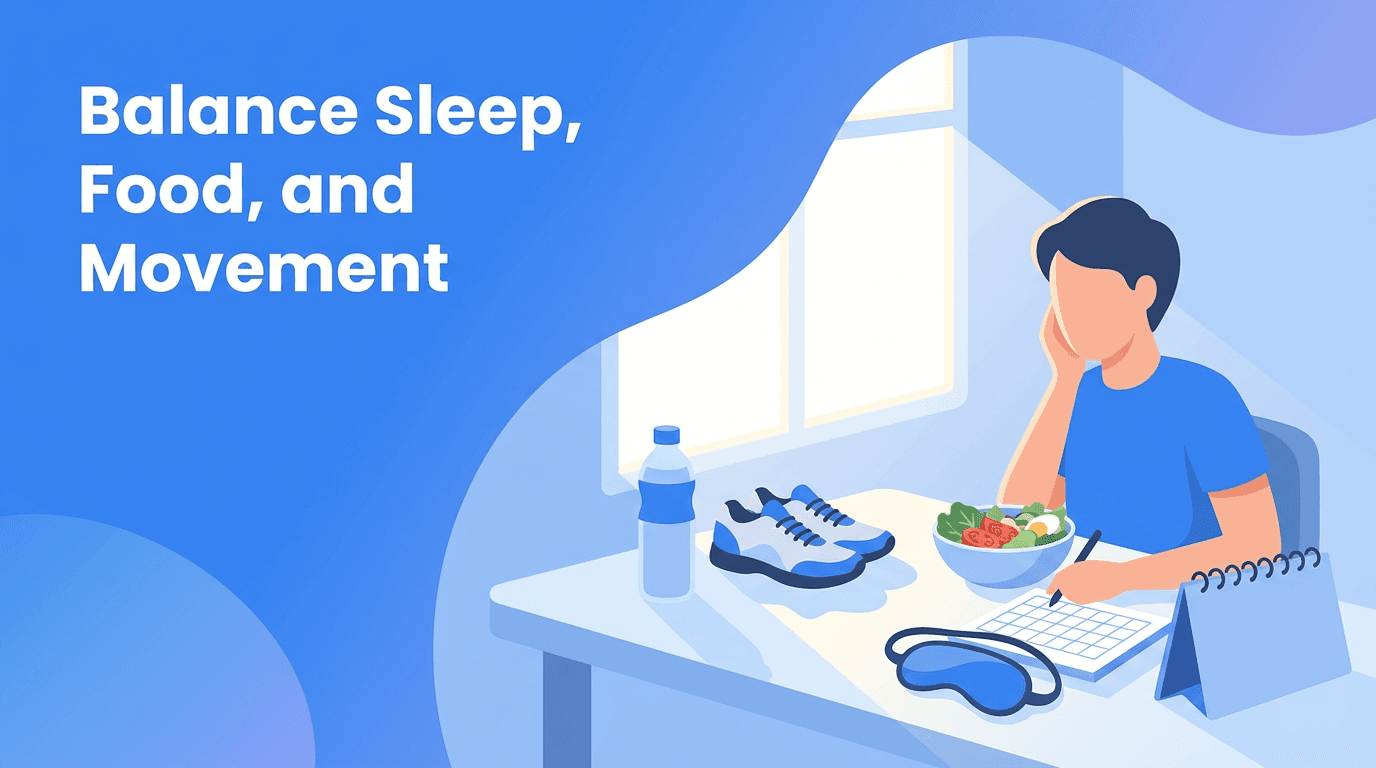
Energy budgeting is a practical wellness approach that helps you balance sleep, nutrition, exercise, and healthy habits to support steady energy and better physical health.

By Haply Team
Haply Editorial Team
Most people try to fix low energy by chasing one solution, better sleep, cleaner nutrition, or more exercise. Energy budgeting offers a more useful lens: treat your daily energy like a limited resource and learn how to spend, protect, and refill it with healthy habits that support long-term physical health.
What is energy budgeting?
Energy budgeting means planning your day around the reality that your body and mind have fluctuating capacity. Instead of expecting yourself to perform at the same level from morning to night, you match demanding tasks with the times you tend to have more energy, and you build in recovery through meals, movement, hydration, and rest.
- Think of sleep as your overnight deposit
- Use nutrition as steady fuel, not just emergency rescue
- Treat exercise as a way to build capacity, not drain yourself daily
- Notice which habits create energy debt, like skipping meals or doomscrolling late at night
- Protect small recovery moments so your healthy habits become sustainable
You do not need to do everything today. You need to use today's energy in a way that lets tomorrow still feel possible.
Why this approach works for physical health
Your physical health is shaped less by heroic effort and more by repeatable patterns. If your routine swings between overdoing it and crashing, your body often pays the price with inconsistent sleep, erratic appetite, low motivation to exercise, and unstable energy. A budgeting mindset helps reduce those extremes.
It lowers the all-or-nothing trap
Many people assume wellness only counts if it is intense. In reality, a short walk, a balanced lunch, and a consistent bedtime can do more for energy than occasional perfect days. The goal is not maximum output. The goal is reliable function.
It helps you spot hidden drains
Common energy leaks include under-eating, poor sleep timing, dehydration, stress, and exercise routines that are too aggressive for your current recovery. When you track these patterns, you can make smarter adjustments without guessing.
The 4-part energy budgeting method
1. Audit your energy deposits and withdrawals
For three days, write down what seems to increase or decrease your energy. Include bedtime, wake time, meals, snacks, caffeine, movement, screen use, and mood. You are not looking for perfection. You are looking for patterns.
- Deposits might include a protein-rich breakfast, a 10-minute walk, sunlight, or an earlier bedtime
- Withdrawals might include skipped meals, intense late workouts, alcohol, multitasking, or too little sleep
- Mark your strongest and weakest hours to understand when demanding tasks fit best
2. Build a steady fuel rhythm
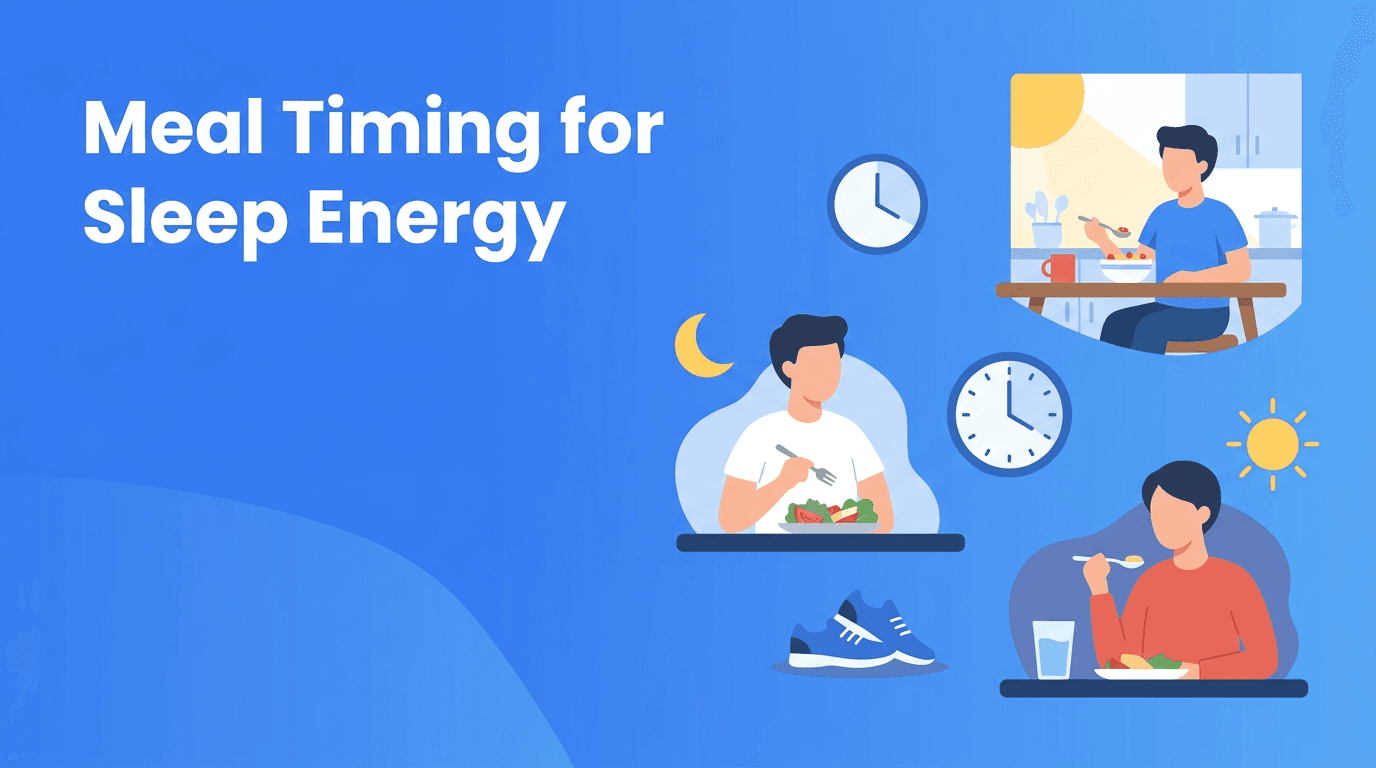
Good nutrition for energy is often boring in the best way: regular meals, enough protein, fiber-rich carbs, healthy fats, and hydration. If you wait until you are exhausted or ravenous, it is harder to make choices that support physical health.
- Aim for meals at fairly consistent times
- Pair carbohydrates with protein or fat for steadier energy
- Keep easy options available, such as yogurt, fruit, nuts, eggs, or soup
- Drink water consistently through the day, especially if you are active
3. Use exercise to add energy, not steal it
Well-programmed exercise can improve mood, sleep quality, insulin sensitivity, and resilience. But more is not always better. If you are already run down, starting with gentle strength training, walking, mobility work, or short cardio sessions may support healthy habits better than an intense plan you cannot recover from.
4. Protect your sleep window
If you want more daytime energy, your evenings matter. A consistent sleep window, lower light exposure at night, and a calmer wind-down routine often help more than trying to compensate with caffeine the next day. Sleep is the anchor that makes your nutrition and exercise habits work better.
A simple daily template for healthy habits
- Morning: get light exposure, hydrate, and eat a simple breakfast with protein
- Midday: take a movement break and eat a balanced lunch before energy drops too far
- Afternoon: use caffeine carefully and add a short walk if focus fades
- Evening: choose lighter stimulation, finish intense exercise earlier if possible, and keep a consistent bedtime
- Weekly: review which habits improved your energy and which created friction
Want support building healthier routines?
Haply is an AI life coaching app for iOS and Android that can help you create personalized wellness plans, track healthy habits, and use tools like Meditation/Breathe, Sleep Stories, and the Today Dashboard. It is a helpful companion for behavior change, not a replacement for professional care.
Try Haply FreeIf you struggle with consistency, using a coaching tool can reduce decision fatigue. With Haply, you can chat with Wellness coaches, set reminders, track streaks, and build a routine that fits your real life instead of an idealized version of it.
When to get extra help
Sometimes low energy is not just a lifestyle issue. If fatigue is persistent, severe, or affecting daily function, it is worth speaking with a qualified healthcare professional. Support from a doctor, registered dietitian, therapist, or sleep specialist can help you understand what is going on and build a safe plan.
Frequently Asked Questions
What is energy budgeting for health?
Energy budgeting is a way to manage your daily capacity by balancing sleep, nutrition, exercise, and recovery so your energy stays more stable.
Can sleep, nutrition, and exercise really affect energy levels?
Yes. These three pillars strongly influence alertness, recovery, mood, and physical health, especially when practiced consistently.
How do I start healthy habits when I feel tired all the time?
Start small with one or two repeatable actions, such as a regular bedtime and a balanced breakfast. Consistency usually works better than intensity.
What kind of exercise is best for low energy?
Gentle, sustainable movement like walking, mobility work, or short strength sessions is often a good starting point. The best plan is one you can recover from and repeat.