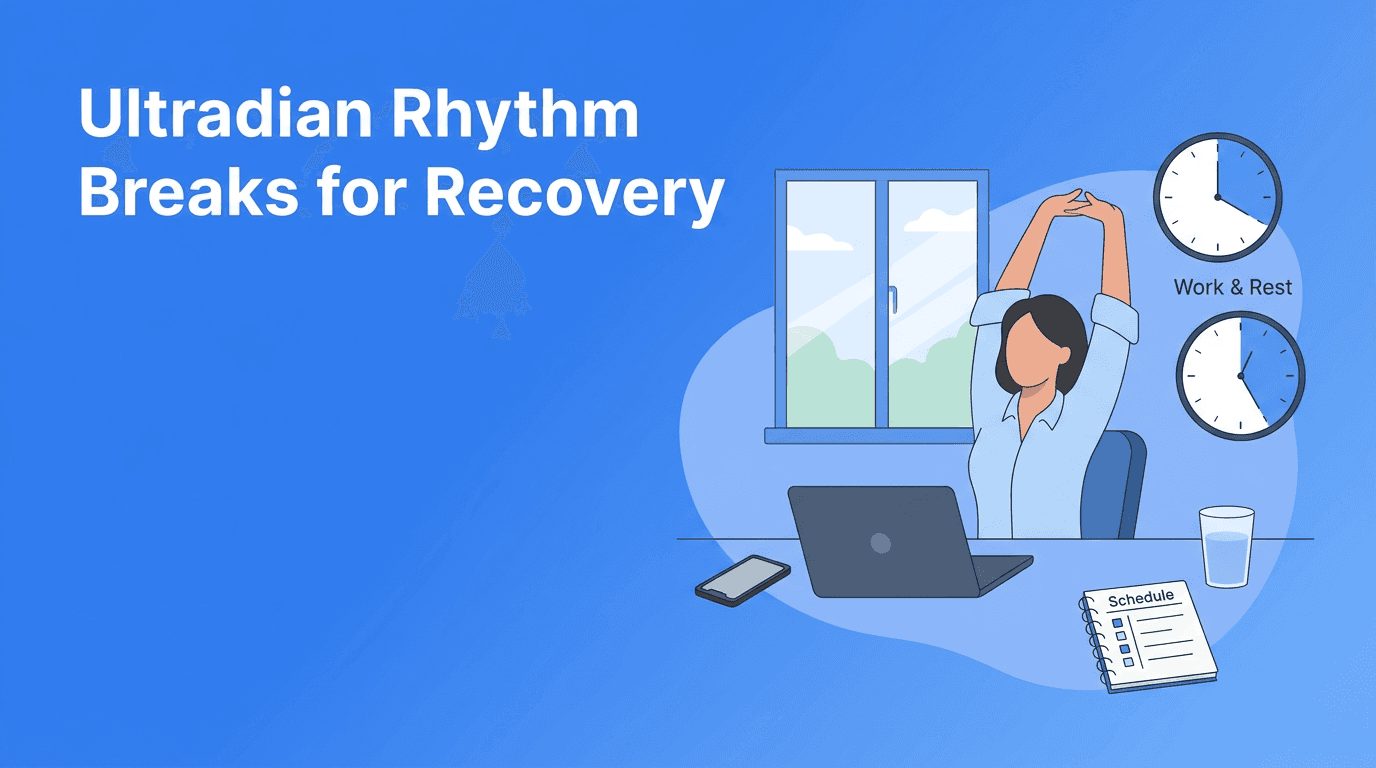
Ultradian Rhythm Breaks: A Smarter Wellness Routine for Burnout Recovery
Ultradian rhythm breaks can improve self-care, digital wellbeing, and recovery during busy workdays. Learn a practical wellness routine that supports rest without losing momentum.

By Haply Team
Haply Editorial Team
Ultradian rhythm breaks are one of the most practical ways to protect energy during a packed workday. If your current wellness routine only starts after work, you may be missing the small windows of rest, self-care, and recovery that help prevent burnout and improve digital wellbeing.
Why ultradian rhythm breaks matter for busy professionals
Most people plan their day around hours, meetings, and deadlines. But your body works in shorter cycles of focused energy followed by a natural dip. These cycles, often around 90 minutes, are known as ultradian rhythms. Instead of pushing through every dip with more coffee, tabs, and tension, you can use a short reset to work with your energy rather than against it.
- Focus hard for 60 to 90 minutes, then take a short break before your concentration drops sharply.
- Use breaks for recovery, not just scrolling, so your mind actually gets a pause.
- Treat breaks as part of your self-care system, not as a reward you have to earn.
"Rest is not the opposite of productivity. Rest is what keeps productivity sustainable."
The hidden link between burnout and digital overload
A lot of burnout is not only about workload. It is also about friction. Constant notifications, endless context switching, and low-grade screen fatigue can keep your nervous system in a state of unfinished attention. That makes your work feel heavier than it is.
What a fake break looks like
Many professionals leave one screen only to pick up another. You answer messages, skim headlines, or open social apps for five minutes. It feels like a break, but it often adds more stimulation instead of creating rest. For better digital wellbeing, the goal is to reduce input for a few minutes, not replace one feed with another.
- Checking email during a break keeps your brain in task mode.
- Social scrolling can raise comparison, urgency, and mental clutter.
- A real reset usually includes movement, hydration, breathing, or visual distance from screens.
A simple wellness routine built around ultradian rhythm breaks
You do not need a perfect schedule. You need a repeatable pattern. A useful wellness routine can be as simple as one focused work block followed by a 5 to 10 minute reset. Over time, this creates more steady energy and better recovery than trying to power through all day.
The 3-part break formula
- Step 1: Stop input. Silence notifications, step away from the screen, and avoid quick-check habits.
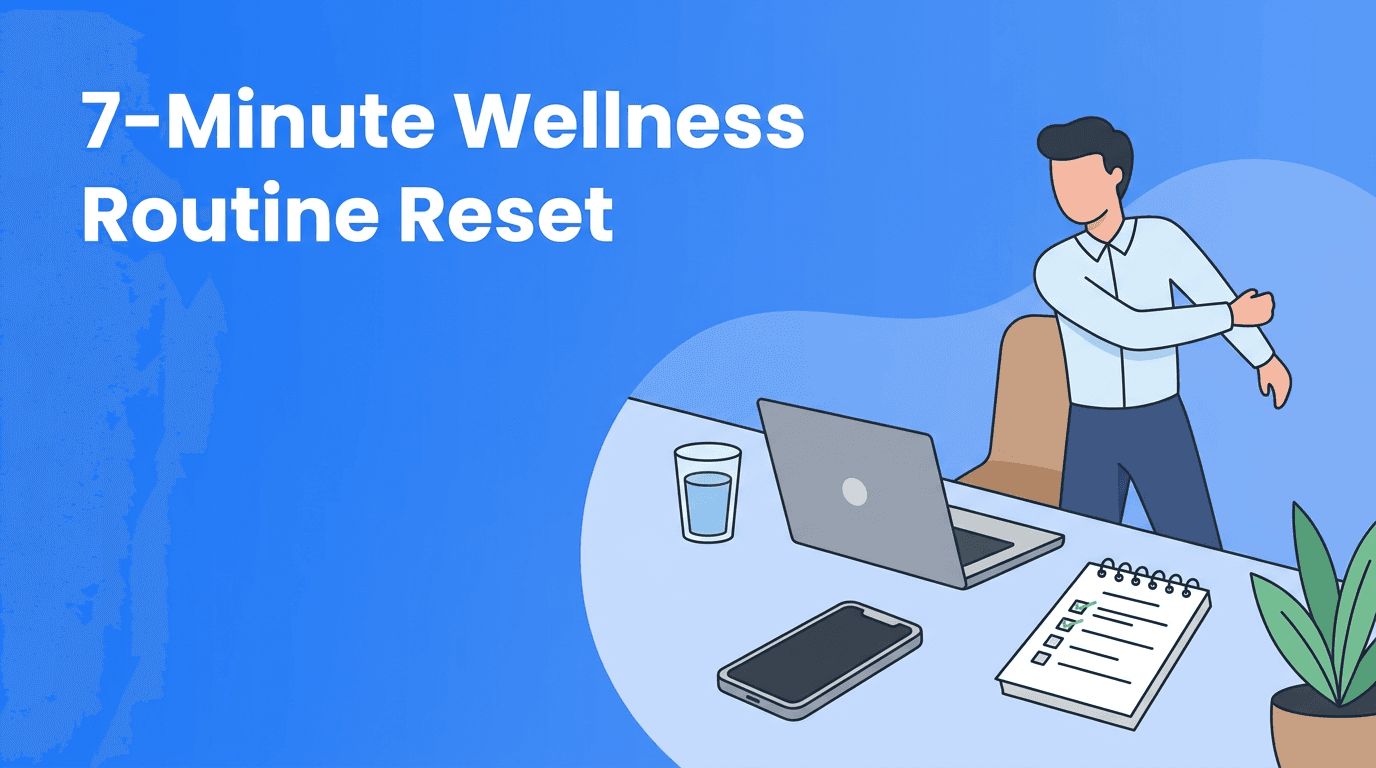
- Step 2: Reset the body. Stand up, stretch your chest and shoulders, walk to get water, or take 6 slow breaths.
- Step 3: Re-enter with intention. Ask, "What is the next important task?" and return to one priority.
This approach supports self-care without becoming complicated. It also helps you notice when you need a longer pause, a meal, or an earlier finish instead of trying to squeeze more output from an exhausted brain.
Build your break habit with Haply
Use Haply, the AI life coaching app on iOS and Android, to create a personalized wellness routine with reminders, streaks, and tools like Focus Timer, Meditation/Breathe, and the Today Dashboard. It is a helpful support for daily self-care, not a replacement for professional care.
Try Haply FreeHow to make rest and recovery realistic during work
The biggest mistake is making rest too ambitious. If your plan requires a yoga mat, a silent room, and 30 free minutes, it probably will not happen on a Tuesday afternoon. Keep your recovery options small and flexible.
- Take a 2-minute standing stretch after a long call.
- Look out a window or into the distance for 60 seconds to ease visual strain.
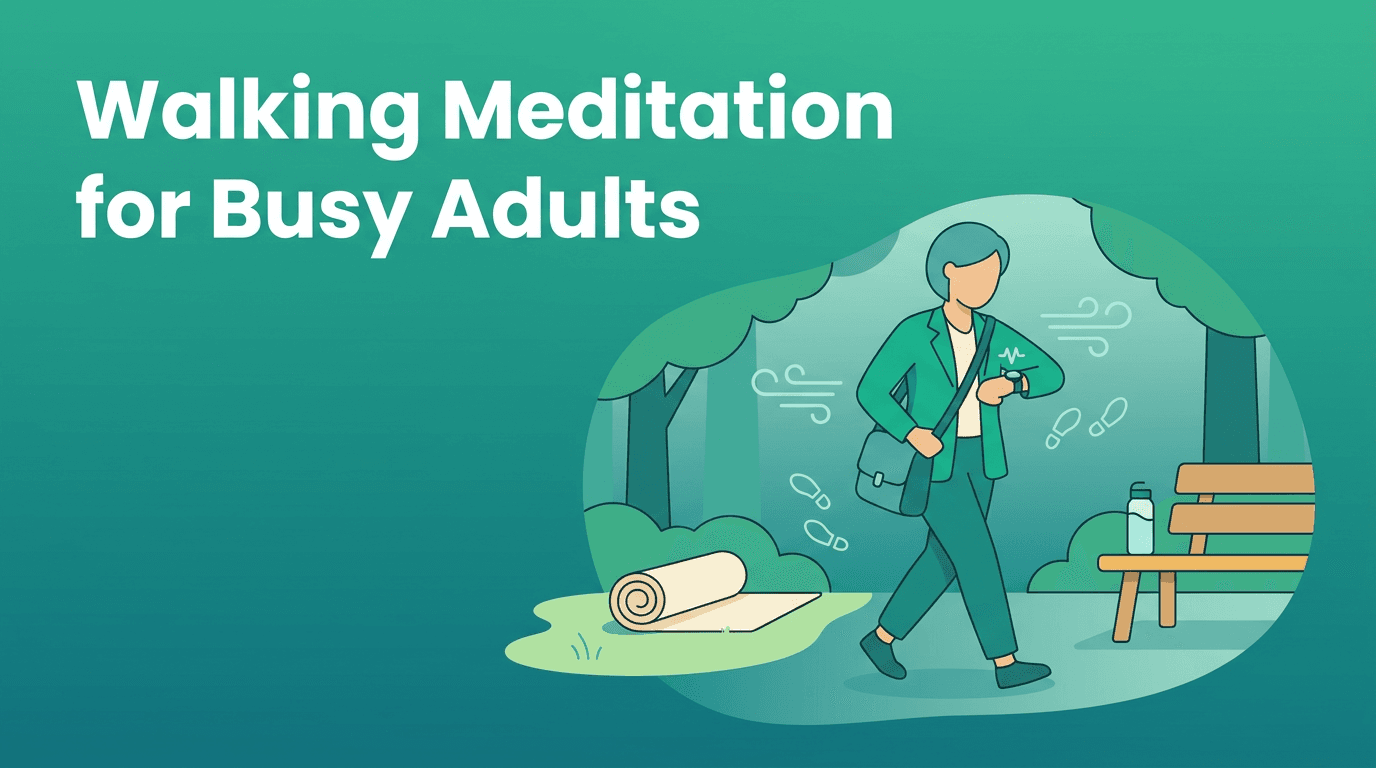
- Do one phone-free walk to refill water or tea.
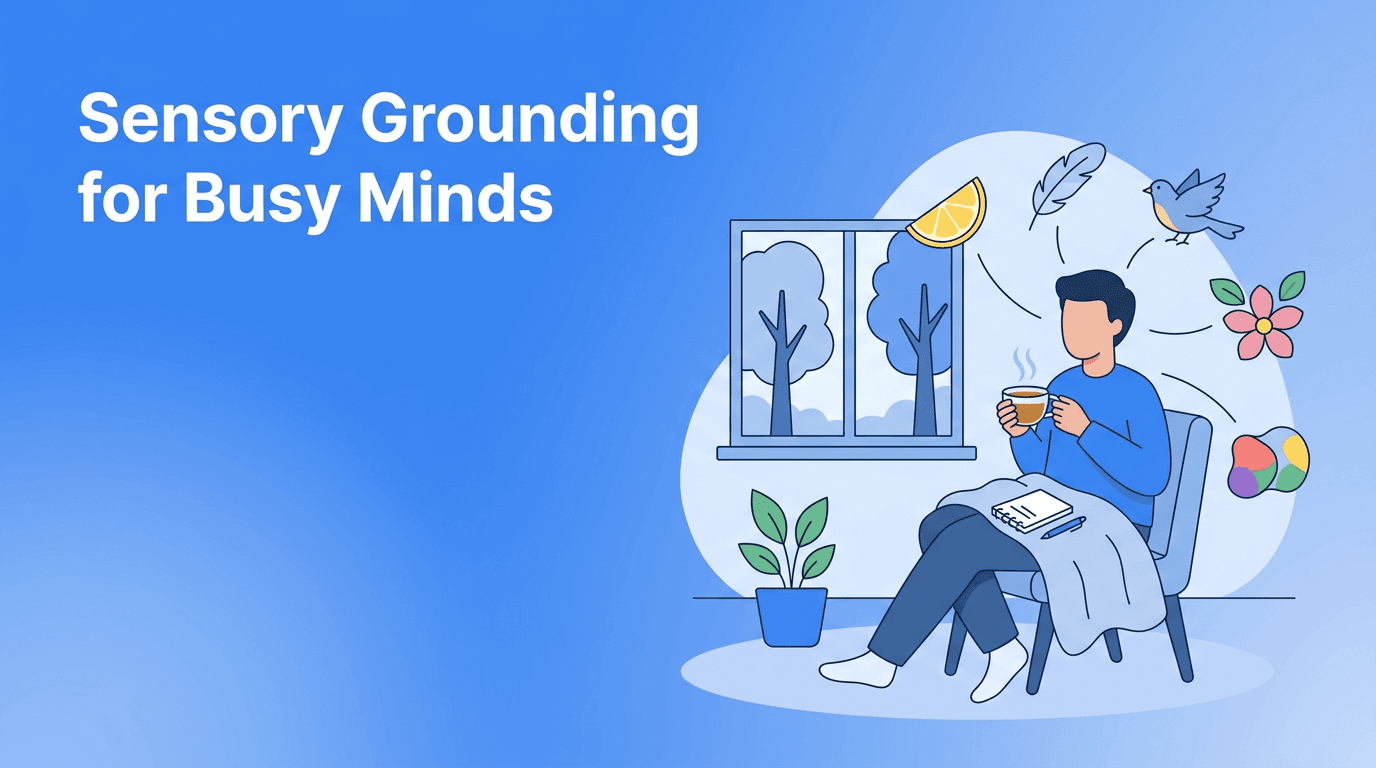
- Use a breathing mini-reset before switching projects.
- Write down one worry instead of carrying it into the next task.
When to use longer breaks
Sometimes a short break is not enough. If you feel irritable, foggy, unusually emotional, or physically tense, your body may be asking for deeper recovery. That could mean lunch away from your desk, a walk outside, a short nap if your schedule allows, or ending work on time instead of chasing one more task.
Make the system stick
Consistency matters more than intensity. Try attaching ultradian rhythm breaks to an existing work pattern, such as after every client session, after one deep work block, or before checking messages. In Haply, you can use goal-based onboarding, habit tracking, and daily reminders to make your wellness routine easier to repeat.
Frequently Asked Questions
What are ultradian rhythm breaks?
Ultradian rhythm breaks are short rest periods taken after 60 to 90 minutes of focused effort. They help support energy, attention, and recovery throughout the day.
How do ultradian rhythm breaks help with burnout?
They reduce the strain of nonstop focus and create built-in moments for rest, movement, and mental reset. Over time, that can lower overload and make work feel more sustainable.
What should I do during a work break for digital wellbeing?
Choose low-input activities like stretching, walking, breathing, hydrating, or looking away from screens. Avoid email and social media if you want a true reset.
How long should an ultradian rhythm break be?
A short break of 5 to 10 minutes works well after a focused work block. If you are very drained, a longer break for food, movement, or quiet recovery may help more.