Sleep Efficiency: The Wellness Metric That Connects Nutrition, Exercise, and Energy
Sleep efficiency is a practical way to understand how sleep, nutrition, exercise, and energy interact. Learn how to improve physical health with science-backed, healthy habits.

By Haply Team
Haply Editorial Team
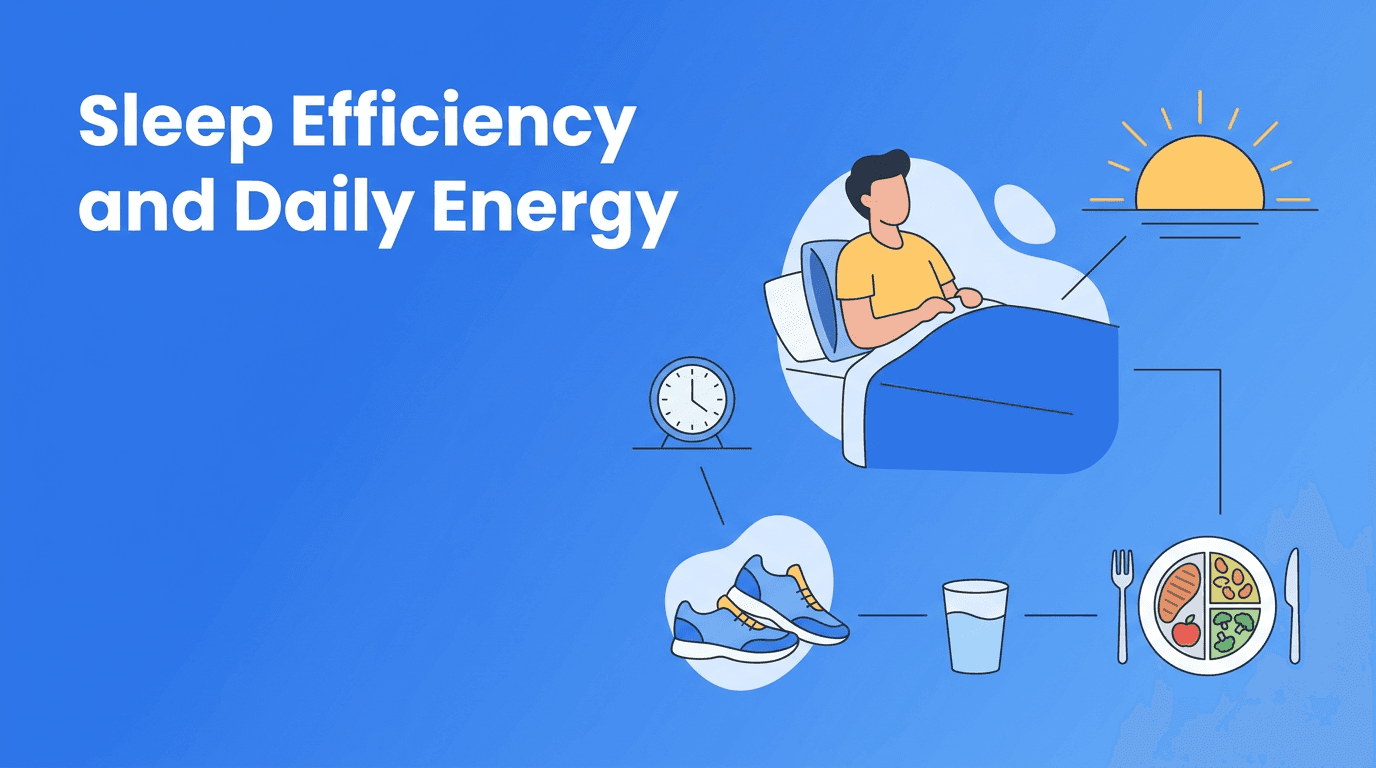
Sleep efficiency sounds technical, but it is one of the most useful wellness ideas for everyday life. It describes how much of your time in bed is actually spent asleep, and it can reveal why your energy, focus, and physical health feel off even when you think you are getting enough hours. If you want a more practical way to connect sleep, nutrition, exercise, and healthy habits, this metric is a smart place to start.
What sleep efficiency actually means
In simple terms, sleep efficiency is the percentage of time you spend asleep compared with the total time you spend in bed. For example, if you are in bed for eight hours but only asleep for six and a half, your sleep efficiency is lower than it looks on paper. This matters because long time in bed does not always equal restorative sleep.
- High sleep efficiency usually means you fall asleep in a reasonable amount of time and stay asleep for most of the night.
- Low sleep efficiency can happen when stress, irregular routines, late meals, alcohol, screen time, or poor sleep timing keep disrupting rest.
- A better goal is not just 'more sleep' but more consistent, higher-quality sleep.
"You do not need a perfect routine. You need a repeatable one that helps your body trust when it is time to rest."
Why sleep efficiency matters for energy and physical health
When your sleep is fragmented, your body misses out on some of the deep and REM sleep that support recovery, learning, mood regulation, and metabolic balance. Over time, poor sleep efficiency can affect daytime energy, workout motivation, appetite cues, and even how resilient you feel under stress. This is one reason wellness experts look at sleep as a foundation for physical health, not a luxury.
The hidden cost of 'just resting in bed'
Lying awake in bed for long periods can train your brain to associate the bed with alertness rather than sleep. That can make bedtime frustration worse. If this pattern happens often, improving your routine and environment may help more than simply extending your bedtime window.
How nutrition and exercise shape sleep efficiency
Your daytime choices strongly influence nighttime rest. Nutrition affects blood sugar stability, digestion, and stimulation levels, while exercise influences sleep pressure, body temperature, and stress regulation. The goal is not to eat or train perfectly. It is to create conditions that make sleep come more naturally.
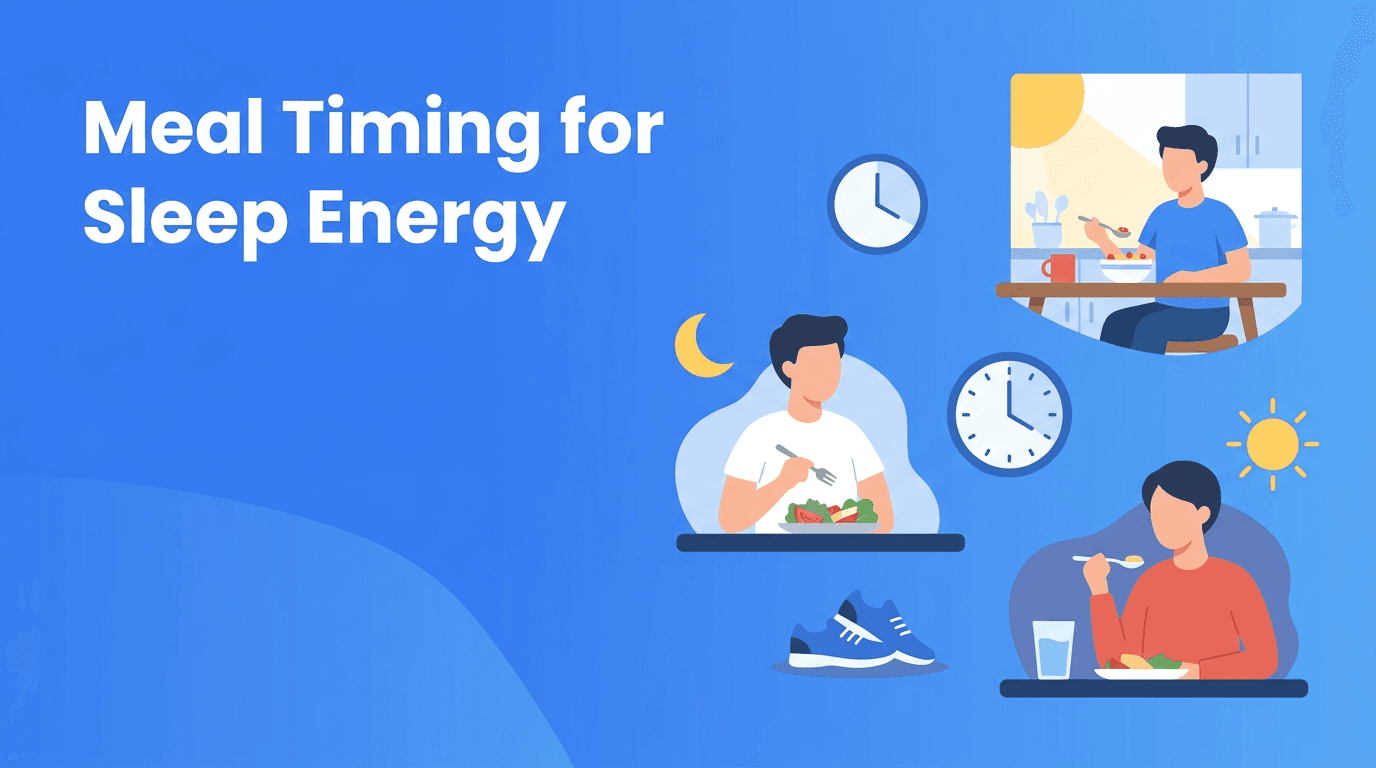
- Eat meals on a fairly regular schedule to support circadian rhythm and stable energy.
- Avoid very heavy meals close to bedtime if they leave you uncomfortable or alert.
- Be mindful with caffeine, especially in the afternoon, because it can quietly reduce sleep efficiency even if you still fall asleep.
- Use exercise earlier in the day or early evening when possible, especially if intense late workouts leave you wired.
- If your energy crashes daily, look at the full picture: sleep, nutrition, exercise, hydration, and stress usually interact.
Build healthier routines with support
Haply is an AI life coaching app for iOS and Android that can help you turn sleep goals into realistic daily actions. Its Wellness coaches, habit tracker, reminders, and mini-apps like Meditation/Breathe and Sleep Stories can support better routines. It complements professional help, not replaces it.
Try Haply FreeA 5-step plan to improve sleep efficiency
1. Tighten your sleep window gently
If you spend much more time in bed than you spend sleeping, try aligning bedtime more closely with when you actually feel sleepy. This can help rebuild a stronger connection between bed and sleep. Avoid making extreme changes, and seek professional guidance if sleep problems are persistent.
2. Create a repeatable wind-down routine
Choose two or three cues your body can learn, such as dimming lights, stretching, reading a few pages, or using a breathing exercise. Consistency matters more than complexity.
3. Support sleep with daytime movement
Regular exercise can improve sleep quality, mood, and overall physical health. Even a brisk walk, light strength session, or mobility routine can help if done consistently.
4. Use nutrition to protect evening calm
Balanced meals with protein, fiber, and complex carbohydrates can support steadier energy through the day. That may reduce late-night overeating, cravings, or stimulant dependence that interfere with sleep.
5. Track patterns, not perfection
Notice what happens when you change one variable at a time. A simple log of bedtime, wake time, caffeine timing, workouts, and next-day energy can reveal useful patterns faster than guessing.
Healthy habits that make the biggest difference
- Wake up at a consistent time most days, even after a rough night.
- Get morning light exposure to support your body clock.
- Keep naps short if long naps make nighttime sleep harder.
- Reduce late-night screen stimulation when possible.
- Protect your bedroom as a cue for sleep, calm, and recovery.
- Focus on small healthy habits you can repeat, not dramatic resets.
If you enjoy structure, Haply can help you turn these behaviors into daily check-ins with streaks, reminders, and a personalized Today Dashboard. For many people, that kind of gentle accountability makes wellness habits easier to keep.
The bottom line on sleep efficiency
Sleep efficiency gives you a more useful lens than simply counting hours. It helps explain why sleep, nutrition, exercise, and energy are so tightly connected. If you want better physical health, start by making your nights more restorative and your days more supportive of rest. Small, steady healthy habits often work better than chasing the perfect routine.
Frequently Asked Questions
What is a good sleep efficiency percentage?
Many sleep experts consider 85 percent or higher to be a reasonable target for adults, but individual needs vary. Consistent sleep quality and daytime functioning matter too.
How can I improve sleep efficiency naturally?
Try a consistent wake time, a simple wind-down routine, regular exercise, and mindful caffeine timing. Tracking patterns can also help you spot what disrupts sleep.
Can exercise improve sleep efficiency?
Yes, regular exercise often supports better sleep quality and deeper rest. The timing and intensity matter, since late intense workouts may keep some people alert.
Does nutrition affect sleep efficiency?
Yes, nutrition can influence digestion, blood sugar, and stimulation levels. Regular balanced meals and less caffeine late in the day may support better sleep.