Recovery Walks: The Low-Pressure Workout Routine That Helps Busy People Feel Better
Recovery walks are a simple way to add fitness, movement, and physical activity to a packed schedule. Learn how this gentle workout routine supports energy, stress relief, and recovery.

By Haply Team
Haply Editorial Team
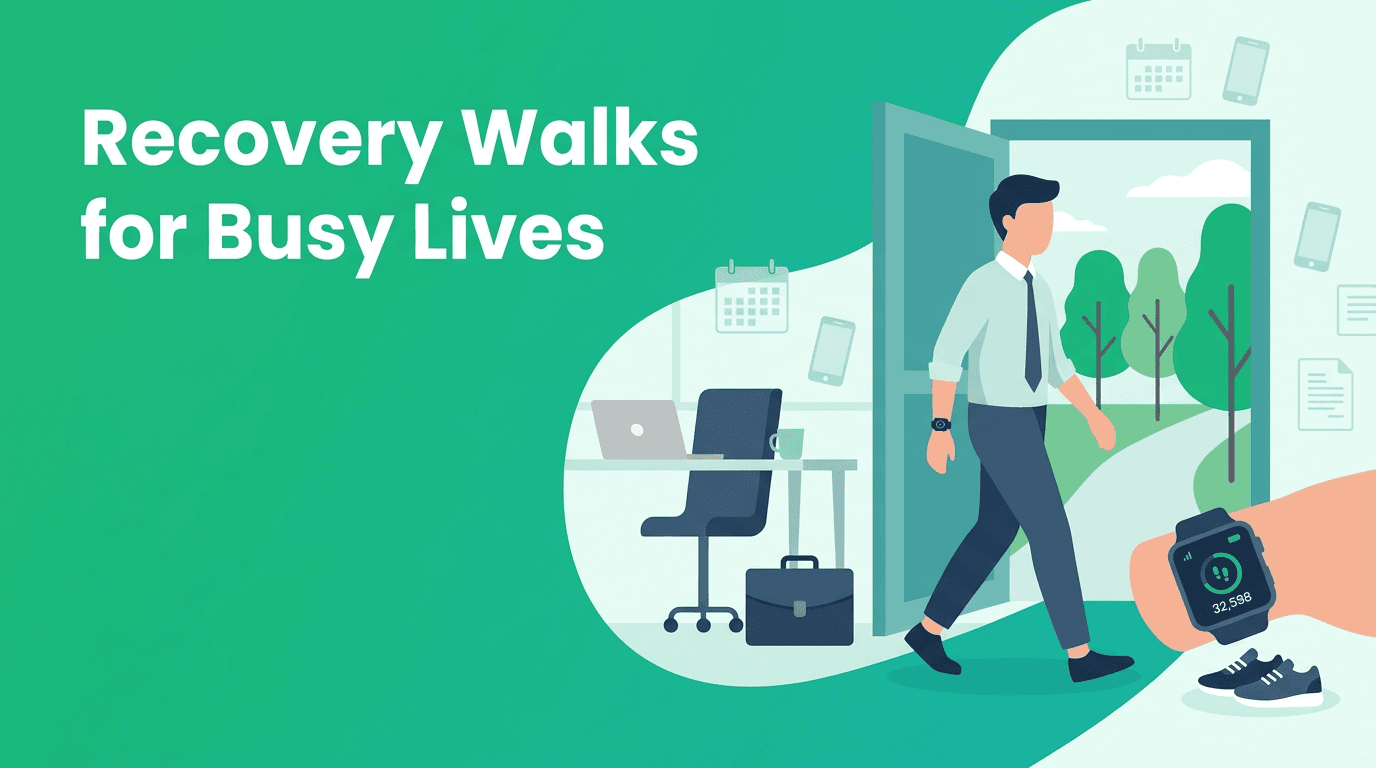
Recovery walks might be the most underrated wellness habit for busy people. If hard workouts feel impossible on packed days, this gentle form of walking gives you a realistic way to stay consistent with fitness, add more movement, and support both body and mind without needing a full gym session.
Why recovery walks work so well
Many people think every workout routine has to be intense to count. That mindset often leads to all-or-nothing habits: push hard for a few days, then stop when life gets busy. Recovery walks offer a more sustainable approach. They keep you connected to physical activity while helping your system recharge instead of draining it further.
- They are low impact, so they are easier on joints than many intense workouts.
- They support recovery after strength training, long runs, or stressful workdays.
- They help break up long periods of sitting, which makes daily movement easier to maintain.
- They can improve mood and mental clarity, especially when done outdoors.
- They fit into real life - before work, after lunch, between meetings, or after dinner.
"You do not need the perfect workout. You need a repeatable one."
What makes a recovery walk different from regular walking?
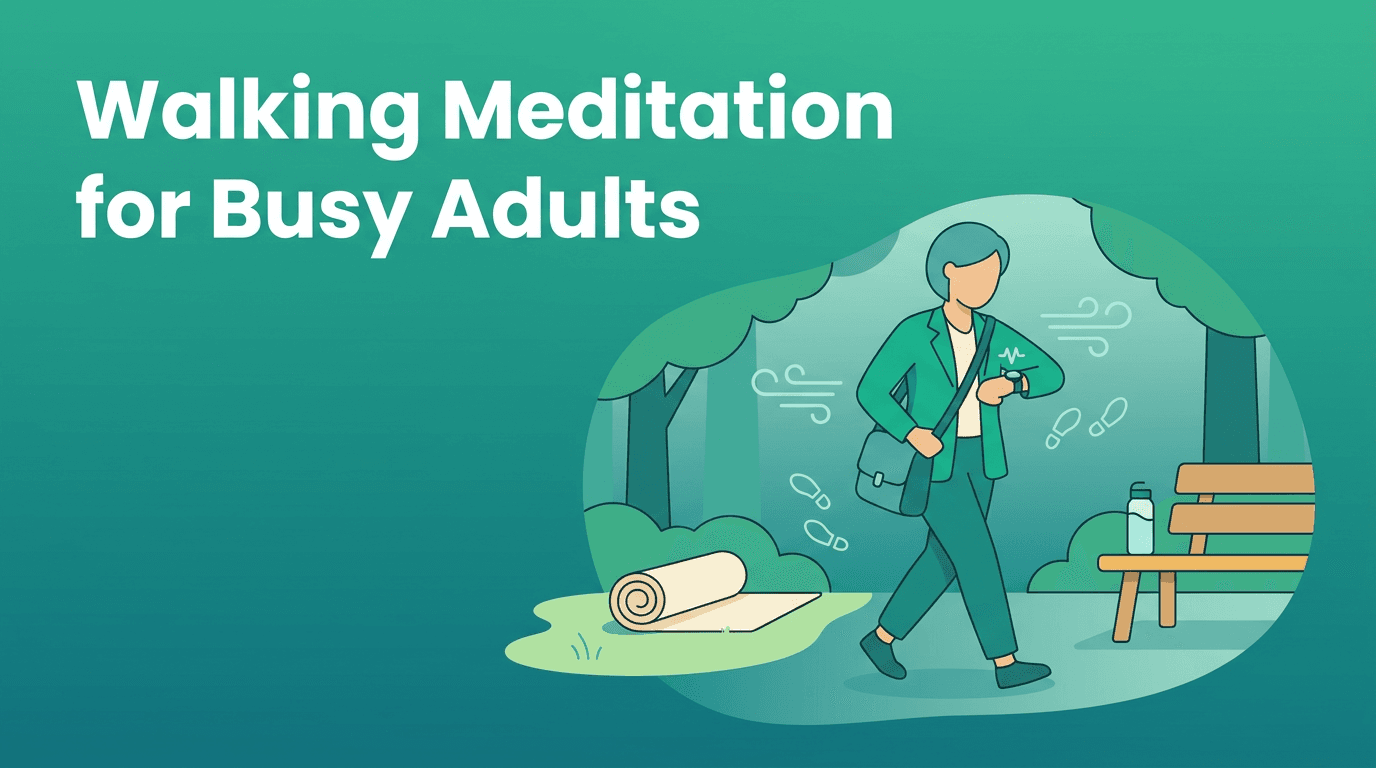
The difference is the intention. A recovery walk is not about speed, calories, or hitting a personal record. It is about using light physical activity to restore energy, reduce stiffness, and help your body come back to balance. That is why recovery walks can be especially helpful the day after a tough session or during mentally heavy weeks.
A simple recovery walk formula
- Walk for 10 to 25 minutes.
- Keep the pace easy enough that you can breathe comfortably and talk in full sentences.
- Let your shoulders relax and your jaw unclench.
- If possible, choose a route with daylight, trees, or fresh air.
- Finish with 30 to 60 seconds of slow breathing before going back to work or home tasks.
This kind of walking can become the bridge between effort and recovery. It keeps your body engaged without asking for more than you can give.
How recovery walks support fitness without burnout
For busy adults, the biggest challenge is often not knowing what to do. It is having enough energy to do it consistently. Recovery walks make fitness feel more approachable because they remove the pressure to perform. Instead of skipping movement completely on tired days, you still give yourself a win.
Benefits you may notice
- Less stiffness after sitting or training
- A smoother transition out of work stress
- Better adherence to your overall workout routine
- More daily steps and baseline physical activity
- A stronger sense that wellness can fit into normal life
Want help turning wellness into a real routine?
Haply is an AI life coaching app for iOS and Android that helps you build sustainable habits with personalized coaching, reminders, and mini-apps like Focus Timer and Meditation/Breathe. It can support your wellness goals alongside professional care, not replace it.
Try Haply FreeHow to fit recovery walks into a busy schedule
The best wellness habits are the ones that survive real calendars. Instead of waiting for a perfect 45-minute slot, attach recovery walks to moments that already exist in your day.
- Take a 10-minute walk after a demanding meeting.
- Use part of your lunch break for light movement.
- Walk after a gym session to cool down mentally and physically.
- Create an evening walking ritual to separate work from home life.
- Pair your walk with a podcast, gratitude practice, or simple breath counting.
Make the habit easier to keep
Lay out your shoes where you can see them. Set a daily reminder. Track your streaks. If motivation is inconsistent, structure can help. In Haply, users can lean on chat-based coaching, the Today Dashboard, and habit tracking tools to make small wellness actions easier to repeat.
A 7-day recovery walk challenge
If you want to test this habit, keep it simple. For one week, do a short recovery walk every day, even if it is only 10 minutes. Focus on consistency, not intensity.
- Day 1: Walk for 10 minutes after work
- Day 2: Walk during a break between tasks
- Day 3: Add one minute of slow breathing after your walk
- Day 4: Walk outdoors without checking your phone
- Day 5: Use your walk as active recovery after exercise
- Day 6: Invite a friend or family member to join
- Day 7: Reflect on your energy, mood, and stress before and after
This mini challenge can show you that a gentle workout routine still counts. Often, the smallest form of movement is what helps you rebuild momentum.
Frequently Asked Questions
What are recovery walks?
Recovery walks are short, easy walks meant to support recovery, reduce stiffness, and keep you active without adding heavy physical stress.
Are recovery walks good after a workout routine?
Yes. Gentle walking after exercise can help your body cool down, maintain movement, and support recovery on intense or tiring days.
Can walking count as physical activity for fitness?
Absolutely. Walking is a valid form of physical activity that supports fitness, especially when done consistently over time.
How long should recovery walks be?
Most recovery walks can be effective at 10 to 25 minutes. The best length is one that feels easy and realistic for your schedule.