Nervous System Regulation for Anxiety: Small Daily Practices That Support Emotional Health
Nervous system regulation can help with anxiety by making stress feel more manageable. Learn small daily practices that support emotional health, wellbeing, and therapy goals.

By Haply Team
Haply Editorial Team
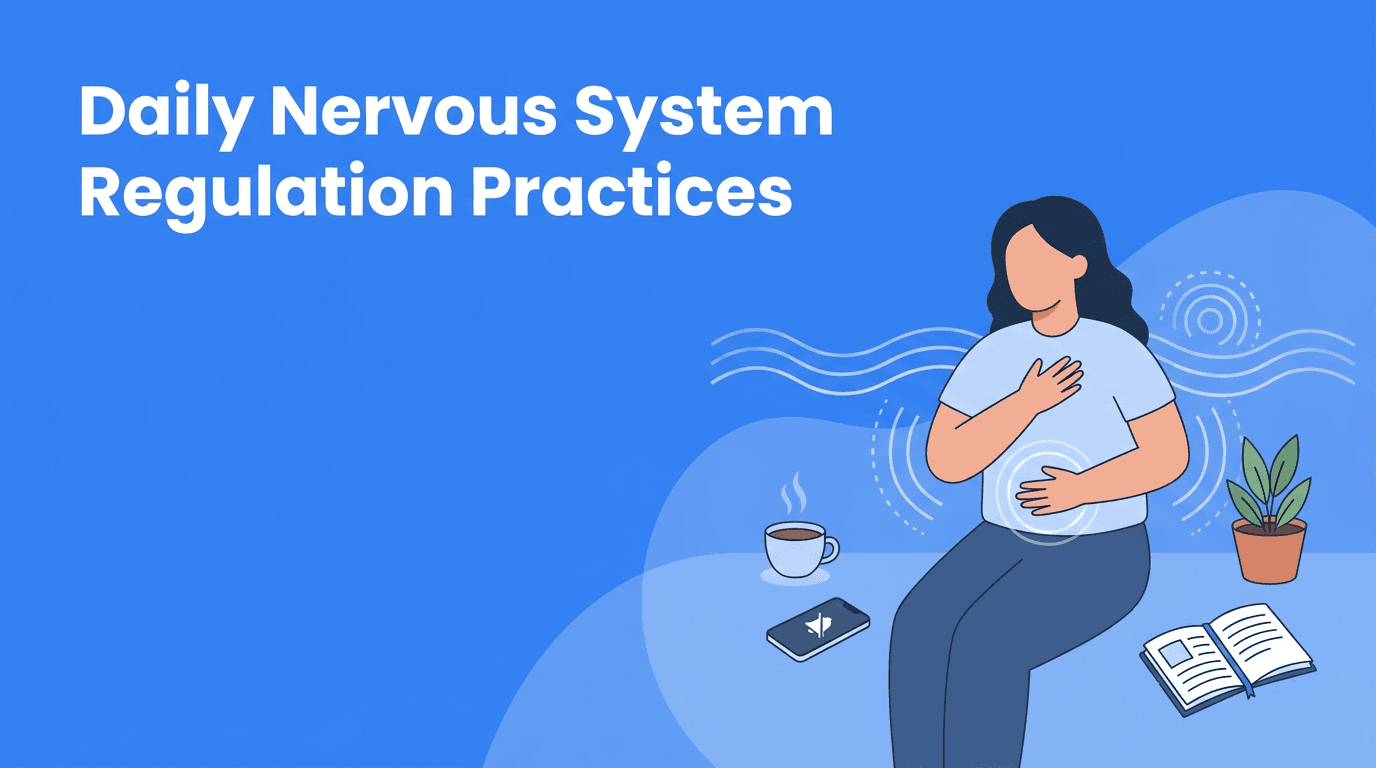
Nervous system regulation is not about becoming calm all the time. It is about helping your body return to a steadier state after stress, so anxiety feels less overwhelming and emotional health becomes easier to support day by day.
If you have ever felt shaky after a hard conversation, mentally foggy after too much screen time, or emotionally drained for no obvious reason, your body may be asking for regulation, not more pressure. This is one reason the idea of nervous system regulation has become so useful in conversations about wellbeing, therapy, and everyday resilience.
Why nervous system regulation matters for wellbeing
Your nervous system helps manage how you respond to stress, rest, safety, and connection. When it is overloaded, even small tasks can feel huge. You might notice racing thoughts, irritability, fatigue, muscle tension, doom scrolling, or difficulty sleeping. These experiences can overlap with anxiety and low mood, which is why depression awareness also matters here. Persistent symptoms deserve attention and, when needed, support from a qualified mental health professional.
- Stress is not only mental. It shows up in your breathing, posture, digestion, and energy.
- Regulation is a skill. You can practice it in short moments throughout the day.
- Therapy and daily habits work well together. Coping tools can support the progress you make in therapy, but they do not replace professional care.
- Small actions count. A two-minute reset can still help your body feel safer.
"You do not need to earn rest. Your body responds best when it feels safe enough to soften."
5 signs you may need more regulation, not more productivity
- You keep trying to push through anxiety, but your focus keeps dropping.
- You feel tired and wired at the same time.
- You react strongly to minor stressors, then feel confused or guilty later.
- You struggle to switch off at night, even when you want sleep.
- You feel disconnected from yourself, other people, or activities you usually enjoy.
A helpful mindset shift
Instead of asking, "What is wrong with me?" try asking, "What is my body trying to tell me?" This simple shift can reduce shame and improve emotional health. It also makes it easier to choose supportive actions rather than harsh self-criticism.
Simple nervous system regulation practices for daily life
The best nervous system regulation habits are usually the ones you can repeat. They do not need to be perfect, long, or expensive. Start with one or two and notice what helps you feel a little more grounded.
- Lengthen your exhale. Try breathing in for 4 and out for 6 for one to two minutes. A longer exhale can signal safety to the body.
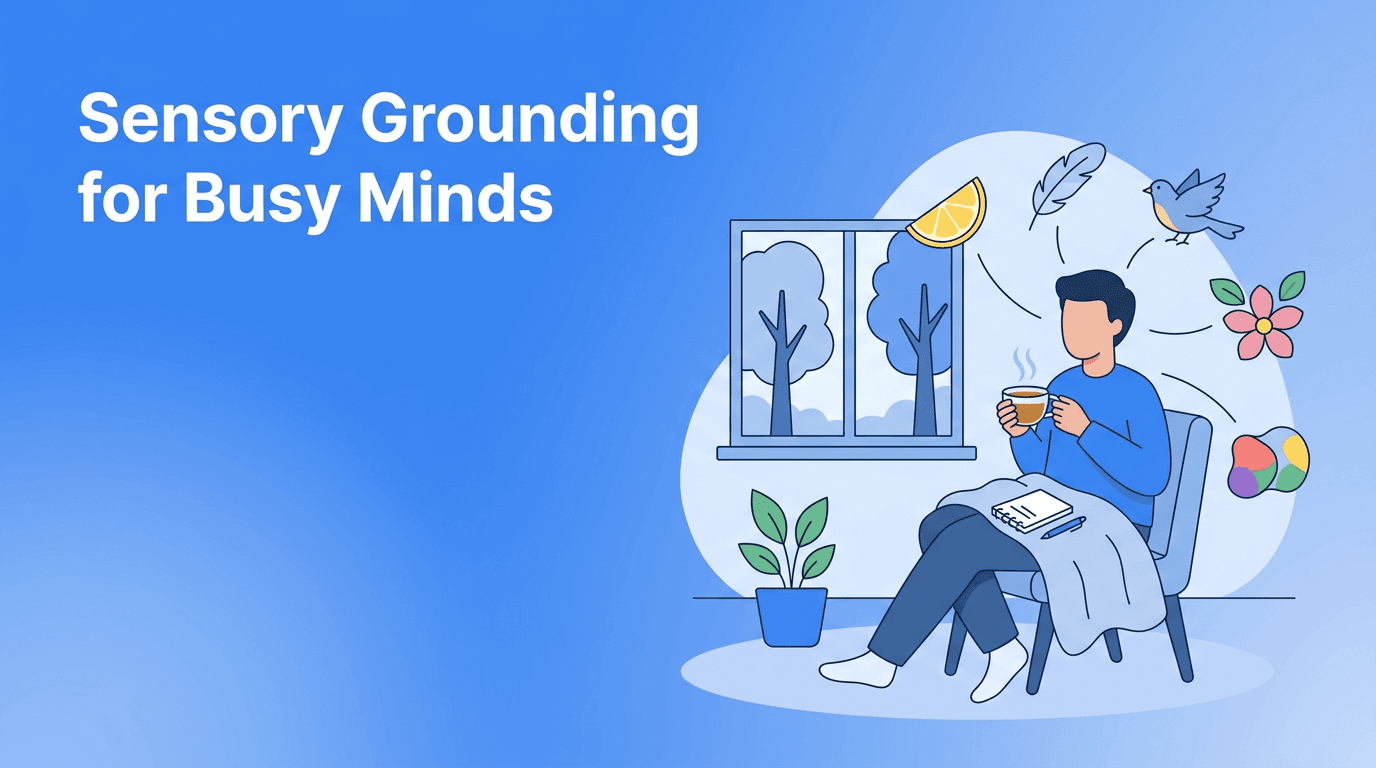
- Use sensory grounding. Hold a cold glass, notice five things you can see, or press your feet into the floor.
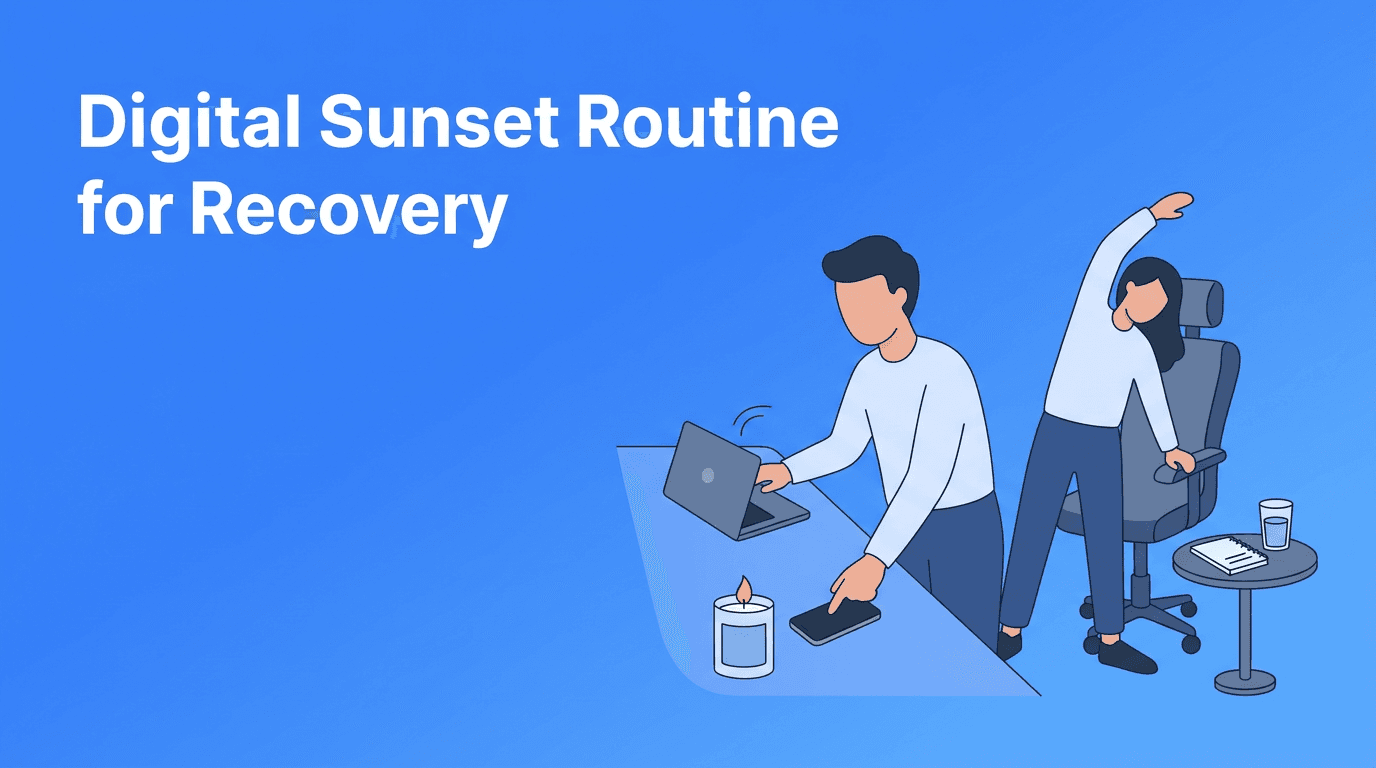
- Reduce input. Lower brightness, silence nonessential notifications, or take a short break from constant noise.
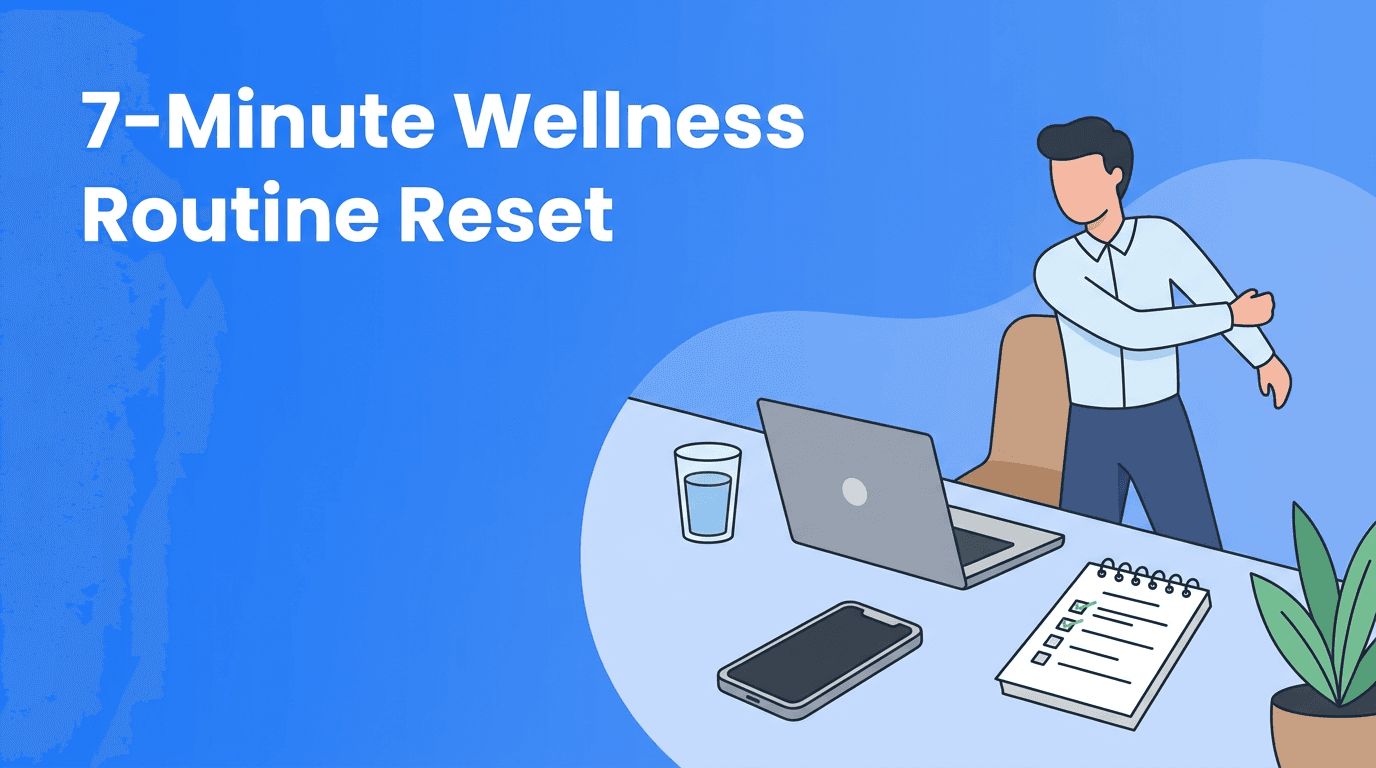
- Add gentle movement. Stretch your neck, roll your shoulders, or walk around the room instead of staying frozen at your desk.
- Create transition rituals. Wash your hands slowly after work, change clothes, or make tea to help your body shift gears.
- Name your state. Saying "I feel activated" or "I feel shut down" can build awareness without judgment.
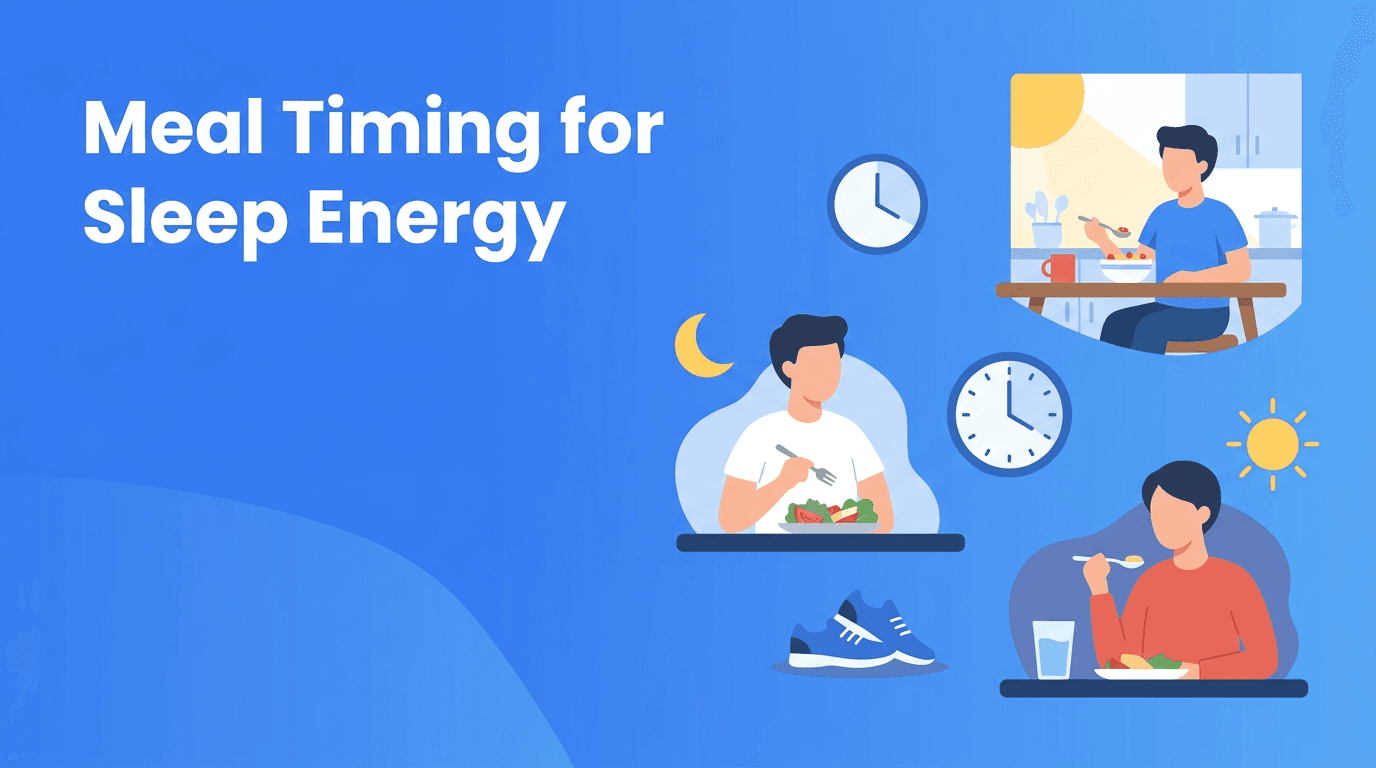
- Support basics. Food, hydration, light exposure, and rest all affect regulation more than many people realize.
How therapy can support nervous system regulation
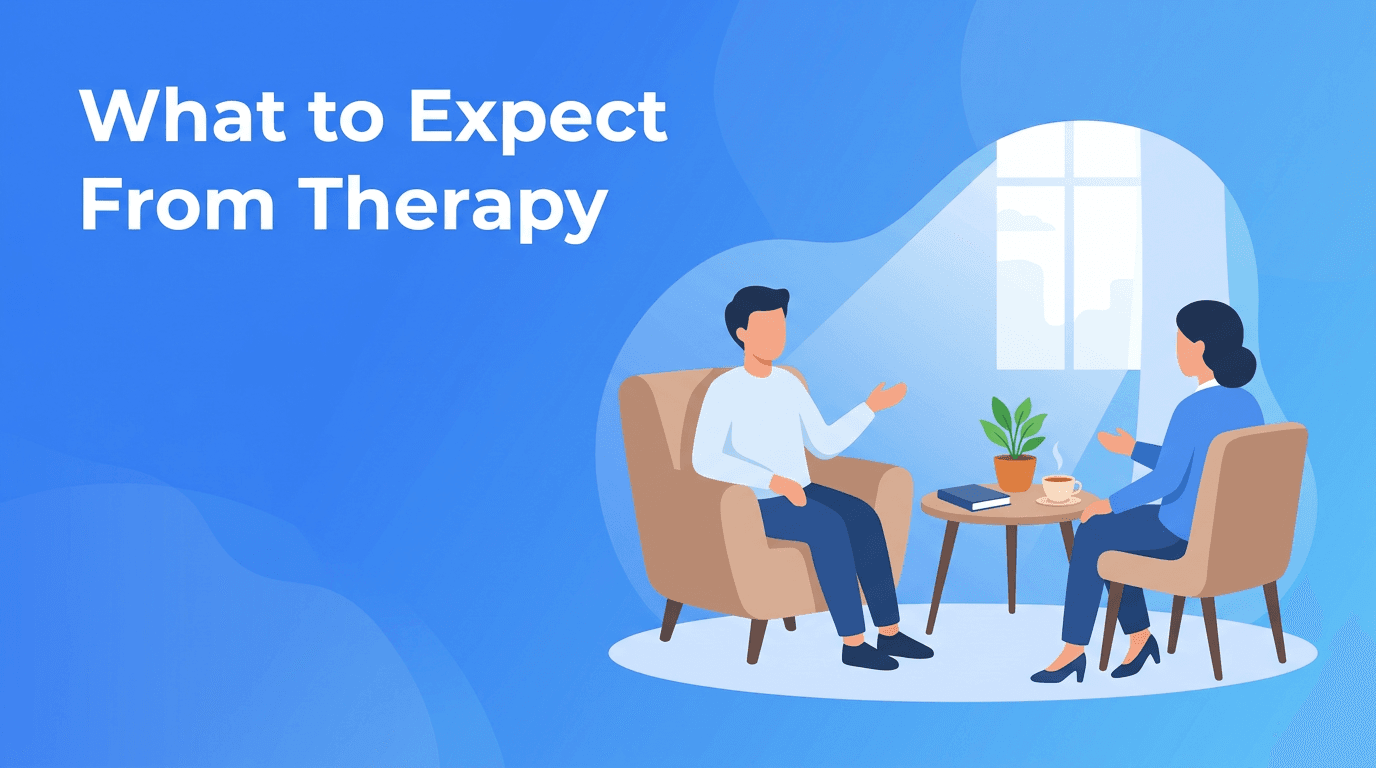
If stress responses feel intense, frequent, or hard to manage alone, therapy can help you understand your patterns and build safer coping strategies. A therapist may help you notice triggers, practice grounding, improve boundaries, and work through experiences that keep your nervous system on high alert.
This is also where depression awareness is important. Low motivation, emotional numbness, hopelessness, and changes in sleep or appetite are not personal failures. They are signs worth taking seriously. Self-help tools can be useful, but ongoing distress should be discussed with a licensed professional.
Build calm with guided support
Haply is an AI life coaching app on iOS and Android with Wellness coaching, a Meditation and Breathe mini-app, habit tracking, and daily reminders. It can support your wellbeing routines alongside therapy, not instead of it.
Try Haply FreeA 10-minute regulation routine you can actually use
- Minute 1-2: Put your phone on silent and unclench your jaw.
- Minute 3-4: Take slow breaths with a longer exhale.
- Minute 5-6: Stand up and do gentle shoulder or hip movement.
- Minute 7-8: Drink water and notice the temperature, taste, and sensation.
- Minute 9: Write one sentence about what you feel.
- Minute 10: Choose one kind next step, like a short walk, a snack, or messaging a trusted person.
If consistency is hard, use environmental cues. Pair your reset with lunch, the end of work, or bedtime. In Haply, tools like the Today Dashboard, streaks, and reminders can make these tiny routines easier to remember.
What progress really looks like
Progress in nervous system regulation often looks subtle before it looks dramatic. You may pause before reacting. You may recover faster after stress. You may notice anxiety earlier and respond with care instead of panic. These are real wins.
Supporting your nervous system is not about fixing yourself. It is about creating enough steadiness to care for your mind and body with more compassion. Over time, that can strengthen emotional health, support wellbeing, and help you get more from therapy and other forms of support.
Frequently Asked Questions
What is nervous system regulation for anxiety?
Nervous system regulation for anxiety means using simple practices that help your body shift out of high stress and back toward a calmer, steadier state.
How do I regulate my nervous system quickly?
Try a longer exhale, grounding through your senses, relaxing tense muscles, or taking a short movement break. Even one to two minutes can help.
Can therapy help with nervous system regulation?
Yes. Therapy can help you understand triggers, learn coping strategies, and practice skills that support a more regulated response to stress.
Is nervous system regulation the same as treating depression?
No. Regulation practices may support daily coping, but they are not a treatment for depression. If symptoms persist or worsen, talk to a licensed mental health professional.
What app can help me build regulation habits?
Apps like Haply can support daily wellbeing with reminders, habit tracking, guided wellness tools, and chat-based coaching that complements professional care.