Exercise Snacks: The Walking Fitness Strategy for Busy Days
Discover how a simple walking fitness strategy can turn spare minutes into meaningful movement, support recovery, and help you build a realistic workout routine on busy days.

By Haply Team
Haply Editorial Team
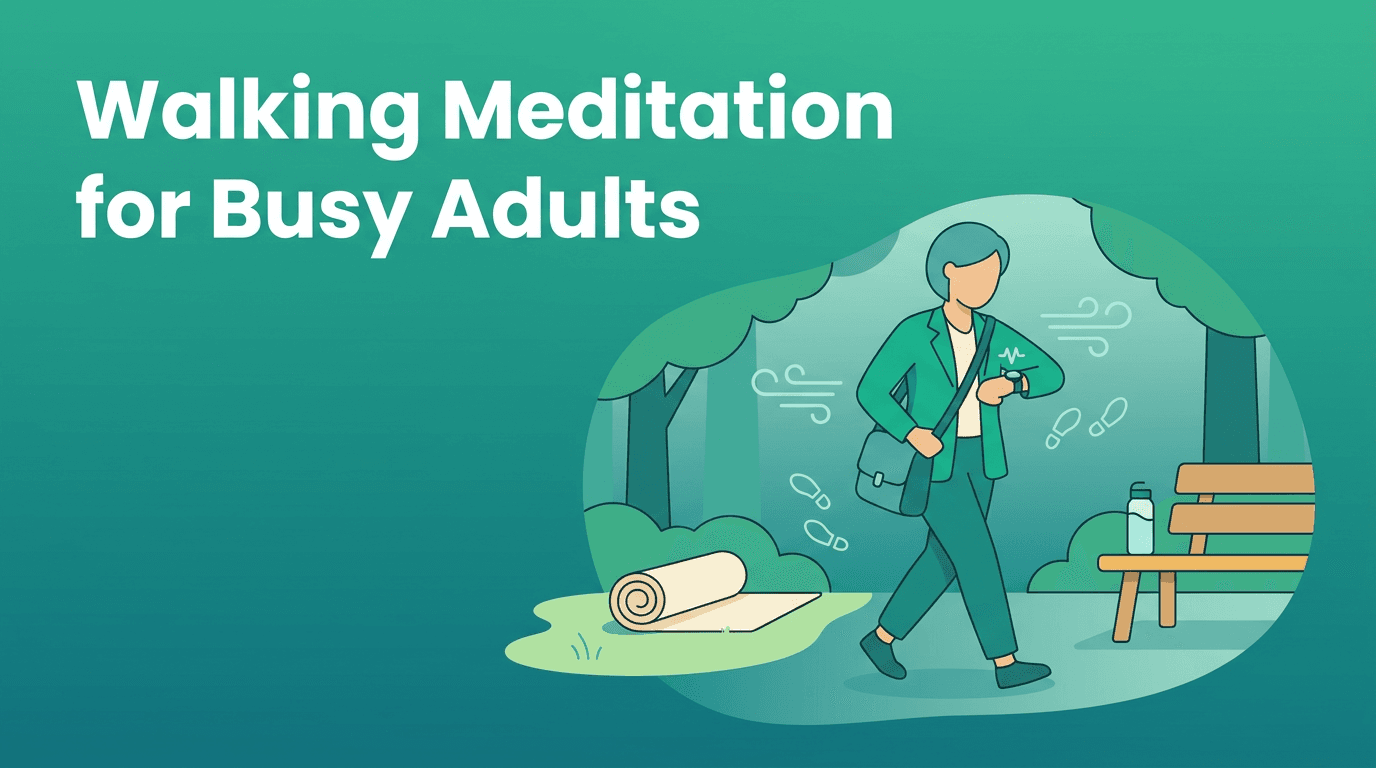
If your schedule feels too packed for the gym, walking fitness may be the most realistic way to build more physical activity into your life. Instead of waiting for the perfect hour-long workout routine, you can use short walks, brisk movement breaks, and recovery-minded pacing to support your body and mind throughout the day.
Why walking fitness works for busy lives
Many people think fitness only counts if it is intense, sweaty, or highly structured. But walking fitness offers something many busy adults actually need, consistency. It lowers the barrier to entry, fits into ordinary routines, and can improve mood, focus, and energy without requiring complicated planning.
- Walking is flexible - you can do it before work, after meals, during calls, or between tasks.
- It supports recovery better than all-or-nothing exercise habits.
- It helps you accumulate meaningful movement even on stressful days.
- A walking-based workout routine can feel more approachable than starting with hard training sessions.
"You do not need more time to begin. You need a gentler starting point that you can repeat."
The exercise snack method: small bursts of movement
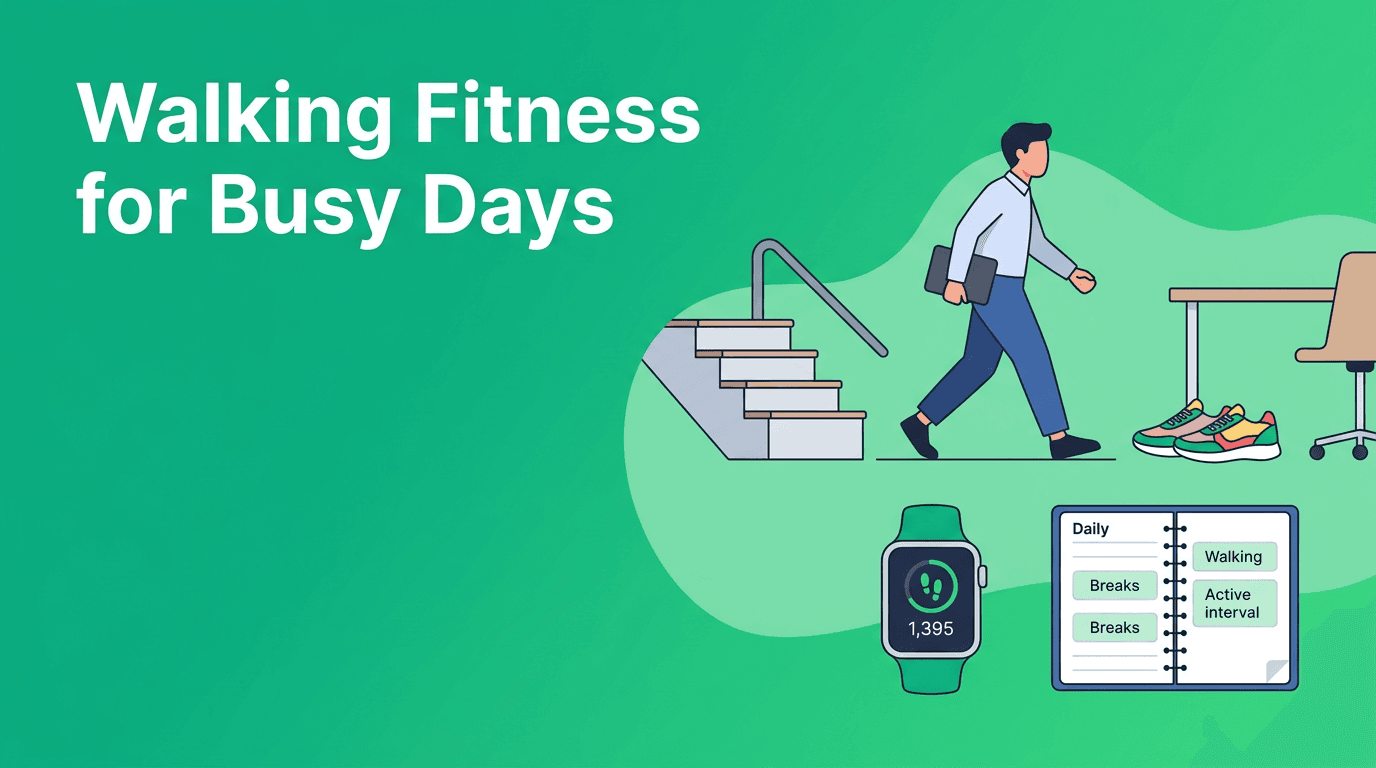
One fresh way to think about fitness is through "exercise snacks" - short bouts of movement spread across the day. A 5 to 10 minute walk after lunch, a quick staircase climb, or a brisk loop around the block all count. These mini sessions can add up surprisingly well, especially if long workouts feel hard to sustain right now.
What counts as an exercise snack?
- A 5-minute walking break after a meeting
- A 10-minute brisk walk before opening your laptop
- Two laps around your building during an afternoon energy slump
- A gentle evening stroll to support recovery after a demanding day
- Parking farther away to add intentional movement
How to build a walking workout routine that sticks
The best workout routine is the one you can actually continue. Start small and attach walking to moments that already exist in your day. This reduces decision fatigue and makes fitness feel like part of life, not another task you keep postponing.
A simple 4-step walking plan
- Choose your anchor - link walking to an existing habit, like coffee, lunch, or ending work.
- Set a tiny minimum - begin with 8 to 10 minutes of walking, not a dramatic goal.
- Vary your pace - mix easy strolls with brisk intervals to keep your walking fitness improving.
- Track consistency - focus on how often you move, not just distance or calories.
Want help turning movement into a real habit?
Haply is an AI life coaching app for iOS and Android that helps you create personalized wellness goals, track streaks, and stay motivated with tools like the Today Dashboard, habit tracking, and guided check-ins. It can support your walking plan as part of a broader wellbeing routine.
Try Haply FreeUse walking for fitness and recovery
Not every day should feel like a push day. One of the overlooked benefits of walking is that it can support both fitness and recovery. On high-stress days, a slower walk can calm your nervous system and create mental breathing room. On higher-energy days, brisk walking can raise your heart rate enough to feel like a true workout.
Try this weekly rhythm
- 2 days - brisk 20 to 30 minute walks for cardiovascular fitness
- 3 days - short walking breaks throughout the day to increase total physical activity
- 1 day - longer relaxed walk for mental reset and recovery
- 1 day - flexible movement day, such as stretching, light mobility, or an easy walk
Make movement easier when motivation is low
Motivation is unreliable, but environment helps. Keep comfortable shoes by the door, schedule walking breaks on your calendar, or pair walks with podcasts or voice notes. If you use Haply, its chat-based coaching, reminders, and habit streaks can make it easier to follow through, especially when your day gets messy. It is a supportive wellness tool, not a replacement for professional care.
The real goal: more physical activity, less perfection
A sustainable wellness plan does not require extreme discipline. It requires repeatable choices. When you treat walking as valid fitness, you create more chances to succeed. Over time, those small bouts of movement can improve endurance, support mood, and help you build a healthier relationship with exercise.
Frequently Asked Questions
Is walking fitness enough to improve health?
For many people, yes. Walking fitness can increase daily physical activity, support heart health, improve mood, and create a strong foundation for a sustainable routine.
How long should a walking workout routine be?
A walking workout routine can start with just 10 minutes. Consistency matters more than duration at first, and you can build up over time.
Can walking help with workout recovery?
Yes. Gentle walking can promote circulation, reduce stiffness, and help your body recover between harder workouts.
What is the best time of day for walking?
The best time is the one you can repeat consistently. Many people find success with morning walks, post-lunch walks, or short evening walks.