Identity-Based Habits for Personal Development: Build a Daily Routine That Sticks
Identity-based habits can make personal development feel easier and more consistent. Learn how to build a daily routine that supports lasting behavior change and real confidence.

By Haply Team
Haply Editorial Team
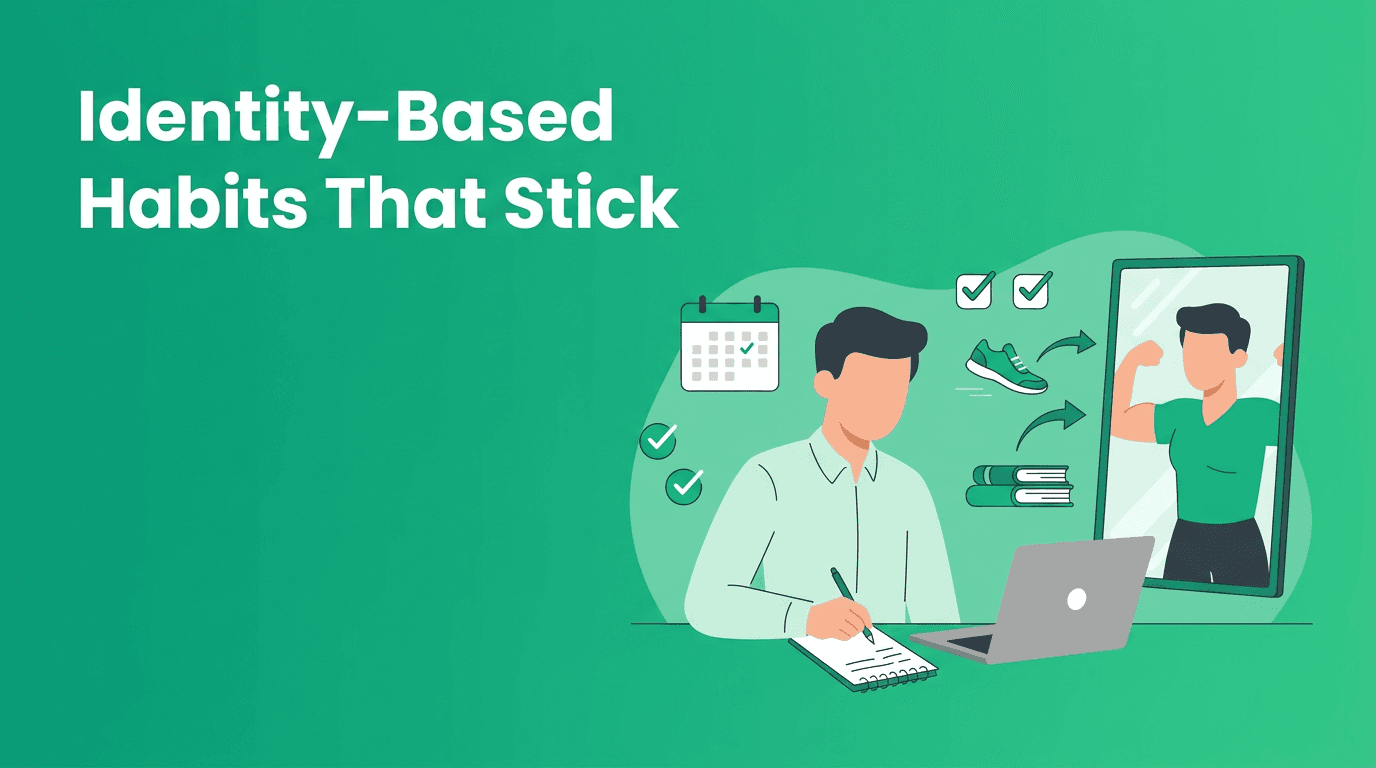
Most people try to change their life by setting bigger goals. But identity-based habits take a different route. Instead of asking, 'What do I want to achieve?', you ask, 'Who do I want to become?' That small shift can make personal development feel more natural, strengthen your growth mindset, and turn a shaky daily routine into lasting behavior change.
Why identity-based habits work better than motivation
Motivation is useful, but it is unreliable. Some days you feel ready to do everything. Other days even basic tasks feel heavy. Identity-based habits work because they reduce the need to negotiate with yourself. When a habit becomes part of your self-image, action starts to feel consistent with who you are, not just what you should do.
- A person who says 'I am someone who trains' is more likely to exercise than someone who only says 'I should work out'.
- A student who believes 'I am a focused learner' protects study time more seriously.
- A young professional who thinks 'I am someone who keeps promises to myself' builds stronger self-belief through repetition.
You do not rise to the level of your goals. You fall to the level of your systems.
The link between identity, self-belief, and behavior change
Many people think self-belief comes first, then action follows. In real life, it often works the other way around. You build confidence by collecting evidence. Every time you repeat a small habit, you send yourself a message: this is who I am. That is why behavior change becomes easier when your actions are tied to identity instead of pressure.
Start with tiny identity proof
You do not need dramatic transformation to begin. You need small, repeatable proof. Read one page, do five push-ups, write for three minutes, review your budget for two minutes. Tiny actions may look unimpressive, but they are powerful because they reinforce identity daily.
- If you want to become healthier, ask: What would a healthy person do for two minutes today?
- If you want to become disciplined, ask: What would a disciplined person repeat even on a busy day?
- If you want to become calmer, ask: What would an emotionally grounded person practice each morning?
How to build an identity-based daily routine
A strong daily routine is not a packed schedule. It is a set of actions that support the version of you that you are trying to become. Use this simple framework to make identity-based habits practical.
1. Choose one identity at a time
Avoid trying to become a new person in every area at once. Pick one meaningful identity, such as organized, consistent, confident, or curious. In personal development, clarity beats intensity.
2. Match each identity to one visible action
Your habit should be so clear that you cannot misunderstand it. If your identity is I am a learner, your visible action might be reading 10 minutes after lunch. If your identity is I am proactive, your action might be planning tomorrow before bed.
3. Make the habit easy to start
The biggest mistake in behavior change is making habits too ambitious. Lower the starting point until it feels almost too easy. Consistency creates identity, and identity creates momentum.
4. Track proof, not perfection
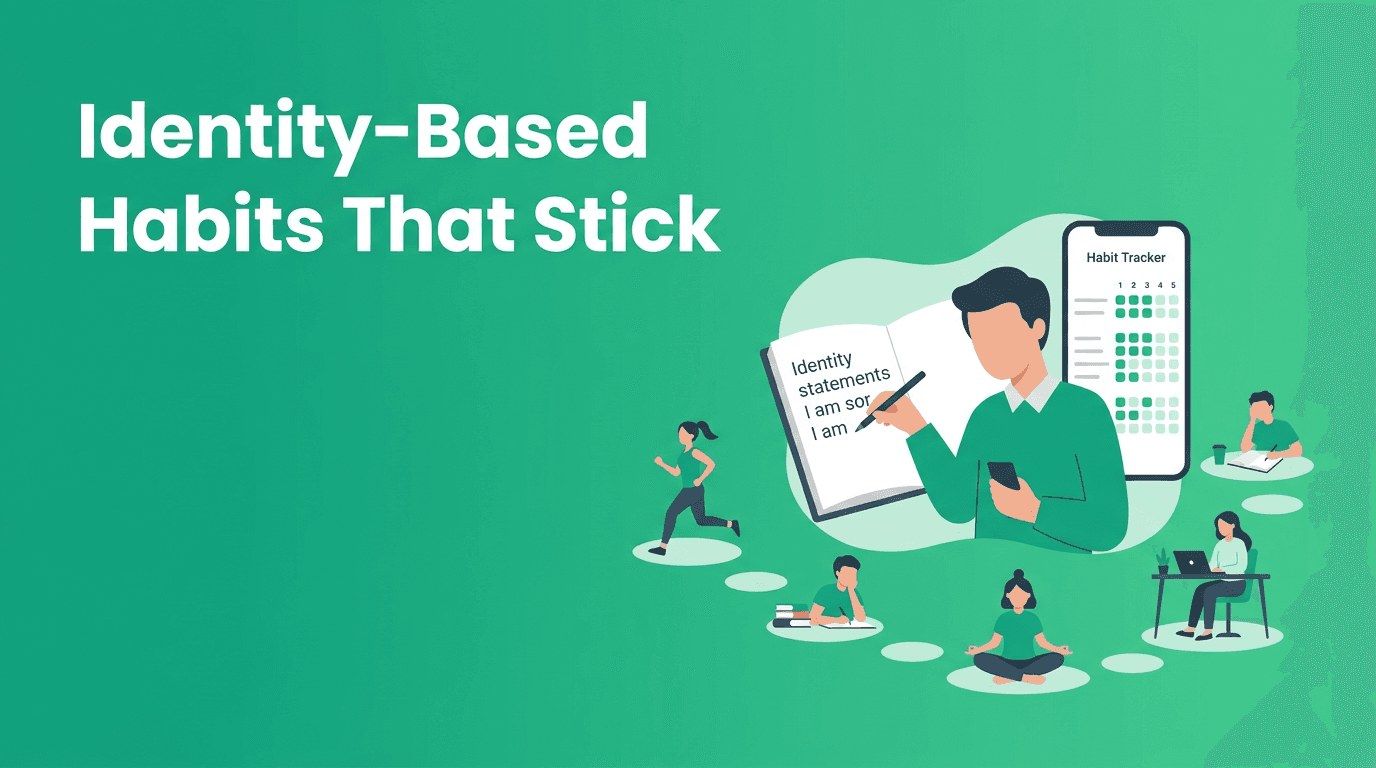
Do not ask whether you did everything perfectly. Ask whether you cast a vote for the person you want to become. This is where habit trackers help. Tools like Haply, an AI life coaching app on iOS and Android, can support your routine with personalized coaching, streak tracking, reminders, and a Today Dashboard that keeps your goals visible.
Want help turning identity into action?
Use Haply's AI coaches, habit tracker, Focus Timer, and daily reminders to make your personal development routine easier to follow.
Try Haply FreeCommon mistakes that weaken identity-based habits
- Changing too many habits at once - this creates friction and weakens follow-through.
- Relying on feelings - a strong routine should work even when motivation is low.
- Choosing habits that look impressive but do not fit your life - realistic habits beat ideal habits.
- Breaking trust with yourself repeatedly - every skipped promise affects self-belief, so start smaller when needed.
A simple weekly reset for personal development
Once a week, spend 10 minutes reviewing your routine. Ask yourself: Which habit felt natural? Which one felt heavy? What identity am I reinforcing right now? This check-in helps you protect your growth mindset and adjust before you quit.
- Keep one habit the same
- Reduce one habit that feels too hard
- Add one friction remover, like putting your book on your desk or setting a reminder
- Celebrate one win that proves you are changing
Final thought: become the type of person who begins
The real power of identity-based habits is that they make change feel personal, not performative. You are not chasing random productivity tricks. You are building a life that matches your values. Start small, repeat often, and let your daily routine become evidence of who you are becoming. That is how personal development becomes real.
Frequently Asked Questions
What are identity-based habits?
Identity-based habits are routines built around the kind of person you want to become. They focus on reinforcing identity through small repeated actions.
How do identity-based habits help behavior change?
They make habits feel connected to your self-image, which reduces resistance and improves consistency. Over time, repeated action builds trust and momentum.
Can identity-based habits improve self-belief?
Yes. Each completed habit gives you proof that you can follow through, which strengthens self-belief more effectively than positive thinking alone.
What is the best daily routine for personal development?
The best daily routine is one you can repeat consistently. Start with a few simple habits that reflect the person you want to become and grow from there.