Implementation Intentions for Personal Transformation: The Missing Link Between Goals and Action
Implementation intentions can accelerate personal transformation by turning vague goals into clear actions. Learn how to use this simple method for goal achievement, self-discipline, and a better morning routine.

By Haply Team
Haply Editorial Team
Implementation intentions are one of the simplest tools for personal transformation because they close the gap between what you want and what you actually do. If your goal achievement efforts keep stalling, this method can help you build self-discipline, strengthen your morning routine, and create steady growth without relying on motivation alone.
Why good intentions are not enough
Most people do not struggle because they lack ambition. They struggle because their plans stay too general. Saying "I will exercise more" or "I will stop procrastinating" sounds positive, but it gives your brain no clear cue to follow. Implementation intentions solve this by turning a wish into a specific response.
"You do not rise to the level of your goals. You fall to the level of your systems."
That is why this approach works so well for self-improvement. It reduces hesitation in the moment. Instead of deciding over and over again, you pre-decide what you will do when a certain situation appears.
What are implementation intentions?
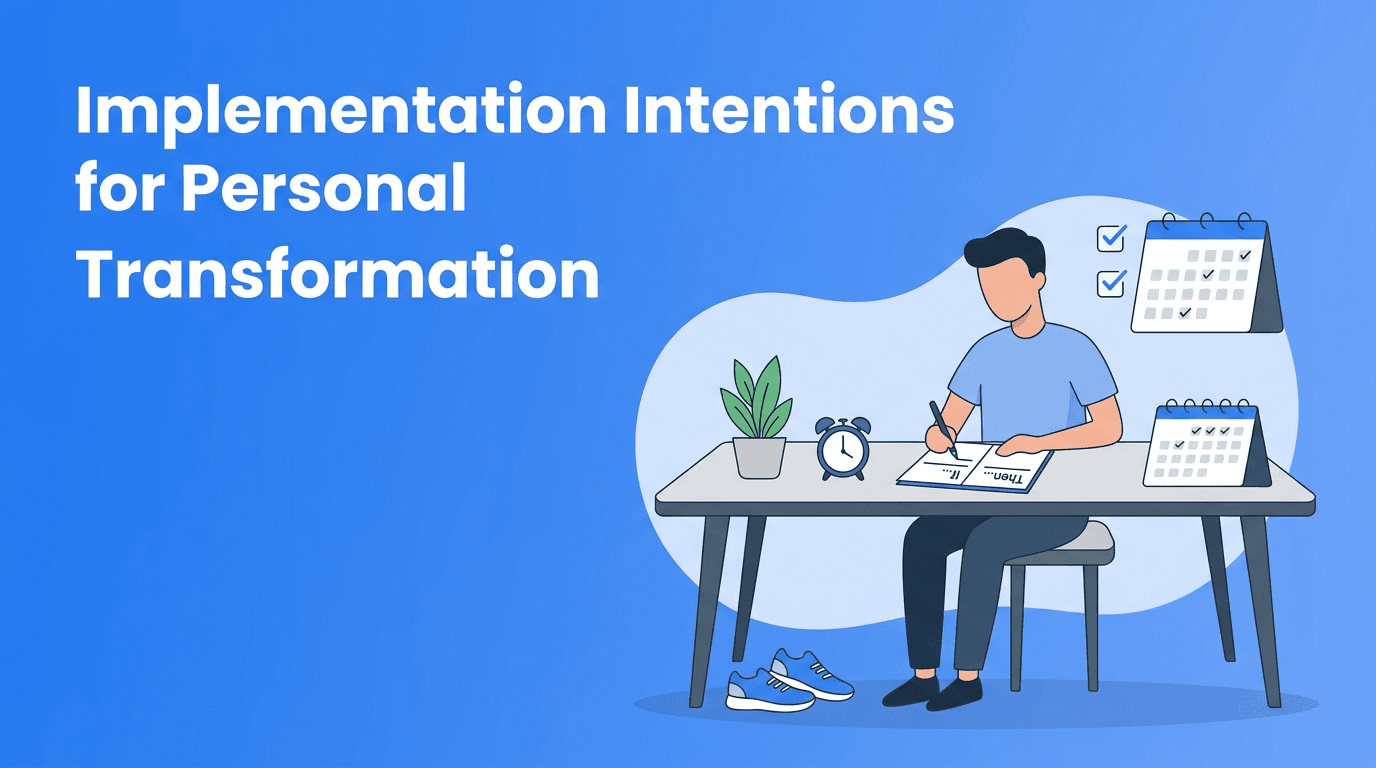
An implementation intention is an if-then plan. The structure is simple: If situation X happens, then I will do action Y. For example, "If I finish breakfast, then I will review my top three priorities for the day." This creates a mental shortcut that makes action more automatic.
- If it is 7:00 a.m., then I will get out of bed and drink a glass of water.
- If I feel the urge to check social media during work, then I will set a 5-minute timer and return to my task.
- If I miss one workout, then I will schedule the next one before bed.
Why this method supports growth
This strategy helps because it removes friction at the exact moment when you usually get stuck. Instead of asking, "What should I do now?" you already know the answer. Over time, that consistency supports growth, better habits, and more confidence in your ability to follow through.
Use implementation intentions in your morning routine
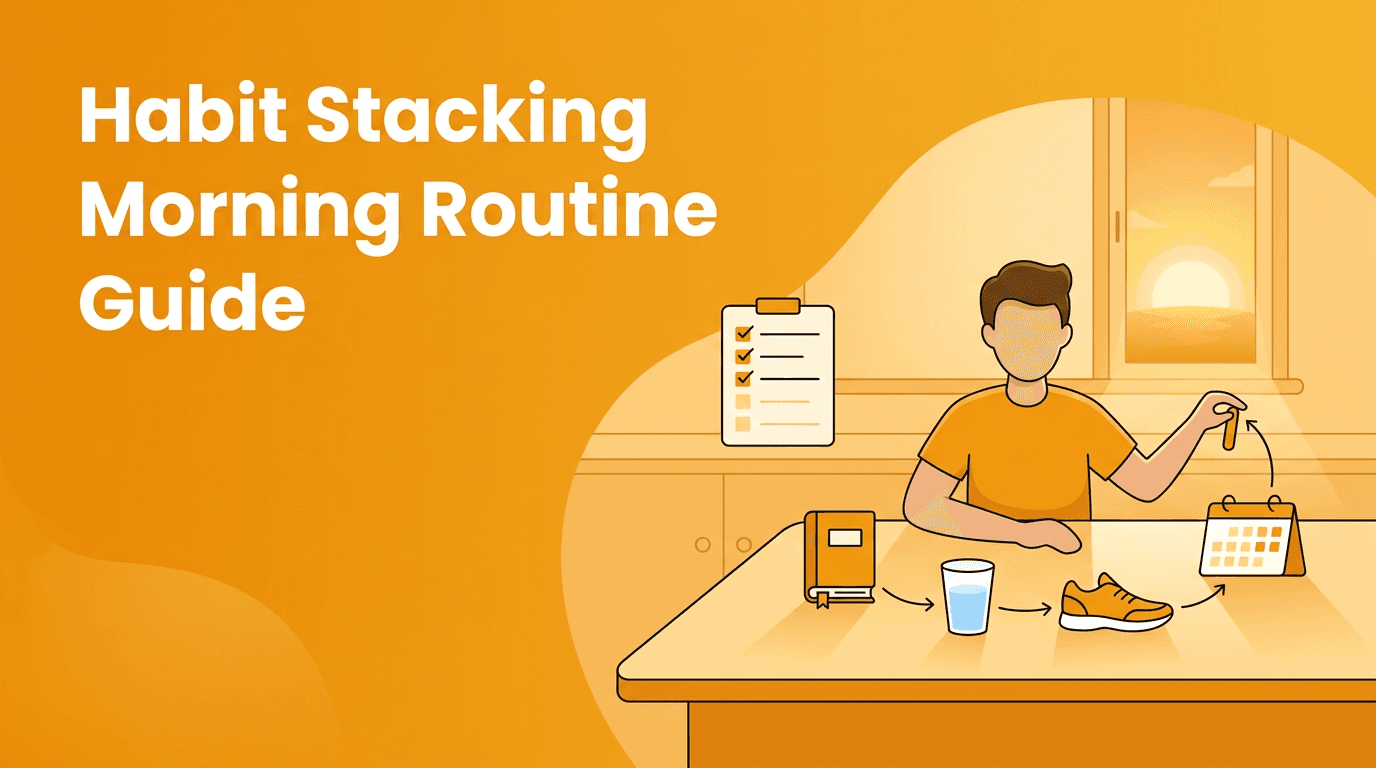
A strong morning routine does not need to be long or perfect. It needs to be easy to start. The best way to do that is to attach each action to a clear cue.
- If I turn off my alarm, then I will sit up immediately.
- If I enter the kitchen, then I will fill my water bottle.
- If I make coffee, then I will write one intention for the day.
- If I open my laptop, then I will begin with the most important task before checking messages.
This is where implementation intentions become practical. You are not forcing a dramatic life overhaul. You are creating tiny decision rules that make your morning flow with less resistance.
How implementation intentions improve self-discipline
People often think self-discipline means being tough on yourself. In reality, it often means making fewer decisions in high-friction moments. When your environment or emotions pull you off track, your plan gives you something solid to return to.
Build a response for common obstacles
- If you feel tired: If I want to skip my habit because I am tired, then I will do a 2-minute version instead.
- If you get distracted: If I catch myself switching tabs, then I will close everything except the task I need.
- If you lose momentum: If I miss a day, then I will restart the next day without trying to "make up" for it.
- If you feel overwhelmed: If I do not know where to begin, then I will spend 5 minutes on the smallest next step.
This is a more compassionate form of discipline. It expects real life, plans for setbacks, and still protects your long-term goal achievement.
A 4-step system for personal transformation
- Choose one meaningful goal. Pick a goal that matters enough to hold your attention for the next few weeks.
- Identify the friction point. Notice where you usually avoid, delay, or forget the action.
- Write 2-3 if-then plans. Keep them specific and realistic.
- Review weekly. Keep what works, adjust what does not, and make your system easier.
This is how personal transformation usually happens in real life. Not through one dramatic breakthrough, but through repeated actions that become easier to perform.
Make your plans easier to follow
With Haply, you can turn goals into daily action using chat-based AI coaching, reminders, streak tracking, and mini-apps like Focus Timer and Task Planner. It is a practical way to support personal growth on busy days.
Try Haply FreeHow Haply can support implementation intentions
If you want help turning ideas into routines, Haply can make the process feel lighter. The app offers AI life coaching on iOS and Android, with personalized support across productivity, wellness, career, learning, and more. You can use the Today Dashboard to stay focused, set reminders for your if-then plans, and build momentum with streaks and achievements.
This matters because even the best strategy works better when it is visible. A supportive system helps you remember your plan when life gets noisy.
Start small, then let consistency create change
You do not need a perfect personality to change your life. You need a plan that works in real situations. Implementation intentions are powerful because they make action easier at the exact moment it matters. That is the kind of strategy that supports lasting personal transformation, stronger self-discipline, and real growth.
Frequently Asked Questions
What are implementation intentions in psychology?
Implementation intentions are specific if-then plans that connect a situation with a planned action. They help people follow through on goals more consistently.
How do implementation intentions help with goal achievement?
They reduce hesitation by deciding in advance what you will do in a specific moment. This makes action faster and more automatic.
Can implementation intentions improve a morning routine?
Yes. They work especially well in a morning routine because they link habits to clear cues like waking up, making coffee, or opening your laptop.
Are implementation intentions good for self-discipline?
Yes. They support self-discipline by lowering the number of decisions you need to make when motivation is low.