Implementation Intentions for Personal Development: Turn Good Plans Into Daily Action
Implementation intentions can strengthen personal development by turning vague goals into a daily routine that supports behavior change, self-belief, and a real growth mindset.
By Haply Team
Haply Editorial Team
Most people do not fail at personal development because they lack ambition. They fail because their goals stay too abstract. Implementation intentions solve that problem by turning good intentions into clear actions you can actually follow in real life.
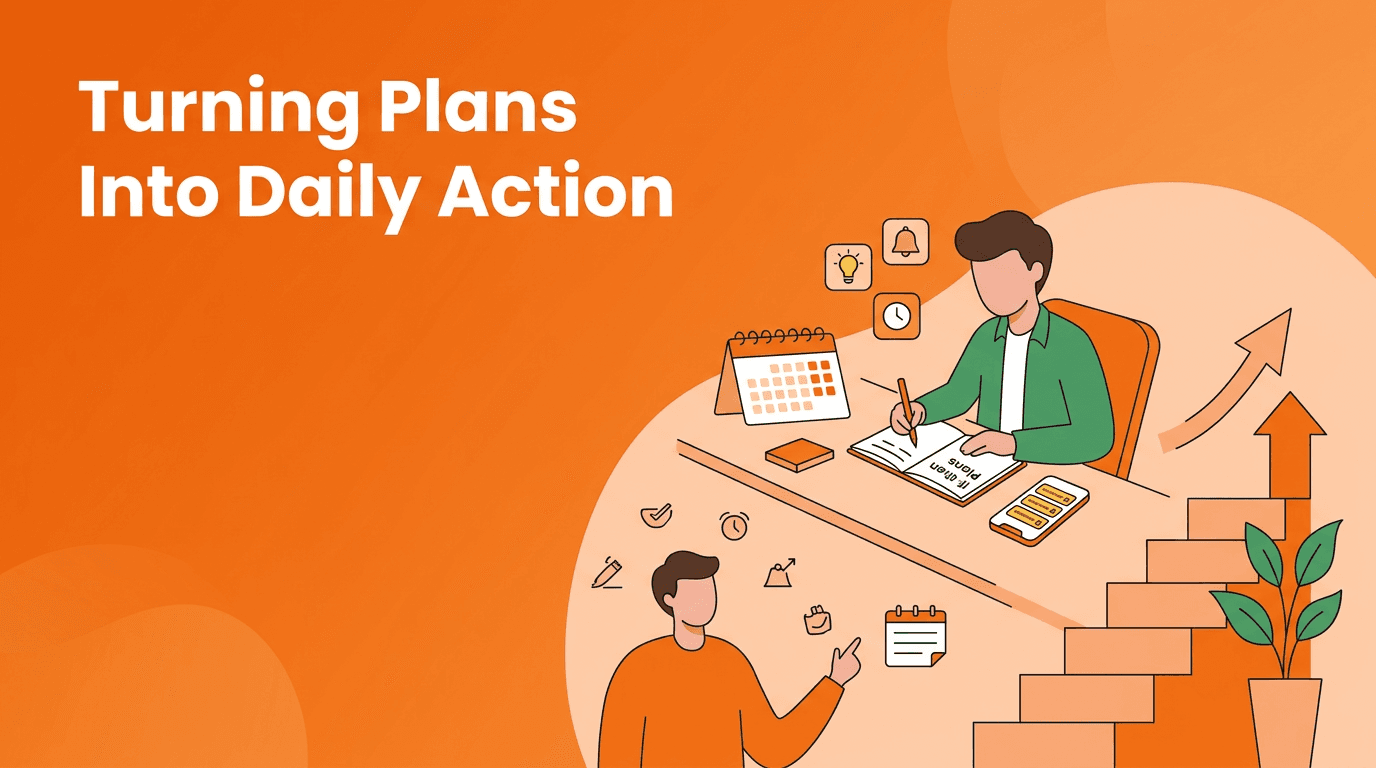
If you have ever said, "I want a better daily routine," "I need more self-belief," or "I should be more consistent," you already know the gap between wanting change and doing it. Implementation intentions help close that gap with one simple structure: If X happens, then I will do Y.
Why implementation intentions work for behavior change
This method is powerful because it removes extra decision-making in the moment. Instead of relying on motivation, you pre-decide your response. That makes behavior change feel lighter, faster, and less emotional.
- A vague goal says: "I will exercise more."
- An implementation intention says: "If it is 7:00 a.m. on weekdays, then I will do a 10-minute workout before checking my phone."
- A vague goal says: "I will be more confident."
- An implementation intention says: "If I start doubting myself before a meeting, then I will take one deep breath and review three things I have done well this week."
"You do not rise to the level of your goals. You fall to the level of your systems."
The hidden reason smart people stay inconsistent
Many students and young professionals think inconsistency means they are lazy or undisciplined. Usually, that is not true. The real issue is that they have not designed a reliable response for predictable moments like stress, distraction, boredom, or low energy.
A growth mindset means believing you can improve through strategy and practice, not just talent or willpower. Implementation intentions fit that mindset perfectly because they treat success as something you can engineer, test, and improve.
Common moments that need an if-then plan
- If I feel overwhelmed by my task list, then I will choose the single most important task and work on it for 15 minutes.
- If I want to procrastinate on studying, then I will open my notes and review one page before doing anything else.
- If I get negative feedback, then I will write down one lesson and one next step instead of spiraling.
- If I miss one day of a habit, then I will restart the next day without trying to "catch up."
How to build implementation intentions into your daily routine
You do not need a complicated life overhaul. Start with one friction point in your daily routine and create a plan for it. The best if-then plans are specific, realistic, and easy to remember.
A simple 4-step formula
- Identify one moment where you usually get stuck.
- Choose a cue you can notice easily, such as a time, place, feeling, or event.
- Decide on one small action that moves you forward.
- Write the full sentence: If [cue], then I will [action].
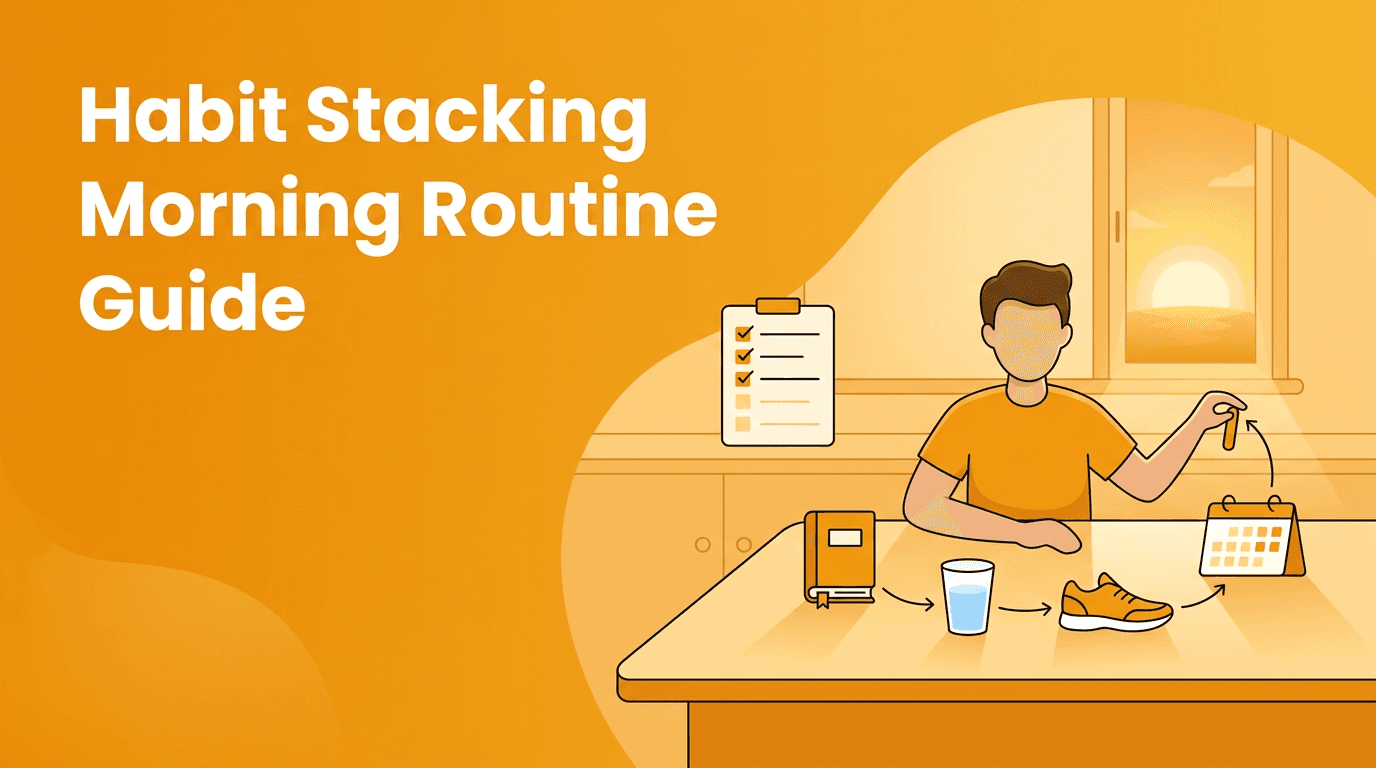
For example, if mornings feel chaotic, your plan could be: "If I finish brushing my teeth, then I will write my top three priorities for the day." This supports personal development because it creates structure without making your routine rigid.
Build your plan with guided support
Want help turning goals into action? Haply is an AI life coaching app for iOS and Android that helps you create better routines, track habits, and stay motivated with personalized coaching and tools like the Focus Timer and Task Planner.
Try Haply FreeUse implementation intentions to strengthen self-belief
Real self-belief does not come from repeating positive phrases all day. It grows when you repeatedly prove to yourself that you can respond well under pressure. Every time you follow an if-then plan, you create evidence that you are capable, adaptable, and trustworthy.
This is why tiny wins matter so much. A small kept promise, repeated often, can change how you see yourself. That is the foundation of lasting behavior change.
Examples for confidence and resilience
- If I feel nervous before speaking up, then I will share one idea or ask one question.
- If I make a mistake, then I will describe it as feedback, not failure.
- If I compare myself to others online, then I will log off and review my own progress for two minutes.
- If I feel stuck, then I will take one small action before I judge my ability.
Make your personal development system easier to maintain
The goal is not to create dozens of plans at once. Pick two or three implementation intentions for the situations that most often derail you. Review them weekly and adjust what is not working. That is a practical growth mindset in action.
Apps can make this easier. With Haply, you can use chat-based coaching to refine your plans, set reminders, track streaks, and check your Today Dashboard for motivation. Instead of trying to remember everything, you build a support system around your goals.
Final thought: stop waiting to feel ready
You do not need more motivation to grow. You need clearer responses for the moments that usually throw you off track. Implementation intentions turn intention into action, action into consistency, and consistency into identity. That is how personal development becomes something you live, not just something you admire.
Frequently Asked Questions
What are implementation intentions in psychology?
Implementation intentions are if-then plans that connect a specific situation with a specific action. They help people act automatically when the moment arrives.
How do implementation intentions help behavior change?
They reduce hesitation and decision fatigue by pre-planning your response. This makes good habits easier to start and maintain.
Can implementation intentions improve self-belief?
Yes. Following small if-then plans builds evidence that you can trust yourself, which strengthens self-belief over time.
How many implementation intentions should I use at once?
Start with two or three for your biggest friction points. Too many at once can feel overwhelming and reduce consistency.
What app can help me stay consistent with personal development goals?
Haply can help with personalized AI coaching, habit tracking, reminders, and practical tools for productivity and self-growth.