The Art of Letting Go: A Philosophy of Acceptance in Uncertain Times
Letting go is not giving up. It is a practice of acceptance that helps you meet uncertainty, forgiveness, and change with more inner peace and quiet strength.


By Haply Team
Haply Editorial Team
Letting go is one of those phrases that sounds simple until life asks it of us. We are told to release the past, accept uncertainty, practice forgiveness, and somehow find inner peace in the middle of change. But letting go is not erasing love, denying pain, or pretending not to care. It is a deeper philosophical choice: to stop arguing with reality long enough to meet life as it is.
For people moving through loss, transition, disappointment, or existential doubt, this choice can feel almost impossible. Yet mindfulness offers a different way to understand it. Instead of forcing detachment, it invites a gentler posture - acceptance without passivity, forgiveness without forgetting, and courage in the face of uncertainty.
"Peace comes not from controlling life, but from loosening your grip on what life never promised to keep."
Why letting go feels so hard
We cling for understandable reasons. The mind believes holding on will preserve meaning, protect identity, or prevent future pain. In philosophy, this is an old insight: we suffer not only because life changes, but because we demand that it should not. We attach ourselves to versions of people, plans, and selves that no longer exist.
- We confuse control with safety, even when control is mostly an illusion.
- We mistake acceptance for surrender, as if acknowledging reality means approving it.
- We fear that forgiveness dishonors pain, when in truth it may release pain from ruling us.
- We build identity around old stories, making change feel like a threat to who we are.
The hidden cost of resistance
Resistance often looks noble from the inside. It can seem like loyalty, vigilance, or strength. But over time it hardens into exhaustion. When every experience is filtered through "this should not have happened," the nervous system stays alert, the heart stays guarded, and inner peace remains distant.
Acceptance is not agreement
One of the most important lessons in mindfulness and philosophy is that acceptance does not mean saying an event was good, fair, or deserved. It means recognizing that it is real. This is a crucial distinction. You can reject injustice, grieve loss, or set boundaries, while still refusing to wage a second war against the facts.
In practical terms, acceptance sounds like this: "I do not like this, but it is here." That sentence alone can soften the inner struggle. It interrupts the fantasy that peace will arrive only after life becomes fully predictable.
- Say "This is what is happening now" when emotions rise.
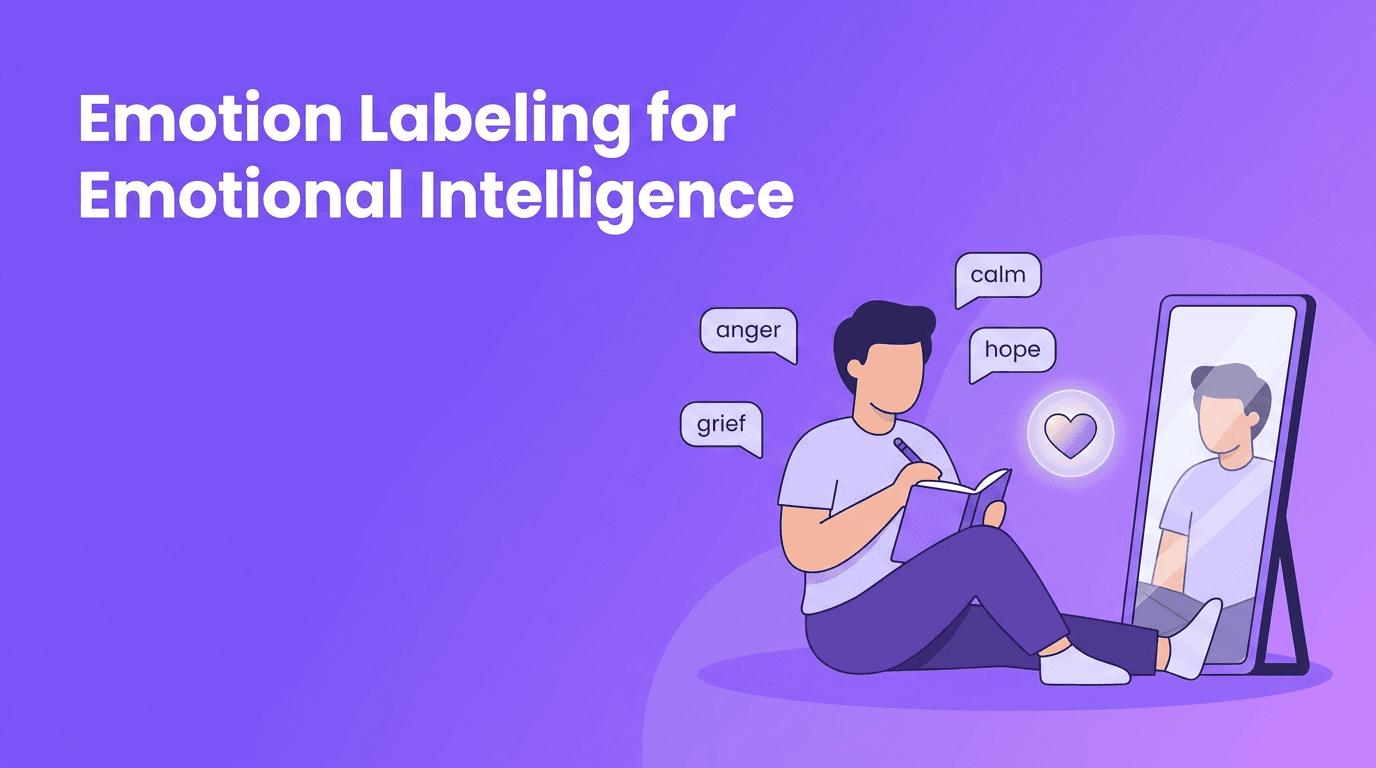
- Name the feeling without judgment: sadness, anger, fear, confusion.
- Ask, "What needs care in this moment?" instead of "Why is this happening to me?"
- Focus on the next honest action, not the perfect resolution.
Forgiveness as a form of freedom
Forgiveness is often misunderstood as reconciliation, excuse, or moral weakness. But at its most profound, forgiveness is the decision not to keep drinking poison from an old cup. It does not require reunion. It does not erase accountability. It simply ends the private ritual of reopening the wound to prove it still hurts.
How forgiveness supports letting go
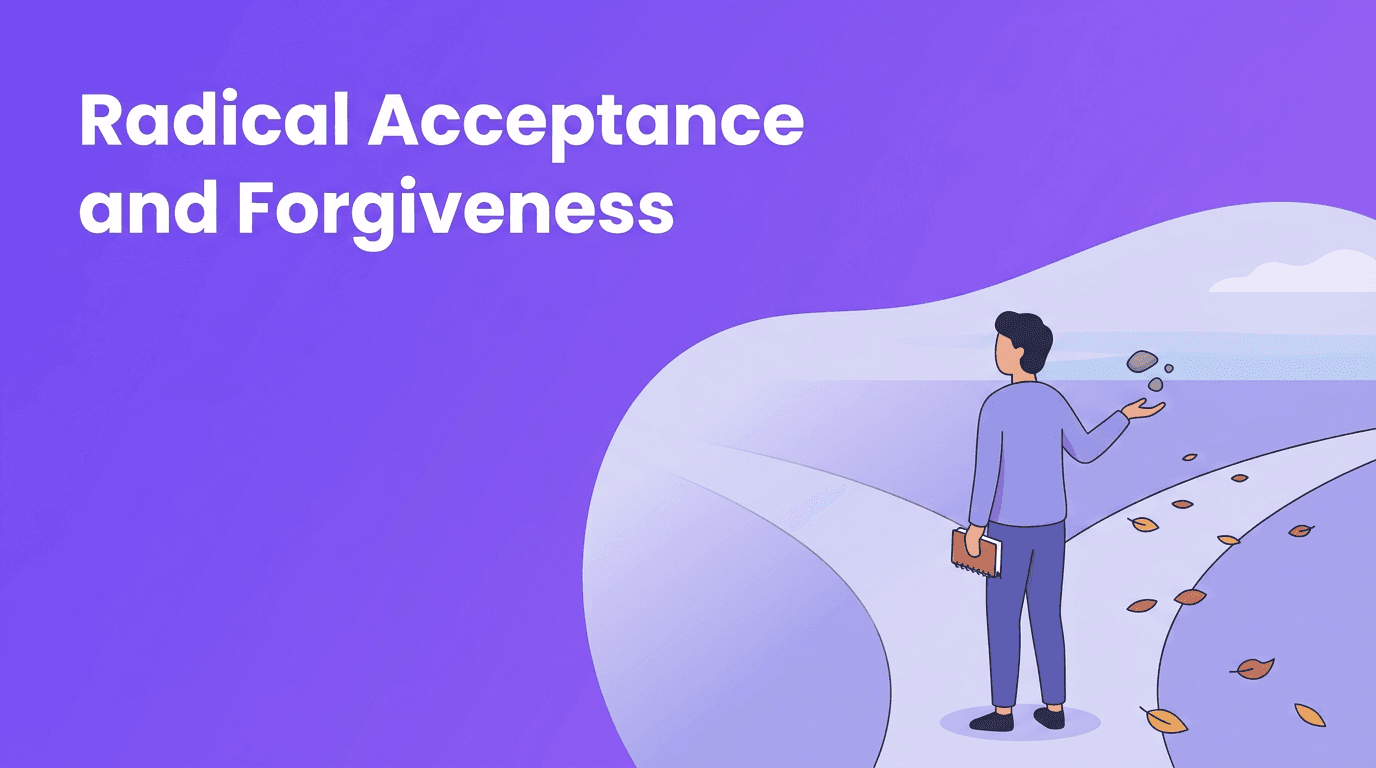
If letting go is the loosening of grip, forgiveness is often the hand opening. Sometimes we forgive another person. Sometimes we forgive ourselves for what we missed, chose, or could not save. In both cases, we step out of the courtroom of endless inner prosecution.
- Write a letter you do not send, beginning with "What I am ready to stop carrying is..."
- Try a brief forgiveness meditation by breathing in the phrase "soften" and breathing out the phrase "release."
- Separate responsibility from self-condemnation. You can learn without living forever in blame.
- Remember that forgiveness can be gradual. It is often a practice, not a moment.
Need support while navigating change?
Haply is an AI life coaching app for iOS and Android that offers chat-based guidance, Wellness coaching, and a Meditation/Breathe mini-app to help you process uncertainty, build calming habits, and reconnect with your values.
Try Haply FreeLiving with uncertainty without collapsing into fear
Much of human suffering comes from uncertainty, not because uncertainty is always dangerous, but because it humbles our need to know. The future remains partially hidden. Relationships shift. Bodies age. Plans fail. To live wisely is not to eliminate uncertainty, but to build a self that can remain present inside it.
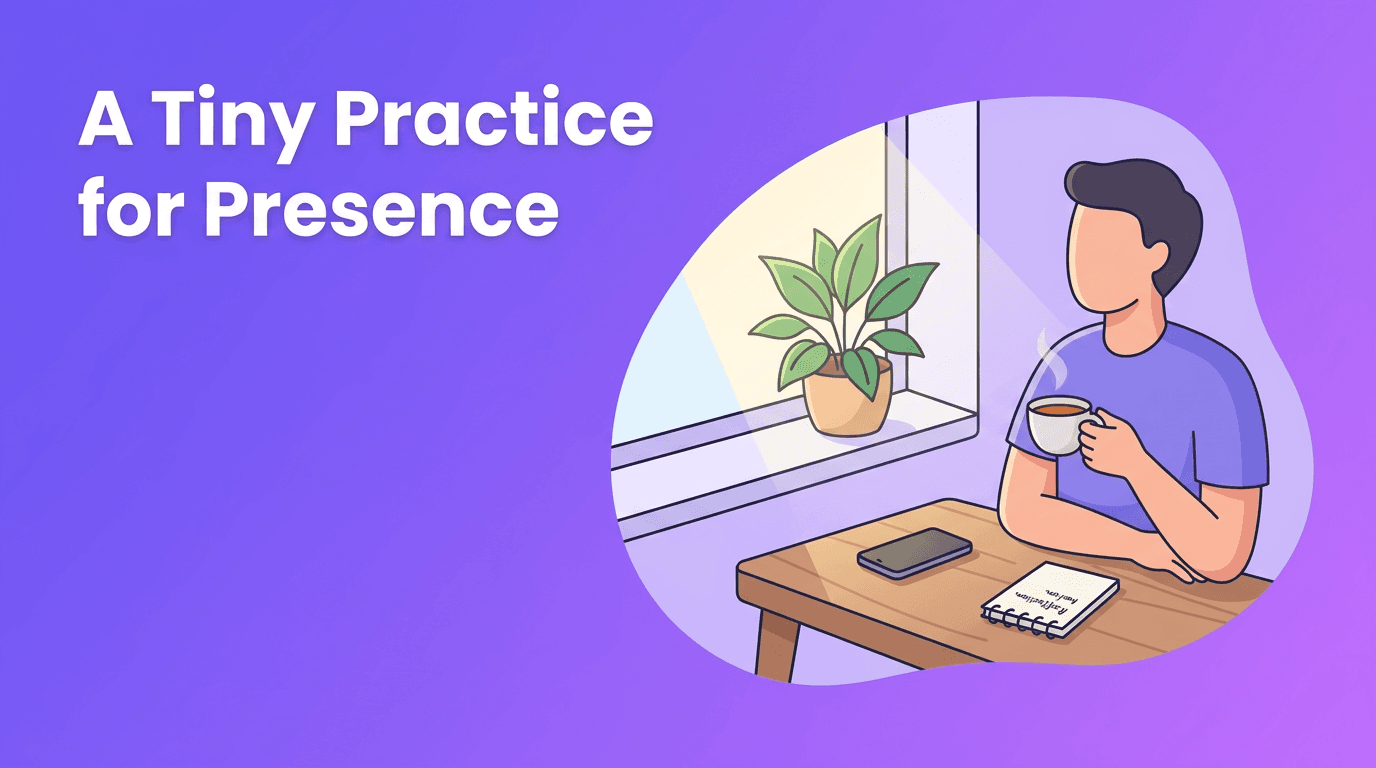
This is where mindfulness becomes deeply practical. A breathing practice, a grounded walk, a journal entry, or a five-minute pause can remind you that not knowing everything is not the same as being unsafe. You do not need a complete map to take one true step.
A 5-minute practice for inner peace
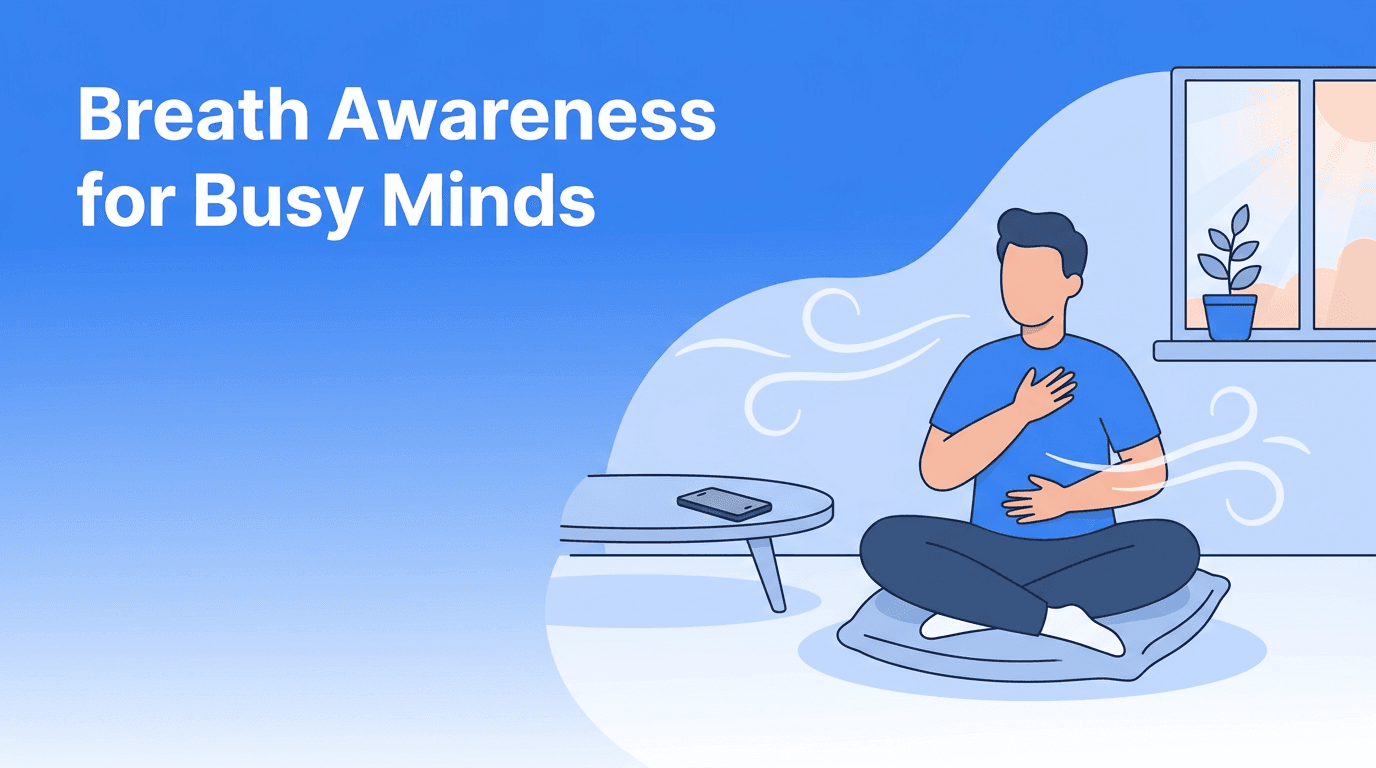
- Sit comfortably and place one hand on your chest and one on your abdomen.
- Inhale for a count of four, exhale for a count of six.
- Silently say: "I can meet this moment without solving my whole life."
- Notice one thing you cannot control, and one thing you can choose today.
- End by asking: "What would a peaceful response look like right now?"
A small philosophy for everyday inner peace
You do not need to become perfectly detached to experience inner peace. Peace often arrives in modest forms: sleeping a little better, replaying the past a little less, speaking to yourself with more honesty, and releasing one unnecessary struggle at a time. This is a lived philosophy of softness and steadiness.
A helpful daily structure is simple: notice, name, allow, choose. Notice what is present. Name it clearly. Allow it to exist without immediate resistance. Then choose the next action that aligns with your values. Over time, this becomes a way of life, not just a coping tool.
When letting go does not mean moving on quickly
Sometimes the wisest form of letting go is not dramatic closure. It is releasing the demand to be finished before you are ready. Grief may stay. Questions may stay. Love may stay. What changes is the relationship you have with them. You stop carrying them as proof that you are broken and begin carrying them as evidence that you are human.
If you want support making this practice consistent, Haply can help through personalized coaching chats, habit tracking with reminders, and simple wellness tools that create gentle structure on difficult days. In times of transition, even a small rhythm can restore dignity and direction.
Frequently Asked Questions
How do I practice letting go when I still feel hurt?
Start by accepting that hurt is still present. Letting go does not require the pain to disappear first, only that you stop feeding it with constant resistance and self-judgment.
Is acceptance the same as giving up?
No. Acceptance means recognizing reality as it is, so you can respond wisely. Giving up means withdrawing your agency, which acceptance does not require.
Can forgiveness help with inner peace?
Yes. Forgiveness can reduce the mental and emotional burden of resentment, creating more space for clarity, boundaries, and peace.
How can mindfulness help with uncertainty?
Mindfulness brings attention back to the present moment, where you can breathe, observe, and choose your next step. It reduces the habit of spiraling into imagined futures.