Love Language Misunderstandings in Dating: How Couples Can Feel More Seen
Love language misunderstandings can quietly strain a romantic relationship. Learn how dating couples can use love languages to build intimacy and a stronger partnership.

By Haply Team
Haply Editorial Team
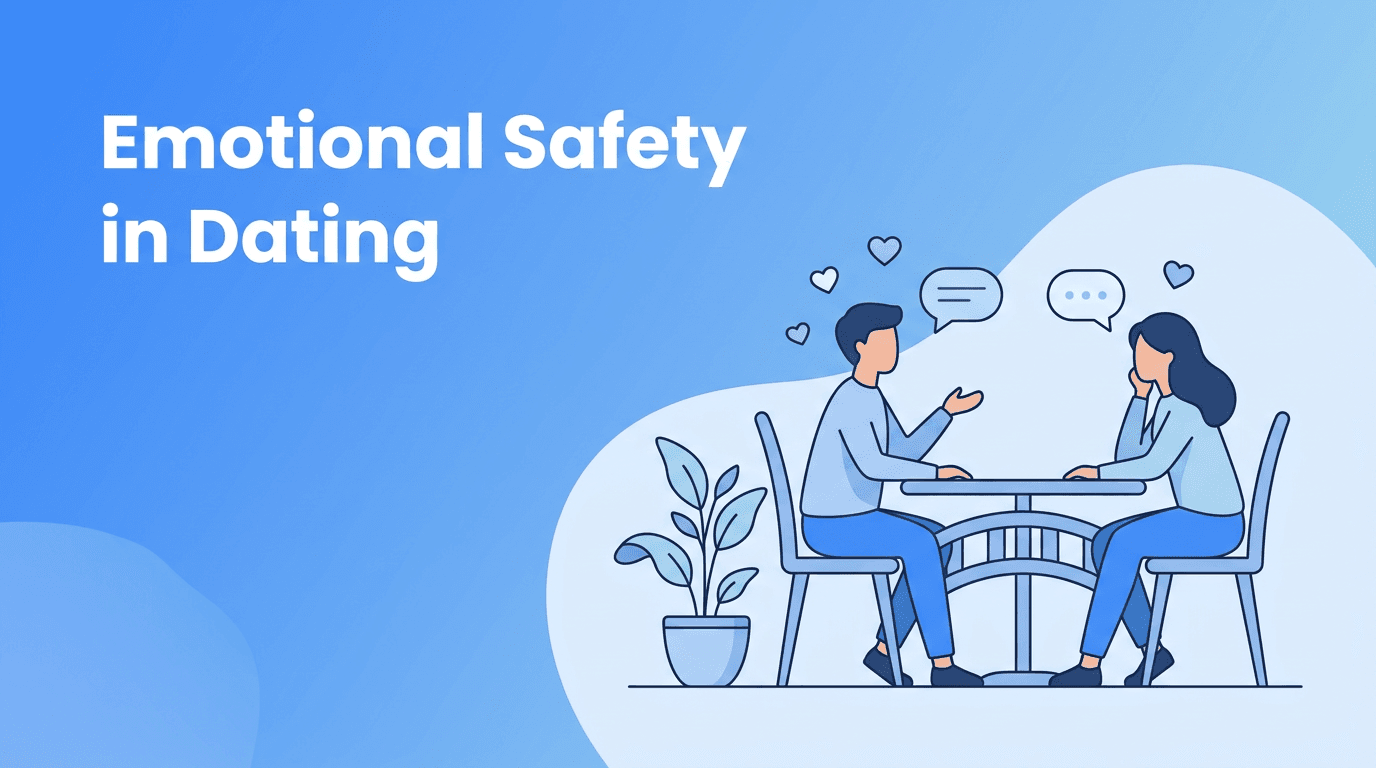
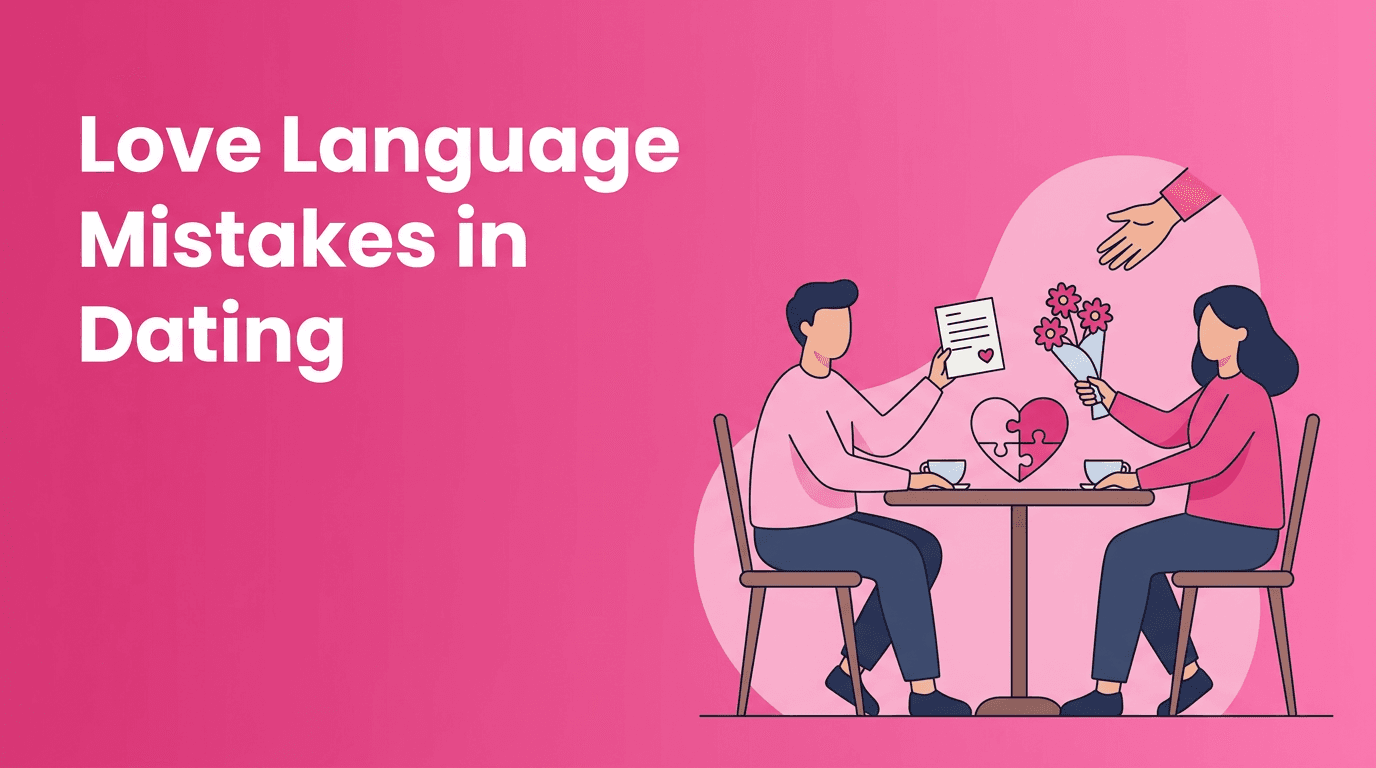
If love language dating sounds a little cheesy, stay with me. In a romantic relationship, people often care deeply about each other but still miss each other's emotional signals. One person plans thoughtful dates, the other wants more verbal affection, and both end up feeling unseen. That gap is not always about incompatibility. Often, it is about translation.
Why love language dating matters early on
In early dating, people usually focus on chemistry, attraction, and shared interests. Those things matter, but they do not automatically teach you how your partner experiences care. Love languages can help couples notice a simple truth: what feels loving to you may not feel loving to someone else.
- You may show love through acts of service, while your partner values quality time
- You may want frequent reassurance, while your partner assumes their consistency already speaks for itself
- You may think gifts are unnecessary, while your partner sees small tokens as meaningful attention
"Many relationship problems are not about lack of love. They are about love being expressed in a language the other person does not naturally hear."
The most common love language mix-ups for couples
1. Mistaking your style for the right style
A lot of couples assume that if something feels loving to them, it should feel loving to their partner too. That is a very human mistake. In love language dating, the goal is not to prove your way is best. The goal is to become bilingual in care.
2. Treating love languages like personality boxes
People are more complex than one label. Someone may love words of affirmation during stress, but crave physical touch when feeling disconnected. Healthy intimacy grows when you stay curious instead of rigid.
3. Using love languages to avoid deeper conversations
Knowing each other's preferences helps, but it does not replace honesty about needs, conflict, trust, or expectations. A strong partnership needs emotional openness, not just a checklist of affectionate behaviors.
A practical way to talk about love languages in a romantic relationship
Try this conversation on a walk, over coffee, or during a calm check-in. Keep it light, specific, and real. Love language dating works best when it becomes a shared experiment, not a test.
- Ask: "When do you feel most appreciated by me?"
- Ask: "What small thing I do makes you feel close to me?"
- Ask: "What do I do that I think is loving, but does not land that way for you?"
- Share one recent moment when you felt especially connected
- Choose one new habit to try for the next 7 days
Want help improving relationship communication?
Haply offers AI life coaching for relationships, including chat-based support to help you understand patterns, communicate more clearly, and build healthier connection habits.
Try Haply FreeSmall examples that build intimacy without overcomplicating it
If your partner values words of affirmation, send a specific text instead of a generic heart emoji. If they value quality time, put your phone away during dinner. If they value acts of service, do the task they have been dreading. If they value physical touch, greet them with warmth. If they value gifts, bring home something tiny but thoughtful. These are small shifts, but they can change the emotional tone of a romantic relationship.
What to do if your efforts are not landing
Do not jump to "we are wrong for each other." First, ask for feedback. You might say, "I am trying to love you in a way you really feel. What would make this land better?" That question creates room for honesty, which is essential for intimacy and trust.
- Focus on patterns, not perfection
- Avoid keeping score
- Notice what helps your partner relax, open up, or feel secure
- Revisit the conversation as your relationship grows
How Haply can support your relationship habits
If you want more structure, Haply can help. The app includes Relationships coaches, personalized chat-based guidance, habit tracking with streaks and reminders, and a Today Dashboard that makes it easier to practice small connection habits consistently. For people navigating dating or a long-term partnership, that kind of support can turn good intentions into daily action.
The real goal of love language dating
The point of love language dating is not to become perfectly optimized. It is to become more understandable to each other. In the best couples, love is not just felt. It is communicated in ways the other person can actually receive. That is where warmth, trust, and lasting connection start to deepen.
Frequently Asked Questions
How do love languages help in dating?
Love languages can help you understand how a partner most naturally gives and receives care. That makes communication clearer and can reduce avoidable misunderstandings.
Can couples have different love languages and still be compatible?
Yes. Different love languages are common, and compatibility often grows through awareness, flexibility, and consistent effort.
What is the best way to talk about love languages in a romantic relationship?
Choose a calm moment and ask specific questions about what makes each of you feel appreciated, close, and understood. Keep the conversation curious, not critical.
Do love languages improve intimacy?
They can improve intimacy when they help both partners feel seen and valued. They work best alongside honest communication, trust, and emotional safety.