Love Languages in Dating: A Smarter Way to Build Intimacy Early
Love languages in dating can reveal how you give and receive care, helping couples build intimacy, avoid mixed signals, and create a healthier romantic relationship.

By Haply Team
Haply Editorial Team
Love languages dating conversations can feel a little cheesy at first, but they are often one of the fastest ways to understand how someone experiences care. In a new romantic relationship, small misunderstandings can grow quickly when two people show affection in very different ways. If you are dating and wondering why connection feels strong one week and confusing the next, love languages can give you a practical starting point.
Why love languages matter in early dating
When people first start seeing each other, they usually focus on chemistry, attraction, and shared interests. Those things matter, but they do not always explain how closeness is built. One person may feel cared for through quality time, while another feels most secure through words of affirmation. Without that insight, both people may be trying hard and still missing each other emotionally.
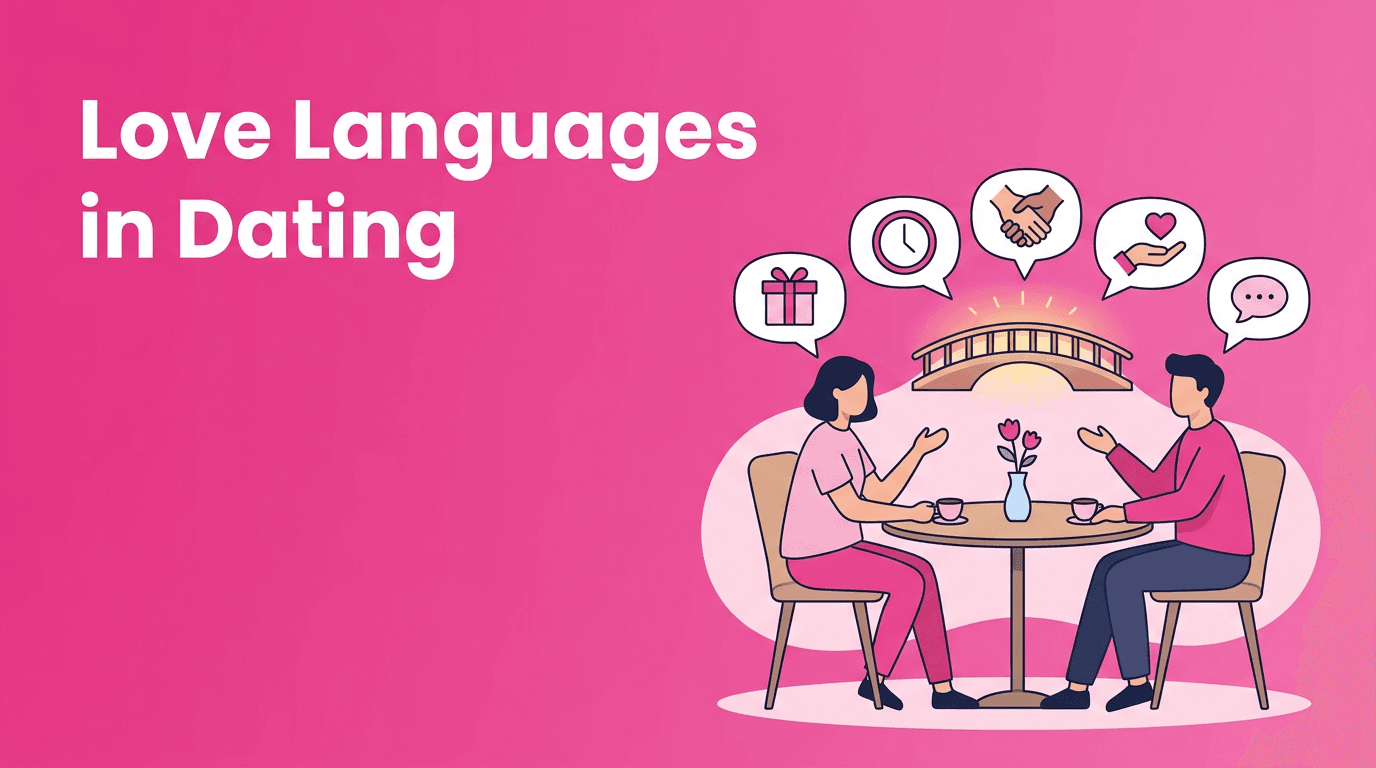
- Quality time can matter more than grand plans.
- Words of affirmation can turn vague interest into emotional safety.
- Acts of service can signal reliability and real effort.
- Physical touch can deepen warmth and closeness when it is mutual and welcome.
- Receiving gifts can represent thoughtfulness, not materialism.
"People do not always need more love. Sometimes they need love shown in a way they can recognize."
How love languages dating changes mixed signals
A lot of so-called mixed signals are really mismatched communication styles. Maybe your partner texts lightly but always makes time to see you. Maybe you send thoughtful messages, but they light up when you help with something practical. Love languages dating helps you notice the difference between lack of interest and a different style of caring.
What this looks like in real life
- You want longer conversations, but they plan thoughtful dates. That may be acts of service or quality time.
- You keep complimenting them, but they want more hand-holding or cuddling. That may be physical touch.
- They bring small surprises, while you just want consistency and attention. That may reflect different ways of building intimacy.
- One of you values frequent texting, while the other values being fully present in person. That does not always mean poor compatibility.
This is especially useful for couples who like each other but keep feeling slightly off. Before assuming your partnership is weak, ask whether you are using different emotional dialects.
How to talk about love languages without making it awkward
You do not need to turn a date into a personality workshop. Keep it simple, curious, and specific. Instead of asking, "What is your love language?" out of nowhere, try linking it to real moments you have already shared.
- Ask, "When do you usually feel most cared for in a relationship?"
- Say, "I tend to feel close when we have uninterrupted time together. What about you?"
- Notice patterns and ask gently, "Do small thoughtful gestures matter a lot to you?"
- Share your own answer first so the conversation feels safer and more natural.
A better goal than labeling
The goal is not to put each other in neat boxes. It is to learn what helps both people feel seen. Most people respond to more than one love language, and preferences can shift across seasons of life, stress, and trust. Strong communication skills matter more than getting the category exactly right.
Want help improving relationship communication?
Haply offers AI-powered Relationships coaching, personalized chat support, habit tracking, and daily prompts that can help you build healthier dating habits and deeper connection.
Try Haply FreeUsing love languages to build intimacy, not pressure
Healthy intimacy grows when people feel understood, not managed. If you learn that someone values physical touch, that does not mean you owe them more touch than feels right. If they value words of affirmation, that does not mean constant reassurance. Love languages work best when they support empathy, boundaries, and mutual respect.
- Use love languages to understand, not to demand.
- Pay attention to consent, comfort, and pacing.
- Treat preferences as invitations, not obligations.
- Look for reciprocity. Healthy couples care about each other's needs, not just their own.
Signs love languages are helping your romantic relationship
- You argue less about effort and talk more clearly about needs.
- Small gestures start landing in a bigger way.
- You feel less confused about each other's intentions.
- Your dating dynamic feels calmer, warmer, and more secure.
- Your partnership becomes more intentional instead of reactive.
This is where love languages dating becomes genuinely useful. It gives you a shared framework for care without requiring mind reading. That can make a new relationship feel less fragile and more honest.
What to do this week
If you are seeing someone right now, try one small experiment. Think about the last moment you felt especially connected or especially disappointed. Ask yourself what kind of care was present or missing. Then bring that insight into one conversation or one date this week.
- Pick one way you naturally express care.
- Ask your partner or date how they best receive care.
- Try one gesture in their style this week.
- Notice what creates warmth, ease, and closeness.
- Reflect together instead of assuming.
Frequently Asked Questions
How do love languages help in dating?
Love languages help in dating by showing how each person gives and receives care. This can reduce mixed signals and make emotional connection easier to build.
Can couples have different love languages and still be compatible?
Yes. Many couples have different love languages and still build a strong relationship if they communicate clearly and make room for each other's needs.
When should you talk about love languages in a romantic relationship?
You can bring it up once you notice the relationship becoming more consistent or emotionally meaningful. It works best when tied to real experiences, not forced too early.
Do love languages improve intimacy?
They can improve intimacy by helping both people feel more understood and appreciated. They are most effective when combined with boundaries, respect, and honest communication.