Slow Tech Reset: Smart App Recommendations for Lower Screen Time
Looking for smart lower screen time apps that support digital minimalism without deleting everything? This guide explores practical app recommendations, helpful AI tools, and what they reveal about the future of technology.

By Haply Team
Haply Editorial Team
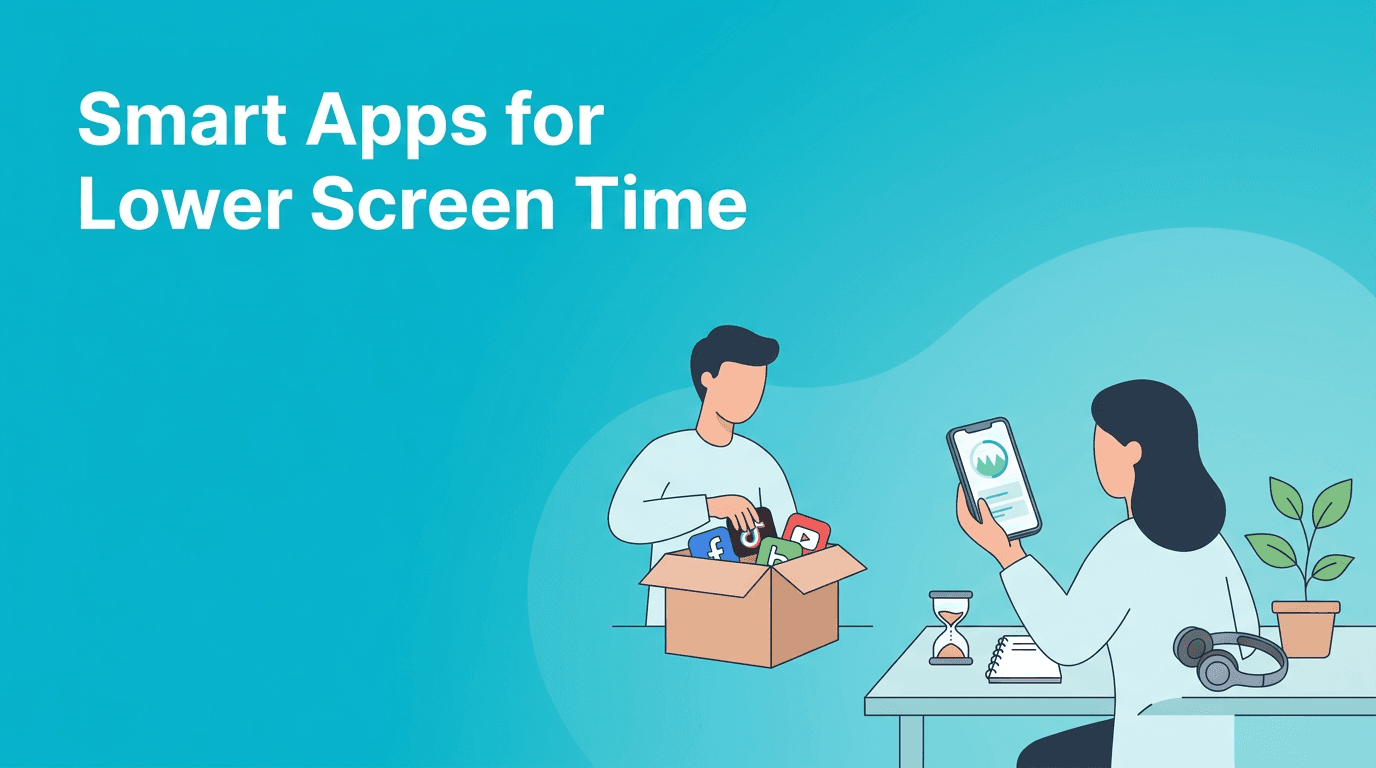
If you want lower screen time apps that actually make your phone feel lighter, not stricter, start here. The goal is not to win a battle against technology. It is to build a calmer relationship with it through digital minimalism, smarter defaults, and a few well-chosen AI tools.
Why the best screen time strategy is not total detox
A lot of advice about phone habits sounds dramatic: delete every social app, switch to grayscale, disappear for a weekend. That can help for a short burst, but most people need something more realistic. The better approach is to make your devices support your priorities by default. That is where lower screen time apps become useful.
- Use tools that reduce friction for healthy habits, not tools that rely only on willpower.
- Choose apps that replace compulsive checking with clear next actions.
- Look for features that create awareness, like timers, dashboards, and reminders.
- Prefer apps that help you do one thing well instead of five things badly.
A digital minimalism filter for app recommendations
Before downloading anything, ask one question: does this app help me spend less attention, or just manage more complexity? Good app recommendations for digital wellness usually pass three tests. They are easy to open, easy to leave, and useful in under a minute.
What to look for in lower screen time apps
- A simple interface with low notification pressure
- Short sessions that create a feeling of completion
- Optional automation or AI tools that reduce mental load
- Tracking that encourages reflection, not guilt
- Cross-device support if you switch between iOS, Android, and desktop
"Technology improves your life most when it quietly protects your attention."
Three categories of apps that help you use your phone less
1. Reflection apps that interrupt autopilot
Sometimes the real issue is not the phone itself. It is the lack of a pause between impulse and action. Reflection-focused tools can create that pause. Apps with check-ins, guided prompts, or short coaching chats help you notice what you actually need before you open the fifth app in a row.
This is one place where AI tools can be surprisingly helpful. Instead of endless scrolling, you can open one conversation and get a tailored prompt, plan, or reset. Haply, for example, offers chat-based AI coaching across areas like productivity, wellness, learning, and relationships. It also includes mini-tools like a Focus Timer, Task Planner, Meditation/Breathe, and a Today Dashboard, which makes it a strong option if you want one app that supports digital minimalism rather than adding more clutter.
2. Focus tools that make starting easier
The best focus apps are not only blockers. They lower the activation energy for deep work. Think countdown timers, distraction lists, simple music, and tiny session goals. These features matter because many people do not need more discipline. They need a smoother start.
- Use a 25-minute timer before opening entertainment apps
- Keep one capture space for distracting thoughts
- Turn on session summaries so progress feels visible
- Pair focus time with a specific cue, like tea, headphones, or a desk lamp
3. Habit dashboards that replace random checking
A lot of screen time comes from uncertainty. What should I do next? Did I forget something? Good dashboards reduce that anxiety. When your priorities, streaks, reminders, and goals live in one place, you are less likely to bounce between five apps searching for direction. That is why some of the best lower screen time apps are not blockers at all. They are organizers.
How AI tools fit into the future of technology
The future of technology for personal growth is probably not more apps shouting for attention. It is fewer, smarter systems that combine coaching, planning, and habit support in one place. Used well, AI tools can shorten decision loops, personalize routines, and help people act faster with less digital noise.
That said, not every AI feature is useful. The best ones do one of three things: summarize, guide, or personalize. If an app adds AI just to sound advanced, it usually creates more taps, more menus, and more confusion.
- Summarize: shorten what you need to read or review
- Guide: suggest the next best action when you feel stuck
- Personalize: adapt plans, reminders, or coaching to your real goals
Want one app instead of five?
Try Haply if you want personalized AI coaching, habit tracking, and practical mini-tools that support healthier phone use without overwhelming your screen.
Try Haply FreeA 7-day experiment for healthier screen time
If you feel overwhelmed by too many choices, do this simple reset. It combines digital minimalism, practical app recommendations, and a realistic view of your current habits.
- Day 1: Check your weekly usage and identify your top three time sinks.
- Day 2: Move distracting apps off your home screen.
- Day 3: Install one of the lower screen time apps you will actually open daily.
- Day 4: Add one replacement behavior, like journaling, breathing, or a focus sprint.
- Day 5: Turn off non-essential notifications.
- Day 6: Test one AI-powered support tool for planning or reflection.
- Day 7: Review what reduced stress, not just what reduced minutes.
Notice the goal here: not perfect control, but better energy. Lowering screen time matters most when it helps you feel more present, focused, and intentional.
The real test for any app recommendation
A useful app should leave you with more clarity than you had before opening it. That is the real benchmark. Whether you choose a timer, a blocker, or an AI coach, the best tool is the one that helps you close your phone and return to your life.
Frequently Asked Questions
What are the best lower screen time apps for beginners?
Beginners usually do best with simple tools like focus timers, habit dashboards, and guided reflection apps. Choose one app that is easy to open daily and does not overload you with features.
How does digital minimalism help reduce screen time?
Digital minimalism helps you keep only the tools that support your values and remove unnecessary digital noise. That makes your phone simpler and reduces impulsive checking.
Are AI tools good for digital wellness?
Yes, if they reduce decision fatigue and help you take clear action. The most useful AI tools guide, personalize, or summarize instead of adding more distractions.
What is the future of technology for healthier phone habits?
The future of technology will likely favor fewer, smarter apps that combine planning, coaching, and habit support. People want tools that save attention, not compete for it.