Microlearning Apps for Professionals: Which App Features Actually Build Real Skills?
Microlearning apps promise faster growth, but the best results come from choosing the right app features. Learn how microlearning apps fit modern personal development technology and daily upskilling.
By Haply Team
Haply Editorial Team
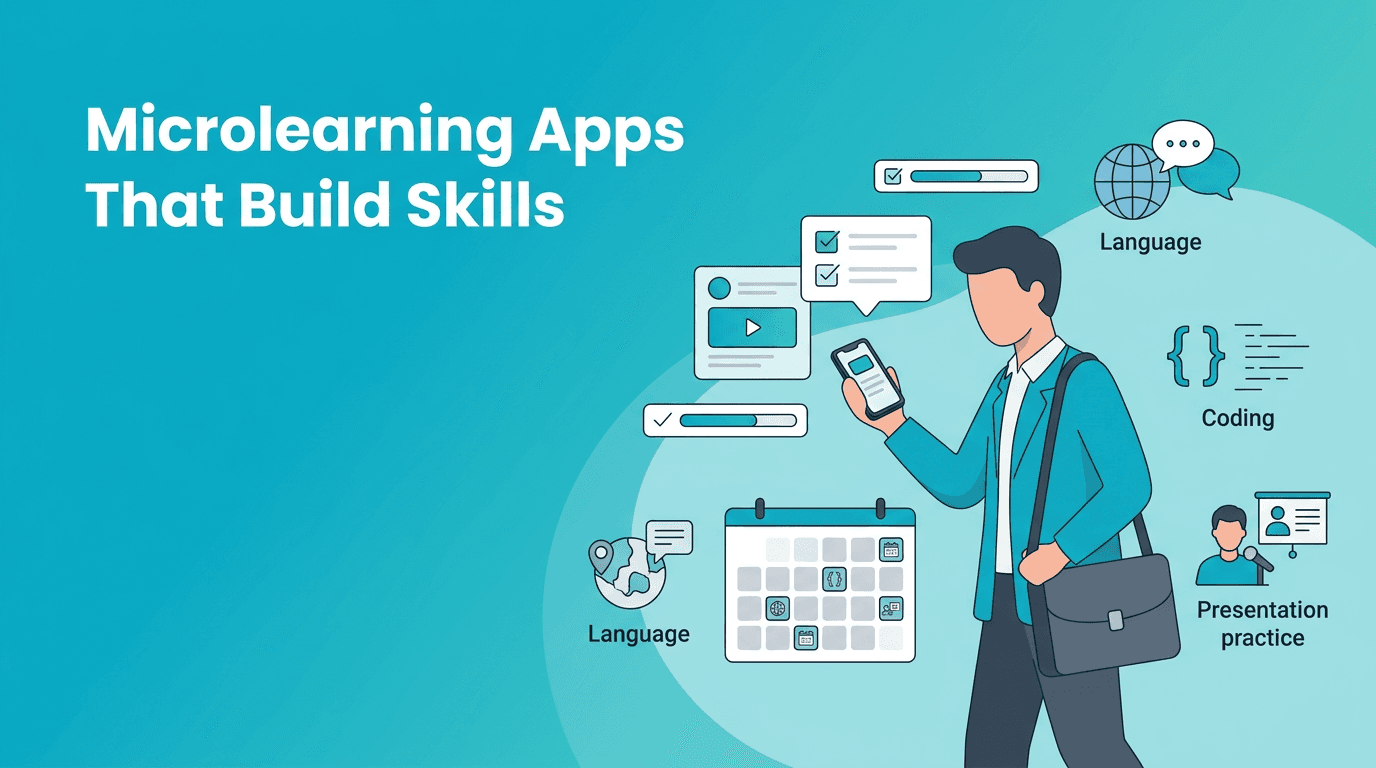
Microlearning apps have become one of the most practical forms of personal development technology for busy professionals. In a market full of bold claims, the real differentiator is not just content quality, but the app features that turn 5-minute lessons into measurable progress. If you want learning that fits between meetings, commutes, and deep work sessions, this guide shows what to look for and what to skip.
Why microlearning apps are a major tech trend
One of the biggest tech trends in self-development is the shift from long, rigid courses to short, repeatable learning loops. Professionals do not always need another 12-hour course. They need a system that helps them review, apply, and retain useful knowledge in small bursts. That is why microlearning apps are gaining traction across language learning, leadership training, communication practice, and even wellness education.
- Short sessions reduce friction and make it easier to start consistently.
- Frequent repetition improves retention better than occasional cramming.
- Mobile-first design fits naturally into modern work routines.
- Progress tracking gives users a visible reason to continue.
- Personalized recommendations help learners focus on relevant skills instead of random content.
The app features that matter most
1. Frictionless lesson design
The best microlearning apps remove startup resistance. That means fast loading, clear lesson paths, and no confusing dashboards. If it takes more than a few taps to resume where you left off, the app is already losing against your calendar.
2. Smart review and spaced repetition
Short lessons only work when the app helps you remember them later. Look for app features like spaced repetition, quizzes, recap cards, and revisit prompts. Without review mechanics, microlearning becomes content snacking, not skill building.
3. Context-aware reminders
Good reminders are not noisy. They are timely, specific, and behavior-based. The strongest platforms let you set daily learning windows, streak goals, and recovery prompts if you miss a day. This is where learning tools increasingly overlap with habit apps and even some AI coaching apps.
"The best learning app is not the one with the most lessons. It is the one that gets you to come back tomorrow."
4. Application, not just consumption
A strong platform asks you to use what you just learned. That could mean speaking a phrase aloud, writing a short reflection, solving a scenario, or completing a mini challenge. In practical terms, the best app features create a loop of learn, apply, review, repeat.
How to evaluate microlearning apps like a power user
If you are comparing tools, ignore the marketing homepage for a moment and test the product in real life. Use this framework for one week before committing.
- Measure restart speed: How quickly can you open the app and continue a lesson?
- Check retention tools: Does the app actively help you review old material?
- Look for outcome signals: Can you see progress in a skill, not just points?
- Test interruption tolerance: Can you leave and return without losing context?
- Audit notification quality: Are reminders useful, or just engagement bait?
- Assess personalization: Does the app adapt to your goals, level, or schedule?
Where AI fits into the next wave of learning tools
A newer layer in personal development technology is adaptive guidance. Some platforms now borrow ideas from AI coaching apps, using conversational feedback, tailored prompts, and dynamic lesson suggestions. This matters because professionals often do not just need content. They need clarification, accountability, and next-step recommendations based on real behavior.
This is also where broader tech trends are heading. Instead of static libraries, users increasingly expect tools that respond to goals in real time. For example, someone working on communication skills may benefit from a learning app that pairs bite-sized lessons with coaching prompts, habit reminders, and reflective check-ins.
Want learning and coaching in one place?
Haply combines chat-based AI coaching with practical tools like habit tracking, a Focus Timer, daily reminders, and a personalized Today Dashboard. If you want structured growth beyond standalone lessons, it offers a broader self-development system on iOS and Android.
Try Haply FreeWhen microlearning apps work best
- For skill maintenance such as languages, writing, or industry knowledge refreshers.
- For habit-linked learning when you study at the same time each day.
- For busy schedules that cannot support long uninterrupted sessions.
- For just-in-time growth when you need a practical concept quickly.
- For reducing overwhelm by breaking large goals into repeatable actions.
When they are not enough
Not every goal should live inside microlearning apps. Deep technical mastery, portfolio-level work, and complex certification prep often require longer sessions, projects, and feedback from experts. The smartest approach is hybrid: use microlearning for consistency and reinforcement, then pair it with focused weekly deep work.
A better way to think about personal development technology
The most useful tools are not the ones that demand more of your attention. They are the ones that help you convert tiny windows of time into momentum. In that sense, microlearning apps represent a practical evolution in personal development technology. But the winner is not any single brand. It is the product design that respects your time, supports recall, and nudges action.
If you are choosing your next learning tool, focus less on course volume and more on app features that shape behavior. That is what separates entertaining apps from systems that actually help you grow.
Frequently Asked Questions
What are microlearning apps?
Microlearning apps deliver short, focused lessons that are designed to fit into small time blocks. They usually emphasize repetition, quick wins, and easy mobile access.
Do microlearning apps actually help professionals learn faster?
They can help professionals learn more consistently, which often leads to better long-term progress. They work best for ongoing skill building, review, and habit-based learning.
Which app features matter most in microlearning apps?
The most valuable features include quick lesson access, spaced repetition, smart reminders, progress tracking, and ways to apply what you learn immediately.
How are microlearning apps different from AI coaching apps?
Microlearning apps focus on short lessons and practice, while AI coaching apps are designed for guidance, accountability, and personalized reflection. Some newer platforms combine both approaches.
What is the best way to use microlearning apps without wasting time?
Choose one clear skill, set a fixed daily study cue, and use an app with review tools and progress tracking. Pair short sessions with occasional deeper practice for stronger results.