Mindful Pauses: A 3-Minute Breathing Space for Inner Peace
Mindful pauses can bring you back to the present moment, strengthen awareness, and support inner peace. Learn a simple 3-minute practice you can use anywhere.

By Haply Team
Haply Editorial Team
Mindful pauses are one of the simplest ways to reconnect with mindfulness, meditation, and the present moment without changing your whole schedule. If your day feels noisy or rushed, a short pause can restore awareness, soften stress, and create a little more inner peace.
Why mindful pauses work so well
Many people imagine meditation as something that needs a quiet room, a cushion, and plenty of time. But in real life, the most helpful practice is often the one you can actually do. Mindful pauses work because they fit into ordinary moments, before a meeting, after a difficult text, while waiting for the kettle, or just before sleep.
These brief resets help your mind notice what is happening right now instead of getting lost in momentum. That shift toward present moment awareness supports better choices, calmer reactions, and a steadier sense of self.
"Peace does not always arrive as a grand feeling. Sometimes it begins as one conscious breath."
The 3-minute breathing space meditation
This practice is a compact form of meditation that brings your attention back to the body and breath. You can do it sitting, standing, or even in your parked car.
Minute 1: Notice what is here
Pause and ask yourself, "What is happening in me right now?" Notice thoughts, emotions, and body sensations without trying to fix them. This is the heart of awareness. You are simply recognizing your current experience.
Minute 2: Focus on the breath
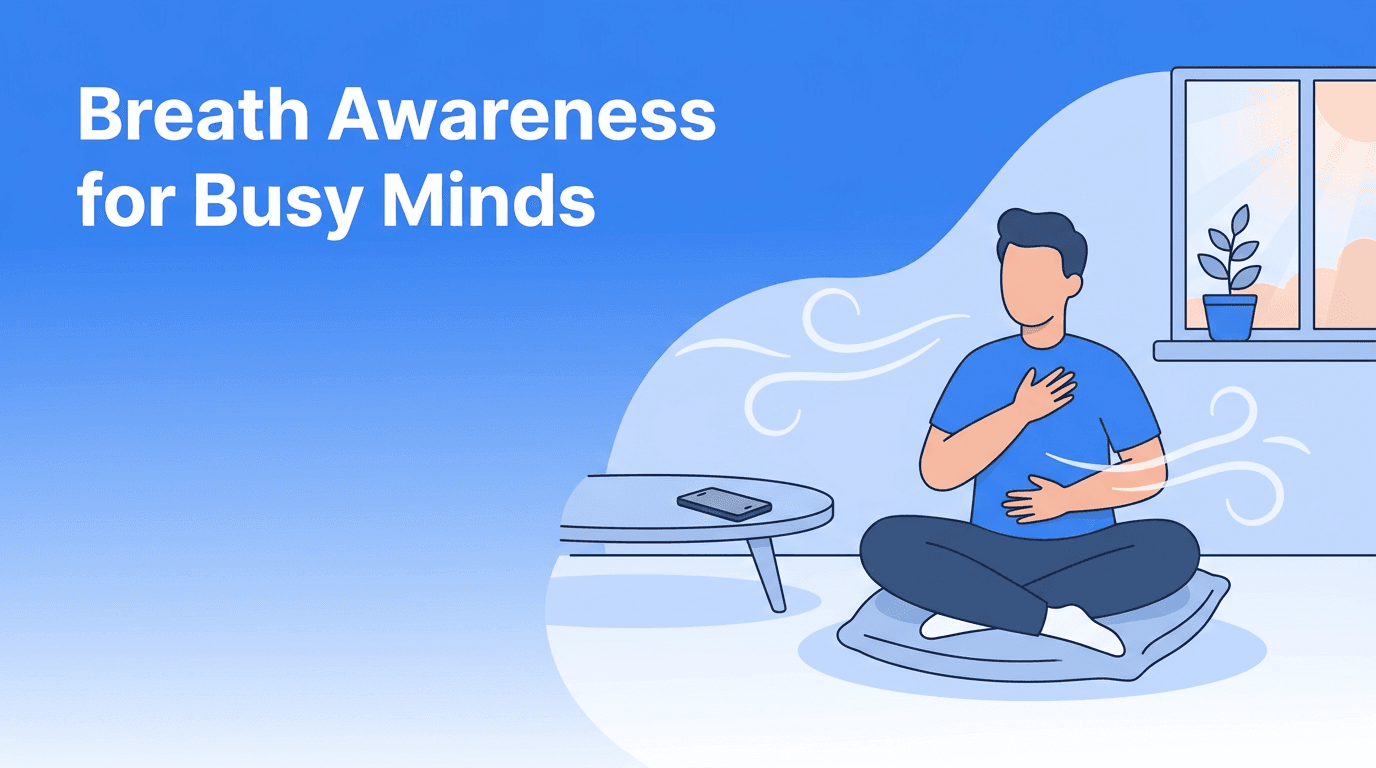
Bring full attention to one place where you can feel the breath most clearly, your nostrils, chest, or belly. Follow one inhale and one exhale at a time. If your mind wanders, gently return. This small act is mindfulness in motion.
Minute 3: Open to the whole body
Expand your attention beyond the breath. Feel your posture, your face, your shoulders, and the space around you. Let the breath move through a wider field of experience. This final step often creates a grounded sense of inner peace, even if nothing outside has changed.
- Use mindful pauses before transitions like starting work, entering your home, or opening social media.
- Pair the practice with daily cues such as brushing your teeth, making coffee, or sitting at a red light.
- Keep your goal small. Three minutes done consistently is more powerful than a perfect routine that never happens.
- Do not chase a special feeling. The practice is to notice, breathe, and return to the present moment.
How to remember mindful pauses during a busy day
A useful trick is to connect the practice to moments when stress usually rises. Try a pause before replying to messages, after finishing a task, or when you notice tension in your jaw or shoulders. Over time, these cues train your nervous system to associate stopping with safety rather than guilt.
If you want support, Haply can make the habit easier. The app offers AI life coaching on iOS and Android, plus a Meditation/Breathe mini-app, reminders, and a Today Dashboard that helps you return to your intentions. For people building a simple mindfulness routine, that gentle structure can make a real difference.
Build a gentle mindfulness habit
Use Haply's AI coaching, daily reminders, and Meditation/Breathe mini-app to make mindful pauses part of everyday life.
Try Haply FreeWhat mindful pauses can change over time
The benefits are subtle at first, but meaningful. You may notice a little more space before reacting, a kinder inner voice, or an easier time returning to the present moment after distraction. These are not small things. They are the building blocks of intentional living.
- Less autopilot, because you interrupt the rush with awareness.
- Better emotional regulation, because you notice feelings earlier.
- More grounded decisions, because you respond instead of react.
- Greater inner peace, because you practice coming back to yourself many times a day.
A simple way to begin today
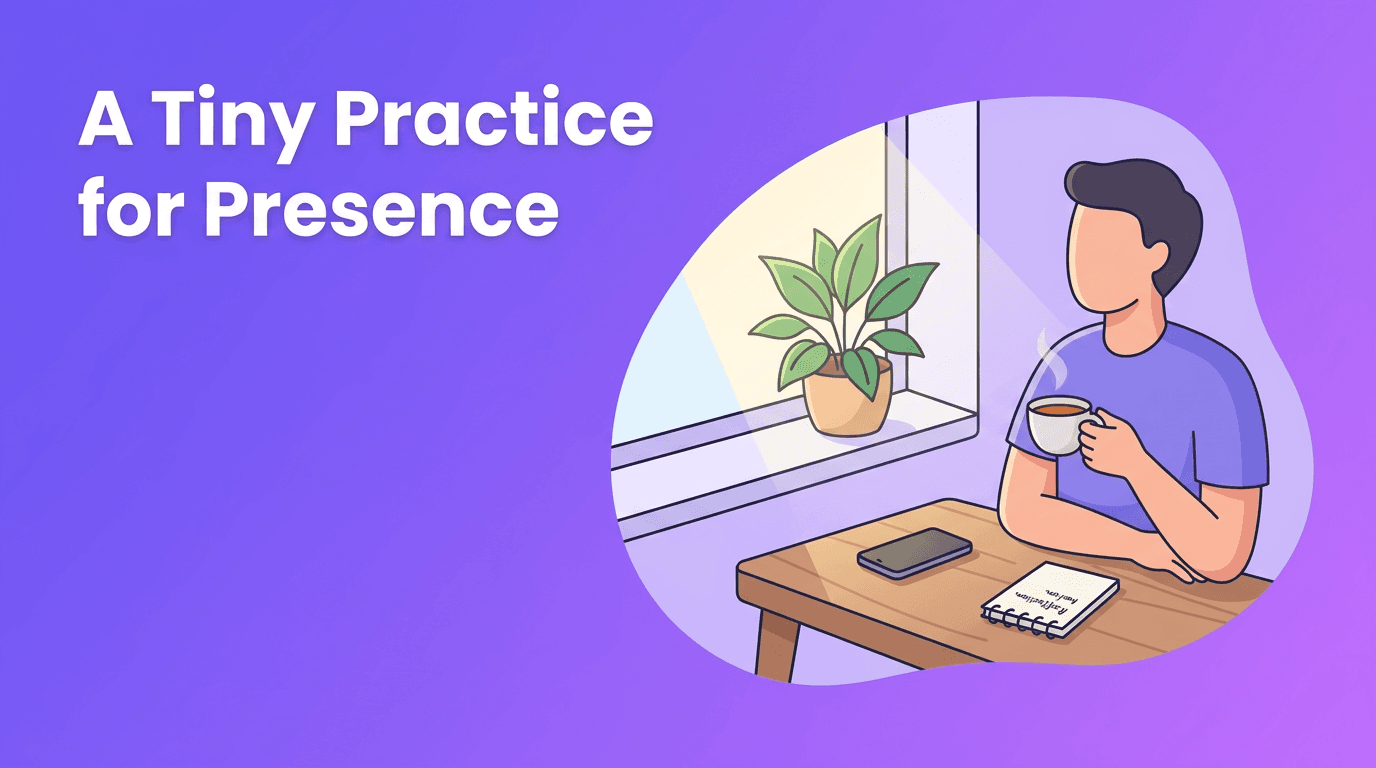
Choose one moment in your day that already exists, maybe your first sip of tea, your lunch break, or the minute before bed. Turn that moment into a ritual of mindful pauses. Breathe, notice, soften, and begin again. You do not need a perfect life to practice presence. You only need one willing moment.
Frequently Asked Questions
What are mindful pauses?
Mindful pauses are short moments when you intentionally stop, notice your experience, and return attention to the breath or body. They are a simple form of mindfulness practice.
How do mindful pauses help with stress?
They help interrupt automatic stress reactions by bringing you back to the present moment. This can calm the body and create more space before you respond.
Can mindful pauses replace meditation?
They can be a practical form of meditation, especially on busy days. Many people use them alongside longer sessions rather than instead of them.
How often should I practice mindful pauses?
Start with once or twice a day and attach them to existing routines. Consistency matters more than length.