Nervous System Regulation for Everyday Wellness: A Gentle Reset That Fits Real Life
Nervous system regulation is a practical way to support wellness, mental health, and stress management through small daily habits that make self-care and healthy living feel easier.

By Haply Team
Haply Editorial Team
Nervous system regulation is one of the most practical ways to support wellness, mental health, and stress management without overhauling your life. Instead of chasing a perfect routine, you can use small moments of self-care to help your body feel safer, steadier, and more capable of healthy living.
Why nervous system regulation matters for daily wellness
When your body stays in high alert for too long, even simple tasks can feel heavy. You might notice shallow breathing, irritability, brain fog, poor sleep, or the feeling that you are always slightly behind. Nervous system regulation helps you shift from constant reactivity toward a calmer baseline, so everyday choices feel more manageable.
- Stress management becomes easier when your body is not stuck in urgency mode.
- Better regulation can support mental health by creating more emotional space before you react.
- Small regulation habits often improve sleep, focus, digestion, and energy, all core parts of wellness.
- A steadier nervous system can make self-care feel more realistic, not like another task on your list.
"Calm is not something you wait for. It is something you practice, one small signal of safety at a time."
The myth of needing a perfect self-care routine
Many people imagine self-care as a long morning ritual, a silent house, and plenty of spare time. Real life is usually messier. A more useful approach is to build regulation into ordinary moments, like the first minute after waking up, the pause before opening email, or the few breaths you take before bed.
Think in micro-resets, not major transformations
A micro-reset is a brief action that tells your body, "You are safe enough to soften." This could be unclenching your jaw, lengthening your exhale, stepping outside for two minutes, or placing both feet firmly on the floor. These tiny actions are not trivial. Repeated often, they become a realistic form of healthy living.
- Take 3 slower exhales before checking your phone in the morning.
- Relax your shoulders whenever you notice them lifting toward your ears.
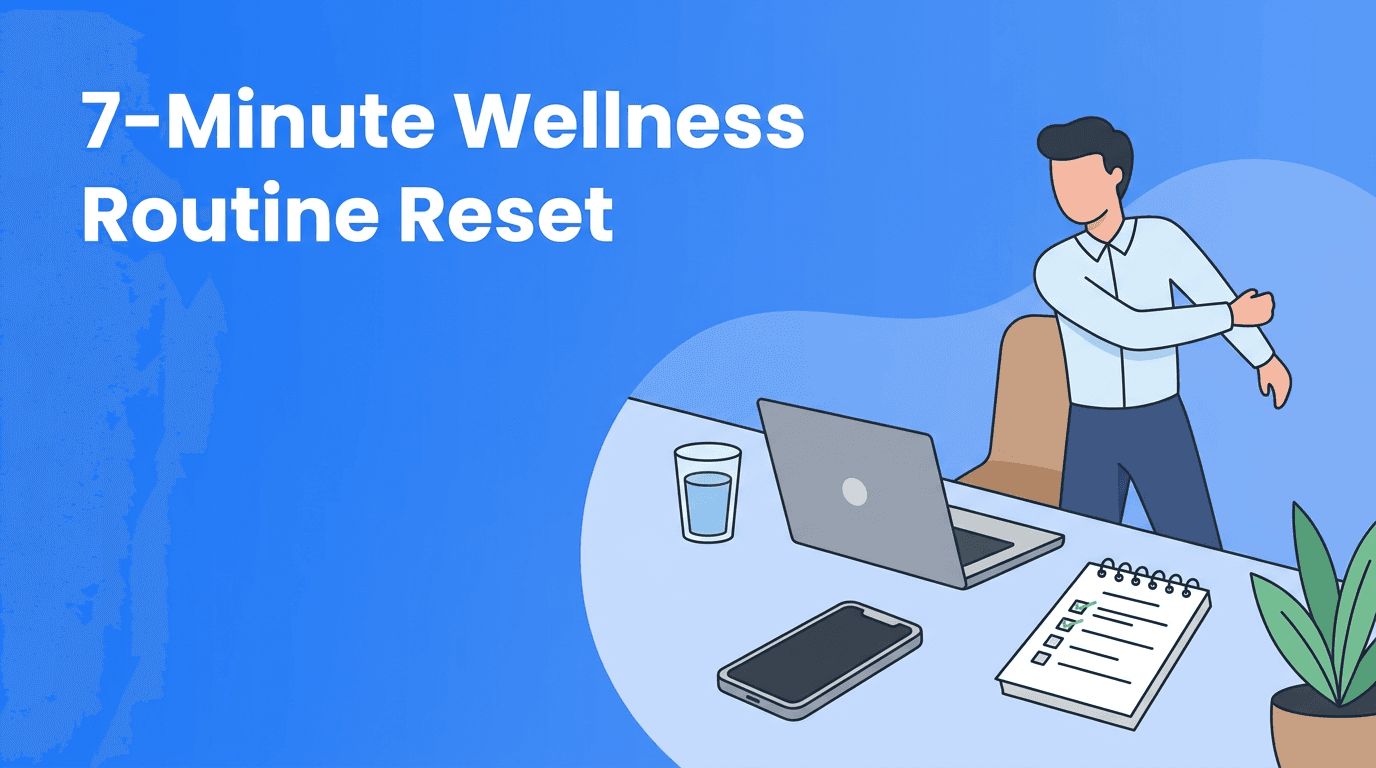
- Drink a glass of water and stand near a window for a simple wellness reset.
- Name what you feel in one sentence, such as "I feel rushed and tense right now."
- Create a short evening cue like dimming lights or stretching for 60 seconds.
5 gentle nervous system regulation practices that actually fit busy days
1. Exhale longer than you inhale
One of the fastest ways to encourage nervous system regulation is to make your exhale slightly longer than your inhale. Try breathing in for 4 and out for 6 for a few rounds. Keep it gentle, never forced. This can be especially useful during work stress, social tension, or bedtime restlessness.
2. Use touch as a grounding cue
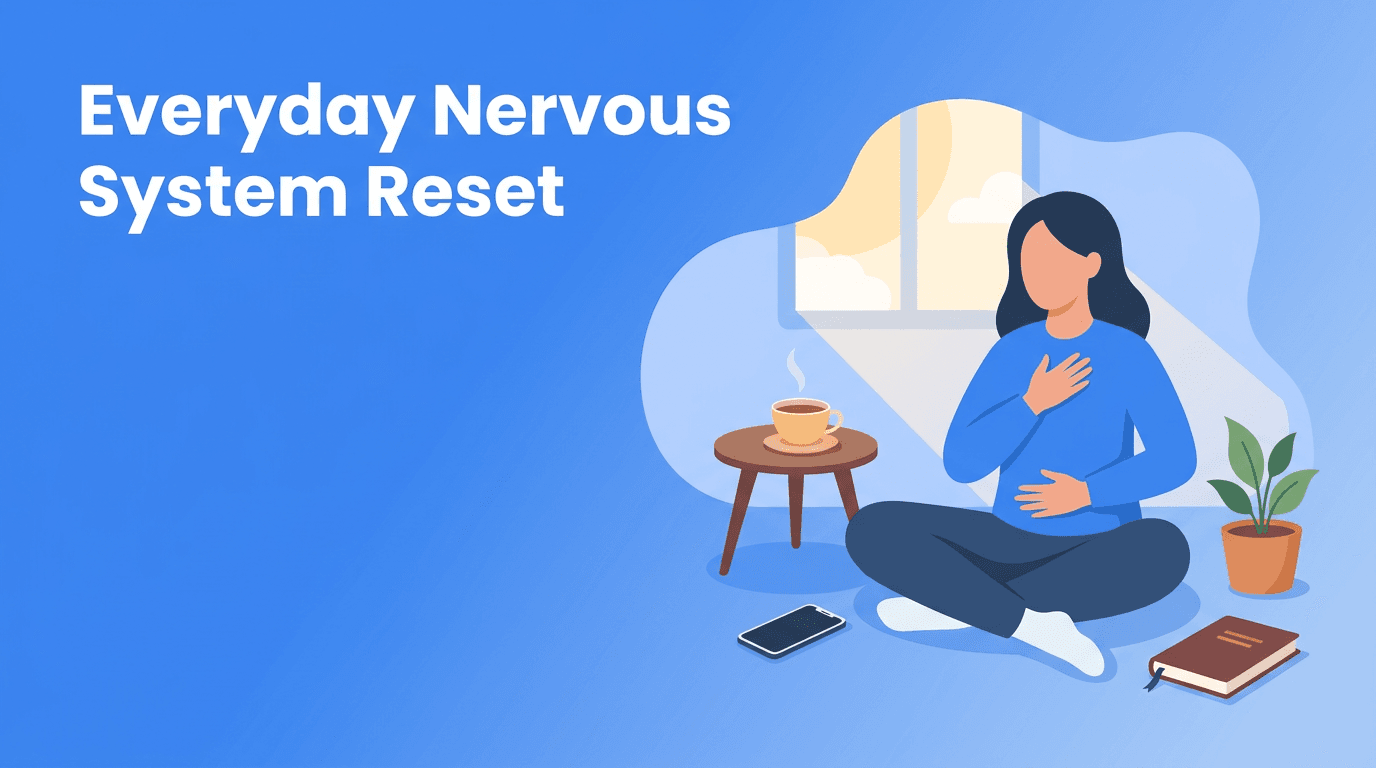
Place one hand on your chest and one on your belly, or press your palms together. Physical contact can provide a simple grounding signal that supports mental health and emotional steadiness. It may feel surprisingly effective when thoughts are racing.
3. Reduce stacked stimulation
Sometimes your stress is not coming from one big event, but from too many inputs at once. Try lowering background noise, closing extra tabs, silencing nonessential notifications, or doing one task without multitasking. This is a form of stress management that often gets overlooked.
4. Add transition rituals between parts of your day
Your body needs help switching gears. A 2-minute walk after work, washing your hands slowly before dinner, or changing clothes after a long day can act as a bridge. These tiny rituals help your system register that one chapter has ended and another is beginning.
5. Let movement be regulating, not punishing
Exercise does not always need to be intense to support wellness. Gentle stretching, walking, shaking out your arms, or a few minutes of mobility can help release built-up tension. The goal is not to force performance, but to reconnect with your body in a kinder way.
A simple 10-minute reset for stress management
If you want a structure to follow, try this short routine once a day or whenever life feels loud. It is intentionally simple, because consistency matters more than complexity.
- Minute 1-2: Put your phone down and notice 3 things you can see.
- Minute 3-4: Breathe in gently and exhale longer than you inhale.
- Minute 5-6: Roll your shoulders, unclench your jaw, and relax your hands.
- Minute 7-8: Drink water or step outside for fresh air.
- Minute 9-10: Ask, "What do I need most right now, rest, movement, food, focus, or connection?"
Want guided support for daily wellness?
Haply is an AI life coaching app for iOS and Android that helps you build personalized routines for wellness, mental health, and self-care. You can chat with Wellness coaches, use tools like Meditation/Breathe and Sleep Stories, and stay consistent with reminders, streaks, and a daily dashboard. Haply can support healthy habits alongside professional care, not replace it.
Try Haply FreeHow to make healthy living feel less overwhelming
Many healthy living plans fail because they ask too much from an already stressed person. If your system is overloaded, even good advice can feel like pressure. Start by choosing habits that lower friction and increase safety, not habits that depend on high motivation every day.
- Make your first step ridiculously small, like one stretch or one deep exhale.
- Pair a new habit with something you already do, such as breathing while the kettle boils.
- Track only one or two signals at a time, like sleep quality and afternoon tension.
- Notice what drains you before adding more goals. Subtraction is also self-care.
- Celebrate consistency, not intensity. A gentle habit repeated often is powerful.
When extra support makes sense
While nervous system tools can be helpful, they are not a cure-all. If stress, anxiety, low mood, trauma symptoms, or burnout are disrupting daily life, reaching out to a licensed mental health professional is a strong next step. Use apps, routines, and coaching as support, not as a substitute for care when deeper help is needed.
Frequently Asked Questions
What is nervous system regulation?
Nervous system regulation is the practice of helping your body move out of chronic stress and into a calmer, steadier state through habits like breathing, grounding, rest, and gentle movement.
How can I regulate my nervous system quickly?
Try a longer exhale, relax your jaw and shoulders, put both feet on the floor, and reduce extra stimulation like noise or notifications. Even 1 to 2 minutes can help.
Is nervous system regulation good for stress management?
Yes. Nervous system regulation can support stress management by reducing physical tension and helping you respond more calmly to everyday pressure.
What are simple self-care habits for mental health?
Simple habits include drinking water, getting daylight, taking short walks, slowing your breathing, reducing multitasking, and creating small transition rituals during the day.
Can an app help with wellness routines?
Yes. An app like Haply can help you build consistent wellness routines with personalized coaching, reminders, tracking tools, and guided features that support daily self-care.