Phone Addiction or Peace? A Mindful Guide to Intentional Tech Use
Struggling with phone addiction and rising screen time? This mindful guide to intentional tech use helps you reduce FOMO and build a healthier digital life.

By Haply Team
Haply Editorial Team
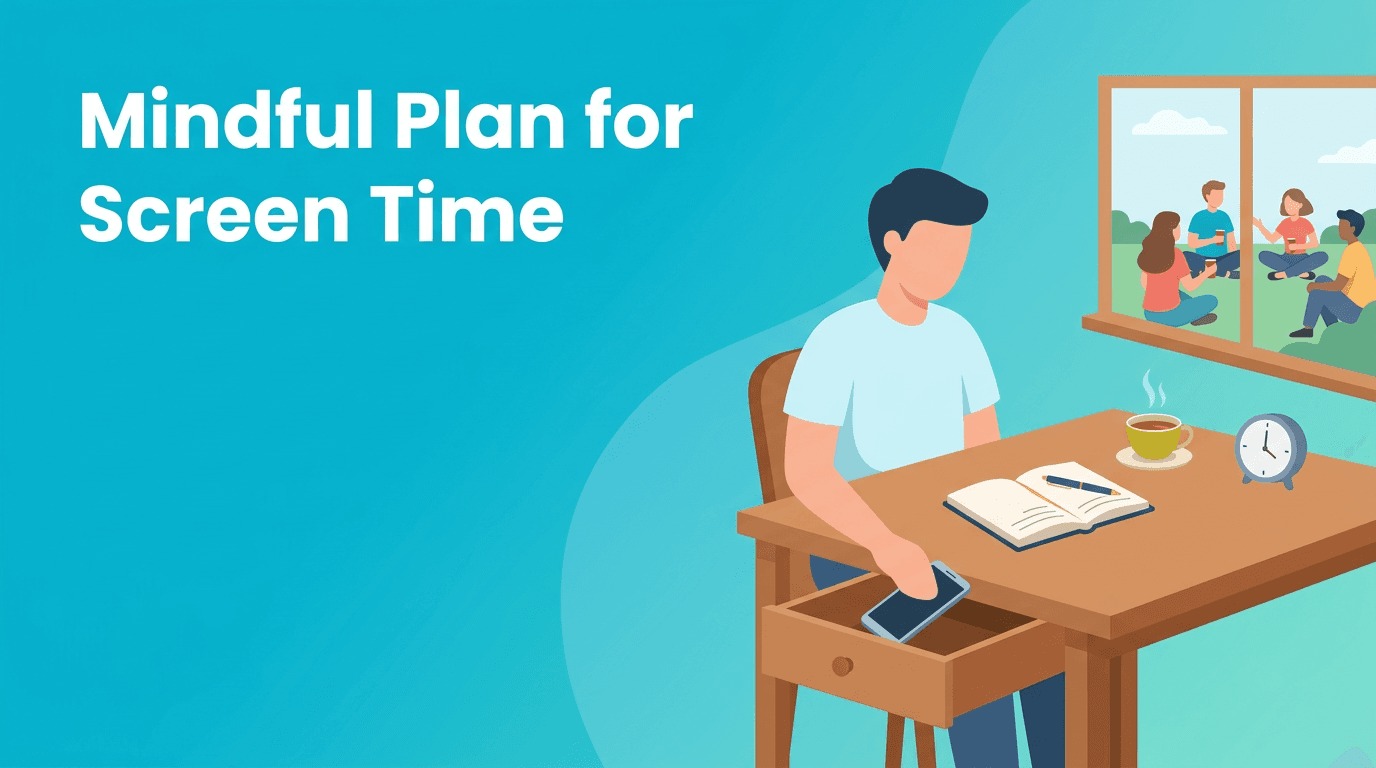
Phone addiction rarely looks dramatic. More often, it feels like checking one notification and waking up 25 minutes later inside three apps, five tabs, and a mood you did not choose. If you want a calmer relationship with screen time, the goal is not to fear technology. It is to practice intentional tech use so your phone serves your life instead of running it.
Why phone addiction feels so hard to break
Your phone is not just a tool. It is a portable slot machine, social hub, calendar, camera, comfort object, and escape hatch. That is why phone addiction is not about weak willpower. It is about frictionless design meeting very human needs like connection, relief, novelty, and reassurance.
- Notifications create constant micro-interruptions that train your attention to scatter.
- Infinite scroll removes natural stopping points, so your brain keeps chasing the next thing.
- FOMO makes absence feel risky, even when nothing truly urgent is happening.
- Screen time often fills emotional gaps like boredom, loneliness, stress, or uncertainty.
"The opposite of distraction is not perfect focus. It is intention."
The mindful shift: from digital detox to intentional tech use
A strict digital detox can be helpful for a reset, but many people rebound because they never build a sustainable system. Mindfulness offers a gentler question: "What am I reaching for right now, and why?" That pause helps you notice whether you want information, comfort, stimulation, or avoidance.
Ask this before unlocking your phone
- What am I here to do? Name one task before you tap.
- How do I feel right now? Stressed, bored, lonely, tired, curious?
- How long do I want to stay? Set a tiny boundary, even 5 minutes.
- What would leave me feeling better after this? Choose that action first.
This is the core of intentional tech use. You are not banning your phone. You are bringing awareness to the moment before the habit takes over.
Want support building healthier digital habits?
Haply is an AI life coaching app for iOS and Android that helps you create mindful routines, track habits, and stay consistent with daily reminders. You can also use its Wellness coaches and Meditation/Breathe mini-app when the urge to scroll feels overwhelming.
Try Haply FreeA 4-step reset for high screen time days
When your screen time spikes, do not jump straight into self-criticism. Try this short reset instead.
- Step 1: Interrupt the loop. Put your phone face down, stand up, and take 3 slow breaths.
- Step 2: Name the trigger. Were you avoiding a task, chasing a reply, or soothing stress?
- Step 3: Replace, do not just remove. Swap scrolling for a walk, water, stretching, music, or a quick journal note.
- Step 4: Re-enter on purpose. If you pick the phone back up, do one planned action and then stop.
Why replacement works better than restriction
Habits leave a gap when removed. If you only tell yourself to stop, your brain keeps searching for the same reward. A better strategy is to match the need. If you wanted stimulation, try a short podcast. If you wanted comfort, try breathing or texting one trusted friend. If you wanted escape, take a five-minute walk without your phone.
How to handle FOMO without disappearing from life
FOMO thrives on the idea that you are always one glance away from something important. In reality, most updates can wait. Mindfulness helps by shifting attention from imagined loss to actual experience. Ask yourself, "What is happening in my real life right now that deserves my presence?"
- Batch social checks at set times instead of grazing all day.
- Mute nonessential accounts that trigger comparison or urgency.
- Keep one connection ritual offline, like a weekly call or walk.
- Remember this truth: being informed is not the same as being connected.
Create a phone environment that supports calm
Behavior change gets easier when your environment does part of the work. Instead of relying on motivation, redesign your digital space so calm is the default.
- Move addictive apps off your home screen.
- Turn off badges for anything that is not truly time-sensitive.
- Use grayscale during work or evening hours to reduce stimulation.
- Charge your phone outside the bedroom to protect sleep and attention.
- Set a lock screen note like "Why am I picking this up?"
These small frictions are powerful. They reduce automatic checking and make intentional tech use more realistic in everyday life.
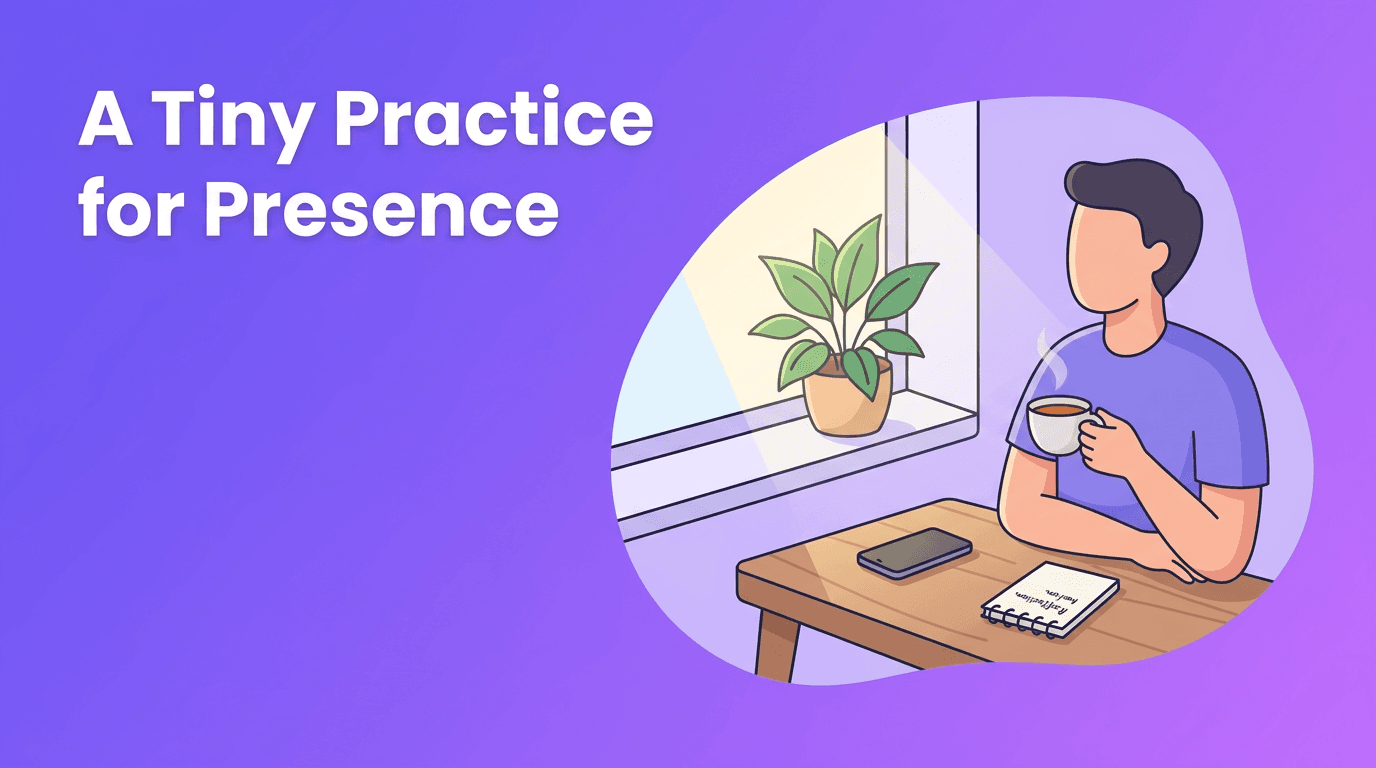
A 10-minute evening ritual to reduce phone addiction
One of the best ways to reduce phone addiction is to protect the transition into rest. Try this simple evening ritual:
- Minute 1-2: Put your phone on charge away from your bed.
- Minute 3-4: Do a short tidy-up of your space.
- Minute 5-7: Write down one worry, one gratitude, and one priority for tomorrow.
- Minute 8-10: Use a breathing practice or short meditation instead of one last scroll.
If you want structure, Haply's Today Dashboard, habit tracker, and Meditation/Breathe mini-app can make this ritual easier to repeat, especially when consistency feels harder than intention.
What success actually looks like
Success is not never using your phone. It is noticing sooner, choosing more often, and recovering faster when you drift. A healthier digital life might look like fewer compulsive checks, more focused mornings, less bedtime scrolling, and a nervous system that does not feel constantly on call.
You do not need a perfect digital detox to feel better. Start with one boundary, one pause, and one intentional choice today. Over time, those moments build trust in yourself, which is the real opposite of phone addiction.
Frequently Asked Questions
How do I break phone addiction without quitting social media?
Start by adding friction instead of deleting everything at once. Move apps off your home screen, turn off notifications, and check social platforms at set times.
What is the best way to reduce screen time every day?
Pick one daily boundary you can keep, such as no-phone mornings for 15 minutes or charging your phone outside the bedroom. Small, repeatable limits work better than extreme rules.
Can a digital detox help with FOMO?
Yes, a short digital detox can reset your attention and show you which apps create urgency or comparison. For lasting change, pair the reset with intentional tech use habits.
Why do I keep checking my phone even when I do not need to?
Phone checking is often a response to boredom, stress, loneliness, or habit loops triggered by notifications and easy access. Awareness of the trigger makes the behavior easier to change.